 Bernal Heights Pottery Glaze Supply Browsing Route: Walk
Hidden Gems & Odd Finds
Pacific Heights Curated Secondhand Clothing: 4 Resale Checks
Curated secondhand clothing on Upper Fillmore in Pacific Heights is free to browse, best on a weekday morning. Learn how to vet designer resale before you pay.
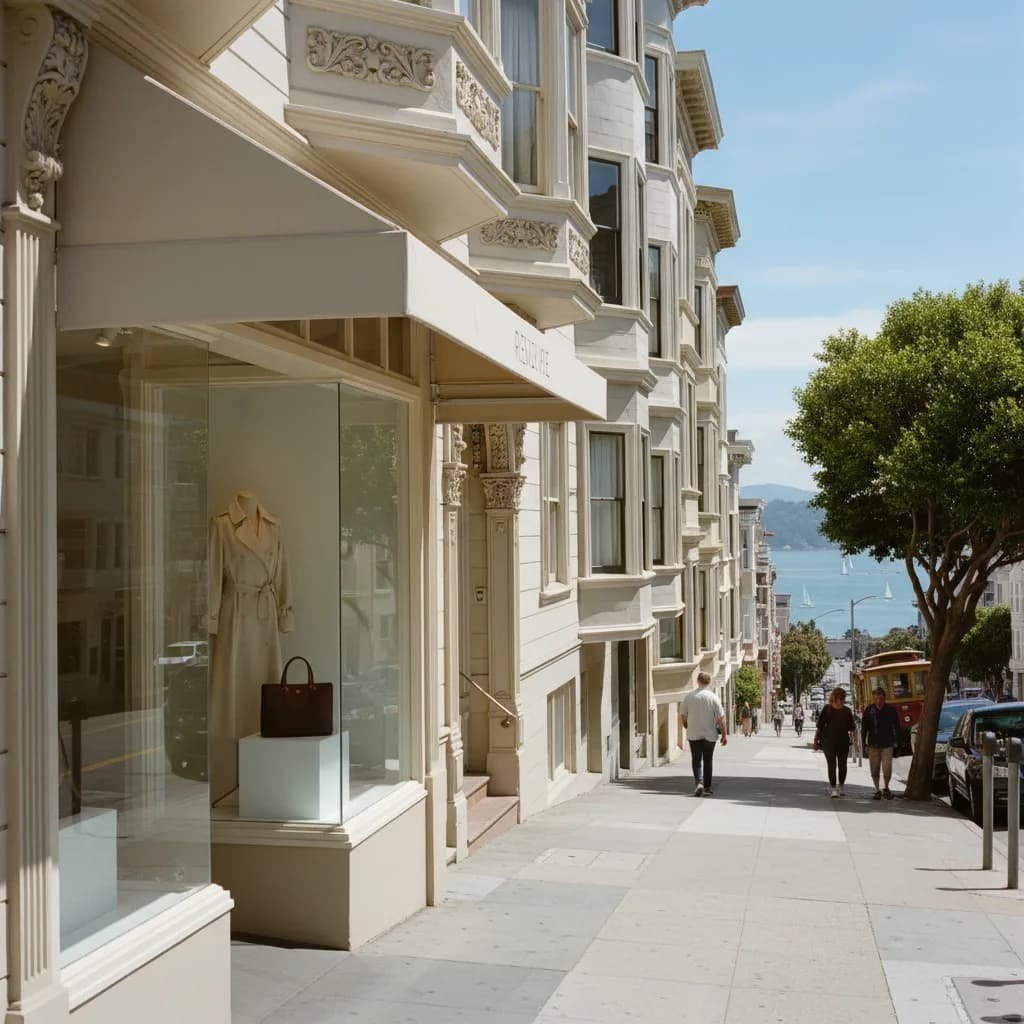
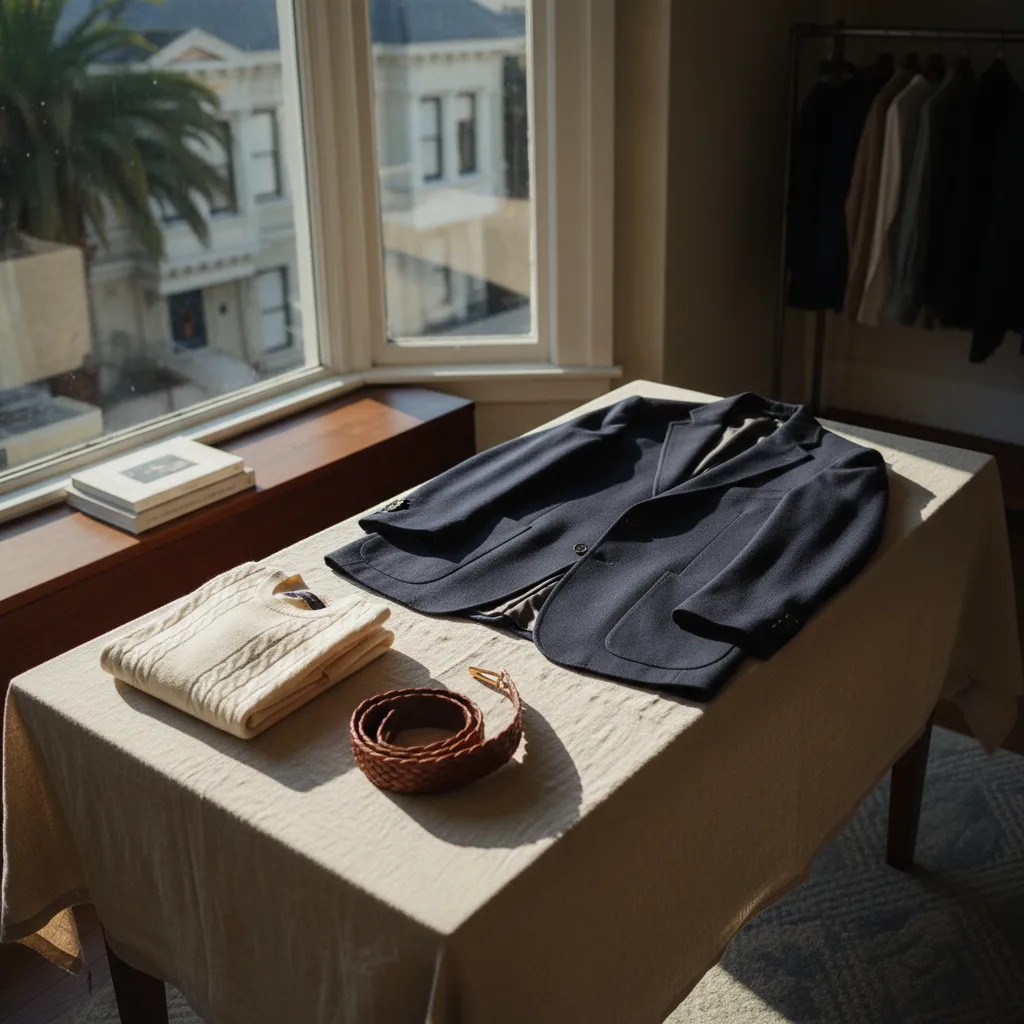
If your idea of curated secondhand clothing leans toward a barely worn cashmere crewneck, a structured leather tote or a navy blazer cut by a European house, Upper Fillmore Street in Pacific Heights is the San Francisco stretch built for that kind of search. The commercial spine runs roughly from Bush Street north toward Jackson Street, lined with Edwardian and Victorian buildings whose ground floors hold boutiques, bakeries, wine bars and a cluster of resale and consignment shops. Because the surrounding hillside is one of the city's wealthiest residential neighborhoods, closets here turn over pieces that rarely show up in ordinary thrift stores, and the shops that take them in tend to edit hard, display sparingly and price by label, fabric and condition.
Why Upper Fillmore Attracts Designer Resale
Pacific Heights sits on a ridge between the Western Addition and the Marina, and the streets crossing Fillmore, from Sacramento up to Washington and Jackson, are lined with grand single-family homes, apartment houses and mansions overlooking the bay. Households here buy well and edit often, which keeps a steady supply of quality garments moving into nearby consignment racks. That supply, rather than any single famous store, is what makes the corridor reliable. Selection changes weekly, so the shopper who drops by regularly sees far more than the visitor who comes once a year.
The atmosphere is different from the bohemian vintage strips elsewhere in town. Window displays on Fillmore lean minimal: one coat on a form, a handbag on a plinth, a pair of loafers angled toward the light. Inside, racks are usually sorted by category and size, sometimes by designer, and staff often know exactly which pieces arrived that week. Expect a calm, almost gallery-like pace, and plan your morning as an unhurried survey rather than a frantic dig.
Consignment, Vintage and Charity Resale: Choosing Your Lane
Not every secondhand shop on the street works the same way, and knowing the difference helps you shop with sharper expectations. Consignment boutiques sell pieces on behalf of their owners and split the proceeds, so inventory skews recent, in excellent condition and priced closer to market value. Vintage dealers buy older garments outright and sell them for their age, rarity and design history, which means you might find a 1970s suede jacket or an older silk scarf with hand-rolled edges. Charity resale shops, run to support a nonprofit, often mix both and can surprise you with unexpected quality at gentler prices.
Decide before you leave home which lane matters most today. If you need a polished work wardrobe for an upcoming job, consignment racks with current cuts and contemporary sizing save time. If you want something nobody else at the dinner party will be wearing, give vintage a longer look. If you love the thrill of the hunt and do not mind sifting, charity resale is where Pacific Heights generosity quietly shows up on the hangers.
An Authenticity Checklist for Designer Pieces
Luxury resale invites a careful eye, and a few habits protect you without requiring expert training. Start with stitching: reputable houses use small, even, consistent stitches, especially along handbag handles and the edges of leather goods. Look at hardware next; genuine zippers, clasps and buckles feel heavy and cool, with clean engraving rather than blurry stamping. Check that the brand's interior label, any serial or date code and the font all look consistent with each other and are sewn neatly rather than glued.
For tailoring, turn a blazer inside out and look for a floating chest canvas, functional buttonholes at the cuff and pattern matching where plaid or stripes meet at the seams. For knitwear, read the fiber label closely; a cashmere sweater should feel springy and recover its shape when you stretch a small section of the hem. Ask the staff how the shop authenticates higher-value items and whether a written description or receipt notes condition. Shops that welcome these questions are usually the ones worth returning to.
Condition matters as much as provenance. Inspect leather corners and handle edges for darkening and cracking, check the lining of bags for pen marks and tears, and look at the soles of shoes to understand how much life remains. A small scuff that a cobbler can fix is a negotiating point in your own head; a torn lining in an expensive bag is a reason to walk away.
Fitting Strategy for a Ridge-Top Climate
Pacific Heights weather swings between bright, sheltered mornings and brisk wind once afternoon fog pours over the ridge from the Presidio. That pattern shapes what works in a San Francisco wardrobe and what you should prioritize on the rack. Light trench coats, fine-gauge merino, silk blouses worn under cardigans and tailored trousers in tropical wool all earn their place year round. Heavy winter parkas, by contrast, rarely get worn here and usually sell slowly for good reason.
Wear thin layers on the day you shop so you can try on outerwear easily, and slip-on shoes save time in small fitting rooms. If a coat looks right, walk a few steps toward the window and raise your arms as if you were catching a cable car strap; the shoulders and back should move without pulling. For trousers, sit down in the fitting room before deciding. Ten seconds of movement tells you more than five minutes in front of the mirror.
Weekday Timing and Park Breaks Along the Ridge
The most rewarding window is a weekday morning, when the street is calm, staff have just finished setting out new arrivals and fitting rooms are free. Saturdays fill quickly with brunch lines outside the bakeries and cafés, and the summer weekend of the free Fillmore Jazz Festival takes over much of the street with stages and food booths, wonderful for music but not for careful browsing. Plan clothing errands on a different day when festivals or street fairs are scheduled.
Between shops, step off Fillmore and climb a block west to Alta Plaza Park, a terraced hilltop green with sweeping views across the city, or walk east to Lafayette Park, framed by stately homes along Washington and Gough streets. Both are good places to sit with a coffee, compare the pieces you set aside, and decide which deserve a return trip. Architecture lovers can continue east to Franklin Street, where the Haas-Lilienthal House, an 1886 Queen Anne Victorian, survives as a house museum.
Getting to Fillmore and Planning in the Karpo APP
Muni's 22 Fillmore bus runs the length of the street, and the 1 California line crosses it at California Street, so most visitors can reach the resale corridor without a car. Street parking on the side streets is tight and frequently limited by residential permits, so transit or a short walk from Japantown to the south is usually the easier choice. Coming from Japantown, you can walk north on Fillmore past Geary Boulevard and watch the street change from mid-century civic blocks to Edwardian storefronts within a few minutes.
Before heading out, open the Karpo APP and tell it what you are after, such as a quiet weekday morning for designer consignment followed by lunch near Alta Plaza Park. Karpo can help you sketch a walking order along Upper Fillmore, suggest cafés and park stops nearby, and shape a plan that matches your budget and pace. Use it as your planning companion, then let the racks, the light and the conversations with shop staff lead the rest of the morning.
Ask Karpo for more information.
Keep reading
- Bernal Heights Pottery Glaze Supply Browsing Route: Walk
 Potrero Hill Pottery Glaze Supply Browsing Route: Walk
 Mission Pottery Glaze Supply Browsing Route: Studio Walk