 Bernal Heights Pottery Glaze Supply Browsing Route: Walk
Hidden Gems & Odd Finds
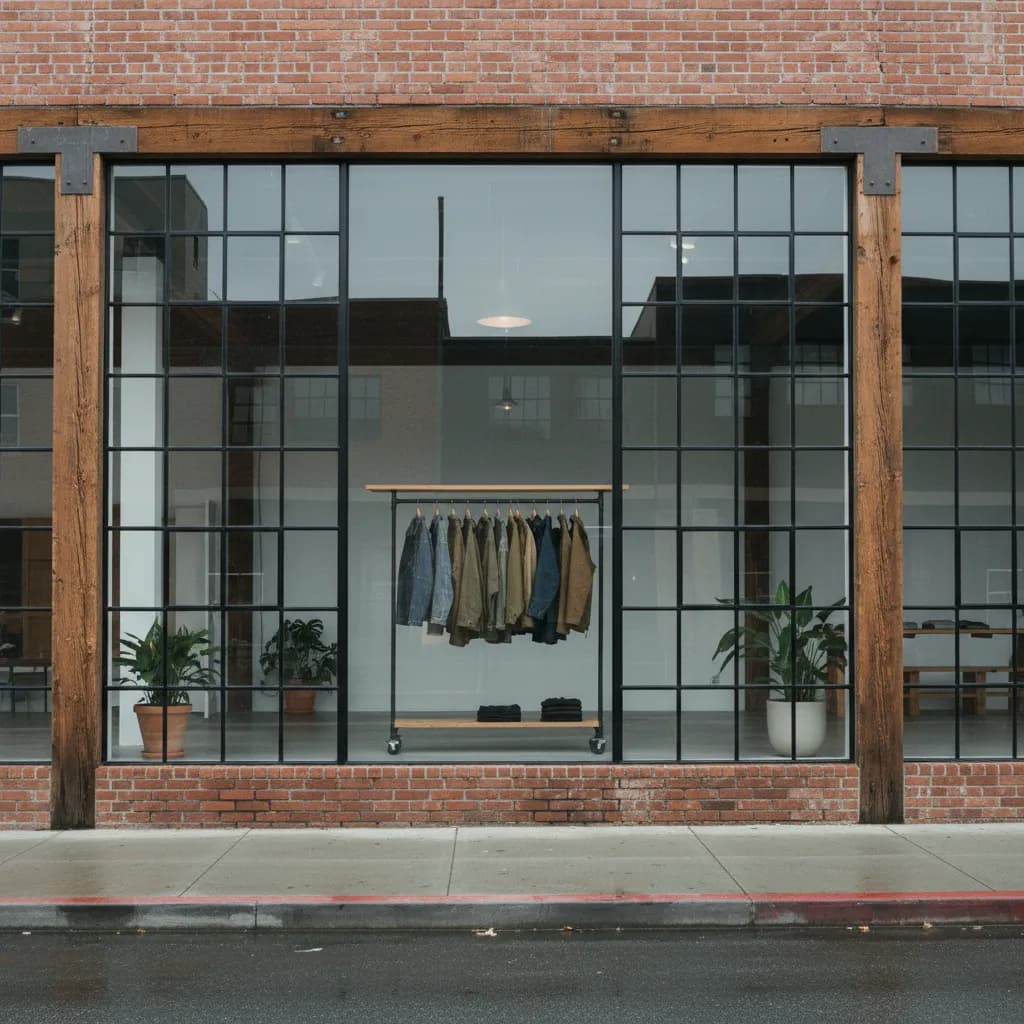
Dogpatch Curated Secondhand Clothing: Third Street Workwear
Curated secondhand clothing in Dogpatch means workwear and denim along Third Street near Pier 70. Plan a weekday afternoon and finish at Crane Cove Park.
Dogpatch is where curated secondhand clothing in San Francisco feels closest to its working roots. The small neighborhood tucked between Potrero Hill and the bay grew up around shipyards, foundries and warehouses, and much of that fabric survived the 1906 earthquake and fire that leveled so much of the city. Today brick factories, wooden workers' cottages and timber-framed lofts along Third Street, Tennessee Street and Minnesota Street hold design studios, galleries, small makers and the occasional vintage or resale space. If your taste runs to faded chore coats, raw denim, canvas work pants and boots with honest creases, this is the part of town where the clothes and the architecture finally match.
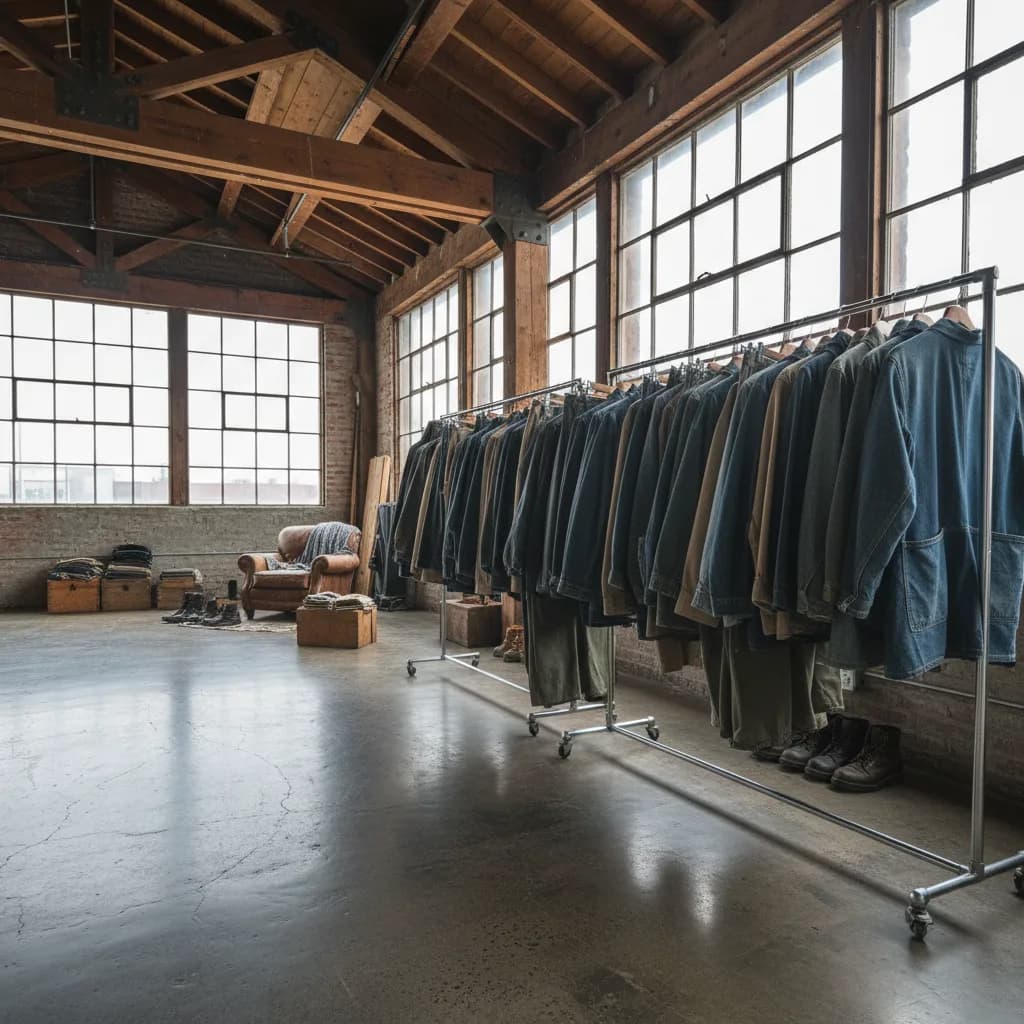
Shipyard History You Can Still Wear
The waterfront just east of Third Street is Pier 70, one of the oldest industrial shipyards on the West Coast, where Union Iron Works began building ships in the 1880s. Generations of welders, riveters and machinists walked these blocks in heavy cotton duck, denim and wool, and that utilitarian heritage is part of why workwear feels so natural here. Several historic Pier 70 buildings have been restored as part of a long-term redevelopment, and their brick walls and tall industrial windows make an evocative backdrop for anyone who loves garments built to work.
The neighborhood's residential streets help you read its age. The city designated the Dogpatch Landmark District to protect its cluster of modest Victorian-era workers' cottages and industrial buildings, many with plain flat fronts and simple cornices. Walking past them on Tennessee Street before you shop puts you in the right frame of mind: practical, sturdy and unpretentious, just like the best pieces on a well-edited workwear rail.
Reading Wear Patterns on a Chore Coat
Good workwear tells you how it was used, and learning to read that story is half the fun. On a cotton chore coat, look at the cuffs, the collar fold and the pocket edges. Soft, even fraying in those spots usually comes from years of real wear, while uniform holes in odd places suggest artificial distressing. Check the corners of patch pockets for reinforcement stitching, often a small bar tack or a triangle of extra thread, and confirm the fabric around them has not torn away from the body.
Buttons and closures are useful clues as well. Older work jackets often have metal shank buttons stamped with a maker's name, and replacement buttons that do not match each other can lower value without hurting wearability. Turn the coat inside out and inspect the seams. Flat-felled seams, where raw edges are folded and stitched twice, are a mark of durable construction; overlocked seams that are fraying loose deserve a closer look. Finally, feel the weight. Heavy canvas and duck should feel dense and stiff, softening only at the bends.
Denim, Canvas and Boots: What to Prioritize
Vintage jeans reward patience. Check the selvedge edge along the outseam if you care about older loom-woven denim, and look for natural fading at the thighs, behind the knees and around a back pocket where a wallet once sat. Inspect the crotch carefully, since that is where old denim fails first, and look at rivets and the waistband button for corrosion. Canvas work pants follow the same rules: reinforced knees, intact belt loops and a hem that has been let down or hemmed by hand are all signs of a pair worth owning.
If you find boots, flex the toe box gently and look at the welt where the upper meets the sole. A stitched welt means a cobbler can resole the boot many times, while a glued sole that is separating is usually a dead end. Smell the inside for mildew, press the heel counter to make sure it still holds its shape, and try both boots on before deciding, since leather that has molded to someone else's feet can feel very different left and right.
Curated shops in this district rarely carry huge volume, so prioritize the categories you actually wear. One great jacket you reach for every foggy morning beats a pile of interesting pieces that sit in a closet. Keep a running note of measurements from garments you already love, and compare against each find before buying.
Weather, Timing and Pacing Your Afternoon
Dogpatch sits on the sunnier, more sheltered east side of the city, but bay wind can still kick up along the waterfront in the afternoon. Dress in layers you can remove for trying things on and carry a tote large enough to hold a heavy coat. Weekday afternoons are relaxed, with studio workers taking coffee breaks and few visitors, while weekends bring more people to the cafés, breweries and galleries along Third and Minnesota streets.
Small studios and pop-up vintage spaces in industrial districts sometimes keep irregular schedules, so plan a flexible loop rather than a fixed checklist. If one door is closed, the neighborhood has plenty to fill the gap: the Minnesota Street Project, a set of converted warehouses housing contemporary art galleries, sits a short walk west of Third Street, and its free exhibitions make an easy detour between shops.
Crane Cove Park and the Waterfront Finish
End the afternoon at Crane Cove Park, the waterfront park that opened in 2020 at the edge of Pier 70. Two restored shipbuilding cranes tower over a small beach and lawn, and the view across the bay makes a fitting close to a day spent among old work clothes. It is a good spot to unfold a new jacket, check it once more in natural light, and decide whether it earns a permanent place in your wardrobe. Esprit Park, a leafy neighborhood green a few blocks inland, offers a quieter alternative if wind picks up at the water.
Getting to Dogpatch and Planning with the Karpo APP
The Muni T Third Street light rail runs directly along Third Street, with stops at 20th Street and 23rd Street placing you in the heart of the district. Caltrain's 22nd Street Station sits at the western edge of the neighborhood, convenient if you are coming from the Peninsula. Street parking is easier than in denser parts of town, though construction around Pier 70 can change curb access, so transit is the simplest choice.
Before you set out, open the Karpo APP and describe your plan, such as a weekday afternoon hunting vintage workwear followed by a drink near the waterfront. Karpo can help you sketch a walking order through Third Street, Tennessee Street and Minnesota Street, suggest nearby cafés, galleries and parks to round out the route, and shape a plan around your pace and interests. Then step off the train, follow the brick walls toward the bay and let the old shipyard district do the rest.
Ask Karpo for more information.
Keep reading
- Bernal Heights Pottery Glaze Supply Browsing Route: Walk
 Potrero Hill Pottery Glaze Supply Browsing Route: Walk
 Mission Pottery Glaze Supply Browsing Route: Studio Walk