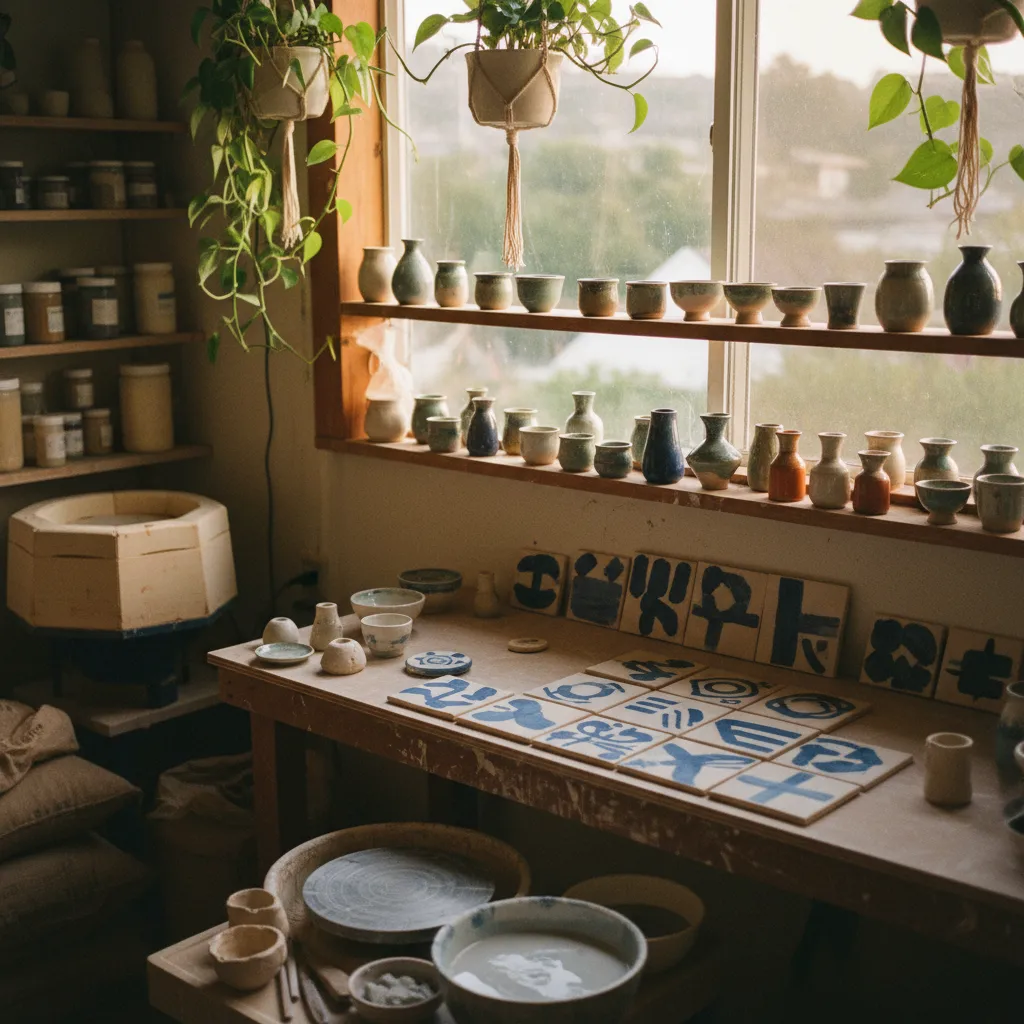
 Bernal Heights Pottery Glaze Supply Browsing Route: Walk
Hidden Gems & Odd Finds

SF Craft Class Shortlist: Choose What You Bring Home
Build an SF craft class shortlist around what happens to the object afterwards. Balance usefulness, style, finishing and carrying before picking a project.
Picture the object after the workshop. Does it live on your desk, become a gift, travel in a suitcase or sit on a shelf while you decide where it belongs? That small thought changes a San Francisco craft class shortlist. The most attractive activity photograph may show something you would never use or want to carry. Start with the object's future instead. In the Karpo APP, you can describe the result you would enjoy keeping and ask for help comparing project directions, without treating a sample image as a promise of what your own hands will produce.
Give the object a job
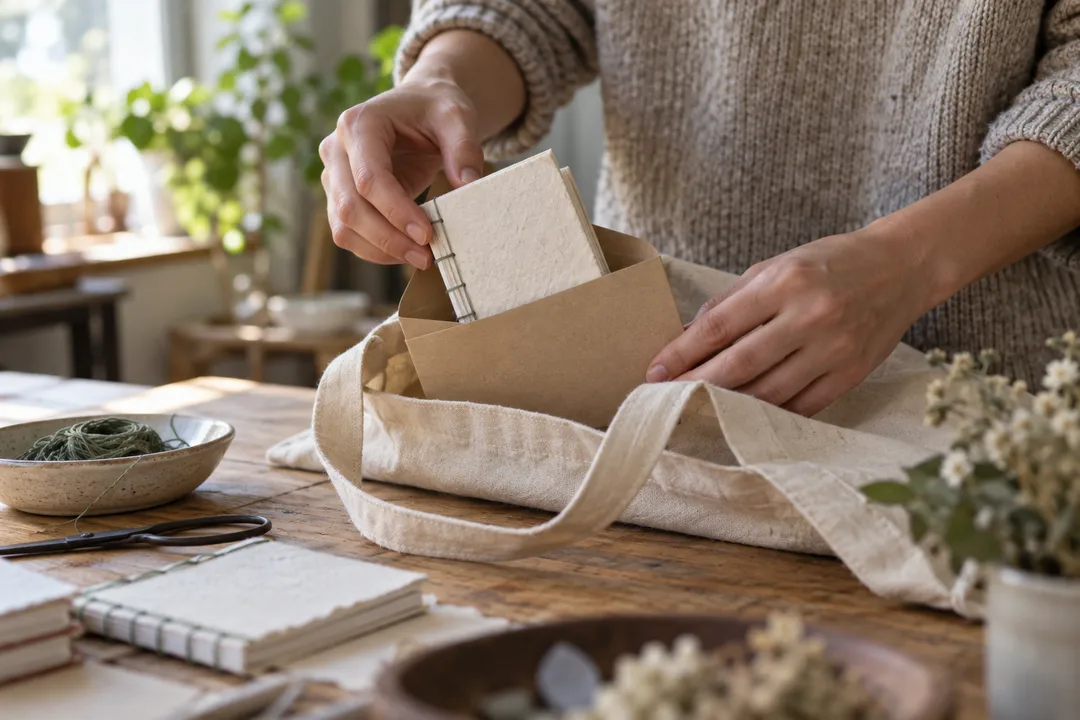
Choose a use that is specific enough to guide you. A place for small everyday items, a paper book for sketches, a textile accent or a personal card suggests different possibilities from a general desire to make something beautiful. You are describing an intended use, not certifying that every handmade object in a category is fit for it. If the use involves food, heat, skin contact or washing, the actual materials and finishing process matter. Establish those details for the particular project before relying on the result for that purpose.
A purely decorative piece also deserves a destination. Think about the size of the space where you would display it and whether you prefer something subtle or expressive. This can prevent an afternoon's enthusiasm from becoming an object you feel obliged to keep. You can enjoy learning a process without wanting a large souvenir. A small study or a sample may be the more satisfying outcome if your main interest is understanding how a technique works rather than adding another prominent item to your home.
Separate personal choices from the basic construction
Decide what part of the finished piece needs to feel like yours. Is it the color combination, the shape, a pattern, a message or the material itself? A prepared project with a few well-chosen decisions can feel highly personal. A more open construction process can offer freedom while asking you to solve more problems. Look at where a real lesson places that freedom. Choosing the surface of an existing form is a different experience from designing the form, and either can be a deliberate choice.
When comparing sample projects, resist measuring success by whether yours would look identical. A teaching sample demonstrates a possible outcome, while your experience, choices and available working time affect your own result. Ask yourself whether you would be pleased with visible irregularities. If you want a very specific professional finish, a first encounter with an unfamiliar technique may not be the route to that exact object. You could instead make a simpler companion piece and enjoy the learning without loading it with a difficult design brief.
Follow the finishing process all the way through
The end of the making session and the moment an object is ready to use can be separate. For any candidate, identify what the provider says about completion, collection and transport. Do not assume an item leaves with you because the promotional image shows it finished. Nor should you assume that every project in a medium requires another visit. The class's own description needs to establish the arrangement. This is especially relevant when you have only one free afternoon in SF or are leaving the city soon afterwards.
If you cannot return, make that a firm requirement in the search brief. A potential project that needs a later collection may then be unsuitable even if you love the technique. If delivery is part of a real offer, read what is actually included instead of assuming it solves the problem. If you live nearby and enjoy the anticipation of collecting a finished piece, a return visit might be welcome. The same arrangement can be inconvenient for a visitor and perfectly pleasant for a local participant.
Think about the trip from the worktable
Consider what you will do after leaving. A compact flat object in protective packaging asks for a different plan from a bulky or delicate piece. A long evening with several stops may make you less interested in carrying anything substantial. If you are taking transit across San Francisco, describe how much you are willing to hold and whether you want both hands free. You do not need an exact route to recognize that the size and handling of a project will shape the rest of your day.
Give the object a realistic journey at home as well. A traveler may prefer something that fits inside an existing bag. Someone choosing a gift might need packaging that protects it until the handover. Someone with limited shelf space might prefer a useful textile or paper project over a display object. These are personal requirements to compare, not universal rankings of crafts. They can also make an unfamiliar medium appealing: the suitable result may come from a process you had not originally considered trying.
Use the gift test before choosing a present
Making a gift adds another person's preferences to the decision. Think about what the recipient likes using, the colors they would welcome and the occasion's timing. Avoid choosing a project simply because its promotional description calls it giftable. A handmade object can be meaningful without meeting the recipient's needs, and a useful object can still feel personal. If there is a fixed handover date, choose only among arrangements that establish when the piece will be ready, including any finishing stage after the lesson.
You might decide that the workshop itself would be a better shared gift than the resulting object. That changes the brief from making something for a person to choosing an experience with them. Their comfort with the materials, instruction and pace becomes central. Keep those two plans distinct. An activity selected around your enjoyment of making a surprise is not automatically the activity your friend would choose to attend, even if both plans would eventually produce a small handmade keepsake.
Turn the desired result into a practical request
Try this in the Karpo APP: "Help me compare craft activity ideas in San Francisco around the object I would keep. I want something small enough for a tote, useful on a desk and personal through color choices. I would prefer to leave with it that day. Suggest project directions and explain which completion details I need from actual listings." Replace the object requirements with your own. The request starts a planning discussion; it does not establish that a matching class or place is available.
For practical notes, keep your selection record centered on the object: intended use, dimensions if published, choices you make, finishing method, collection arrangement and how you would carry it. Add the provider's stated material and care information where relevant. Leave an unknown detail unanswered until it has a real answer. Once two candidates meet those requirements, let enjoyment of the process decide between them. The piece you bring home will then reflect both an afternoon you wanted and a place for it in your life.
Ask Karpo for more information.
Keep reading
- Bernal Heights Pottery Glaze Supply Browsing Route: Walk
 Potrero Hill Pottery Glaze Supply Browsing Route: Walk
 Mission Pottery Glaze Supply Browsing Route: Studio Walk