 Bernal Heights Pottery Glaze Supply Browsing Route: Walk
Hidden Gems & Odd Finds

SF Craft Class Shortlist: Make Solo or Meet People
An SF craft class shortlist can favor quiet focus or easy conversation. Choose the room, pace and teaching format that match how you want to spend your time.
Going to a workshop alone and spending the afternoon in silence are two different choices. So are booking with friends and choosing a highly social class. If you are building a San Francisco craft class shortlist, first decide what kind of company you want while your hands are occupied. You might want gentle contact with unfamiliar people, uninterrupted concentration, or an activity that gives an existing friendship something new to talk about. Describing that distinction in the Karpo APP gives the planning conversation a direction that a broad request for a fun workshop cannot.
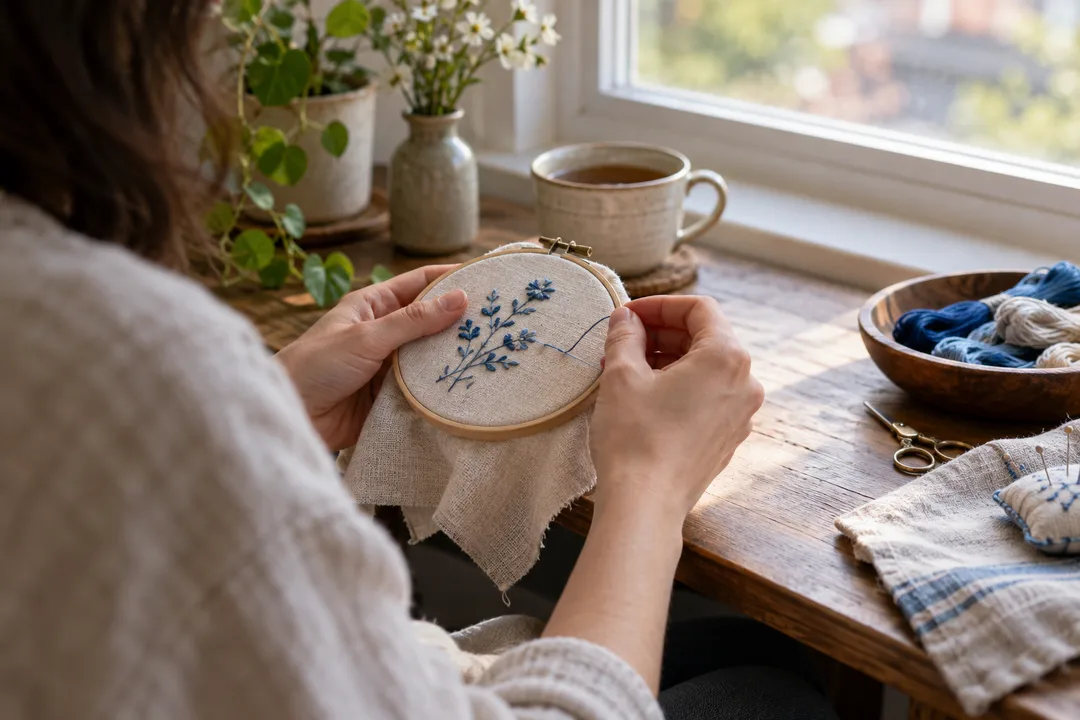
Start with the energy you want to leave with
Imagine the end of the afternoon. Would you like to feel restored by concentrating on one thing, pleasantly animated by meeting people, or closer to someone you already know? All are reasonable goals. The same craft could serve them differently depending on the arrangement of the session. A detailed demonstration followed by independent work asks for a different kind of attention from a collaborative project. Let the desired feeling guide your search before becoming attached to a particular material or an attractive studio interior.
Be honest about how much conversation you want to initiate. A workshop offers a common subject, but the presence of a table and supplies does not guarantee new friendships. You may enjoy exchanging a few observations without wanting introductions or group sharing. You may prefer a format that explicitly brings participants together. These preferences help identify the right questions to ask about a real class. They also keep you from judging a calm learning session by a social outcome it never promised to deliver.
Going alone can still include company
If you want to attend by yourself, put that in your brief. Ask for activity ideas suited to an individual participant, then look at how the actual provider describes participation. A class sold by individual places is different from a private group package. Neither a photograph of laughing friends nor a phrase such as creative community establishes how a newcomer joins. The relevant detail is whether you can book one place and what happens during the session, including demonstrations, independent work and any paired tasks.
Consider where your attention naturally goes when you are nervous. A visible sequence of steps might make a new room easier because you have something concrete to do. A loose design brief might feel welcoming because it lets you work at your own pace. If you like starting conversations around objects, a project with several choices can provide an ordinary opening: asking about a color or noticing a pattern. Treat that as a possibility you may enjoy, rather than a requirement to perform sociability throughout the class.
Quiet focus needs more than an empty chair
For an afternoon centered on concentration, describe the conditions that help you settle. You may prefer a single technique, a limited palette or a task that can absorb attention without constant decisions. You might also want a clear explanation at the start and opportunities to ask for help later. Those are different preferences from requesting an empty or silent studio. In an actual shared class, other people and instruction remain part of the experience. Choose a format that fits the level of interruption you welcome.
Material and technique can shape the sort of focus you are seeking, but avoid making the category do all the work. An embroidery idea could involve a simple repeat or an intricate design. A paper project could be open exploration or a closely directed sequence. Ask what you would do during the lesson, rather than assuming that all textile work is meditative or all group printing is lively. The practical comparison is between specific session descriptions once you have them, not personality stereotypes attached to crafts.
With friends, protect the shared afternoon
An outing for two or three friends can work well when everyone has a personal project. You have something to compare without depending on each other to complete the same object. If you would enjoy making one shared piece, say that instead. Discuss how much talking you want to do during instruction, whether different finishes are appealing and whether anyone feels uncomfortable displaying unfinished work. A relaxed conversation before choosing can prevent the most enthusiastic maker from accidentally selecting a format everyone else merely tolerates.
Keep the time around the activity open enough for the kind of connection you want. If the workshop is the main event, you may want a meal or a walk afterwards where conversation has room to continue. If you are meeting after a tiring workday, a simpler outing may be more appealing. In San Francisco, state whether the group is already gathering in one neighborhood or arriving separately. You do not need to choose a route yet; you do need to know whether the travel itself would make the invitation feel easy.
Compare two social formats in conversation
You can begin in the Karpo APP with this request: "I am planning a creative afternoon in San Francisco and will probably go on my own. I would like some easy conversation, but I do not want a party atmosphere or a project that depends on a partner. Compare a guided individual project with a more collaborative workshop idea. Explain what I should look for in the session description." This asks for help thinking through the fit without assuming that either format has a suitable class running on your date.
For a friend outing, change the emphasis: "There are three of us, and we would like enough structure to get started but freedom to make different things. We care more about spending time together than producing identical results. Help us narrow the kind of craft session to look for." Reply with whichever suggestion feels closer and explain why. The useful part of a conversational shortlist is the chance to refine that preference, not the size of the first list or the confidence of its presentation.
Practical notes about the room you are choosing
Before turning a candidate into a commitment, establish the participation format, teaching arrangement and any stated rules that affect the afternoon. If sound, crowding, seating or access matters to you, describe the specific need to the provider. A room shown in promotional photography is only a glimpse of a place. It does not establish the group size or setup for your session. If an answer is missing, leave it as a question rather than assuming the most comfortable interpretation.
Finish with one sentence that captures the outing you want. It might be an independent project in friendly company, focused practice with occasional guidance, or a shared experiment with close friends. Use that sentence to choose among real offers and to continue your conversation with Karpo. A social goal can be modest and still worthwhile. You can leave with a small object, a new technique and a pleasant exchange without needing the afternoon to become a life-changing introduction to an entirely new circle.
Ask Karpo for more information.
Keep reading
- Bernal Heights Pottery Glaze Supply Browsing Route: Walk
 Potrero Hill Pottery Glaze Supply Browsing Route: Walk
 Mission Pottery Glaze Supply Browsing Route: Studio Walk