 Bernal Heights Pottery Glaze Supply Browsing Route: Walk
Hidden Gems & Odd Finds

SF Craft Class Shortlist: 5 Choices for First Timers
Start an SF craft class shortlist with the kind of help you want. Compare five decisions before choosing a first project that feels manageable and enjoyable.
A beautiful handmade bowl can make you want to book a class immediately. It tells you very little about how you would feel making one. For your first San Francisco craft outing, begin with the experience you want at the table: clear demonstrations, room to make mistakes, a manageable task and enough time to ask questions. A useful craft class shortlist translates that wish into a few concrete choices. You can take those preferences into the Karpo APP and ask for activity ideas before committing to a particular medium or course.
Choose a motion you would enjoy repeating
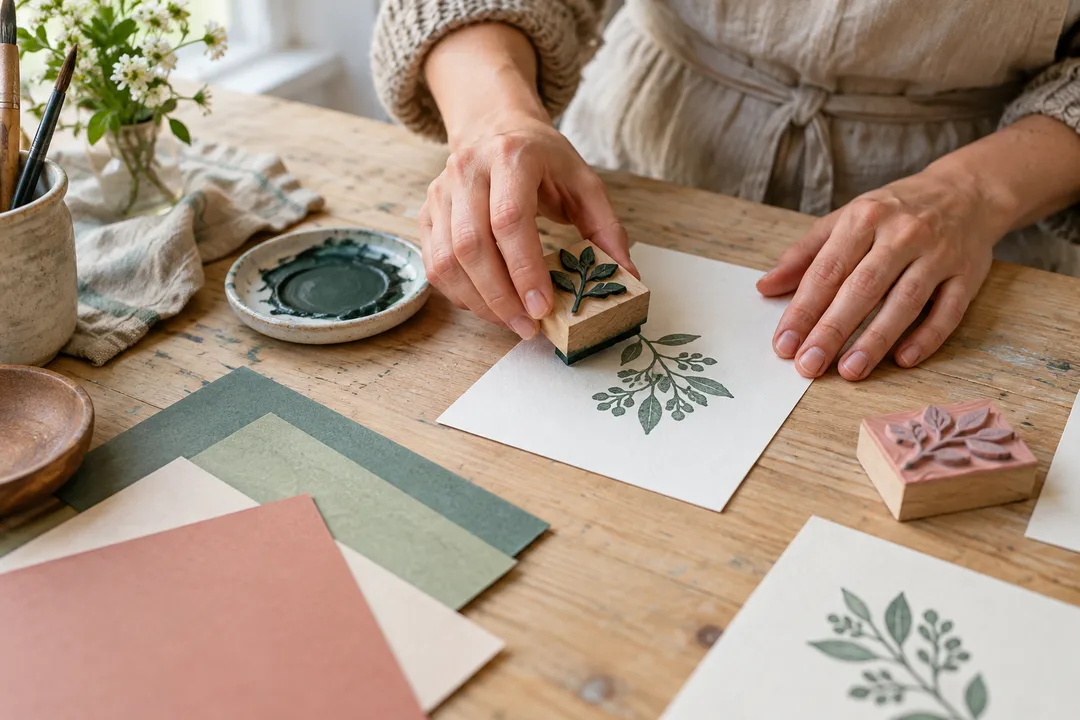
Think about what your hands would be doing for much of the session. Would you enjoy arranging colors, pressing a shape, pulling thread or carefully joining pieces? These descriptions can be more revealing than a category such as art or design. Someone who likes choosing combinations might prefer a project with several visual decisions. Someone who wants a quieter rhythm might gravitate toward a repeated movement. Neither preference says anything about talent. It simply gives you a better starting point than picking the most impressive finished photograph.
Try describing an ordinary task you already like. You might enjoy wrapping gifts neatly, mending a small tear, arranging flowers or cutting paper into shapes. Use that pleasure as a clue, without assuming the corresponding craft will feel identical. Ask for two familiar directions and one unfamiliar idea. That gives you a little discovery while keeping the comparison understandable. For a first attempt, curiosity is enough; you do not need to identify a lifelong hobby before spending an afternoon making something.
Decide how much guidance feels comfortable
Beginner friendly can mean different things to different people. You may want a demonstration before every stage, an example left on the table, or space to try something after a short introduction. Name the teaching arrangement you prefer rather than relying on the label alone. When reading a real course description, look for an explanation of what participants learn and what experience they need. A session designed around independent practice would be a different choice from one that introduces a technique from the beginning.
Also separate instruction from personal attention. A small group does not by itself establish how much individual help is included, and a private lesson is not automatically the experience you want. Perhaps watching another beginner ask a question would make you more relaxed. Perhaps you would rather work without an audience. Put those feelings into your request. They are useful selection criteria, not obstacles to overcome. The aim is to choose a setting where asking a basic question feels like an ordinary part of learning.
Pick one satisfying result
For a first session, describe what would count as a good afternoon in language you can actually assess. Learning one stitch, understanding a simple printing process or finishing a modest paper object are examples of bounded goals. They are ideas for comparing formats, not claims about courses currently offered in SF. A complicated result can be appealing, but it can also hide several techniques behind a single photograph. Ask what part of the process you would personally perform and what preparation would already be done.
A prepared format can be exactly right if you want an easy introduction. You might choose colors and practice assembly while the material has already been measured or cut. Another person may specifically want to learn preparation as well. Neither choice is more authentic for everyone. Be clear about which stage interests you. You can then distinguish a project focused on decoration from a lesson focused on making an object from raw material, without treating one as a disappointing version of the other.
Give the first attempt a comfortable boundary
Set a personal spending limit for the whole outing before comparing individual listings. Include your willingness to pay for materials or finishing if these are separate parts of a real offer. No price is supplied here because the relevant amount belongs to the particular class you choose. A cheaper headline figure is not useful if it describes a different package. Your shortlist should record what each published price includes, while keeping any unanswered cost question visible rather than filling it with an estimate.
Time deserves a similar boundary. Decide whether you want a short experiment or a substantial part of the day devoted to learning. Include your own margin for reaching the venue and leaving comfortably. If you live on the western side of San Francisco, say so instead of accepting every suggestion anywhere in the city. If you are already spending the afternoon in another neighborhood, use that as your starting point. These preferences help turn an appealing craft into an outing you would actually choose.
Write a request that gives Karpo something to work with
Here is an example to adapt in the Karpo APP: "I want to try a craft in San Francisco for the first time. I like arranging colors and working with paper, but I am open to another material. I would enjoy clear demonstrations and a small, achievable project. Help me compare three activity ideas and explain what kind of first lesson would suit each one." Add your preferred area, available day and personal budget when you are ready to narrow the discussion.
Use the next message to explain your reaction. If an idea sounds too precise, say that you want more freedom to experiment. If another sounds too open, ask for a project with a clearer sequence. This is more productive than requesting another long list without identifying what felt wrong. Karpo's public site invites people to describe their mood and work around their schedule. Use that conversational starting point to sharpen your brief; a suggested direction still needs a real provider and a suitable published class before it becomes a booking.
Practical notes for choosing the actual session
Once you have candidate listings, read the description as a beginner rather than as someone admiring the result. Identify any stated prerequisites, the technique taught, materials included and completion arrangements. Notice whether the object leaves with you or requires another step. If you have an access need, a sensitivity to a material or a limit on standing, make that a specific question for the provider. A generic photograph of a studio cannot establish whether that session meets your needs.
Keep two possible activities after this review, then choose the one you feel most curious about trying. There is no need to rank every craft in San Francisco. Your first lesson can be a small experiment with a clear reason behind it. Save the description of what appealed to you and what support you wanted. Whether you repeat the craft or try something else next, that information gives the next conversation a better beginning than starting again with the broad request to find something creative.
Ask Karpo for more information.
Keep reading
- Bernal Heights Pottery Glaze Supply Browsing Route: Walk
 Potrero Hill Pottery Glaze Supply Browsing Route: Walk
 Mission Pottery Glaze Supply Browsing Route: Studio Walk