 Stonestown Winter Farmers Market Picker for Student Cooks
Weekend Plans
CCA Wattis Contemporary Art Space: Free Potrero Hours
CCA Wattis turns a free Potrero Hill gallery visit into a compact afternoon of experimental exhibitions, campus architecture, and careful looking.
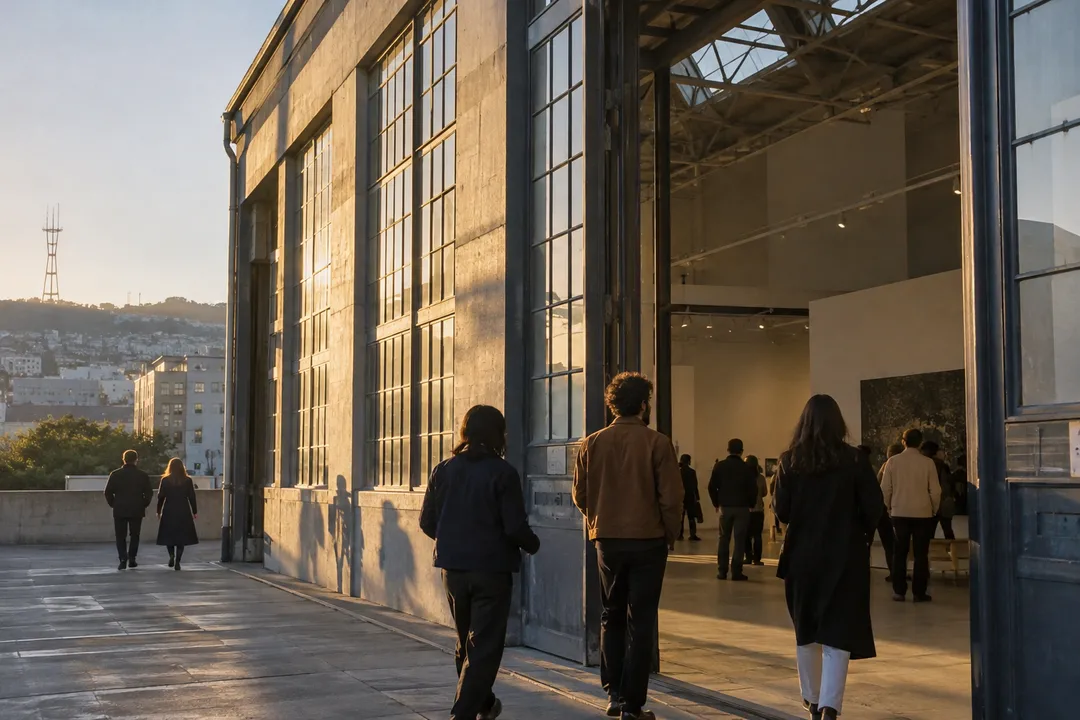
CCA Wattis Institute is a useful answer to a San Francisco contemporary art space search when you want a free exhibition with a real change of pace from the commercial gallery circuit. The official visit page places it at 145 Hooper Street, Level 2, San Francisco, CA 94107, and lists public gallery hours Wednesday through Saturday, noon to 6pm. It is on the California College of the Arts campus, so the visit begins with a small practical ritual: bring an ID, use the main gates, tell the security window you are visiting the Wattis, and then follow the outdoor stair or elevator upstairs.
Start With the Campus Threshold
The address matters because the Wattis does not feel like a street-front gallery you can casually discover between errands. Its campus setting creates a short threshold between Dogpatch’s working-city texture and the exhibition rooms. On a first visit, arrive with enough time to read the show rather than treating the gallery as a quick photo stop. The institute describes itself as a place for contemporary art, research, and public programming, and that combination is visible in the way an exhibition can lead you toward a talk, a publication, or a question that does not resolve at the door.
Read the Room Before Choosing a Favorite
The rules at Wattis are simple but worth making explicit. Sign in at the campus security window, follow staff instructions about bags and photography, keep a respectful distance from objects, and do not touch an artwork unless the room specifically invites it. This is a working educational campus, not a late-night drop-in venue. If you need an accessibility accommodation, contact the institute before arriving, its visit page directs visitors to ask for assistance rather than leaving the request to the moment of entry.
Treat the Calendar as Part of the Work
A noon arrival is the cleanest way to see the rooms before the afternoon builds. Wednesday through Friday gives you the widest stretch of midweek quiet, while Saturday can feel more social if an event or campus activity is scheduled. There is no reason to invent a timed-ticket system here: the official page says the galleries are open to the public and free. The useful planning question is instead whether the current exhibition deserves twenty minutes or a full hour. Give yourself the longer option when the installation uses sound, archival material, or a room that changes as you move through it.
Build a Dogpatch Walk Around the Show
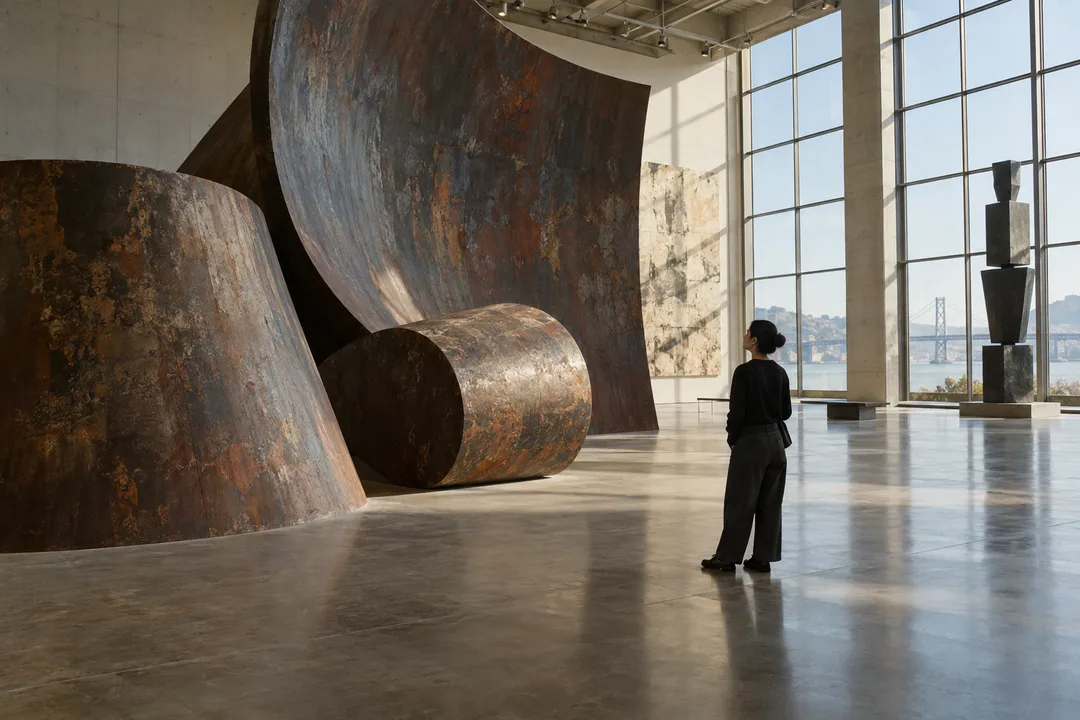
What to look for first is not a single must-see object but the exhibition’s organizing idea. Wattis programs often ask how artists use research, images, language, or institutional history, so start by reading the introductory wall text and then walk the perimeter once before choosing a favorite work. A large installation may look obvious from the entrance and become more legible from the side. If you are with a friend, split up for ten minutes and meet again near the exit, comparing what each person noticed is more rewarding than trying to agree on a ranking in real time.
Who Gets the Most From Wattis
The institute’s public identity is larger than a gallery schedule. Its official site links exhibitions and research with events, education, library activity, and a Capp Street Project, which means a visit can be planned around a lecture or opening rather than only around the standing hours. Check the individual event page before making a special trip. A program may have its own registration or arrival instructions, and a campus event can change the feeling of the building even when the gallery hours stay the same.
Practical Notes for a Free Visit
A good Dogpatch route begins with the Wattis and stays deliberately compact. After leaving 145 Hooper Street, walk slowly toward the neighborhood’s converted warehouses and newer residential blocks, using the contrast between industrial surfaces and new construction as a second chapter to the exhibition. Continue toward the Third Street corridor if you want coffee or a meal, or turn toward the waterfront when the weather is clear. The point is not to stack five more attractions onto the day, it is to give the ideas from the gallery a little space to settle.
When Another Art Stop Makes More Sense
If you are deciding when to go, avoid arriving five minutes before the listed 6pm close. A contemporary exhibition can be entered near closing, but the practical experience becomes rushed once you account for campus entry, the second-floor route, and reading time. I would also skip a Saturday detour built around an unconfirmed event. Use the official calendar for the actual program, and use the standing Wednesday–Saturday schedule only for the galleries. That small distinction prevents a long transit ride from becoming a locked-door story.
A Final Practical Check
The people who tend to enjoy Wattis are curious students, designers taking notes, artists who want to see how a research-heavy show is framed, and visitors who prefer one concentrated exhibition to a museum marathon. A quiet visitor can take the rooms slowly without feeling out of place. The unspoken rule is to let the work have its own volume: keep conversations low, do not block a narrow sightline while discussing a piece, and make room for someone who is reading the same label from the other side.
Practical notes are unusually important here. The official page gives the full address as 145 Hooper Street, Level 2, San Francisco, CA 94107, lists Wednesday–Saturday, 12–6pm, says admission is free. It also explains that visitors enter through the main gates, sign in at a security window, and use the outdoor staircase or first-floor elevator. Save the official visit page in Karpo APP so you have those arrival instructions with the exhibition link, not just a pin dropped on the campus.
The honest comparison is with a museum, not with a retail gallery. Wattis gives you a smaller footprint and a more focused program, but it asks you to plan around campus access and the current exhibition’s rhythm. If you want a free visit with less transit complexity, YBCA has Wednesday free admission downtown, if you want a broader museum collection, SFMOMA is the better fit. Choose Wattis when the appeal is a carefully argued contemporary show and the chance to see how an institution turns research into a public room.
Before leaving, check the exhibition page and any holiday notice rather than assuming the weekly hours cover every date. The official visit page includes closure information and campus directions, and the institute’s contact line is available for accessibility questions. A little preparation pays off because the gallery itself is intentionally uncluttered. The best afternoon here is not the one with the most stops, it is the one where you arrive prepared, look closely, and leave with one idea strong enough to carry into the walk back through Dogpatch.
Put the address, free-admission rule, and campus-entry instruction together in Karpo APP before you leave. That small bundle is more useful than a generic list of galleries because it preserves the detail that makes Wattis different: the security window, the second-floor route, and the Wednesday–Saturday schedule. When the practical pieces are clear, the visit can stay focused on the art instead of on whether you are standing at the right gate.
The final judgment is simple: Wattis is worth the trip when you want one thoughtful, free exhibition and can spare a little attention for the campus setting. It is not a place to rush through for a landmark photograph. Arrive during the listed hours, read the current program, respect the room, and let the walk through Dogpatch finish the argument. That combination gives the contemporary art space a local texture a generic gallery list cannot provide.
Ask Karpo for more information.
Keep reading
- Stonestown Winter Farmers Market Picker for Student Cooks
 Clement St Winter Farmers Market Picker for Lunar New Year
 Fort Mason Winter Farmers Market Picker for Citrus Bakers