 Bernal Heights Pottery Glaze Supply Browsing Route: Walk
Hidden Gems & Odd Finds
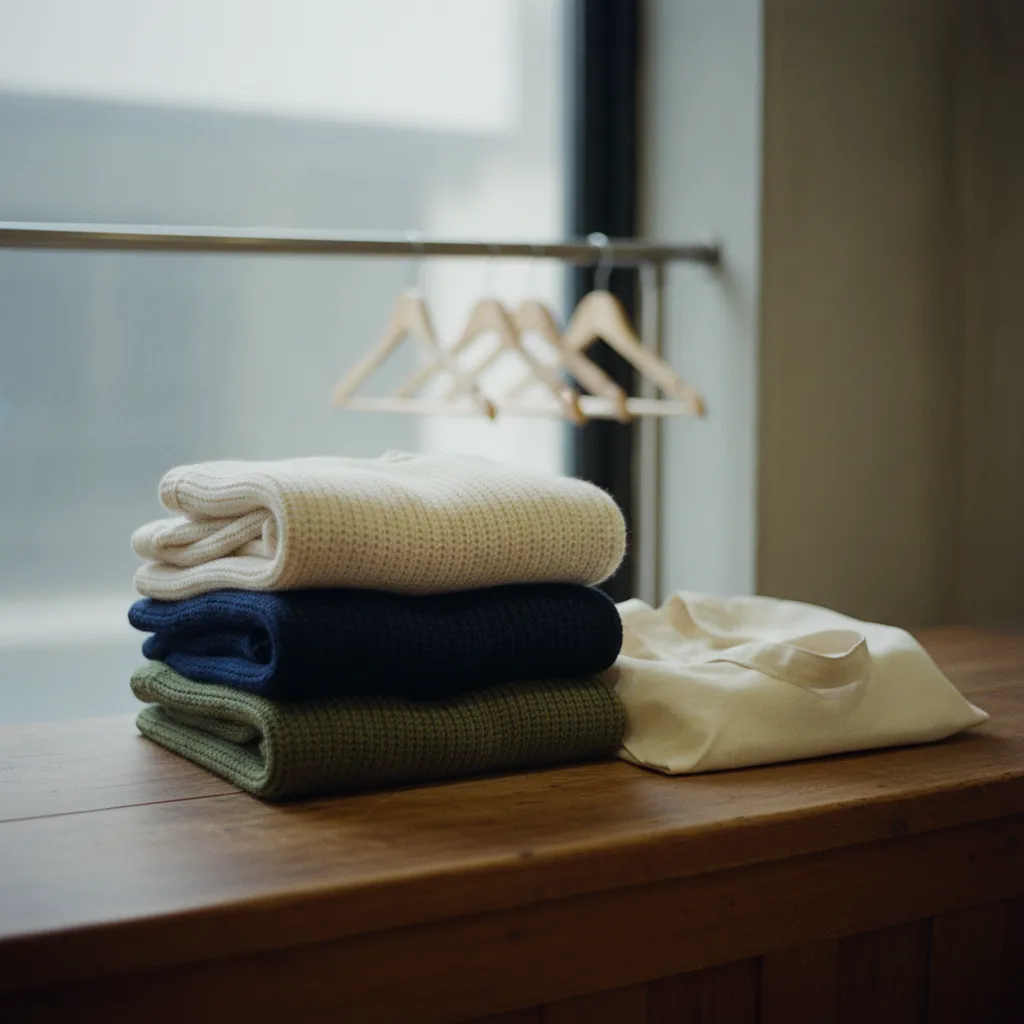
Richmond District Consignment Shop Crawl Planner: Sell First
Plan a Richmond District consignment crawl that starts with your own closet: drop off a bag on Clement, shop with credit in mind, then end in Golden Gate Park.
A Richmond District consignment shop crawl planner works best when you treat the day as a trade rather than a spree. Most people walk into a consignment shop as buyers. In the Inner Richmond, with its long commercial stretches on Clement Street and Geary Boulevard and a population that dresses for fog all year, it makes more sense to arrive as a seller too. You carry in the coats and knits you stopped reaching for, a buyer looks them over, and you leave lighter. Then you shop the rest of the neighborhood knowing exactly what a consignment buyer wants, which turns out to be the best training there is for spotting the good racks. The walk ends among the cypress trees of Golden Gate Park, a short stroll south of the shopping streets.
Why the Fog Belt Makes a Good Consignment Neighborhood
The Richmond sits in the part of San Francisco where summer often feels like November. Residents own a lot of outerwear: wool coats, rain shells, fisherman sweaters, heavy scarves, good boots. Those pieces last for years, and when people move or change style they rarely throw them out. They end up on consignment and resale racks, which means this side of the city tends to carry warmer, sturdier clothing than the sunny Mission or the polished shops downtown.
There is also a long tradition of family households here, many of them multigenerational, which shows up in the home goods you find tucked between clothes: serving bowls, tea sets, framed prints and linens. A consignment crawl in the Richmond can easily turn into half a wardrobe errand and half a kitchen errand, and that mix is part of its charm.
Edit Your Closet the Night Before
The night before, pull out everything you have not worn in a full year. Separate it into three piles: pieces that are clean and in season, pieces that need a wash or a button, and pieces that belong in a donation bag. Only the first pile goes to consignment. Buyers look for current styles, intact seams and no stains, and a carefully edited bag earns far more goodwill than a stuffed one.
Fold everything neatly, empty every pocket and put shoes in a separate bag. If a coat came with a belt or a spare button, tuck it inside. These small habits matter more than you might think, because a buyer sorting through dozens of bags a day will remember the person who made the job easy, and that memory can help next time you bring something in.
How Consignment Drop-Off Usually Works
Every shop runs its own system, so read the policy card at the counter or ask before you hand anything over. Some take walk-in drop-offs, some prefer appointments, and some only accept certain seasons at certain times of year. Most will tell you how the split works, how long an item stays on the floor and what happens to pieces that do not sell, whether they come back to you or go to charity.
Ask whether you can take your share as store credit instead of a payout. Many shops offer a better rate on credit, and since you are planning to shop anyway, that credit becomes your budget for the afternoon. Keep the receipt or account number somewhere safe, because you will want it when you come back to check on what sold.
Starting on Clement Street
Clement Street is the natural spine of the crawl. It is a lively strip of bakeries, produce stands, bookstores, dim sum counters and small shops, and it rewards slow walking. Do your drop-off first while your arms are still full, then work your way along the street without a fixed plan. Duck into anything that looks like resale, vintage or a neighborhood boutique with a secondhand rack in the back.
Because you just watched a buyer sort your clothes, you will start seeing racks differently. Notice which brands and fabrics the shop put out front, how they price outerwear compared with tops, and which pieces have obviously been sitting a while. That quick education makes it easier to separate a genuine find from a tired piece that just happens to be hanging under good light.

Reading a Rack Like a Buyer
Start with fabric, not size. Run your hand along the rail and stop at anything that feels like real wool, linen, silk or heavy cotton. Pull it out, check the inside label for fiber content and care instructions, then look at the seams, the lining and the underarms. In the fog belt, a lined wool coat with clean seams is worth far more of your attention than a trendy synthetic jacket.
Then check the hardware. Zippers should run smoothly, buttons should be firmly attached and any snaps should close without a fight. Hold the piece up to the window light to look for moth holes or faded patches along the shoulders. If everything passes, try it on, even if the size looks wrong. Older garments often run differently from current sizing, and the fit can surprise you.
A Midday Break the Richmond Way
Shopping on an empty stomach makes bad decisions. The Richmond is one of the best eating neighborhoods in the city, so plan a proper break rather than a granola bar. Dim sum is the classic move on Clement, where you can point at carts or order from a picture menu and share small plates. Burmese, Russian and Korean spots along Geary make good alternatives if your group wants something heartier.
Use the break to sort what you have found. Lay your bags on a spare chair and ask yourself honestly whether each piece fills a real gap in your closet. If it does not, there is no shame in walking it back. The best consignment shoppers buy fewer things, not more, and the Richmond rewards that kind of restraint.
Home Goods Worth a Second Look
Many resale shops in this part of town carry homewares alongside clothes, and these shelves are easy to rush past. Slow down. Look for heavy ceramic bowls, celadon or blue-and-white tea sets, cast iron pans, wooden serving boards and table linens that have clearly been cared for. Turn ceramics over to check for chips along the foot ring, and run your finger around rims for hairline cracks.
A single good teapot or a set of mismatched bowls can change how a kitchen feels, and these pieces travel well in a tote. If you live in a small apartment, focus on things that do two jobs, like a deep bowl that works for noodles and for serving salad. Leave the large framed art for another day unless you drove.
Skip the Overloaded Bins
Some shops keep a bargain bin or a final clearance rail. It can be fun to dig, but on a crawl with a limited budget and limited arm strength, it is usually not worth the time. These pieces are discounted because they did not sell, often for a reason you will discover only after you get home, such as a stubborn stain or a broken zipper.
Spend that time on the main floor instead, where the buyer has already done the filtering for you. The one exception is accessories. A clearance basket of scarves, gloves or belts can hold real treasures, and these items are quick to inspect. Give them a few minutes, then move on before the dig turns into an hour.
Ending in Golden Gate Park
When the light starts to slant, walk south toward Golden Gate Park. The northern edge of the park is only a short stroll from the shopping streets, and the paths under the cypress and eucalyptus feel worlds away from the bustle of Clement. If the fog is in, the park turns soft and grey, and a new wool sweater suddenly makes a lot of sense.
Find a bench near one of the lakes or meadows and take stock of the day. You dropped off a bag of clothes, you learned a little about how resale buyers think and you came home with a few pieces that genuinely fit your life. That is a good afternoon by any measure, and it cost you mostly the weight you carried in.
Following Up and Planning the Next Round
A week or two later, check in on your consigned items. Some shops let you look up your account online, while others prefer a quick visit. If pieces sold, you can roll the credit into your next visit. If they did not, decide whether to pick them up or let the shop donate them, according to the terms you agreed to at drop-off.
Over time, you will learn which shops in the Richmond suit which kinds of clothing, and your crawl will get faster and more focused. When you want to branch out, open the Karpo APP and ask for consignment and resale shops near Clement or Geary, or in the Outer Richmond toward the ocean, so the next round starts with a fresh route.
Ask Karpo for more information.
Keep reading
- Bernal Heights Pottery Glaze Supply Browsing Route: Walk
 Potrero Hill Pottery Glaze Supply Browsing Route: Walk
 Mission Pottery Glaze Supply Browsing Route: Studio Walk