 Bernal Heights Pottery Glaze Supply Browsing Route: Walk
Hidden Gems & Odd Finds
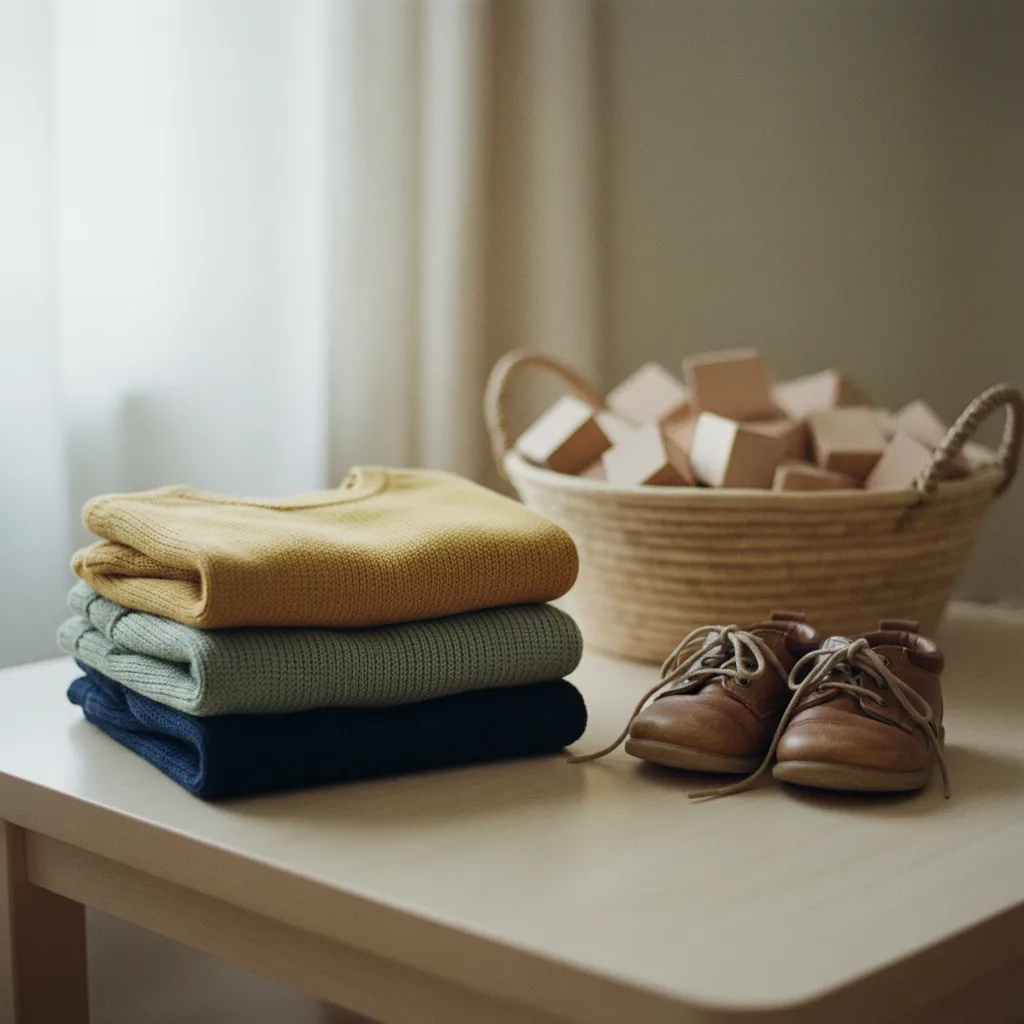
Noe Valley Consignment Shop Crawl Planner: Next Size Up
Turn a Noe Valley morning into a kids' gear swap: consign outgrown clothes and toys, shop the next size up on 24th Street, and fit in a playground break.
Children outgrow things faster than any closet can keep up. One season it is tiny rompers and soft-soled shoes, the next it is rain boots, a scooter helmet and jeans that already look short at the ankle. Noe Valley, a sunny pocket of San Francisco known for its strollers, bakeries and steep, tree-lined side streets, is one of the easiest places in the city to keep that cycle moving without buying everything new. This consignment shop crawl planner treats a weekend morning as a swap: you bring a bag of what no longer fits, you leave with the next size up, and the whole loop is paced for small legs, nap windows and snack breaks.
Why Noe Valley Runs on Hand-Me-Downs
Noe Valley grew up as a working family neighborhood of rowhouses and Victorians tucked between hills, and it has kept that domestic feel even as the city around it changed. Walk down 24th Street on a Saturday and you will see more strollers than cars at some corners. That density of young families is exactly what makes the local resale scene so useful. Clothes come in barely worn, because kids rarely wear anything long enough to wear it out.
Parents here also tend to pass things along through neighbors, school groups and community boards, so consignment racks sit inside a wider culture of sharing. A puffy jacket might have kept three different toddlers warm on foggy mornings before it reaches you. Knowing that makes the hunt feel less like shopping and more like joining a neighborhood tradition.
Sort the Outgrown Pile at Home First
The night before, empty the drawers of anything that no longer fits and lay it out on the bed. Split it into three piles: clean and good enough to consign, fine for donating, and worn out. Resale buyers for children's goods usually look for clean fabric with no stains, working zippers and snaps, and pieces that suit the current season. A winter coat in autumn has a much better chance than a swimsuit.
Wash and fold what you plan to bring, pair shoes with rubber bands, and gather small toys or books into a tote so nothing gets lost in the stroller basket. If your child is old enough, let them help choose what goes. Kids are often surprisingly happy to give up a favorite outgrown shirt when they understand another child will get to wear it next.
Start the Morning Before the Rush
Noe Valley wakes up gently, and early morning is the calmest time to browse with a little one. Aisles are clear, staff have time to look over your bag, and your child has not yet hit the late-morning meltdown point. Grab a coffee and a pastry from one of the bakeries on 24th Street, let your kid pick a treat, and use those first quiet minutes to drop off your consignment bag.
Ask how the shop handles drop-offs, since some accept items on the spot and others prefer that you leave things to be reviewed later. Either way, you are free to keep browsing while the buyer sorts through your pile. Treat the drop-off as the opening move rather than the main event, and the rest of the morning feels like a bonus.
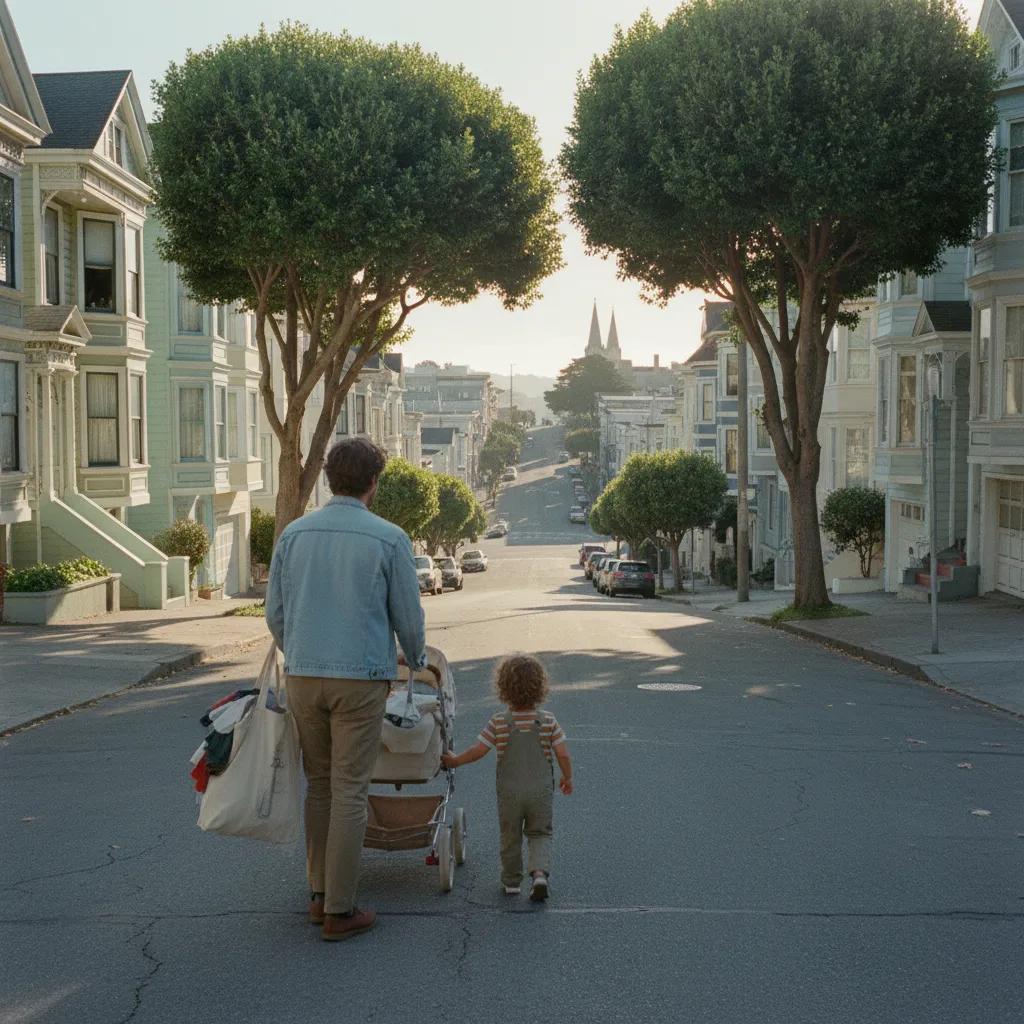
Shopping the Next Size Up
Before you go, measure your child's current favorite pants and jacket and jot the lengths in your phone. Sizes on children's labels vary wildly between brands, so a quick measurement beats guessing. Most parents find it smart to shop one size ahead, especially for coats, boots and anything for the coming season, since growth spurts rarely wait for a convenient moment.
Look for sturdy basics that hold up: thick cotton leggings, corduroy trousers with reinforced knees, wool sweaters, and rain gear that will survive puddle season. Check elastic waistbands for stretch, flip shoes over to look at the tread, and give zippers a quick run before deciding. A small flaw is fine for playground clothes, but a broken closure will only frustrate everyone on a cold morning.
Toys, Books and the Bulky Stuff
Children's resale is not only about clothes. Shelves of puzzles, picture books, wooden toys and dress-up costumes rotate constantly, and a good find can keep a toddler busy for weeks. Count the pieces on puzzles where you can, look for books with intact spines, and favor simple toys that do not need batteries or apps.
Larger gear like strollers, carriers, high chairs and bike seats sometimes shows up too. These deserve a slower look. Check buckles and straps, make sure folding mechanisms lock firmly, and skip anything with cracked plastic. For safety items such as car seats, many parents choose to buy new, since history and expiry are hard to judge secondhand.
Keeping a Small Shopper Happy
A consignment crawl with a toddler works best in short bursts. Plan on browsing for a short while, then stepping out for a change of scenery before attention runs out. Give your child a small job, like holding the measuring tape, choosing between two colors of rain boots, or finding all the red things on a rack. Kids who feel part of the mission complain far less.
Bring a water bottle, a snack that does not crumble everywhere, and a small toy for the stroller. If you are shopping with a baby, time the stops around naps and feeds rather than the other way around. There is no prize for seeing every shop in one morning, and a calm child makes the whole outing far more enjoyable.
A Playground Pause in the Middle
Halfway through, swap racks for swings. Noe Valley has small parks and playgrounds tucked between its blocks, and a quick visit lets kids burn off energy before round two. Unpack the snacks, let your child run, and take a moment to look through what you have picked so far. This is a good time to decide whether the striped sweater was really a keeper or just a tired impulse.
Parents often trade tips here too. Other families at the playground tend to know which shops have the deepest shoe selection or the best rain gear at that moment, and conversations about sizes and growth spurts start easily when everyone is pushing swings side by side.
What to Pass On
Not every bargain is a good buy. Skip clothes with heavy pilling, faded elastic or mystery stains that will not lift. Leave novelty items your child will lose interest in by next week, and avoid shoes that are badly worn on one side, since they have shaped themselves to another child's walk. Anything that needs repairs you do not have time for is probably better left on the shelf.
It also helps to set a soft limit on how many items each child gets. Kids' closets fill up quickly, and the whole point of the swap is to keep things flowing rather than build a new pile of outgrown clothes for next season.
Finishing on 24th Street
Once the bag is full of next-size pieces, wander back along 24th Street for a slow finish. The strip has the feel of a small-town main street, with bookshops, toy stores, cafes and a weekend farmers market that brings out the whole neighborhood. Let your child pick a sandwich or a piece of fruit from a stall while you sit on a bench and rest your legs.
If energy remains, take the long way home through the side streets and climb one of the gentle slopes for a view across the valley. Many families end these mornings with a toddler asleep in the stroller and a parent quietly pleased that the closet problem has been solved for another season.
Making the Swap a Seasonal Habit
The real payoff comes from repeating the loop at every change of season. Keep a bag in the hall closet and drop in anything your child outgrows as you notice it. By the next crawl, the pile is ready and you avoid that stressful evening of emptying drawers at the last minute. Over time you will learn which shops suit your family and which items sell well.
When you want to build the next route, Karpo can help you look for consignment and kids' resale shops near you, along with playgrounds and family cafes close to where you are. A few questions about your child's age and the gear you need can shape a plan that fits around naps, snacks and short legs.
Ask Karpo for more information.
Keep reading
- Bernal Heights Pottery Glaze Supply Browsing Route: Walk
 Potrero Hill Pottery Glaze Supply Browsing Route: Walk
 Mission Pottery Glaze Supply Browsing Route: Studio Walk