 Bernal Heights Pottery Glaze Supply Browsing Route: Walk
Hidden Gems & Odd Finds
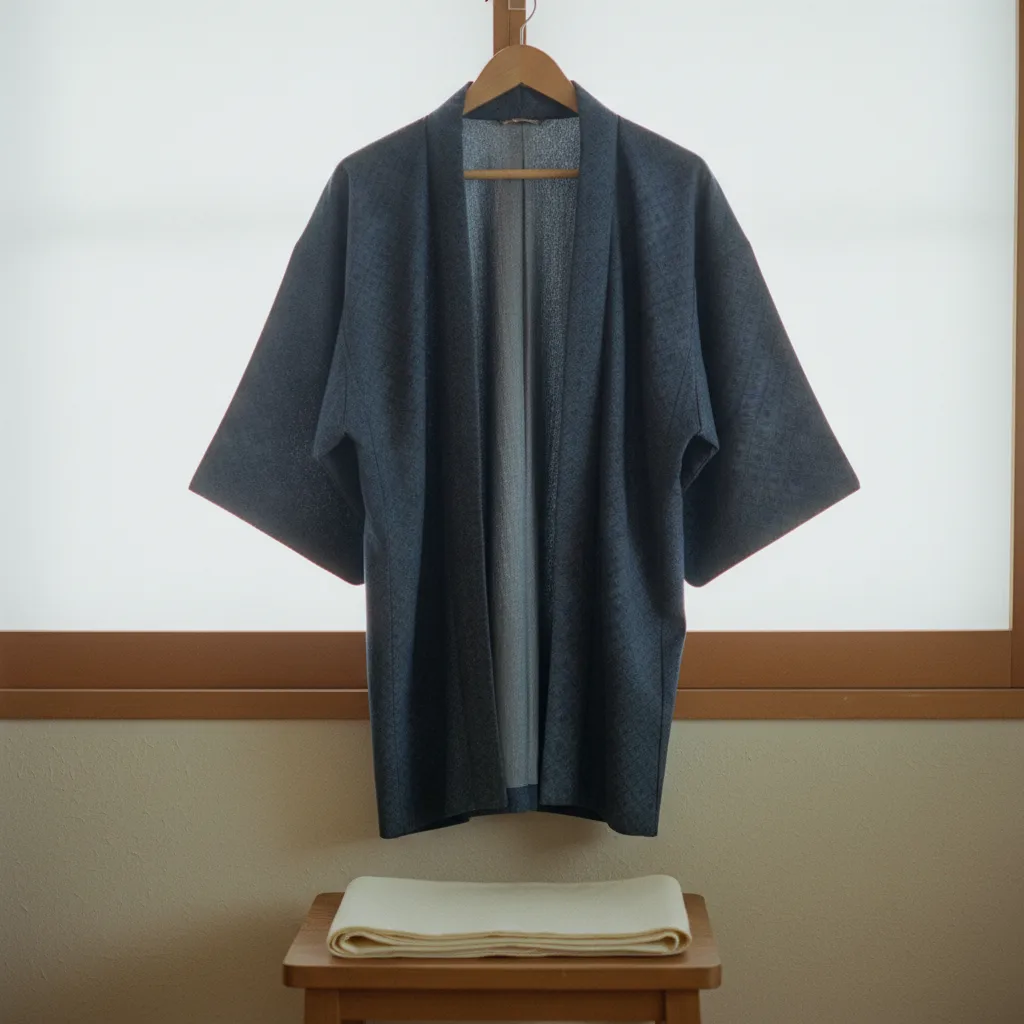
Japantown Consignment Shop Crawl Planner: Haori for Fog
Find a pre-loved haori or kimono jacket in and around SF Japantown, learn to read silk and seams, style it for foggy days, and pause for tea by the pagoda.
Japantown is the oldest surviving Japanese American neighborhood in the United States, a compact grid of malls, plazas and Victorian side streets in the Western Addition where tea houses, bookstores and craft shops sit side by side. It is also a good place to find something many shoppers never think to look for: a secondhand haori, the loose hip-length jacket traditionally worn over kimono. Lightweight, roomy and often beautifully patterned inside and out, a haori slips easily over a sweater and jeans and suits San Francisco's cool, grey afternoons. This consignment shop crawl planner shows how to spend a relaxed day hunting for one.
A Neighborhood Built on Return
Japanese immigrants settled here in the early part of the last century, built churches, schools and businesses, and were then forced out during wartime incarceration. Many families came back afterward and rebuilt, and later redevelopment reshaped the blocks again. Today's Japantown carries that history of loss and return quietly, in its community centers, its festivals and the care with which older shops keep their traditions alive.
Clothing resale fits naturally into that story. Kimono and haori are made to be taken apart, remade and handed down, and many of the pieces you will see were worn by one generation, stored carefully by another and eventually passed on to new owners who will wear them in a completely different way.
Haori, Kimono or Noragi: Know What You Want
A haori is a short jacket that stays open at the front, held loosely with a small cord if at all, and it is the easiest piece to wear with Western clothes. A full kimono is long and wraps closed with a sash, which looks wonderful but takes practice to put on. A noragi is a sturdier work jacket, often in cotton, that feels at home with denim and boots. Each has a different mood, so decide before you start which one fits your wardrobe.
If this is your first piece, a haori is the friendliest place to begin. It needs no special skill, works over almost anything, and lets you discover whether you enjoy the silhouette before investing in more.
Reading Fabric and Seams
Run your hand along the fabric first. Silk feels smooth and slightly cool with a soft sheen, while synthetic versions tend to feel slick and look uniformly shiny under shop lights. Cotton and wool pieces feel drier and more matte. All can be lovely; just know which you are buying, because they care for themselves very differently.
Then turn the garment inside out. Many haori have a decorative lining, sometimes far more playful than the outside, and it is worth checking for tears or loose stitching along the sleeve openings and the back seam. Look closely at the shoulders and collar, where years of folding leave faint lines or fading. Small marks are part of the charm, but brittle silk that cracks along folds will not survive regular wear.

Getting the Fit Right
Traditional garments were sized for smaller frames, so length and sleeve reach are the two things to check. Put the jacket on over the kind of layer you plan to wear with it, then reach forward and lift your arms. The sleeves should not ride far up your forearm, and the back should hang comfortably past your hips without pulling across the shoulders.
Because a haori is cut loosely, fit is more forgiving than with a tailored coat. Still, a piece that feels tight across the back will never sit right. If you are taller or broader, look specifically for men's haori, which are often longer and plainer outside with striking linings inside.
Styling It for San Francisco Weather
The city's fog makes a haori surprisingly practical. A silk or light wool version adds a layer of warmth over a knit without the bulk of a coat, and the wide sleeves let air move on milder days. Pair a bold pattern with plain basics, such as a grey sweater, dark jeans and simple sneakers, so the jacket does the talking.
For cooler evenings, a quilted or wool-lined piece can stand in for a light jacket. Noragi in heavy cotton look especially good with work boots and a beanie. The trick is to wear these garments like everyday clothes rather than a costume, letting them settle into your normal wardrobe.
Respectful Ways to Wear Traditional Clothes
Many people wonder whether wearing kimono-style clothing is appropriate if they are not Japanese. Most Japanese American shop owners and community members are happy to see these garments worn and enjoyed, especially when buyers take an interest in their history and treat them with care. Asking questions, learning the names of what you are buying and wearing pieces thoughtfully goes a long way.
One detail worth knowing: when wearing a full kimono, the left panel always folds over the right. The reverse is traditionally associated with dressing the deceased, so getting it right is a small sign of respect that people will notice.
A Matcha Pause by the Pagoda
Halfway through the crawl, step outside to the plaza around the Peace Pagoda, the tall concrete tower that has become the neighborhood's symbol. Sit for a few minutes, watch families drift between the malls, and let the morning's options settle in your mind. If you bought something, try it on over your clothes and see how it feels out in the open air.
Then head into one of the tea shops or cafes nearby for a bowl of matcha and a sweet. Mochi, dorayaki and other small treats make a gentle pick-me-up, and a quiet table is a good place to flip through photos of the pieces you passed on and decide whether one deserves a second look.
Small Accessories That Finish the Look
Japantown resale shelves often carry the small things that go with traditional clothing. Look for haori himo, the decorative cords that tie a jacket loosely at the front, as well as obi, folding fans, tenugui cotton cloths and fabric pouches. A cord alone can transform how a jacket hangs, and a printed tenugui works as a scarf, a gift wrap or a handkerchief.
Fabric remnants are worth noticing too. Scraps of old kimono silk turn into pocket squares, cushion covers or patches for a denim jacket, and they let you enjoy a beautiful pattern even when the whole garment did not fit.
Caring for Old Silk and Cotton
Most silk haori and kimono should not go in a washing machine. Air the garment on a wide hanger away from direct sun, brush it gently with a soft clothes brush, and spot clean marks with a damp cloth. For heavier cleaning, look for a specialist who works with delicate garments. Cotton noragi are tougher and can usually be hand washed in cool water.
Store pieces folded flat along their original seams, wrapped in a cotton cloth or acid-free paper, rather than crushed in a drawer. Refold them now and then so the creases do not settle in the same place, and the jacket will stay wearable for many more seasons.
Planning the Rest of Your Afternoon
Finish with a slow walk up the gentle slopes north of the malls, where Victorian houses line quiet streets and the light changes as the fog moves in and out. Many visitors wander toward the Fillmore for a coffee or a bookshop browse, carrying their new jacket over one arm and already thinking about how they will wear it the next morning.
For your next outing, Karpo can point you toward consignment and vintage shops near you, as well as tea houses and craft stores to string between them. Share what you are looking for, whether a haori, a stack of tenugui or simply an easy afternoon, and it can help you sketch a route.
Ask Karpo for more information.
Keep reading
- Bernal Heights Pottery Glaze Supply Browsing Route: Walk
 Potrero Hill Pottery Glaze Supply Browsing Route: Walk
 Mission Pottery Glaze Supply Browsing Route: Studio Walk