 Bernal Heights Pottery Glaze Supply Browsing Route: Walk
Hidden Gems & Odd Finds
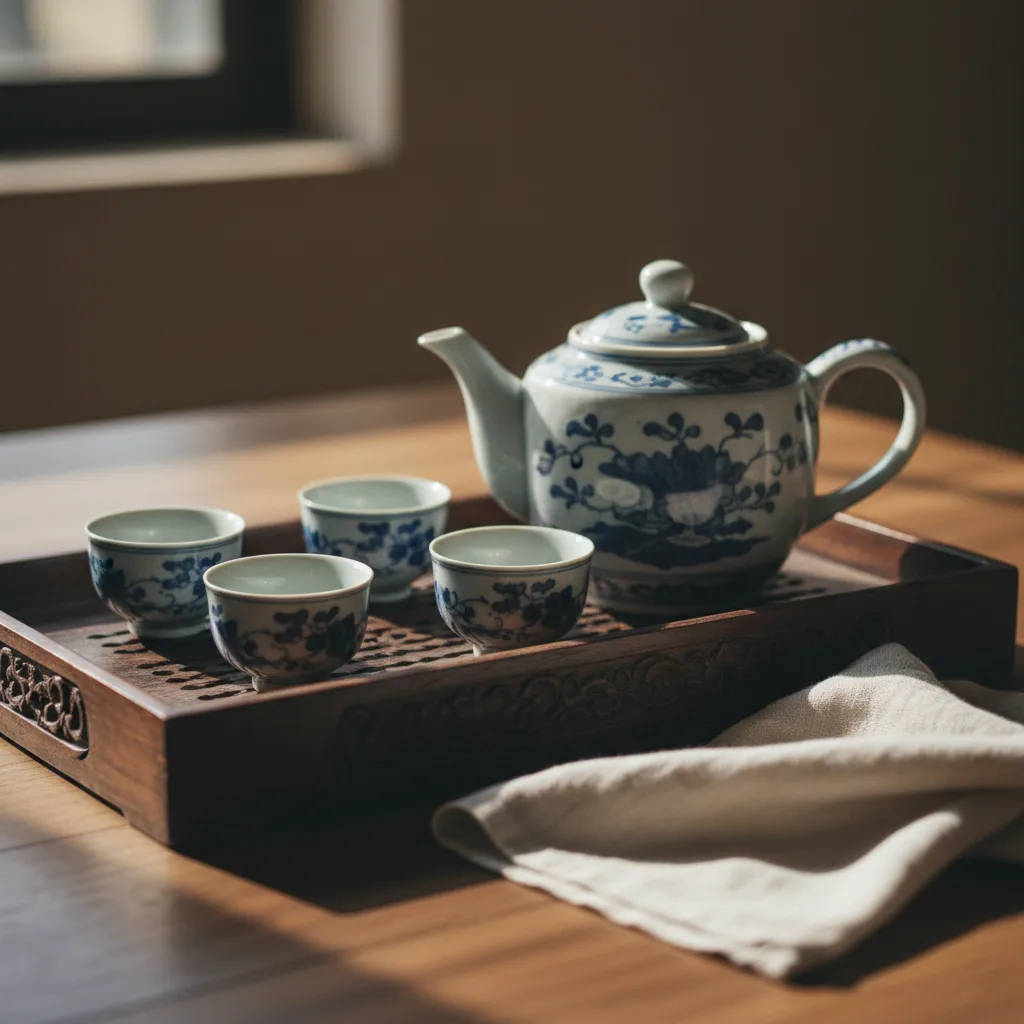
Chinatown Consignment Shop Crawl Planner: Tea Set Hunt
Hunt secondhand teapots, porcelain bowls and carved boxes in and around SF Chinatown, learn to judge glaze and chips, then test your find over dim sum.
San Francisco's Chinatown is one of the oldest Chinese neighborhoods in North America, and its narrow alleys hold a lifetime of household objects that quietly move from one family to the next. Teapots that brewed thousands of afternoon pots, rice bowls handed down from grandparents, carved boxes that once held jewelry or letters: these pieces surface in consignment corners, antique shops and resale shelves in and around the neighborhood. This consignment shop crawl planner follows one simple goal for a slow afternoon, finding a pre-loved tea set worth bringing home, and it teaches you how to look at porcelain before you fall for it.
Where Old Households Meet New Owners
Chinatown was rebuilt after the great earthquake and fire that leveled much of the city, and generations of families have lived above shops and restaurants along its steep streets ever since. As those households downsize, move to the suburbs or pass from one generation to another, their kitchens and display cabinets slowly empty out. Much of what they held finds its way to local resellers who understand what these objects meant.
That history gives the hunt its texture. You are not just shopping for dishes, you are picking up pieces of daily life from a neighborhood where tea has always been part of hospitality, business and family ritual. Shop owners often know where an item came from in general terms, and a polite question can lead to a story about the kind of home it once sat in.
Decide What Kind of Tea Drinker You Are
Before you start, think about how you actually drink tea. If you like long, slow sessions with friends, a small clay or porcelain pot with tiny cups suits gongfu-style brewing, where you steep the same leaves many times. If you prefer one big mug at your desk, a larger pot or a single lidded cup called a gaiwan may be more practical. Knowing this keeps you from buying a beautiful set that never leaves the shelf.
Measure the space where it will live, too. A tea tray, a pot and a set of cups take up more room than you might expect, and a crowded counter makes even a lovely set feel like clutter.
Learning to Read Porcelain
Pick up a piece and look at it from every angle. Run a fingertip gently around the rim to feel for tiny chips that the eye can miss. Hold cups up to the light to spot hairline cracks, which show as thin dark lines that do not wipe away. Tap a bowl lightly with a fingernail; a clear ring usually means it is sound, while a dull thud can hint at a hidden crack.
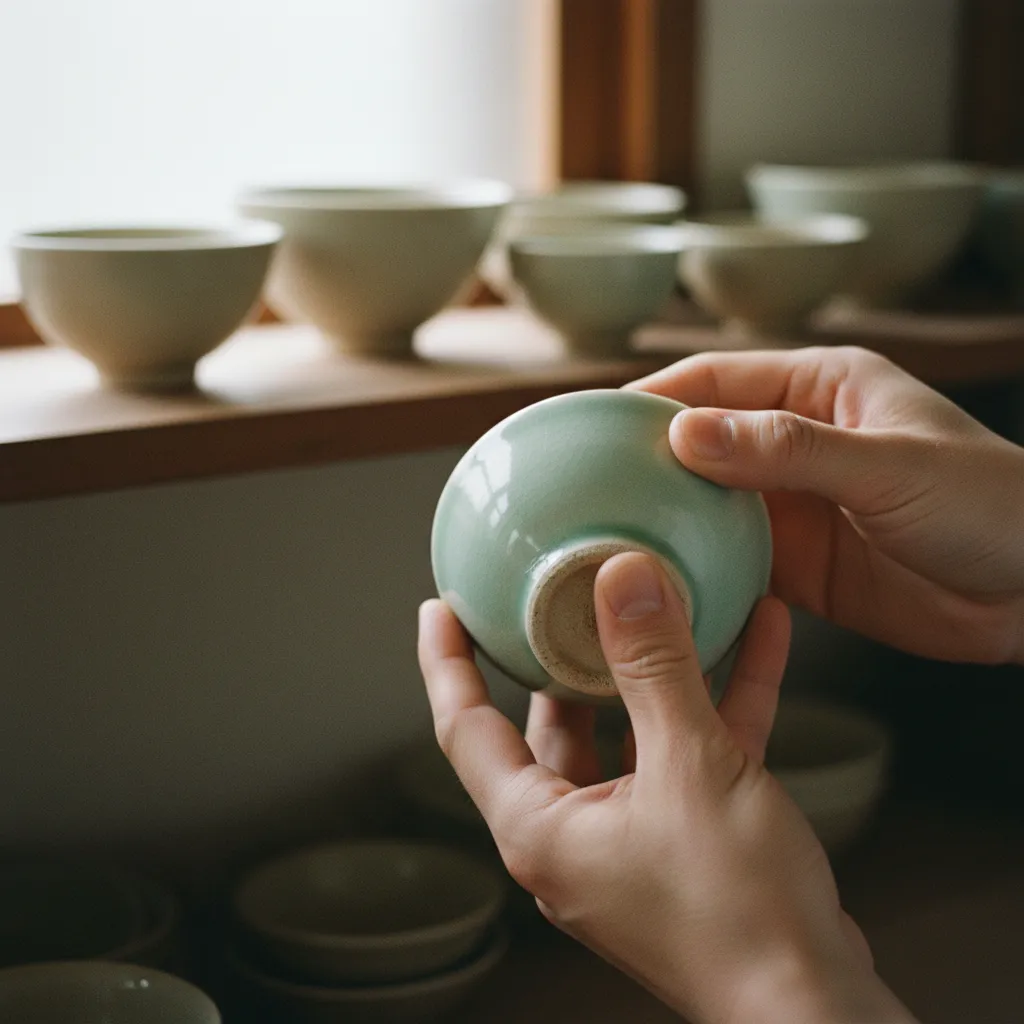
Turn it over and study the foot ring, the unglazed circle on the bottom. Wear there is normal and honest, a sign that the bowl has been used. Look at the glaze for crawling, bubbles or uneven patches, and decide whether they add character or bother you. Blue and white painted ware, pale green celadon and plain white porcelain each have their own charm, so let your eye tell you what feels right.
Clay Teapots Need a Different Eye
Unglazed clay teapots are prized by many tea drinkers because the porous clay slowly absorbs the flavor of the tea brewed in it. That same quality means a secondhand clay pot carries its past with it. Lift the lid and smell the inside. A faint tea scent is fine, but mustiness or soap suggests the pot may never brew cleanly again.
Check that the lid sits snugly and does not rock, and that the spout pours in a smooth line rather than dribbling. Hold the pot with a finger on the lid's air hole and tip it gently; a well-made pot will hold water in when the hole is covered. These small tests take a moment and save you from a pot that frustrates you every morning.
Wandering the Alleys Between Shops
Part of the pleasure of a Chinatown crawl is moving slowly between stops. The alleys off Grant Avenue and Stockton Street are full of everyday life: herbal shops with drawers of dried roots, bakeries sending out sweet buns, temple balconies hung with lanterns, and elders playing cards in tiny parks. Let yourself drift, because some of the best small resale corners are tucked into places you would never plan for.
Be mindful that many of these streets are working streets first. Shopkeepers are unloading deliveries, grandparents are doing the daily marketing, and families live upstairs. Step aside for carts, keep your voice low in small shops, and ask before taking photos of people or interiors.
A Dim Sum Break With Purpose
Midway through, stop for dim sum and use the meal as research. Watch how the pot of tea arrives at the table, how servers refill it, and how locals tap two fingers on the table to say thank you when someone pours for them. Notice which cups feel good in the hand and which sizes keep tea at a pleasant temperature. This is the best way to understand what you are shopping for.
Share a few plates of dumplings and buns, lay out any purchases on a napkin, and compare them in daylight. Friends at the table will often spot a chip or a mismatched lid that you missed in the excitement of the find.
Beyond Tea: Small Carved and Lacquered Pieces
While hunting for tea ware, keep an eye out for small wooden and lacquered objects. Carved boxes, trays, brush pots and little stands for displaying a single cup show up often in resale shops. Look for clean joints, lids that close without forcing, and lacquer that is worn gently rather than peeling in flakes.
Soapstone seals, jade-colored trinkets and decorative figures are common too, but treat claims about age or material with friendly skepticism unless you know the subject well. Buy what you love to look at, not what someone says it might be worth, and you will never feel misled.
Matching Sets You Build Yourself
A complete matching set is rare in resale, and that is not a bad thing. Many tea lovers build their own collection piece by piece: a pot from one shop, a few cups from another, a tray found on a later trip. Mixing materials and colors gives the table more personality than a store-bought box ever could.
If you want harmony, choose one common thread, such as a single color, a similar size, or the same type of glaze, and let everything else vary. Over a few visits you will assemble a set that tells the story of your own wanderings through the neighborhood.
Caring for Your Find at Home
Wash porcelain by hand with warm water and a little mild soap, then rinse well and let it air dry. Skip the dishwasher, especially for painted or gilded pieces, since heat and detergent can fade decoration over time. For clay teapots, rinse with hot water only and never use soap, which the clay will happily absorb.
Before the first real brew, warm the pot and cups with hot water, pour it away, then make a light pot of tea just to season everything. Store pieces with a soft cloth between them so they do not chip against each other on the shelf.
Finishing With a Proper Pot of Tea
End the afternoon in one of Chinatown's tea shops, where you can sit down for a tasting and learn which leaves suit your new pot. Oolongs and pu-erh are classic matches for clay, while delicate green and white teas shine in porcelain. Buy a small bag of something new to christen your find, and walk back down the hill toward the bay as the lanterns come on.
When you are ready to plan another visit, Karpo can suggest consignment and antique shops near you, along with tea rooms and dim sum spots to fit between them. Tell it what you are hunting for and how long you want to wander, and it can help shape a route that suits your pace.
Ask Karpo for more information.
Keep reading
- Bernal Heights Pottery Glaze Supply Browsing Route: Walk
 Potrero Hill Pottery Glaze Supply Browsing Route: Walk
 Mission Pottery Glaze Supply Browsing Route: Studio Walk