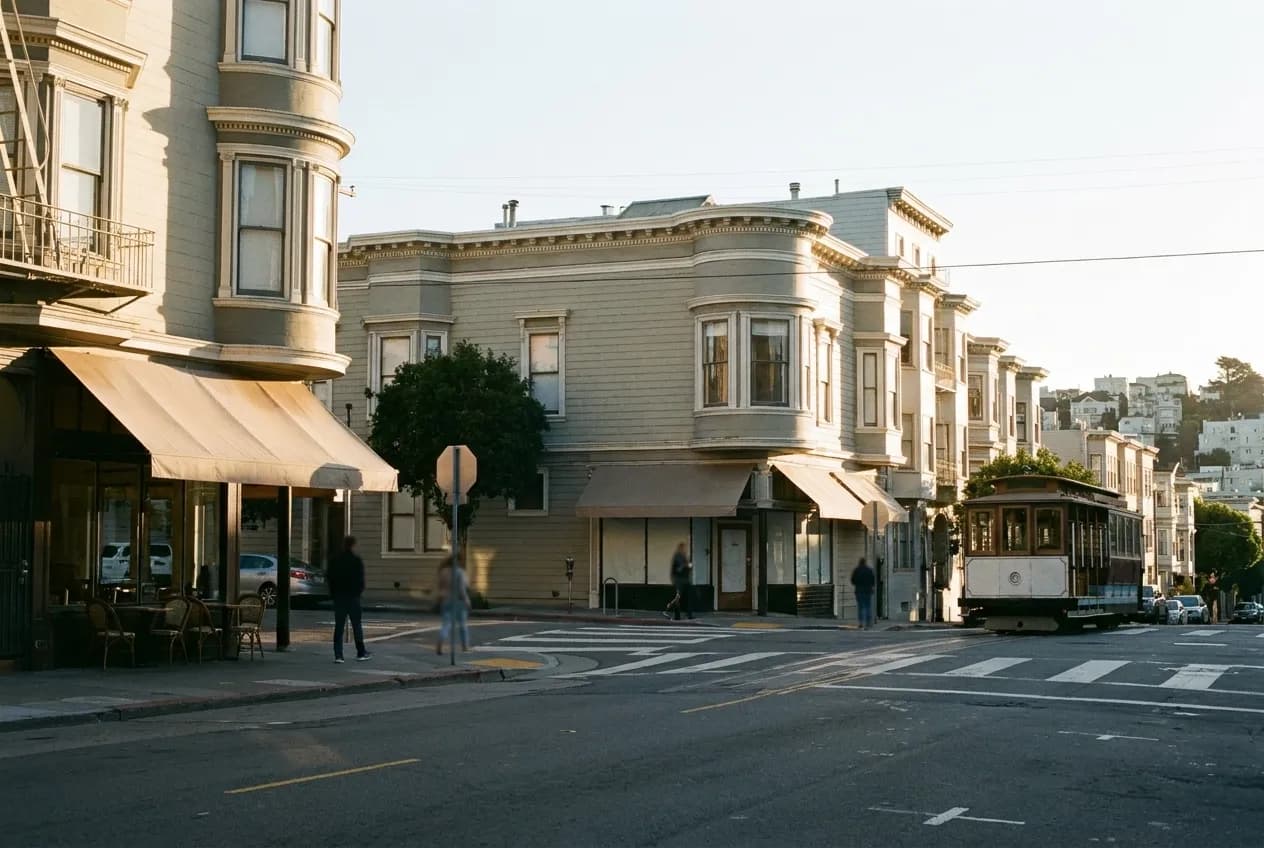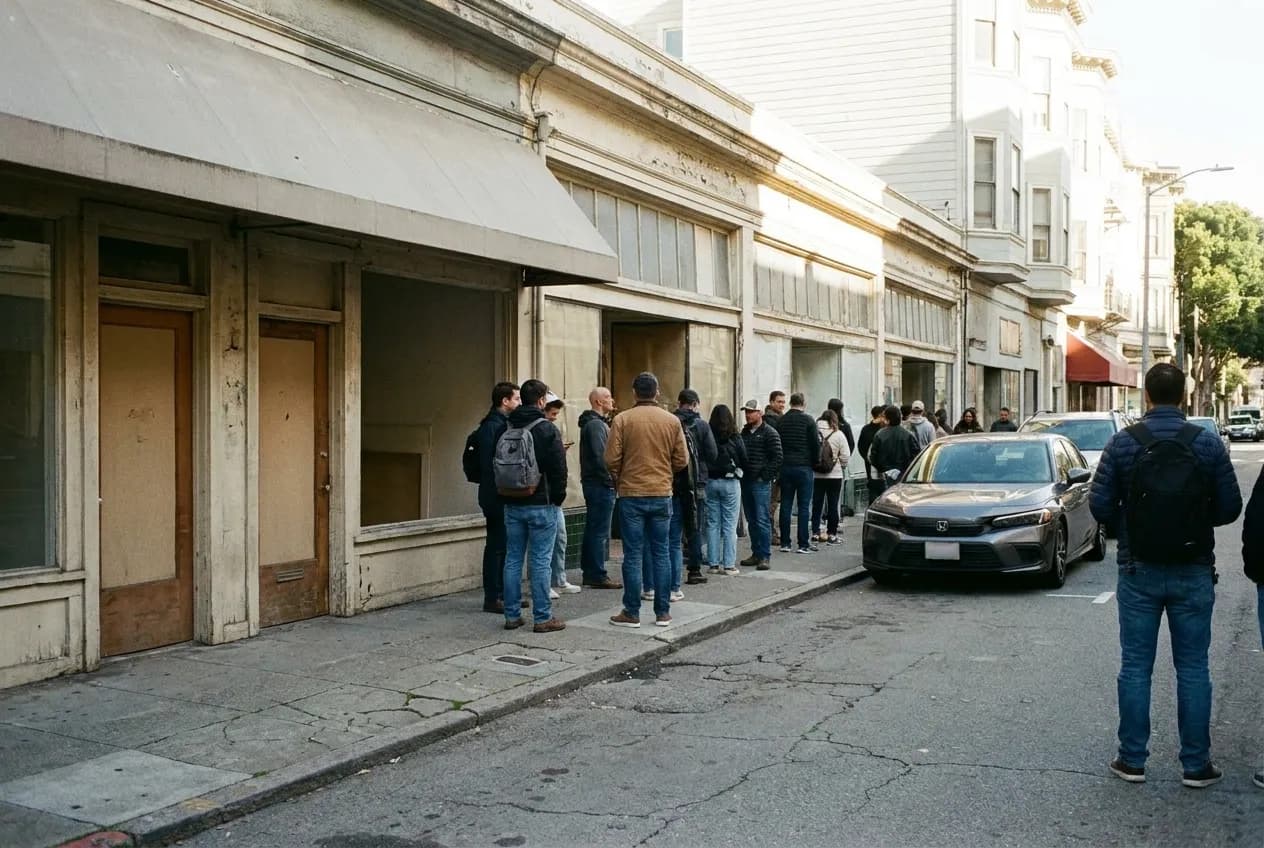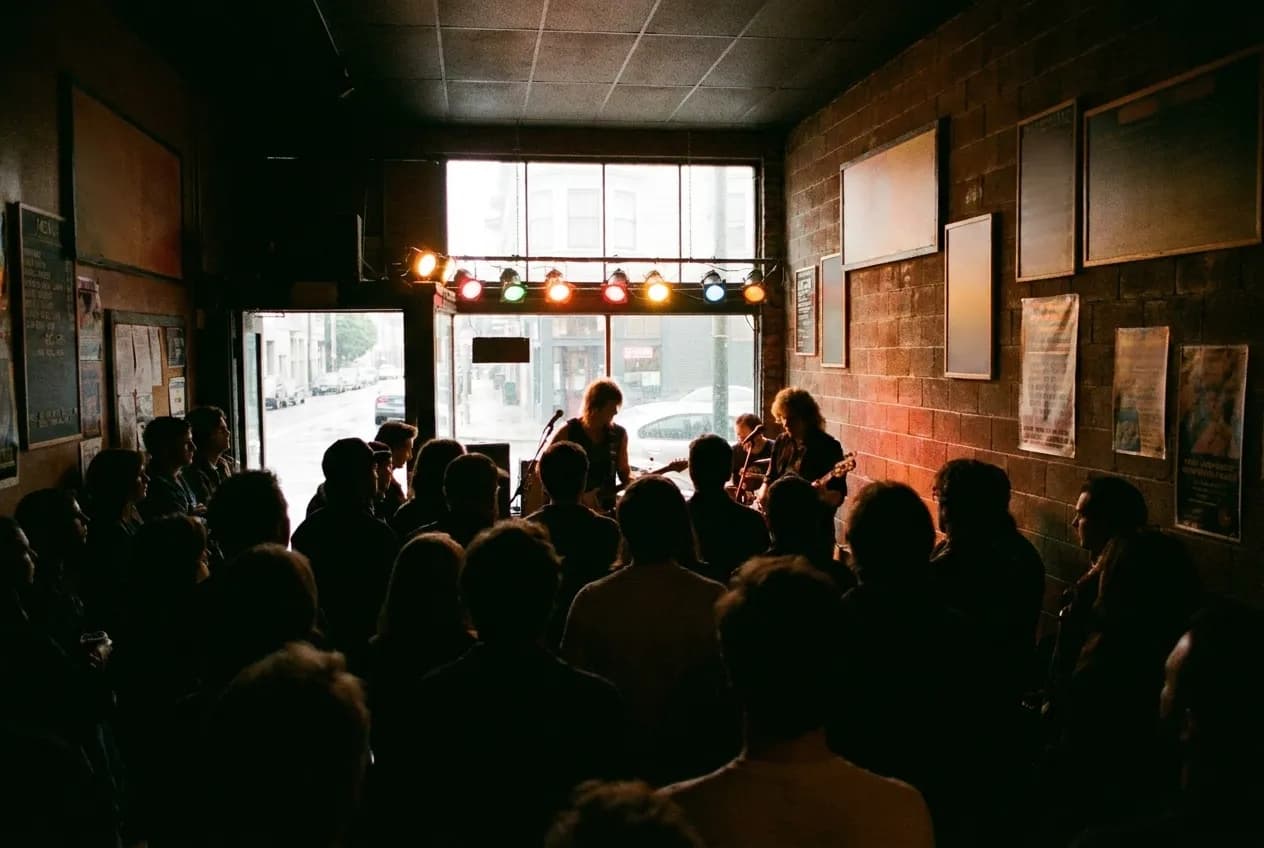
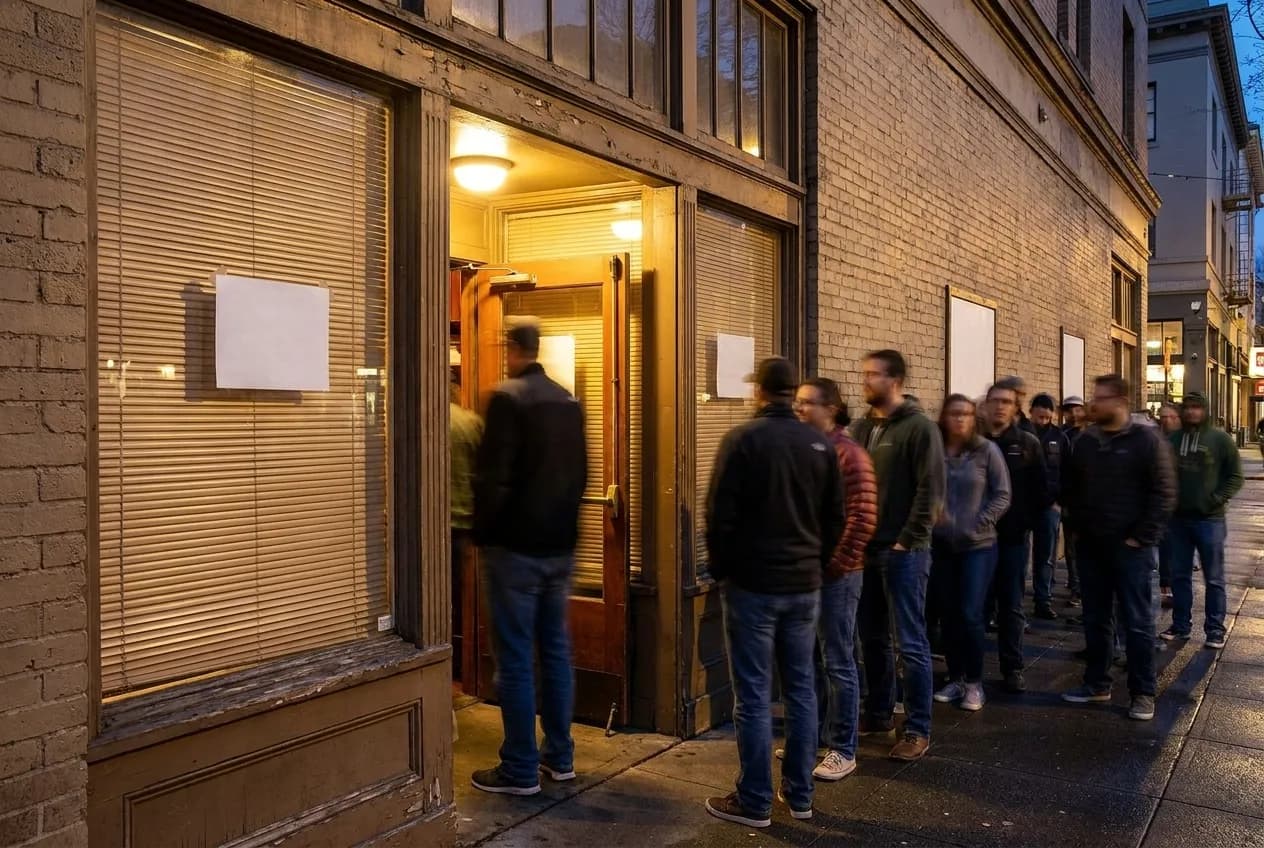
San Francisco is a small-room concert city. There are a handful of large venues and one very famous arena across the bay, but the shows people talk about for years happen in halls holding between two hundred and twelve hundred people — old ballrooms, a converted mortuary, a nightclub from the 1930s, a bar at the bottom of a hill in Potrero. The trouble with small rooms is arithmetic. Four hundred tickets against a city of eight hundred thousand means the show sells out during a Friday morning meeting.
Small rooms sell in minutes, not days. Ask Karpo what is on sale near you this week before it disappears.
The weekly rhythm of ticket releases
Most tours announce on a Monday or Tuesday and go on general sale on the Friday of the same week, usually at ten in the morning local time. In between there is a presale window, typically Wednesday and Thursday, which is where a large share of the good seats actually go. The presale codes come from three places: the venue's own mailing list, the artist's list, and the promoter's. Signing up to the mailing lists of the four or five venues you actually go to is the single highest-return action available here, and it takes about ten minutes once.
The general sale is then the leftovers. For a genuinely popular small-room show, that can mean nothing at all by 10.03. This is not scalper behaviour, it is simply capacity — the room was mostly sold before Friday started.
What the ticket actually costs
The face value is not the price. Service fees, facility charges and processing add a substantial percentage on most platforms, and for a small-room show the total can land twenty to thirty per cent above the number you first saw. Some venues sell at the box office without fees, which is genuinely worth the trip if you live nearby and are buying for four people.
Check whether the ticket is all-in priced before assuming a comparison is meaningful, and check whether it is transferable. Mobile-only, non-transferable tickets are increasingly common and they change what happens if your plans change: you cannot pass it to a friend, and the official resale route may be the only option.
Sold out is not the end
Three routes work reliably after a sell-out. Official resale through the original platform tends to release tickets in the last week and especially on the day, as plans change. Venue waiting lists and day-of releases exist at several San Francisco halls, where a small block held back for guests goes on sale in the afternoon. And the door itself is worth trying for weeknight shows at the smaller rooms — turning up at doors with cash and asking is old-fashioned and still works often enough to be worth the walk if you were going to be in the neighbourhood anyway.
What does not work well is the unofficial resale market, which in this city is heavily picked over and priced accordingly. If a ticket is being offered at four times face value for a four-hundred-capacity room, waiting for the official release is usually the better bet.
Door times, support acts and the early-show problem
Small San Francisco venues run tight schedules, and a growing number run two events in one night — an early show and then a club night — which means the headline goes on considerably earlier than people expect and the room is cleared by eleven. Read the ticket carefully: doors at seven with a nine o'clock headline is a completely different evening from doors at seven with an eight o'clock headline and a hard curfew.
The support act at these venues is frequently local and frequently the reason to arrive on time. This is a city with a deep bench of bands who never leave it, and the opening slot at a good small room is where you find them.
Age rules, seating and the practical fine print
Some San Francisco venues are strictly 21 and over, some are all-ages with a wristband bar, and a few are all-ages only for seated shows. This varies by venue and sometimes by show, and it is stated on the ticket page. Bring physical identification; a photo of it is not accepted at most doors.
Several of the older halls have balconies with actual seats, which for a standing-room show are the best value in the building if you would rather sit. A couple of venues sell dinner tickets that include a table on the floor — an unusual arrangement, and for anyone who does not want to stand for four hours, transformative.
The routine that works
Subscribe to four venue mailing lists. Check the announcements on Monday. Buy in the presale on Wednesday rather than the general sale on Friday. Read the door time, not just the date. And keep one weeknight a month free for a show you have not heard of at a room you like, because in a city this dense with small venues, the unplanned one is regularly the best one.
Tags: #Concerts #SanFrancisco #LiveMusicSF #SmallVenues #SFShows #GigTickets #WeekendPlans #SFNightlife #Presale #BayArea #MusicSF #ThingsToDoSF #SFEvents #LocalBands
All trademarks are the property of their respective owners.
Ask Karpo first
Want to know what is playing a small room near you this week and whether tickets are still real? Ask Karpo before the presale window closes.