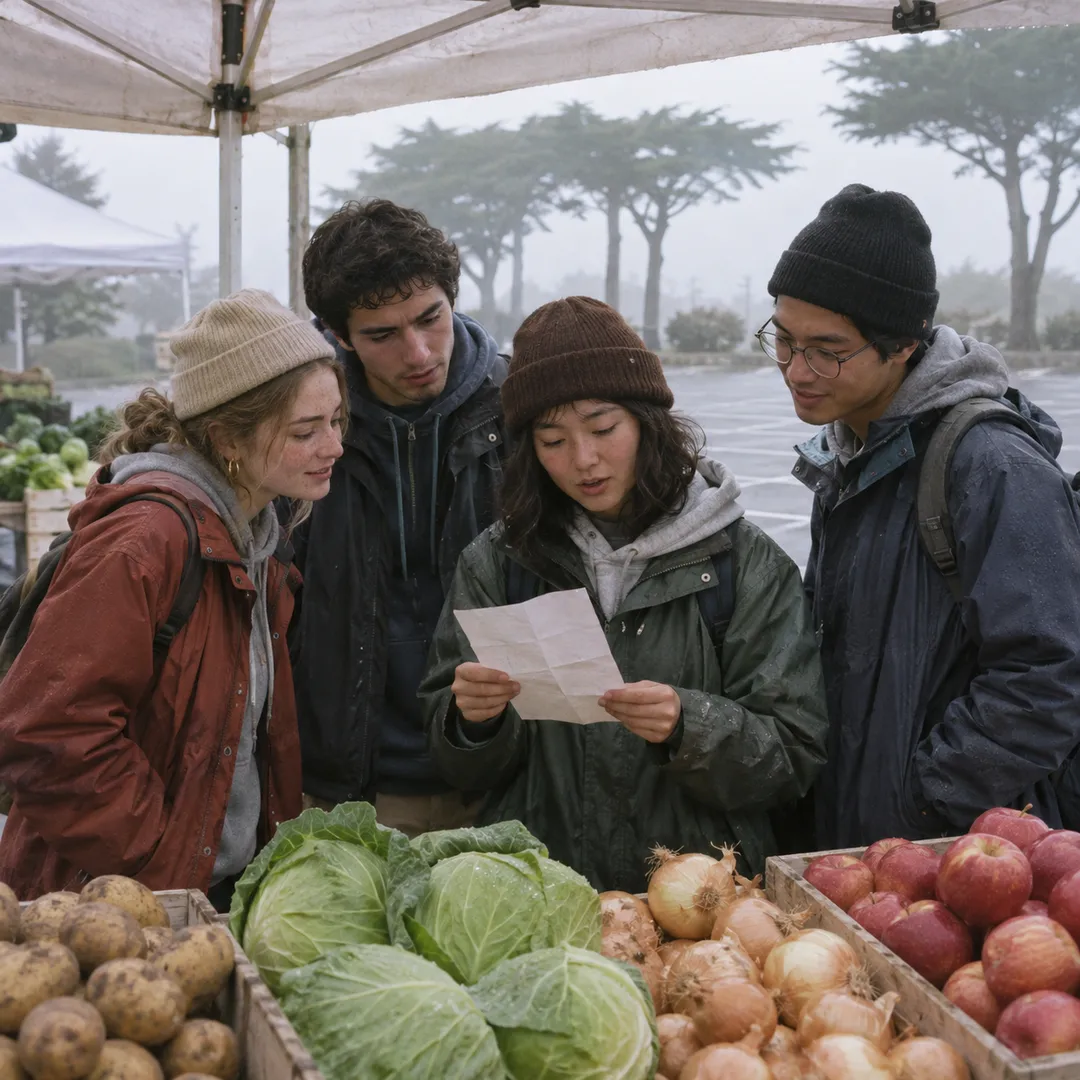
 Stonestown Winter Farmers Market Picker for Student Cooks
Weekend Plans
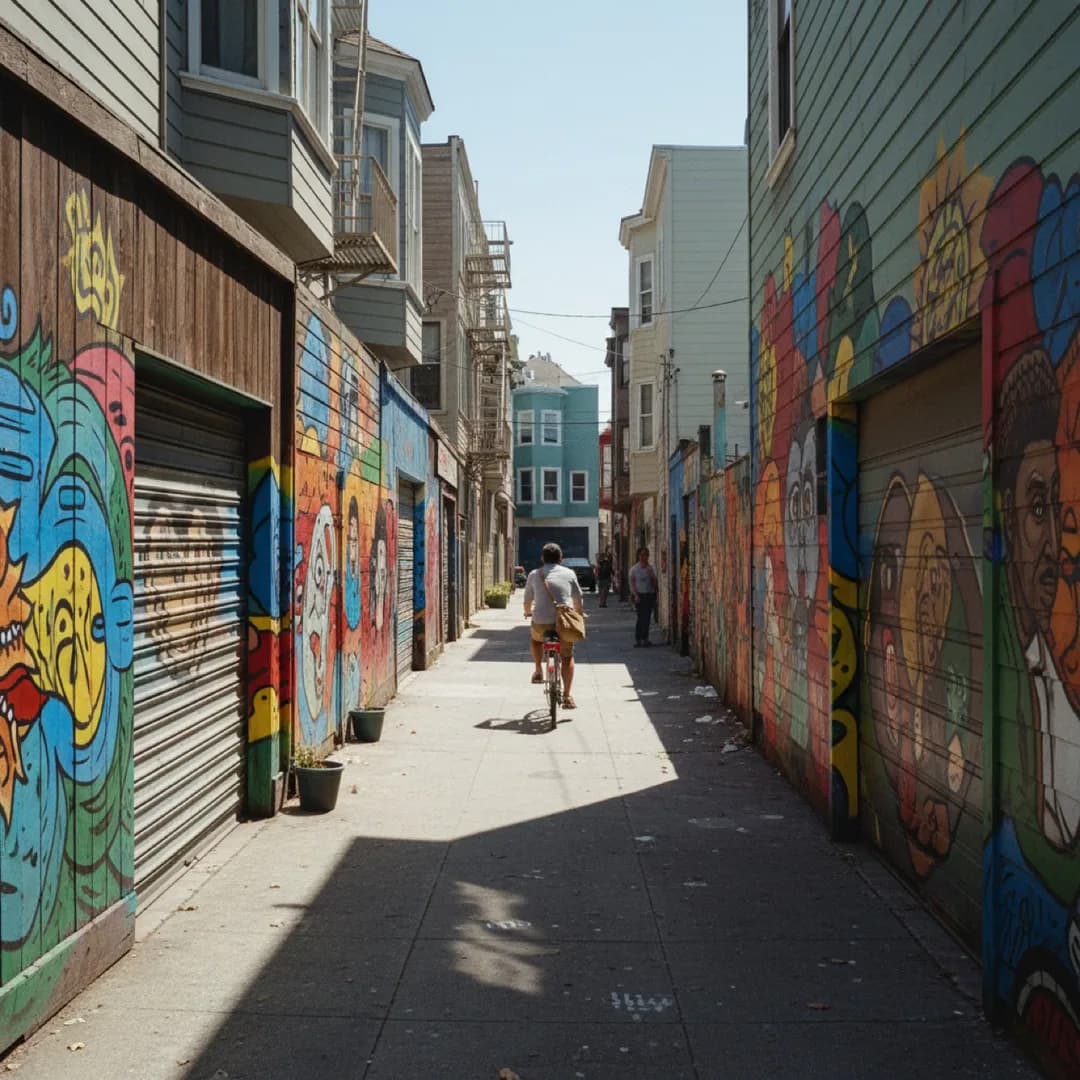
Mission District Community Workshop Finder: Murals to Prints
In the Mission, many community workshops come from arts nonprofits along 24th and Mission Street. Start near 24th Street BART and pair class with a mural walk.
The Mission District's community workshops grow out of its arts organizations as much as its studios. Along 24th Street and Mission Street, nonprofit cultural centers, mural groups, and print shops have taught art to neighbors for decades, and their classes often feel different from boutique sessions elsewhere in San Francisco: more community-minded, sometimes bilingual, and closely tied to the murals you can see on the walk there. A community workshop finder for the Mission should therefore look at two kinds of options side by side, the nonprofit programs centered around 24th Street and the independent studios and shops near Valencia, and help you choose based on what you want to learn and how you want the day to feel.
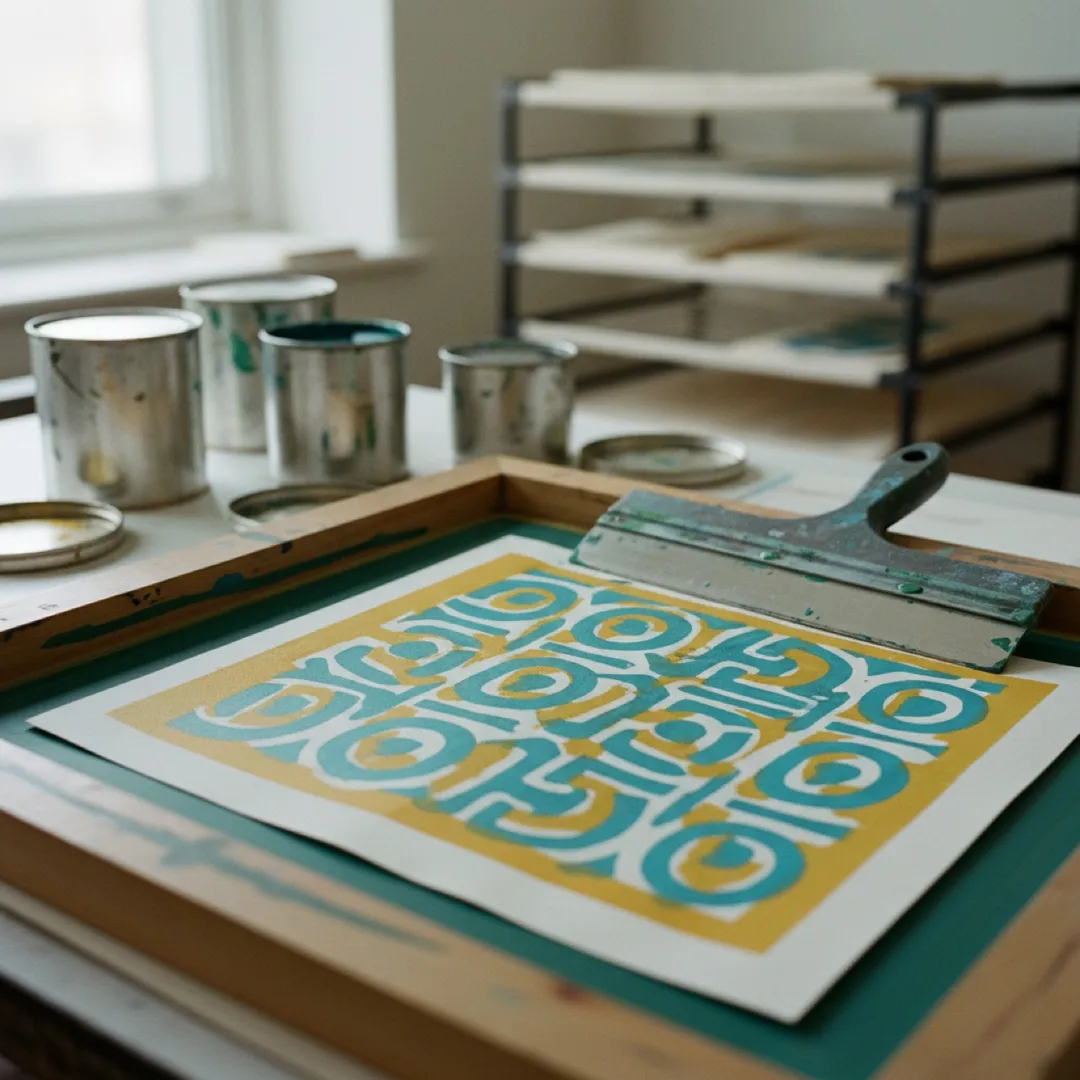
Two Kinds of Workshop, Two Kinds of Afternoon
Nonprofit arts programs in the Mission tend to emphasize community art forms, such as muralism, screen printing, papel picado, and printmaking, and many have long-standing ties to the neighborhood's Latino arts history. The Mission Cultural Center for Latino Arts on Mission Street between 24th and 25th Street and Precita Eyes Muralists on 24th Street are two well-known examples that have offered classes, tours, or community programs over the years; check their own sites for what is currently scheduled.
Independent studios and design shops near Valencia Street lean more toward contemporary crafts like ceramics, natural dyeing, jewelry, or bookbinding. Neither type is better, but they suit different moods. If you want to understand the neighborhood, start with a community-rooted class. If you want a particular technique for a home project, an independent studio session may be more focused.
A useful test is to ask what you want to take home. If the answer is a print that says something about the neighborhood, or the experience of working beside longtime local artists, the nonprofit route is the stronger fit. If the answer is a mug you will use every morning or a technique you plan to practice at your kitchen table, an independent studio with smaller groups and dedicated equipment will usually serve you better. Some people do one of each over two weekends, which is a good way to learn how the neighborhood's creative scene fits together.
Telling the Karpo APP What You Are After
Search works better when you describe your intent rather than a single keyword. Try something like a beginner screen-printing class in the Mission on a Saturday, under forty dollars if possible, or a weekday evening ceramics session near Valencia Street for two. Ask Karpo to help you gather candidates and compare them by day, time, level, and what is included.
Treat the results as a starting point. Small nonprofits often post schedules late or change them with funding cycles, so always confirm on the organizer's page and, when it is unclear, send a short message. Saving two or three options in one plan lets you pivot quickly if your first choice is full.
Building a Mural Walk Around Your Class
One of the best things about a Mission workshop day is that the walk is part of the lesson. Balmy Alley, running between 24th and 25th Street from Treat Avenue to Harrison Street, is lined with murals painted since the 1970s and 1980s, and nearby Clarion Alley off Mission Street between 17th and 18th has its own constantly changing collection. Walking one of these before a printmaking or mural class gives you a visual vocabulary for the session.
The Women's Building on 18th Street, with its huge MaestraPeace mural wrapping the facade, is another stop that ties the neighborhood's art history together. Keep the walk short if your class is long; a thirty-minute loop is plenty when you also need energy for two hours at a print table.
Getting Around Without a Car
The neighborhood is well served by BART, with stations at 16th Street Mission and 24th Street Mission, so choose the station closest to your class. Mission Street itself is busy, and Valencia Street is popular with cyclists, which makes a bike a good option if the class allows you to store one inside or nearby.
If you are carrying finished prints or wet canvases, plan your return route before the session. A flat portfolio or a rigid folder protects paper work on BART much better than a tote. For larger pieces, ask the organizer whether you can leave work to dry and pick it up later.
Where the Day Can Go Wrong
Skip trying to combine a workshop with a sunny-weekend visit to Dolores Park unless you plan for crowds; the park fills quickly on warm Saturdays and the surrounding streets get congested. Also avoid booking a class right before a big neighborhood event without checking the date, since street closures and crowds can make getting to a small studio slow.
Be realistic about language and pace as well. Some community programs are taught in Spanish or bilingually, which can be a wonderful experience, but ask in advance if you need instruction in a particular language. A clear expectation keeps everyone comfortable at the table.
A Simple Plan B
If your class is full or cancelled, the Mission Branch of the San Francisco Public Library on 24th Street at Bartlett is a calm public space close to BART, and library branches sometimes host free public programs; check the SFPL calendar for dates. You can also turn the afternoon into a self-guided mural walk and book a class for another week.
Having this backup saved in your plan means a cancellation does not ruin the day. You still learn something about the neighborhood's art, and you leave with a clearer idea of which workshop to try next.
Practical Notes for Mission Workshops
Wear clothes you do not mind getting ink or paint on, since printmaking and mural classes are messy by nature. Bring water and a light layer; the Mission is often sunnier and warmer than the western neighborhoods, but evenings still cool off. Many community programs keep costs accessible, so if a sliding scale is offered, pay what fits your budget honestly.
After the class, record in the Karpo APP what you made, the organizer, the time slot, and the walk you paired with it. Those notes make the next Mission weekend easier to plan and help you build a personal map of the places where you actually enjoyed learning.
Ask Karpo for more information.
Keep reading
- Stonestown Winter Farmers Market Picker for Student Cooks
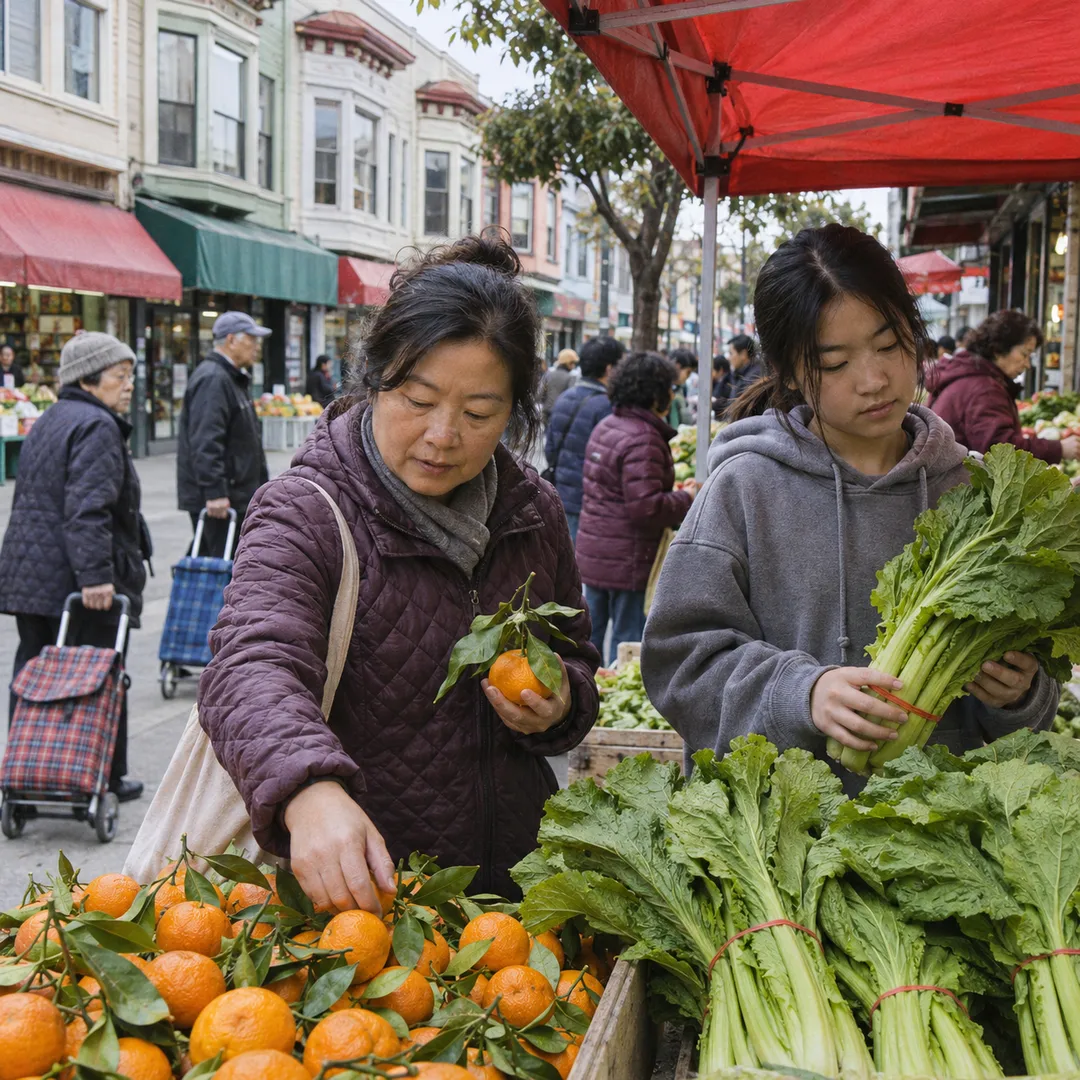 Clement St Winter Farmers Market Picker for Lunar New Year
 Fort Mason Winter Farmers Market Picker for Citrus Bakers