 Bernal Heights Pottery Glaze Supply Browsing Route: Walk
Hidden Gems & Odd Finds
North Beach Comic Shop Crawl Planner for Underground Comix
Curious about San Francisco's underground comix? Plan a North Beach crawl that hunts reprints and old anthologies, then read them over espresso in a Beat cafe.
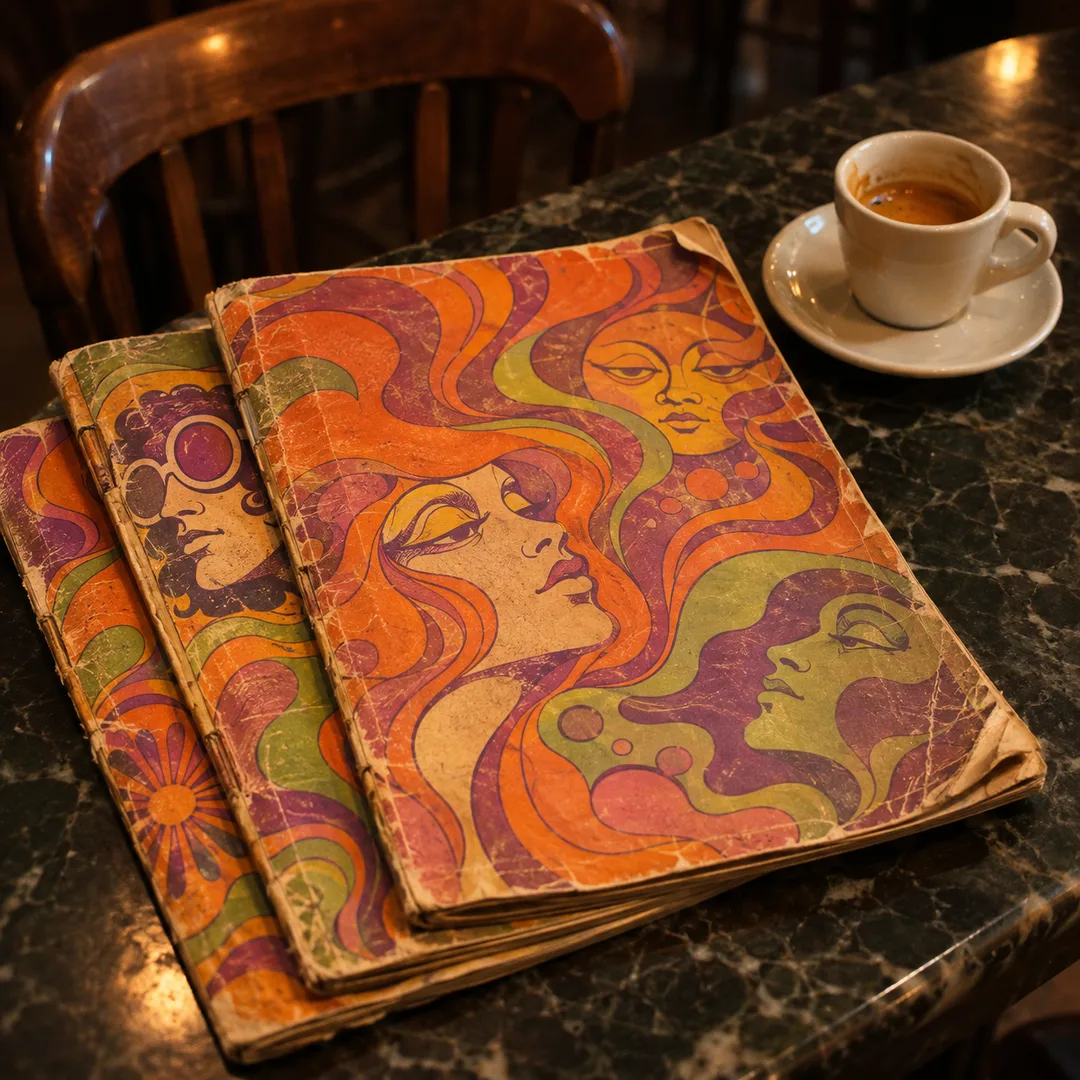
A comic shop crawl planner for North Beach starts with a piece of local history. In the late sixties, San Francisco became the home of underground comix, the raw, self-published and often outrageous books that broke every rule mainstream publishers followed. Just a few years earlier, Beat poets had made North Beach's cafes and bookshops famous. This crawl ties the two together for adult readers who want a reprint in hand and a story behind it.
A Short Story of Comix in San Francisco
Underground comix were spelled with an x to separate them from the kids' comics on newsstands. Artists drew whatever they wanted, printed cheaply and sold the books through head shops and record stores instead of comic racks. Sex, drugs, politics and satire filled the pages, along with some of the most inventive cartooning of the century.
Many of those artists lived and worked in San Francisco, and the scene shaped everything that came after it: alternative comics, graphic memoir, small press zines. When you walk North Beach today, you are walking the same streets where readers once traded these books by hand.
Who This Crawl Is For
This plan suits adults curious about comics history, longtime readers who never dug into the underground era, and visitors who love the Beat story and want a new angle on it. Underground comix are explicit and often deliberately offensive, so leave the kids at home for this one.
It also suits slow walkers. North Beach is compact, full of cafes and benches, and best enjoyed in short bursts of browsing broken up by coffee.
Stop One: The Beat-Era Bookstore
Begin at the famous poetry bookstore on the edge of the neighborhood, the one that published the Beats and still feels like a reading room. Head upstairs to the poetry nook, then find the shelves of small press, counterculture and graphic work. Even when underground reprints are limited, you will see how close comix and poetry chapbooks were in spirit.
Look for histories of the counterculture and art books on sixties poster artists. Psychedelic concert posters and comix shared artists, printers and audiences, and learning one helps you read the other.
Stop Two: Hunting Reprints and Anthologies
Next, cross into a comic or used book shop with a strong back catalog. Original underground issues are collector items now, often fragile and sealed, but most of the classic work is available in collected reprints and big anthologies. Those are the books to read, not the slabs in the case.
Ask staff for a starter collection by one of the founding artists, plus a broader anthology that mixes many voices. Reading one artist deeply and many artists briefly is the fastest way to understand the scene.
How to Read Underground Comix Today
Expect to be uncomfortable. Many pages contain racist, sexist or violent imagery that the artists used as shock or satire, and some of it has aged badly. Read with the history in mind: these books were reacting to censorship and to the sanitized comics code of their time.
Notice the craft beneath the shock. Dense crosshatching, wild page layouts and hand-lettered titles show artists inventing a visual language from scratch. Even if the content puts you off, the drawing is worth studying.
Espresso in a Beat-Era Cafe
North Beach is the city's old Italian quarter, and its cafes are part of the story. Some have served espresso since the days when poets wrote in the back booths. Pick one with a window seat, order an espresso or cappuccino and read the first chapter of your anthology there.
Keep the cup on the far side of the table and the book flat. Old-style newsprint reprints stain easily, and a cafe full of people chatting in several languages is the perfect background for reading rebellious comics.
A Walk Through Washington Square
After coffee, walk to the green square at the center of the neighborhood. Its lawn is ringed by benches and tall trees, with the twin spires of the church on one side. Locals practice tai chi here in the mornings, and in the afternoon people eat focaccia from the bakeries nearby.
Sit on a bench and flip through the rest of your finds. If you bought a history book, read the section on San Francisco publishers. It will make the next stop more meaningful.
Climbing Telegraph Hill's Stairways
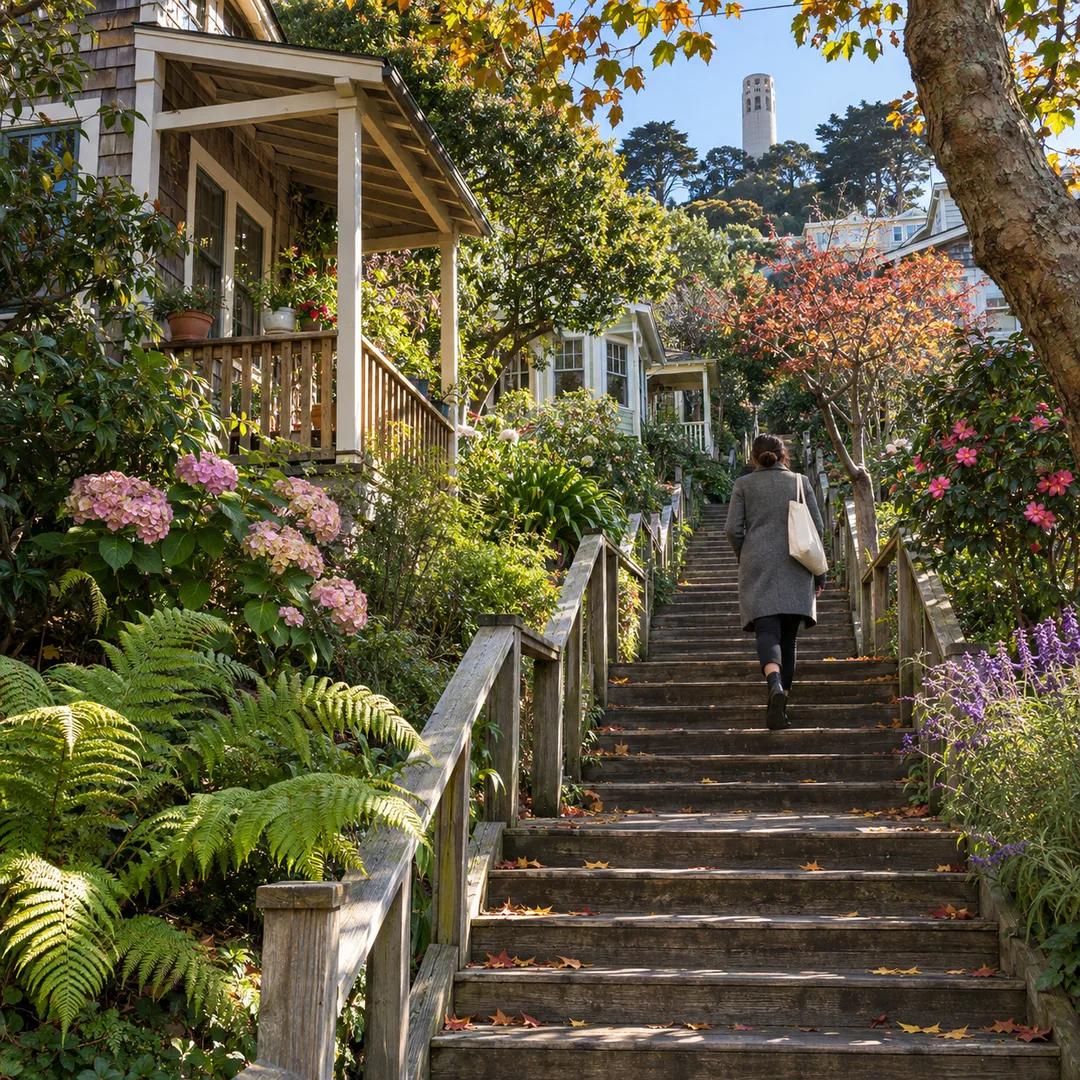
For a change of pace, walk up toward the tower on top of Telegraph Hill. The streets climb steeply, and on the far side wooden stairways wind down through gardens, cottages and leafy paths. The tower's lobby holds Depression-era murals painted by local artists, a fitting neighbor to a day about rebel art.
Wear good shoes and carry water. The stairs are steep, and the gardens are private homes, so stay on the path and keep your voice low. Wild parrots are sometimes heard in the trees here.
Stop Three: Posters, Prints and Small Galleries
Back in the neighborhood, look for small galleries and shops that sell vintage prints, rock posters or local art. Many carry work by artists who also drew comix, or whose style grew out of that era. A framed print can be a better souvenir than a costly first edition.
Skip the souvenir shops on the busy tourist corners. Their posters are usually generic and mass-printed. The quieter side streets hide the more interesting prints.
Building a Starter Shelf Without Overspending
It is easy to come home with a bag of heavy anthologies you never finish. Cap the day at two books: one collection of a single artist and one history or broad anthology. If you fall for a particular cartoonist, note the name and look for their later work on your next visit.
Resist the urge to buy an original sixties issue as a trophy. Condition varies wildly, the paper is brittle, and a good reprint shows the art more clearly than a yellowed copy you are afraid to open. Spend the difference on a print from a local artist instead, and you support someone working in that same independent spirit today.
Dinner and an Evening Read
End the day with dinner at one of the old Italian trattorias or a newer spot along the main avenue. Many still feature checkered tablecloths and family recipes, and the evening crowd brings back the neighborhood's late-night energy.
After dinner, consider stopping at a bar where the Beats once drank, if you want the full story. Order slowly, read a few more pages, and watch how the neighborhood still mixes poetry, tourists and locals.
Planning a Return Trip
Underground comix are a deep rabbit hole. Once you have a starter collection, the next step might be the women cartoonists who fought for space in that scene, or the alternative comics that grew out of it in the eighties and nineties.
When you want to plan the next round, the Karpo APP can suggest comic shops, used bookstores and art galleries in North Beach or anywhere else in the city, so your next crawl can dig a little deeper.
Ask Karpo for more information.
Keep reading
- Bernal Heights Pottery Glaze Supply Browsing Route: Walk
 Potrero Hill Pottery Glaze Supply Browsing Route: Walk
 Mission Pottery Glaze Supply Browsing Route: Studio Walk