 Bernal Heights Pottery Glaze Supply Browsing Route: Walk
Hidden Gems & Odd Finds
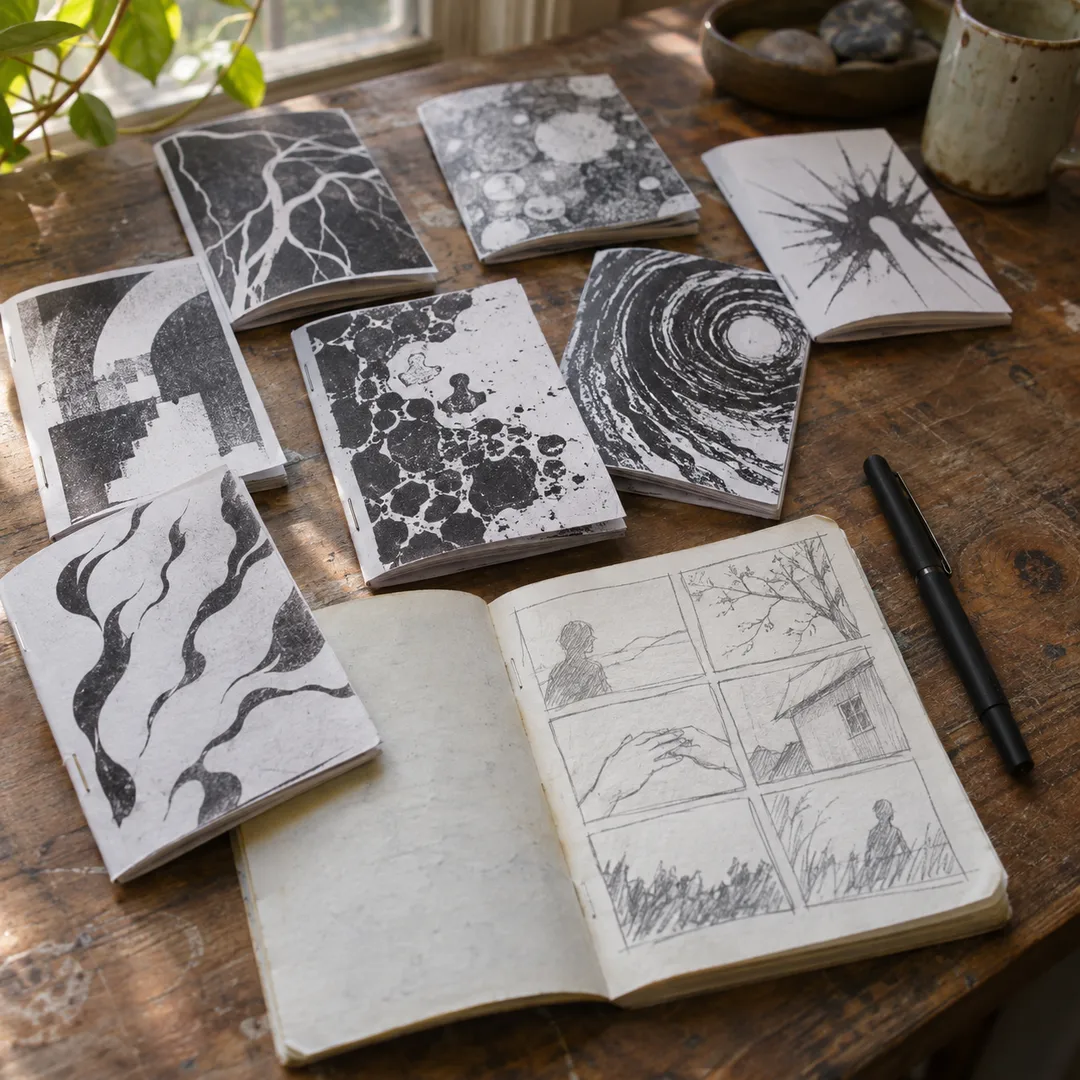
Mission District Comic Shop Crawl Planner for Zine Makers
Making your own zines? Plan a Mission District comic crawl that pairs small press racks with mural alleys, a sketch stop and a taqueria table for trading minis.
A comic shop crawl planner for the Mission District should start with one question: are you shopping as a reader or as a maker? This guide is for makers. The Mission has a long habit of self-publishing, from poetry chapbooks to punk flyers to photocopied minicomics, and its shops tend to keep a corner for local small press work. Come with a sketchbook, a tote and a few of your own zines to trade.
Why Makers Should Crawl the Mission
Most comic crawls are built around new releases. A maker's crawl is built around the margins: the spinner rack of stapled minis by the register, the shelf of risograph prints, the box of local anthologies nobody has alphabetized. In the Mission those margins are unusually full, because the neighborhood has always treated cheap printing as a way to be heard.
You are not here to fill a long box. You are here to study how other people solved the problems on your own desk: how small a panel can get, how a cover reads from three feet away, how a story lands in eight pages.
What to Pack Before You Leave
Bring a sketchbook small enough to hold in one hand, a pen that does not smear, and a flat folder so the minis you buy do not curl in your bag. If you have your own zines, pack five or six copies. Trading is common at small press shelves and at the counter, and a handmade copy is often the best introduction.
A few small bills or a card are fine, though the fun of a maker's crawl is that the best finds rarely cost much. Leave the heavy backpack at home. Shops here can be narrow and crowded, and you will want both hands free to flip.
Stop One: The Small Press Shelf
Start at the shop you know carries the most local self-published work and go straight past the new release wall. Find the small press section and give it twenty unhurried minutes. Pick up anything with a hand-drawn cover, a strange fold or a printing method you have not tried, and look at the back for the maker's name.
Ask whoever is behind the counter which local artists they have been restocking lately. Staff at shops that carry consignment zines usually know the makers personally, and they will often point you toward a reading, a fair or an anthology call you would never find online.
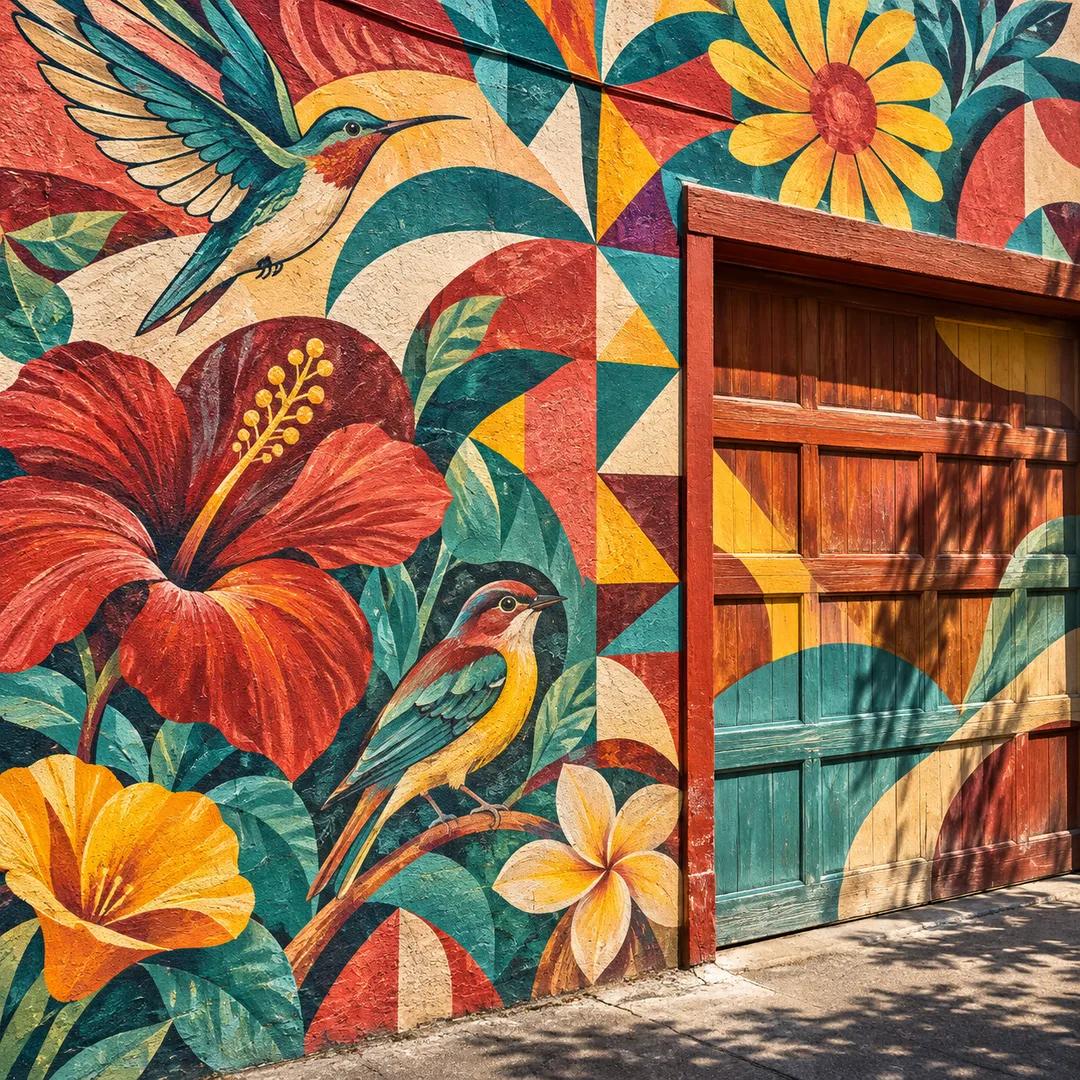
Walking the Mural Alleys Between Shops
Between the first and second stops, detour through the painted alleys that the Mission is known for. Some walls here carry decades of community murals, political stories and portraits told in sequence, which makes them oddly close to comics. Notice how the painters move your eye from one scene to the next across garage doors and fences.
Stand at the end of an alley and sketch the layout of a single wall in thumbnail form, just boxes and arrows. It is a fast lesson in pacing. Keep your voice low and your sketchbook out of driveways, since these are working residential lanes, not a gallery.
Stop Two: Bilingual and Latin American Comics
The Mission's Latino roots show up on comic shelves too. Look for Spanish language and bilingual titles, Mexican historieta reprints, lucha libre adventures and graphic memoirs about migration and family. Even if you do not read Spanish, these books are a master class in bold color and loud lettering.
If you are a maker, pay attention to how bilingual comics handle two languages on one page. Some stack the translations, some split them by character, some let images carry the meaning. Take a note of the approach you like and try it in your next mini.
A Sketch Break in the Park
By now your bag has a few new minis and your head has too many ideas. Walk up to the sloping park at the western edge of the neighborhood, find a patch of grass with a view of the downtown skyline, and spread out your finds. Read the shortest ones first.
Then draw for fifteen minutes. Copy one panel you admired, not to steal it but to understand it. The park is busy on sunny weekends with picnics and dogs, so weekday afternoons are calmer if you want to sketch without someone's frisbee landing on your page.
Stop Three: The Back Issue Bins
Your final shop should be the one with the deepest back issue bins. Older single issues are a cheap way to study craft from other decades: thick black inks from the eighties, wild color experiments from the nineties, letters pages where readers argued with the editors. Flip fast and pull anything with a cover that makes you stop.
Skip the slabbed, graded books in the glass case. They are for collectors, and a maker gets nothing from a comic you cannot open. A beat-up reading copy you can fold back and study is worth far more to your own pages.
Trading Minis Without Being Awkward
Trading is easier than it sounds. Hand over one of your zines, say you made it, and ask if they would like to swap or if the shop takes consignment. If the answer is no, smile and leave the copy as a gift. Small press scenes run on generosity, and that copy might reach the right reader.
Write your handle or email inside the back cover before you leave home, so anyone who likes it can find you. Never leave stacks on a counter without asking first. Shops have limited space and a pile of uninvited flyers usually ends up in recycling.
Lunch at a Taqueria Table
End the crawl the way the Mission ends most afternoons, at a taqueria with long tables and fast service. Order something you can eat with one hand, because the other will be turning pages. A burrito wrapped in foil travels well if you want to take it back to the park instead.
Keep the comics in their folder and the salsa on the far side of the tray. One stray drop of red sauce on a risograph cover is a sad way to end the day, and newsprint soaks up grease faster than you think.
Crawling With a Drawing Group
If you draw with friends, split the crawl. Each person takes one shop, buys one mini under a self-imposed limit, and everyone meets at the taqueria to pass them around the table. You will see more of the shelves, spend less, and leave with a shared stack of ideas to argue about.
Groups of more than four should not move through a small shop together. Send two people in at a time while the others sketch outside. Staff will appreciate it, and you will actually have room to reach the bottom shelf.
When the Fog or Rain Rolls In
The Mission is often one of the sunnier parts of the city, but rain still arrives in winter. On wet days, cut the alley walk short and spend more time inside the shops, then move the sketch break to a cafe with a big table. Slide your folder inside a plastic bag before you step outside again.
Wet days are also good for long reading. Pick one graphic novel from the second stop and read it cover to cover over a hot drink instead of skimming ten minis.
Taking the Crawl Home to Your Desk
When you get home, lay out everything you bought and write one sentence about each: what it taught you, what you want to try. Pin your favorite cover above your desk. Then start a new mini that same evening, while the alley walls and the bin finds are still loud in your head.
When you want to plan the next round, the Karpo APP can help you find comic shops, zine fairs and art supply stores in the Mission or in another neighborhood, so every crawl feeds a new page.
Ask Karpo for more information.
Keep reading
- Bernal Heights Pottery Glaze Supply Browsing Route: Walk
 Potrero Hill Pottery Glaze Supply Browsing Route: Walk
 Mission Pottery Glaze Supply Browsing Route: Studio Walk