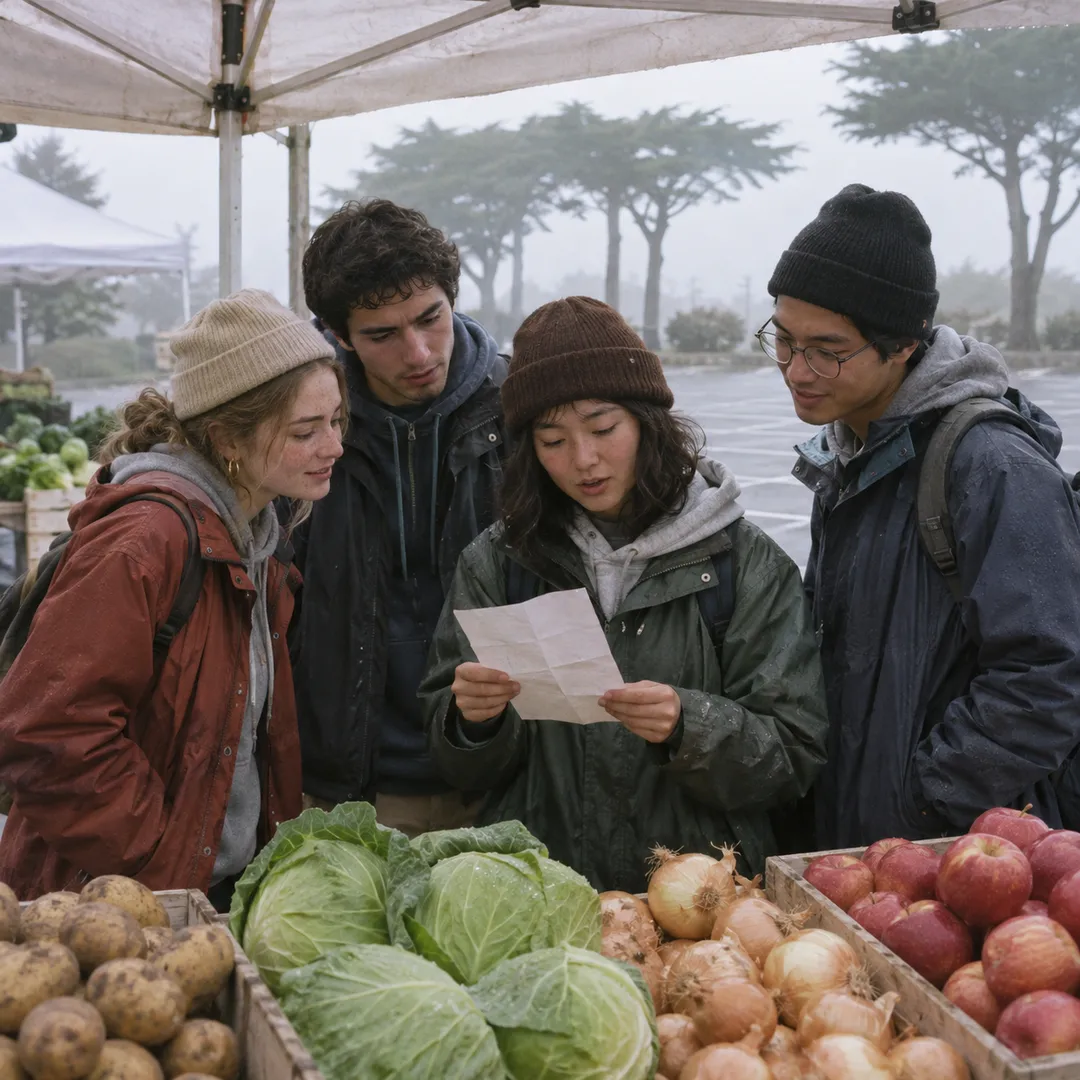
 Stonestown Winter Farmers Market Picker for Student Cooks
Weekend Plans
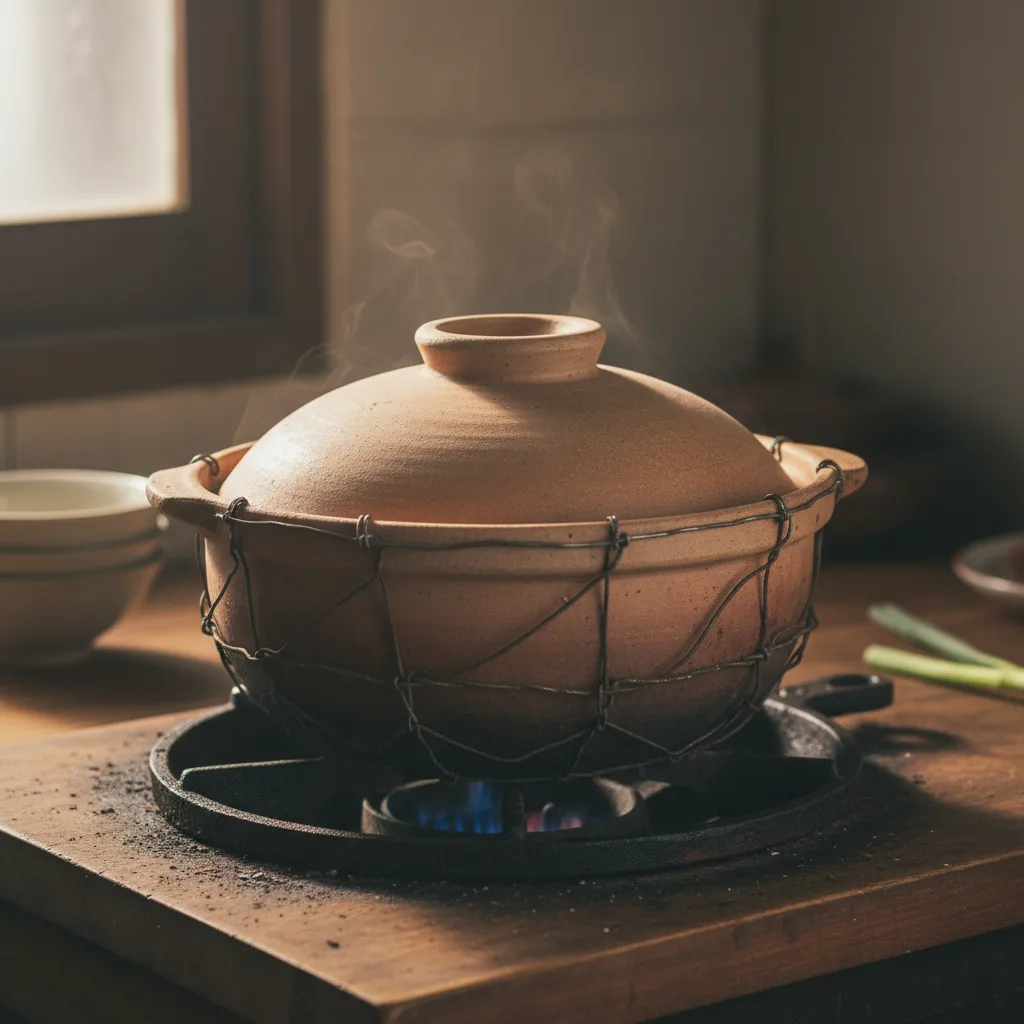
Sunset District Clay Pot Cooking Workshop Kitchen Route
Delve into traditional Cantonese clay pot rice and savory winter braises near ocean breezes and park trails in the Sunset District of San Francisco.
Perched in a welcoming neighborhood kitchen studio along the tranquil avenues of the Sunset District, this weekend clay pot workshop celebrates the comforting warmth of Southern Chinese home cooking. Focused on the traditional Cantonese sand pot, the class guides participants through the intricate art of preparing baozai fan, where fragrant long-grain rice, marinated meats, and sweet cured sausages cook together over steady flame. With ocean breezes drifting in from Ocean Beach and Golden Gate Park just steps away, students learn how natural earthenware creates an intensely savory meal crowned with a prized golden rice crust.
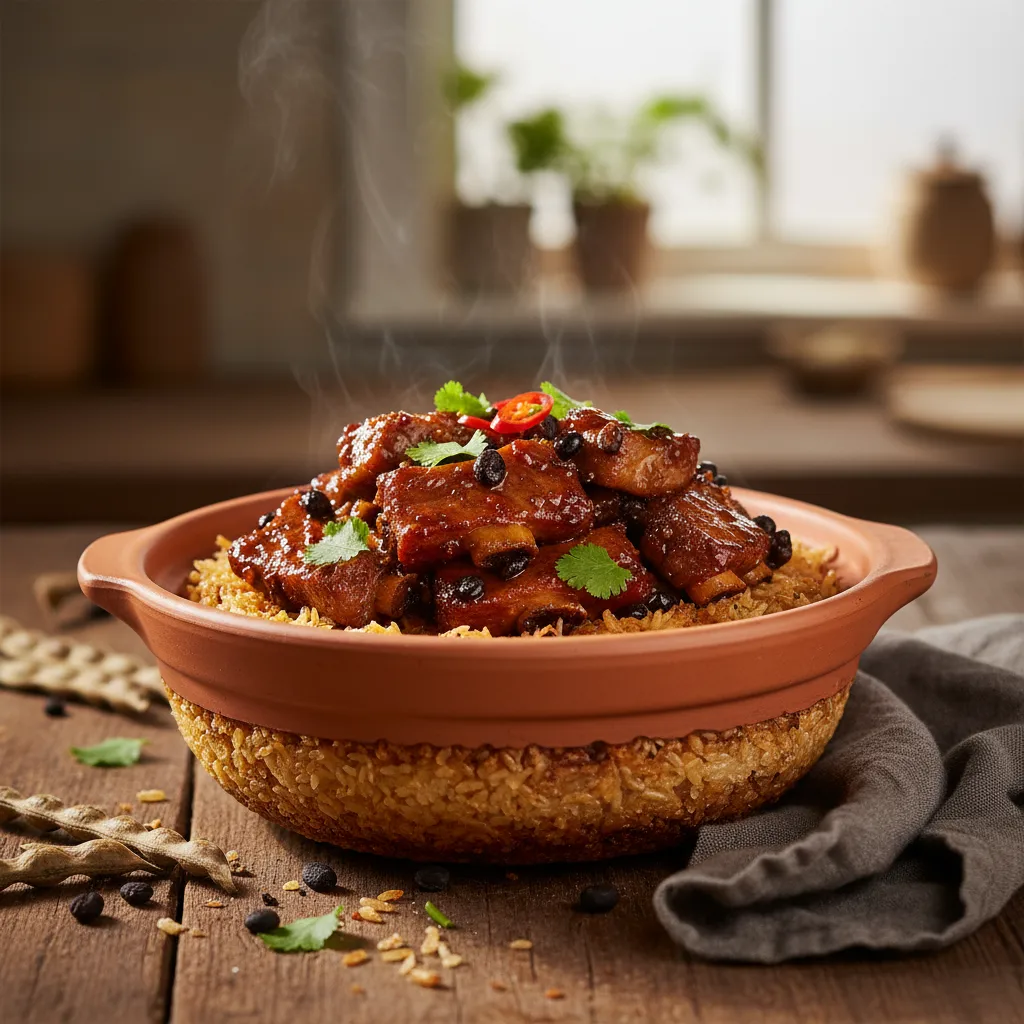
Cantonese Clay Pot Traditions and Sand Pot Anatomy
The engineering behind the Cantonese sand pot reflects centuries of functional domestic innovation. Crafted from coarse, iron-rich stoneware clay mixed with sand, the vessel features natural microscopic pores that insulate ingredients from harsh heat spikes while allowing gentle radiant warmth to penetrate deep into grains and meats. Exterior galvanized wire wrapping reinforces the structural integrity of the pot, protecting it against thermal expansion stress during high-heat crust formation. Students handle authentic sand pots, noting how the sturdy wire cage and snug-fitting lid create an ideal cooking chamber.
Selecting and evaluating traditional clay cookware demands attention to craftsmanship and material quality. Instructors explain how unglazed clay exteriors allow the vessel to breathe, while semi-glazed interior linings resist staining and promote easy cleanup after rich braises. Participants learn how regular use seasons the porous ceramic, gradually imparting a subtle depth of flavor that makes vintage pots cherished family possessions in Cantonese households.
The cultural soul of clay pot cooking in San Francisco is woven into the immigrant fabric of the Sunset District, where multi-generational families have long gathered around simmering clay pots on chilly coastal evenings. The arrival of a sizzling sand pot at the family table, accompanied by the aroma of toasted sesame oil and aged soy sauce, represents an enduring symbol of hospitality and comfort. Mastering these techniques connects students directly with the living culinary traditions of the surrounding community.
Thermal Retention Principles and Flame Management
Mastering stovetop flame regulation represents the most critical technical skill taught during the workshop. Because placing cold ceramic pots over roaring gas burners can cause sudden cracking, every cooking station features a heavy cast-iron flame diffuser plate. Students learn to start their burners on low settings, allowing the clay to absorb warmth gradually before increasing the flame to a steady, controlled simmer that brings water to a gentle rolling boil.
Listening attentively to the auditory signals from the vessel provides essential clues throughout the cooking cycle. While liquid remains abundant, the sand pot emits a quiet, rhythmic hum accompanied by wisps of steam carrying aromas of Shaoxing wine, ginger, and fermented black beans. As moisture evaporates and rendered animal fats settle toward the bottom, the sound shifts to a crisp, steady crackle, signaling that the rice crust is beginning to form along the earthenware base.
Moisture regulation in sand pot cookery requires precise calibration of water-to-rice ratios. Because the heavy clay lid prevents excessive evaporation, adding too much liquid results in soft, soggy grains that cannot crisp properly. Instructors demonstrate how soaking the jasmine rice for thirty minutes prior to cooking ensures uniform starch hydration, allowing the grains to cook to tender perfection while maintaining individual separation.
Crafting Crispy Golden Crust with Cured Meats
The centerpiece recipe of the workshop is traditional Cantonese clay pot spare ribs with fermented black beans, sweet lap cheong pork sausages, and fresh scallions over fragrant jasmine rice. Students begin by marinating bite-sized pork riblets in a savory mixture of garlic, ginger, fermented black beans, soy sauce, and Shaoxing wine. The soaked rice is placed inside the sand pot with precise water measurements and brought to a steady boil over medium heat.
Once the water level recedes beneath the surface of the rice, the marinated ribs and sliced sausages are arranged evenly across the steaming grains. The lid is replaced, and the heat is reduced to low, allowing rich pork fats and aromatic juices to render downward through the rice. In the final five minutes of cooking, participants tilt and rotate the pot across the burner flame, ensuring that every corner of the base develops an unbroken, amber-colored crust that lifts cleanly away from the clay.
Just before serving, a warm seasoned soy sauce reduction made with rock sugar, dark soy, and scallion oil is drizzled around the interior rim of the sizzling pot, creating an intoxicating hiss that fills the studio with caramelized aromas. The pot is presented directly at the communal dining table atop heavy cork pads, where students break through the crispy crust with wooden spoons and savor the deep, comforting flavors of masterfully executed clay pot cooking.
Sunset Produce Markets and Golden Gate Park Strolls
During the slow-simmering interval, the class enjoys a refreshing walking tour through the bustling commercial avenues of the Sunset District and along the southern edge of Golden Gate Park. Strolling along Irving Street exposes students to vibrant open-air produce markets where bins overflow with fresh baby bok choy, Chinese broccoli, fresh ginger roots, and specialty seasonal greens. Instructors share tips on selecting crisp, tender vegetables that provide refreshing balance to rich clay pot dishes.
The walking route pauses at neighborhood dry goods stores and traditional herbal pharmacies where shelves display imported dried shiitake mushrooms, dried scallops, and artisanal cured sausages. Interacting with local merchants offers valuable insight into sourcing authentic ingredients that elevate homemade Cantonese braises. The friendly neighborhood atmosphere illustrates why the Sunset District remains a vital culinary destination for Asian food enthusiasts.
Crossing into the tranquil pathways of Golden Gate Park allows participants to take in towering eucalyptus groves and serene park meadows. The refreshing maritime air and natural beauty provide an invigorating mental break, allowing students to reflect on the historical connections between urban immigrant communities and traditional regional cooking techniques.
Earthenware Conditioning and Kitchen Studio Etiquette
Proper cleaning and maintenance protocols ensure that Cantonese sand pots remain in excellent condition for decades of regular family meals. Students learn to let their vessels cool completely to room temperature before washing them with warm water and natural palm fiber brushes, strictly avoiding synthetic detergents that can penetrate porous earthenware. Stubborn scorched rice remnants are easily removed by soaking the pot in warm water for thirty minutes.
Caring for seasoned earthenware requires dry storage where moisture cannot settle into unglazed clay walls. Workshop leaders advise placing clean paper towels between nested pots and leaving lids slightly ajar to encourage continuous air circulation. If mineral clouding or lingering aromas occur, boiling a sliced ginger and water mixture inside the pot swiftly restores fresh baseline conditions.
Getting ready for this Sunset District cooking day calls for relaxed casual attire and flat rubber-soled shoes suited to kitchen standing and sandy park paths. While heavy cotton aprons and prep tools are provided at each cooking station, bringing a small notepad allows students to record exact soy sauce reductions and flame rotation timing.
Ask Karpo for more information.
Keep reading
- Stonestown Winter Farmers Market Picker for Student Cooks
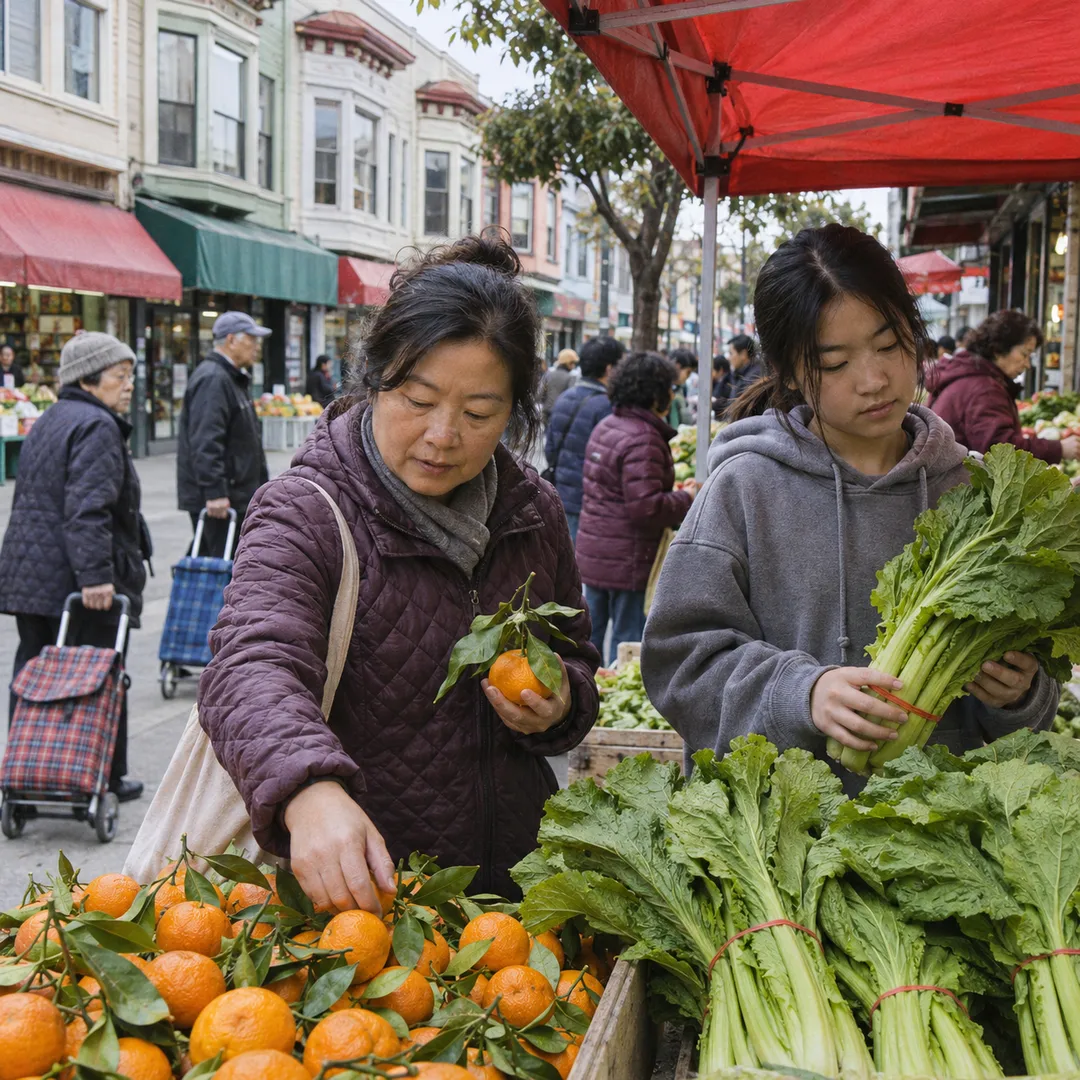 Clement St Winter Farmers Market Picker for Lunar New Year
 Fort Mason Winter Farmers Market Picker for Citrus Bakers