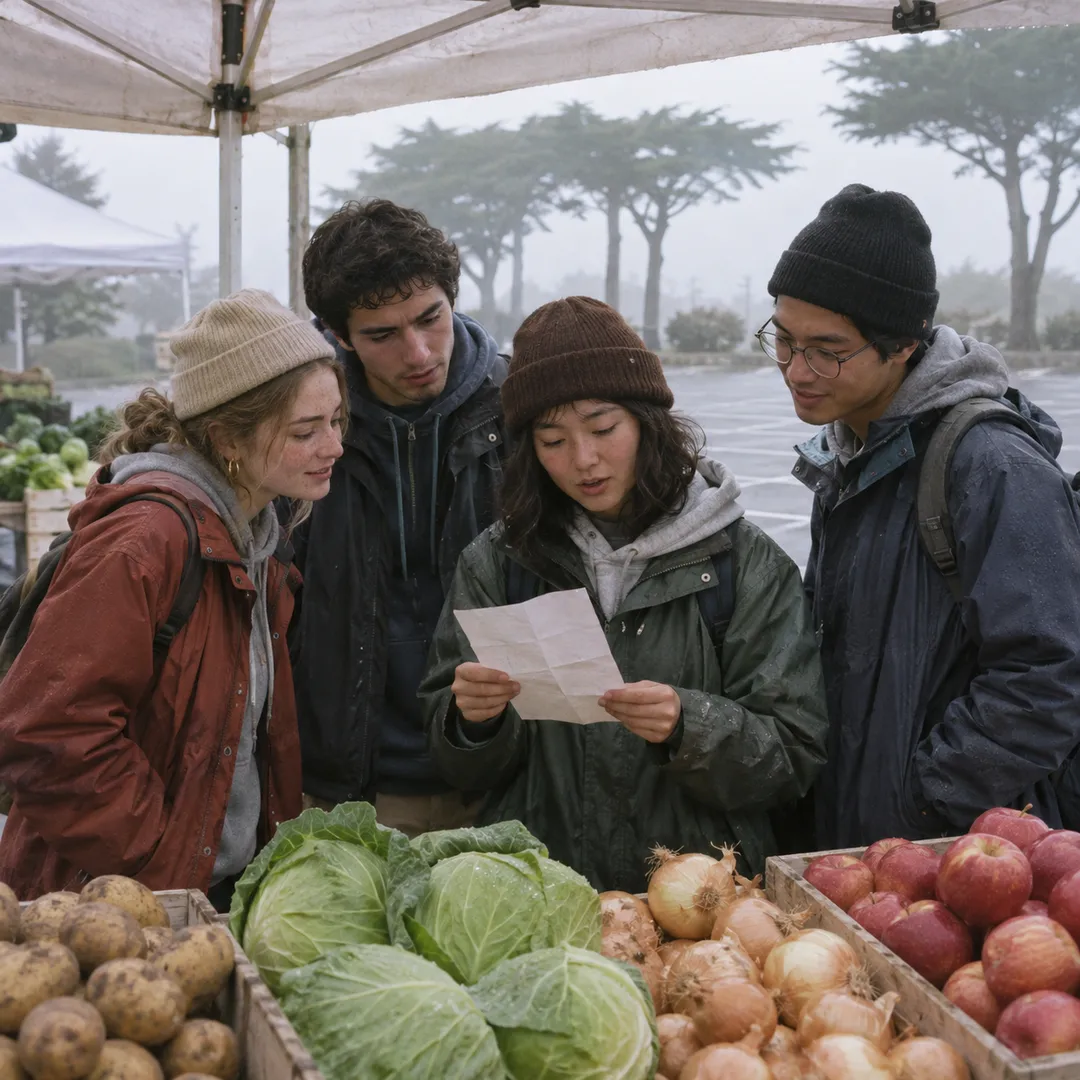
 Stonestown Winter Farmers Market Picker for Student Cooks
Weekend Plans
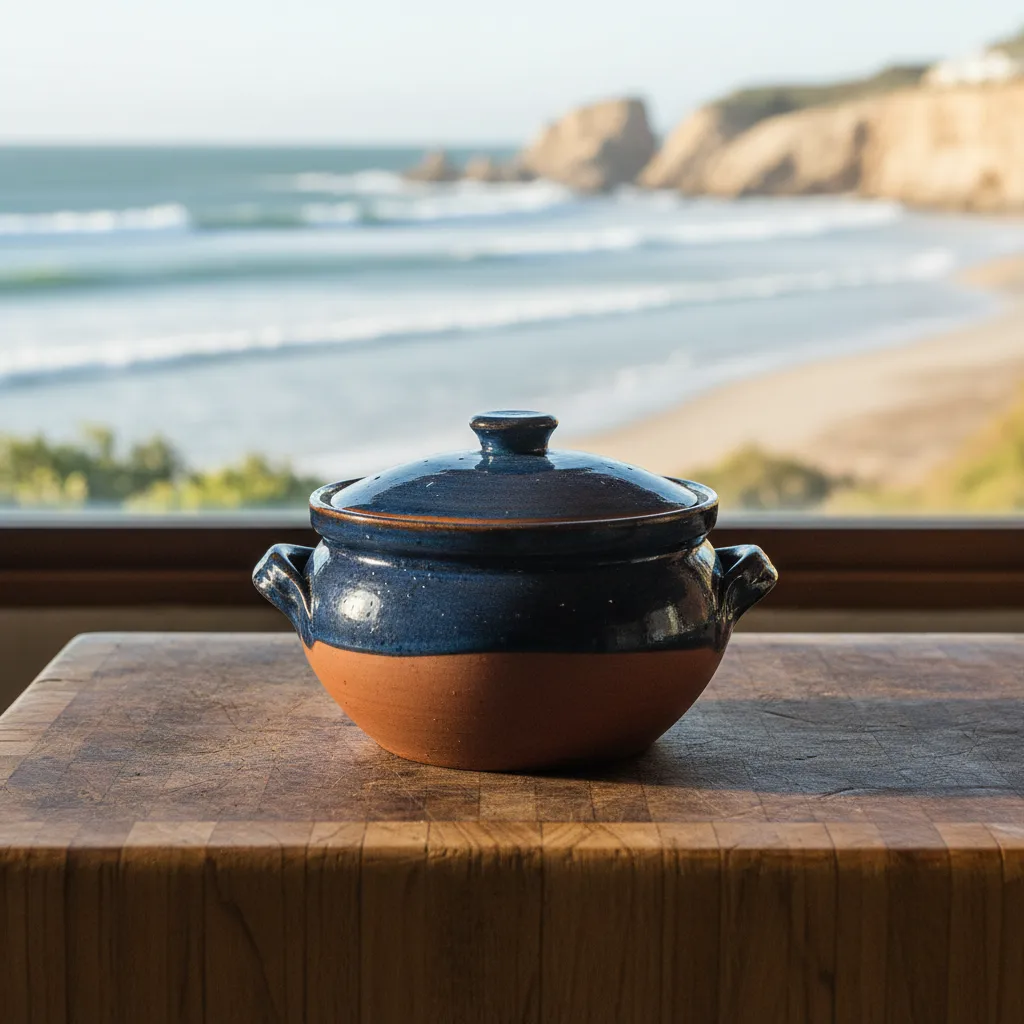
North Beach Clay Pot Cooking Workshop Telegraph Stroll
Savor Ligurian coastal seafood braises and slow-cooked earthenware stews amidst the storied hills and Italian heritage streets of North Beach, San Francisco.
Nestled in an inviting culinary studio near Washington Square Park in North Beach, this weekend clay pot workshop celebrates the maritime soul of Italian-American cooking. Centered on the traditional glazed terra cotta pot known across Liguria as the tegame di terra, the class explores the exceptional ability of earthenware to stew delicate coastal seafood into rich, harmonious broths. As morning fog lifts from Telegraph Hill, participants discover how slow radiant heat marries fresh crab, ocean fish, and sweet tomatoes without breaking delicate seafood textures, creating an authentic San Francisco culinary experience.

Ligurian Earthenware Heritage and Mediterranean Roots
The design of the Ligurian clay tegame represents generations of Mediterranean coastal fishermen's domestic wisdom. Constructed with thick, gently curved earthenware walls and a glazed interior basin, the vessel provides uniform thermal mass that buffers sensitive seafood against high-heat scorching. Unlike thin stainless steel pans that boil rapidly and toughen fish proteins, earthenware maintains a steady, gentle braise that coaxes rich gelatin and natural sea brines from bones and shells.
Understanding how Italian potters select clay and apply food-safe glazes provides essential insight for modern home cooks. Workshop instructors explain that the ceramic body of a tegame absorbs heat slowly and releases it steadily, allowing broths to simmer in a continuous gentle roll. Students handle various sizes of traditional pottery, examining wall thickness, base stability, and handle ergonomics to appreciate the functional artistry behind traditional European earthenware.
The cultural lineage of North Beach cioppino traces back to the late nineteenth century, when Genoese and Sicilian immigrant fishermen pooled leftover fish scraps from their Monterey clipper boats into communal dockside clay pots. Cooked with garlic, wild oregano, tomatoes, and dry white wine, the resulting stew became San Francisco's definitive local seafood tradition. Recreating this heritage dish in authentic clay cookware connects participants directly with the city's rich maritime past.
Gentle Stovetop Convection and Seafood Emulsion Dynamics
Mastering temperature management is paramount when working with clay pots on modern gas stovetops. Placing raw pottery directly over high heat causes ceramic stress, so students learn to always use heavy cast-iron flame diffusers to distribute heat evenly across the base. Instructors guide participants in starting their burners on low settings, allowing extra-virgin olive oil, thinly sliced garlic, and crushed red pepper flakes to warm and infuse gently without burning.
Listening attentively to the acoustic rhythm of the pot helps cooks regulate heat with confidence. A properly calibrated earthenware stew produces soft, rhythmic bubbling sounds beneath its heavy lid, releasing plumes of savory steam carrying aromas of fennel seed, white wine, and roasted garlic. Recognizing this steady, gentle simmer ensures that shellfish steam open naturally while delicate white fish fillets remain moist and tender.
Moisture management in seafood clay pot cookery requires careful calibration of added liquids and natural fish juices. Because the heavy earthenware lid traps rising vapors and returns them continuously to the broth, cooks need only add a modest quantity of dry wine and shellfish stock. Watching the juices reduce and concentrate into a velvety sauce proves that enclosed clay cooking yields superior flavor density.
Simmering Coastal Cioppino and Herb-Infused Broths
The highlight of the workshop is preparing an authentic North Beach cioppino, featuring fresh Dungeness crab, Manila clams, black mussels, and wild rockfish in an herbed tomato-wine broth. Students begin by sautéing diced yellow onions, fennel, and garlic in golden olive oil inside the tegame before adding hand-crushed San Marzano tomatoes, dry sauvignon blanc, and aromatic fish stock. The broth simmers covered for thirty minutes, allowing the aromatic herbs to meld thoroughly.
Once the savory tomato base has reduced to an ideal consistency, the seafood is arranged deliberately within the steaming vessel. Whole cracked crab segments settle directly along the heated ceramic basin, with tender clams, plump mussels, and cod fillets layered gently over the top. Sealed tightly beneath its curved earthenware cover, the tegame harnesses circulating steam to pop open the shellfish in minutes, infusing the rich tomato reduction with pure oceanic essence.
The finished cioppino is presented at the communal table in the steaming clay pot, resting atop heavy wooden trivets and garnished with torn Italian parsley and crushed red pepper. Slices of toasted, garlic-rubbed San Francisco sourdough bread are served alongside for soaking up the rich, savory broth. Tasting the balanced interplay of sweet crab meat, briny shellfish, and fragrant tomato sauce confirms the culinary superiority of earthenware seafood cookery.
North Beach Historic Cafes and Telegraph Hill Vistas
During the slow-cooking interval, the class enjoys a refreshing walking tour through the storied streets of North Beach and up the slopes of Telegraph Hill. Strolling along Columbus Avenue and Green Street exposes students to century-old Italian bakeries, traditional espresso roasteries, and historic literary landmarks like City Lights Bookstore. Instructors share stories detailing how Italian immigrants shaped the neighborhood's culinary and artistic identity.
The walking path climbs the Filbert Street steps toward Coit Tower, winding through lush hillside gardens and offering breathtaking vistas of San Francisco Bay, Alcatraz Island, and the Golden Gate Bridge. The invigorating bay breeze and historic residential architecture offer an inspiring break, allowing participants to experience the dramatic topography and maritime beauty that define the surrounding enclave.
Descending through quiet alleyways, the group pauses at a traditional Italian specialty grocer to inspect imported olive oils, cured anchovies, and dried pasta varieties. Engaging with local merchants provides practical guidance on sourcing high-grade pantry essentials that elevate home cooking, reinforcing the intimate connection between neighborhood food markets and authentic regional cuisine.
Ceramic Cooldown Protocols and Workshop Recommendations
Proper cleaning and maintenance protocols ensure that Italian glazed earthenware pots remain in pristine condition for decades of regular family meals. Students learn to let their vessels cool completely to room temperature before washing them with warm water and soft sponges, strictly avoiding chemical detergents that can penetrate unglazed exterior surfaces. Stubborn seafood residues are easily loosened by soaking the pot in warm water mixed with baking soda.
Storing clay cookware requires dry, well-ventilated cabinet space to prevent moisture buildup inside the ceramic walls. Instructors demonstrate how to store the tegame with its lid inverted, cushioned by a folded cotton towel to protect the glazed rim from chipping. This simple practice ensures continuous airflow, keeping the vessel fresh, sweet-smelling, and ready for future culinary gatherings.
Attending this North Beach cooking class requires only simple preparations to guarantee an enjoyable afternoon. Participants should wear comfortable flat shoes suitable for kitchen standing and hillside stair climbing, along with casual clothing appropriate for active cooking stations. Quality cotton aprons, chef knives, and detailed recipe folders are supplied at each workstation, though bringing a notebook allows attendees to capture customized seasoning nuances and flame calibration tips.
Ask Karpo for more information.
Keep reading
- Stonestown Winter Farmers Market Picker for Student Cooks
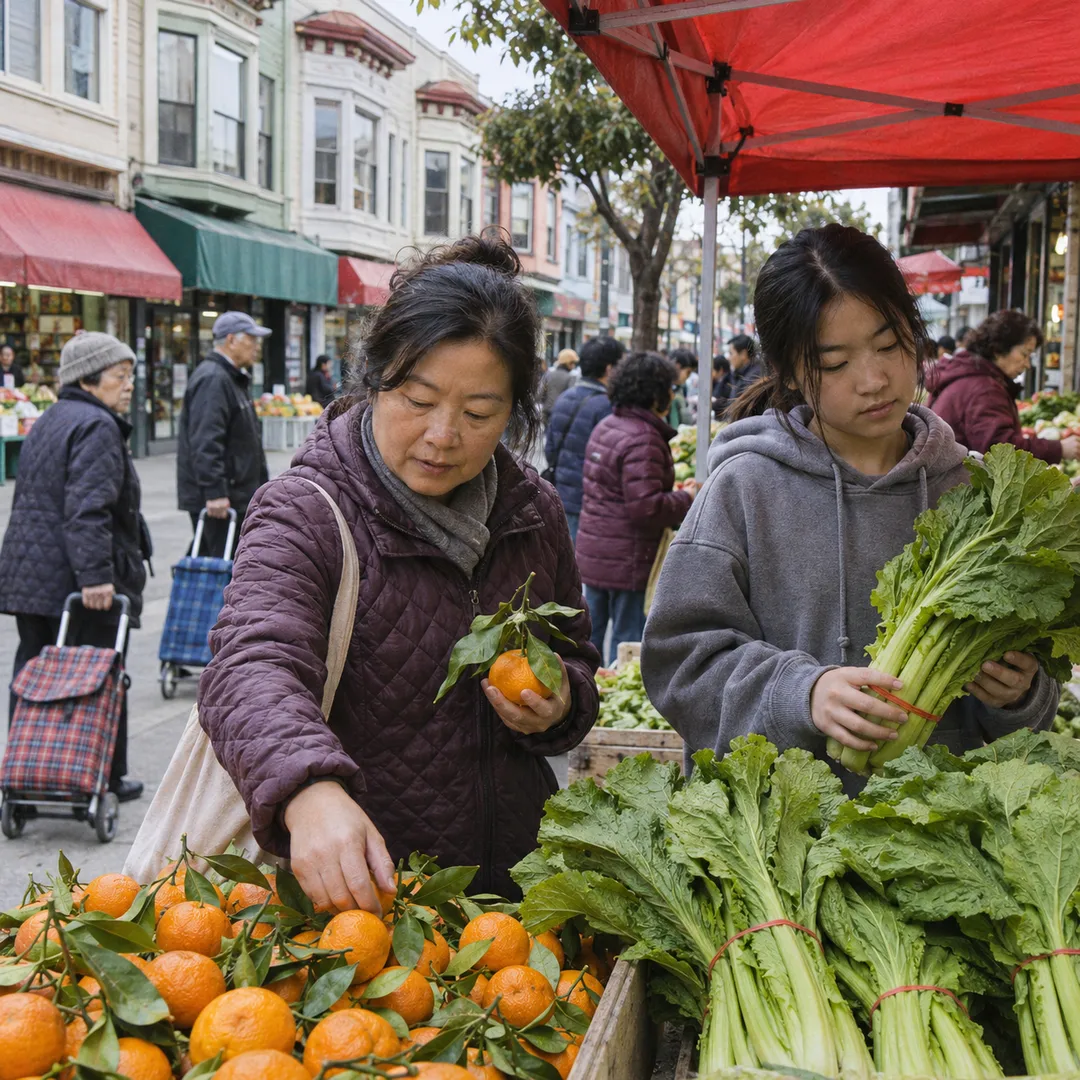 Clement St Winter Farmers Market Picker for Lunar New Year
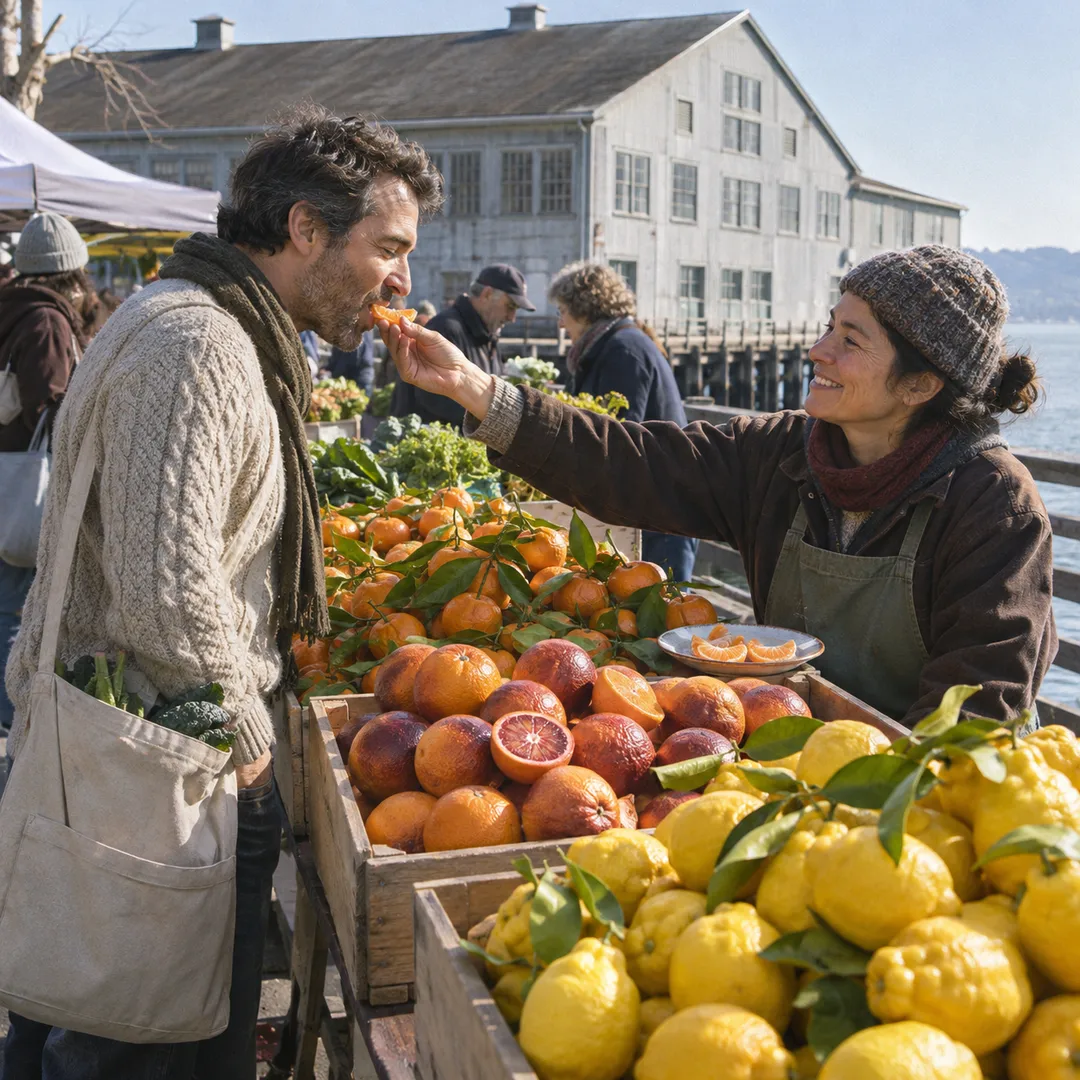 Fort Mason Winter Farmers Market Picker for Citrus Bakers