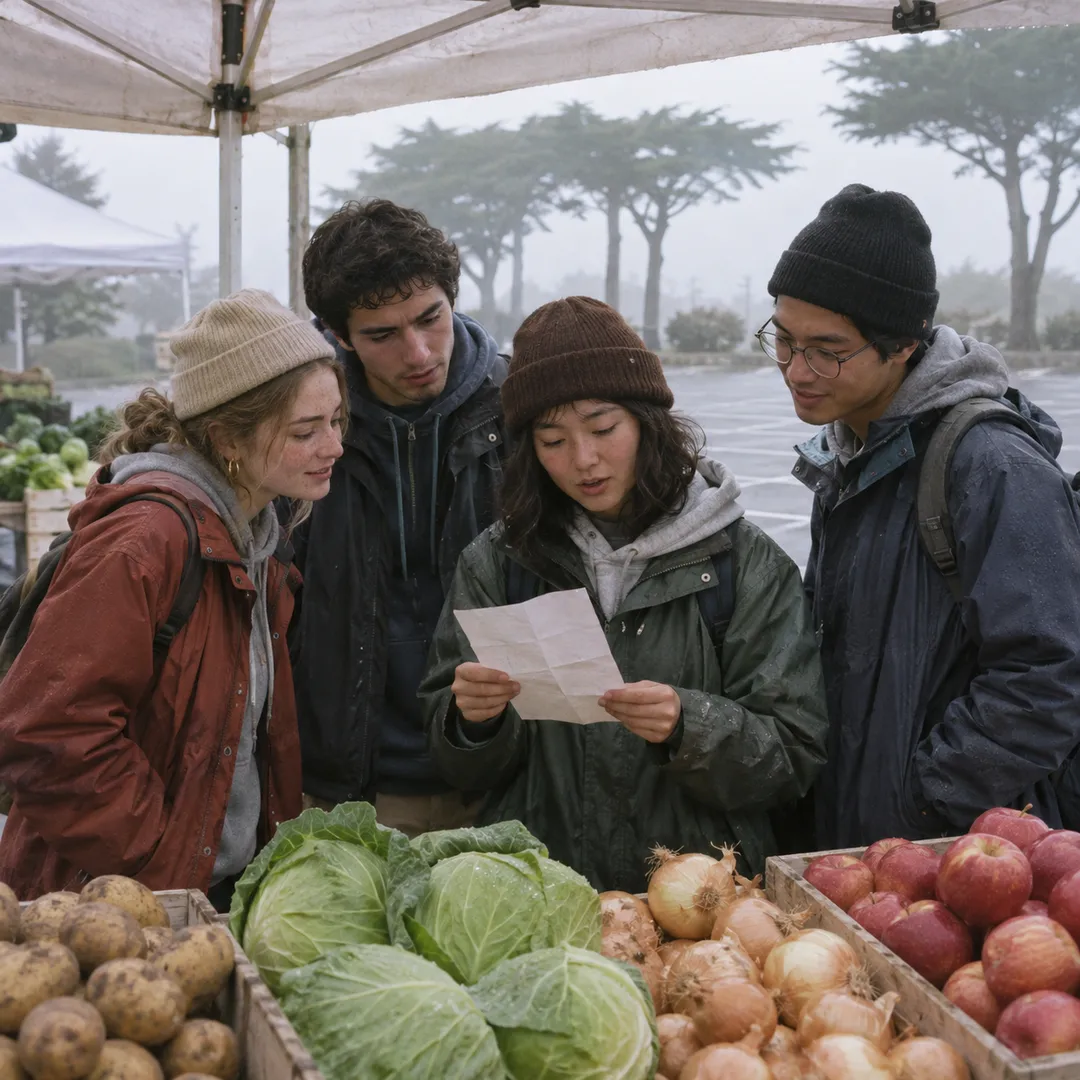
 Stonestown Winter Farmers Market Picker for Student Cooks
Weekend Plans
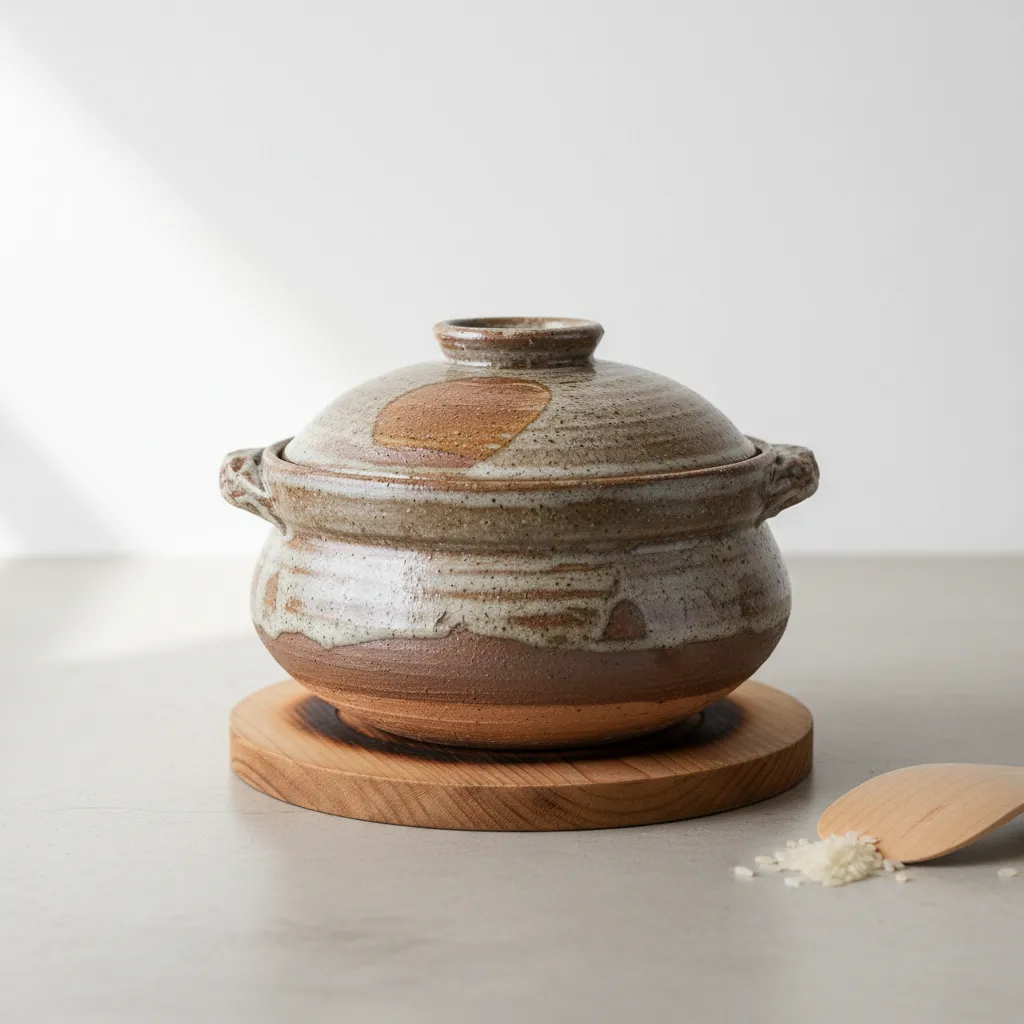
Hayes Valley Clay Pot Cooking Workshop Culinary Circuit
Master Japanese Iga-ware donabe steaming and seasonal rice braising methods nestled within the creative avenues of Hayes Valley, San Francisco.
Tucked inside a sunlit culinary studio near Patricia's Green in Hayes Valley, this weekend cooking workshop introduces food lovers to the meditative craft of Japanese donabe cookery. Crafted from ancient clay harvested from the bed of Lake Biwa in Iga, Japan, the donabe stands as one of the culinary world's most sophisticated earthenware vessels. Through mindful hands-on guidance, participants learn how porous Iga clay absorbs heat gradually, building steady radiant warmth that produces impeccably fluffy rice, savory dashi broths, and tender steamed seasonal vegetables without rapid temperature spikes.
Iga Ceramic History and Donabe Thermal Qualities
The exceptional performance of Iga donabe cookware derives from the unique properties of its prehistoric clay. Fired at high temperatures, the clay matrix contains countless microscopic air pockets formed by decomposed fossilized microorganisms. These internal voids act as natural thermal insulators, trapping heat during cooking and releasing it steadily into the vessel interior. Students handle authentic double-lidded rice donabe, marveling at how the inner lid creates subtle pressure that ensures every single grain of rice cooks uniformly from core to surface.
Understanding how Japanese artisans craft and glaze donabe provides essential guidance for aspiring home cooks. Workshop instructors explain that the unglazed ceramic base expands naturally when heated, making proper seasoning and careful handling vital to long vessel lifespans. Participants examine various donabe profiles, from shallow nabemono hot pots to deep steaming vessels fitted with perforated ceramic grates, discovering how specialized shapes serve specific regional cooking techniques.
In Japanese culinary philosophy, dining from a donabe embodies the concept of nagomi, or peaceful communal harmony around the hearth. In winter homes across Japan, a steaming donabe is placed directly at the center of the low table, where family members share steaming broths, seasonal greens, and fragrant rice straight from the earthenware bowl. Recreating this serene dining ritual in San Francisco connects students with the timeless Japanese reverence for natural materials and mindful eating.
Gentle Thermal Ramping and Double-Lid Steam Sealing
Mastering temperature management is essential when cooking with delicate Japanese earthenware. Because sudden thermal shock can cause hairline fractures in porous Iga clay, students learn to place heavy cast-iron heat diffusers over their gas burners. Instructors guide participants in starting their cooking cycles on low heat, slowly escalating flame levels over ten minutes until aromatic dashi stocks begin to warm gently without violent boiling.
Listening attentively to the subtle acoustic cues of the double-lidded donabe reveals internal cooking stages without opening the pot. During initial steaming, the small steam vents on the inner and outer lids emit steady, whispering plumes of vapor carrying fragrant aromas of kombu kelp and toasted sesame. As the water evaporates and the rice grains absorb the flavorful broth, the sound shifts to a faint crackle, signaling that the prized crispy bottom layer is beginning to form.
Moisture regulation in donabe cooking relies on the tight seal created by the double ceramic lids. The inner lid features two steam vents that are positioned perpendicular to the single vent on the outer lid, creating a gentle labyrinth that moderates internal pressure while preventing boil-overs. Instructors demonstrate how this ingenious design traps moisture and recirculates steam, ensuring ingredients cook gently in their own concentrated juices.
Steaming Seasonal Mushrooms and Crispy Okoge Rice
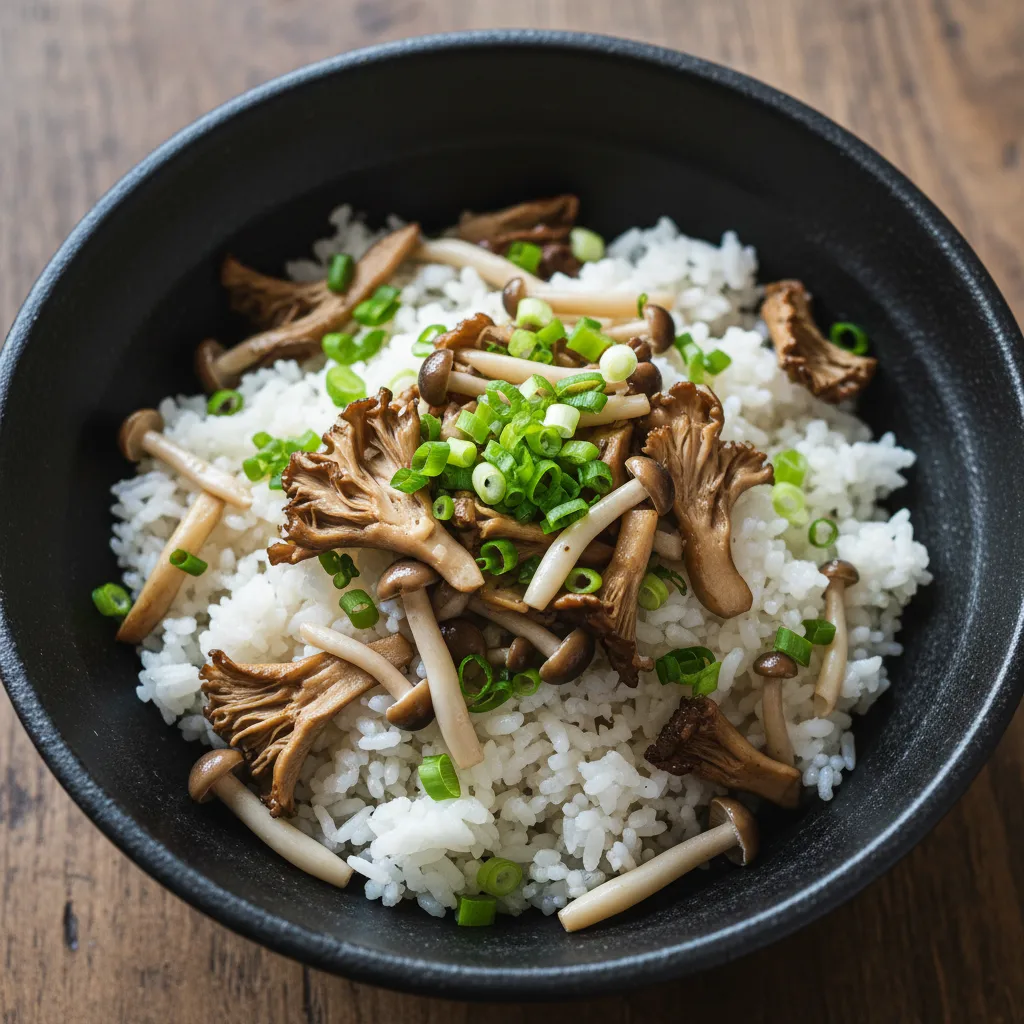
The featured recipe of the afternoon is a seasonal wild mushroom takikomi gohan, featuring Japanese short-grain rice cooked in rich kombu-bonito dashi with fresh maitake, beech, and shiitake mushrooms. Students begin by rinsing the rice thoroughly until the water runs clear, soaking the grains in filtered water for thirty minutes to ensure complete hydration. The soaked rice is layered inside the donabe alongside slivered carrots, julienned ginger, and torn wild mushrooms, topped with a seasoned dashi broth flavored with usukuchi soy sauce and mirin.
Cooking the rice requires precise flame pacing across fifteen minutes of covered simmering, followed by a deliberate five-minute resting period with the heat turned completely off. During this resting phase, the exceptional thermal retention of the Iga clay continues to gently cook the rice, allowing the grains to swell to their maximum volume while developing a light, golden scorched crust known as okoge along the bottom of the vessel.
When the outer lid is ceremoniously lifted at the communal table, a cloud of fragrant, woodsy steam fills the room, eliciting delighted smiles from the assembled students. Freshly sliced scallions and toasted white sesame seeds are scattered across the glistening rice before participants use wooden rice paddles to gently fold the tender mushrooms and crispy okoge into the fluffy grains. Savoring the earthy, savory flavors highlights the unparalleled texture achieved through clay pot rice cookery.
Hayes Valley Green Spaces and Japantown Market Paths
A guided walking component leads the class through the fashionable avenues of Hayes Valley and north toward nearby Japantown while the cooking vessels cool. Strolling along Octavia Street past bustling parklets and independent design boutiques showcases the neighborhood's artistic flair and pedestrian-friendly character. Instructors provide context on how Hayes Valley transformed into one of San Francisco's premier hubs for culinary innovation and craft-focused retail.
The walking path continues toward the historic Japantown Peace Plaza and the bustling indoor malls along Post Street. Students explore traditional Japanese grocery stores, viewing pristine packages of dried Hokkaido kombu, aged bonito flakes, and imported artisanal seasonings. Visiting specialized ceramic shops allows participants to inspect various donabe models and traditional wooden serving utensils, gaining valuable insight into sourcing authentic kitchen equipment.
Returning through the quiet Victorian residential blocks of the Western Addition offers a tranquil interlude for discussing Japanese culinary philosophy and seasonal eating habits. The peaceful neighborhood stroll provides refreshing mental space before returning to the kitchen studio to complete the post-cooking care curriculum.
Medomage Seasoning Rituals and Studio Guidelines
Proper seasoning and maintenance of Iga donabe cookware require specific traditional rituals that safeguard the vessel's structural integrity. Before its first culinary use, every new donabe must undergo medomage, a ritual seasoning process where a starchy rice porridge is gently simmered within the pot. The starch molecules penetrate and seal the microscopic pores of the clay, preventing future leaks and staining from savory broths.
Cleaning a donabe demands gentle care, utilizing warm water and soft natural sponges without harsh commercial dishwashing detergents. Students learn that the porous ceramic body will absorb soap residues, which can taint future delicate dashi broths. Once washed, the donabe must be dried thoroughly with a clean cloth and left to air dry completely upside down in a well-ventilated space before storage.
Attending this Hayes Valley workshop requires simple, sensible preparations to ensure an enjoyable and comfortable experience. Participants should wear comfortable flat shoes suitable for standing at kitchen prep islands and walking along neighborhood streets, along with casual clothing suited to warm cooking environments. Quality chef aprons, prep tools, and detailed recipe packets are supplied at every workstation, though bringing a notebook allows attendees to record personal dashi ratios and flame calibration tips.
Ask Karpo for more information.
Keep reading
- Stonestown Winter Farmers Market Picker for Student Cooks
 Clement St Winter Farmers Market Picker for Lunar New Year
 Fort Mason Winter Farmers Market Picker for Citrus Bakers