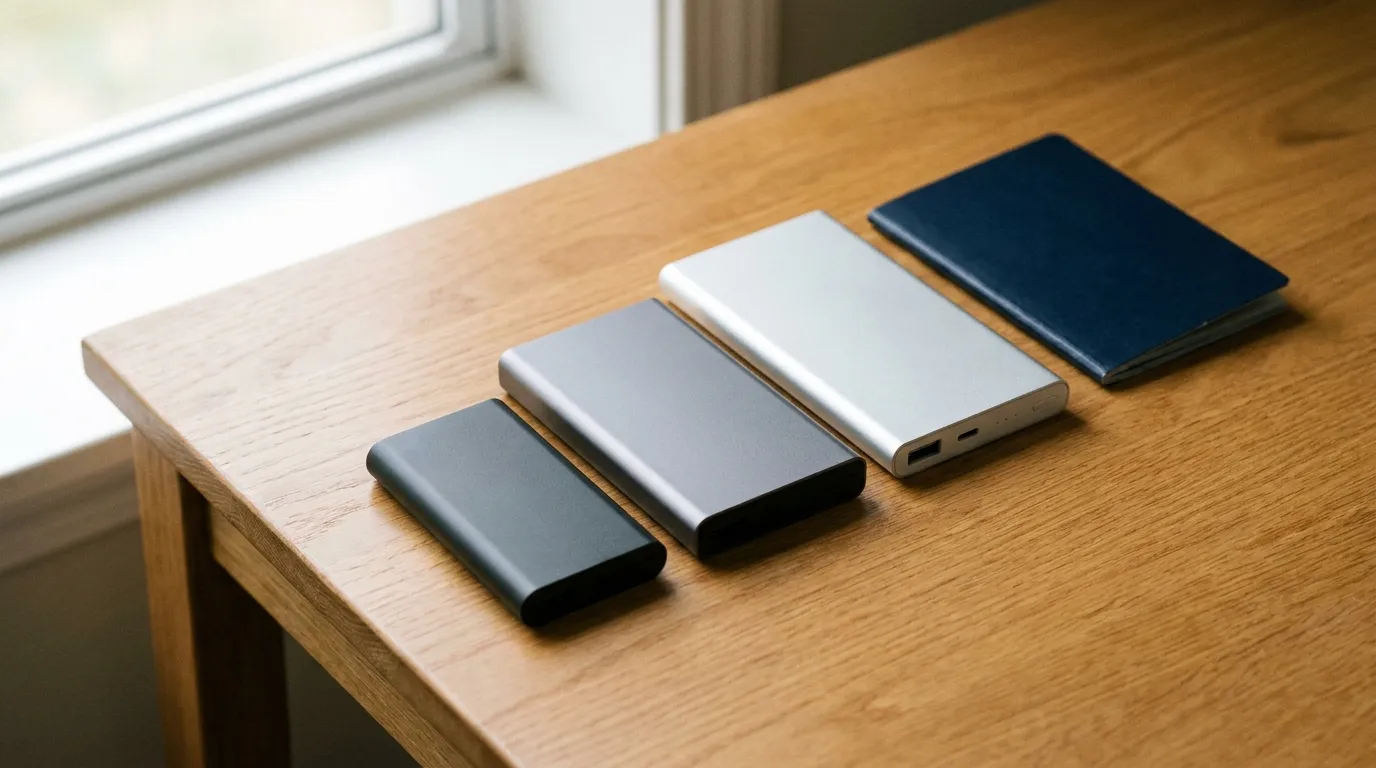
A year of headline battery fires — 58 incidents on US passenger flights through August, by the federal count — has turned power-bank shopping into a mild safety decision. The good news for San Francisco's perpetually-charging population: the difference between a battery that breezes through SFO for years and one that gets side-eyed at a checkpoint (or worse, makes its own news) comes down to a handful of checkable things at purchase time. Here is the buyer's checklist, minus the engineering degree.
Karpo can shortlist travel-safe power banks that fit your devices and budget, check where to pick one up near you today, and confirm the specs clear airline rules. Text Karpo before the trip instead of gambling at an airport kiosk.

Certification is the floor
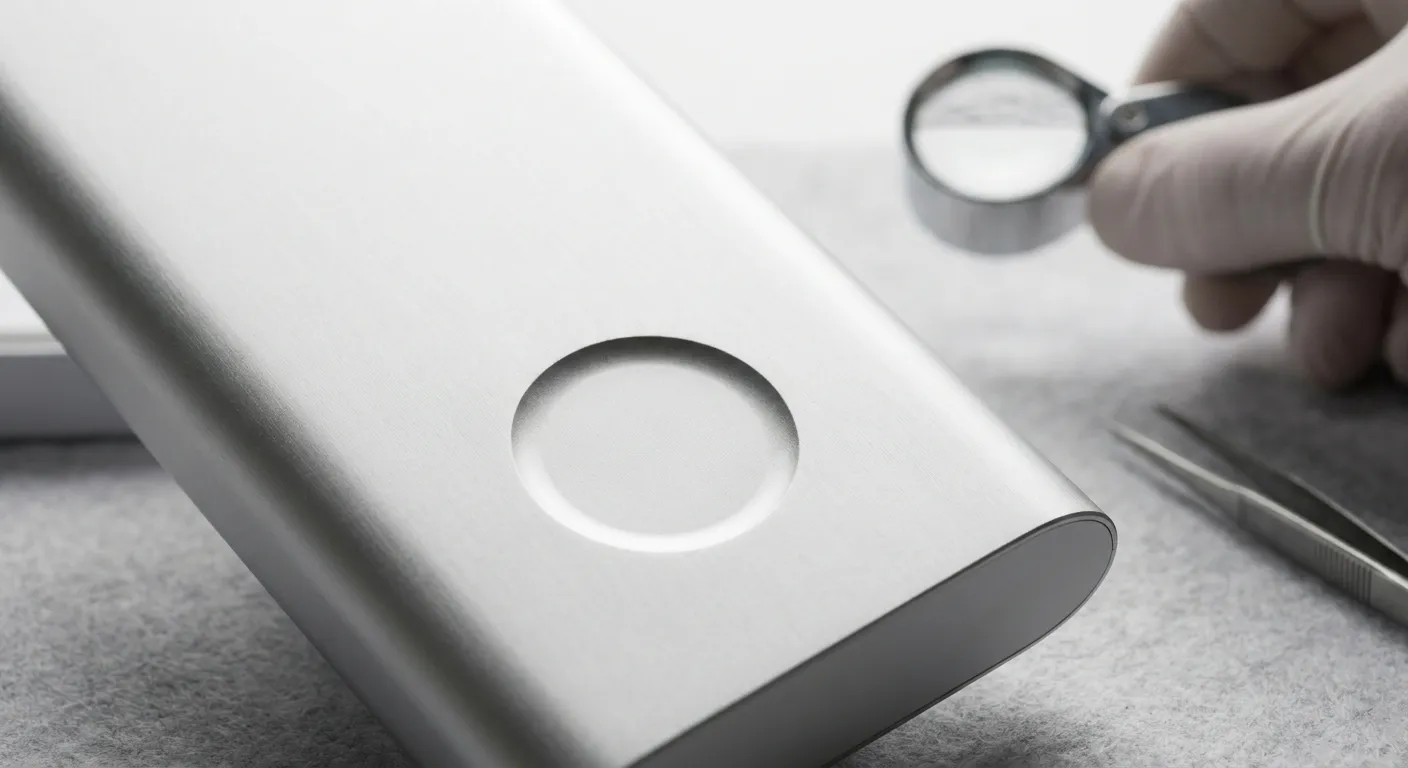
The single strongest signal on a power bank is independent safety certification — in the US market, look for UL listing (UL 2056 covers power banks specifically) or equivalent recognized marks. Certification means the design survived abuse testing: overcharge, short circuit, crush, heat. It is not a guarantee, but its absence is a real red flag, and the certified label is exactly what a skeptical gate agent or an airline's fine print increasingly wants to see. Alongside it, check for a clearly printed capacity in both mAh and watt-hours; reputable manufacturers state Wh prominently now precisely because aviation rules run on it.
The corollary: the $12 unbranded brick from a discount marketplace saves you forty dollars against a certified equivalent and carries every risk in this article. Batteries are the wrong category for mystery shopping.
The capacity sweet spots
Buy to the aviation math and you never think about it again. The 10,000 mAh class (roughly 37 Wh) covers a phone-heavy day and disappears into any bag. The 20,000 mAh class (about 74 Wh) handles a phone plus tablet or a laptop top-up and still clears the 100 Wh line with room to spare. The premium travel bricks cluster at 26,800 mAh — around 99 Wh — because that is the largest capacity that flies without airline approval; it is the de facto "maximum legal carry" of the category. Above that, you enter approval paperwork territory, which almost no traveler actually needs. For most SF lives: one small brick for every day, one big one under 100 Wh for flights, done.
Features worth paying for beyond capacity: pass-through charging done properly, USB-C power delivery at wattage matching your laptop, and a real display of remaining charge — the guessing-game LEDs age poorly.
Red flags and retirement
Power banks age out, and knowing the signs matters as much as buying well. Swelling is disqualifying, immediately — a puffed case means the chemistry inside is off-gassing and the battery's flying days (and charging days) are over. Same for a unit that gets unusually hot on routine charges, self-discharges overnight, or has taken a hard drop onto concrete. Retirement in San Francisco is genuinely easy: batteries never go in the trash or the blue bin, but e-waste drop-offs, retailer take-back programs and the city's household hazardous waste options are all close by. The drawer of dying bricks is a fire risk at home and a liability in a carry-on; clear it seasonally.
The one-purchase philosophy
The pattern across every battery incident report is consistent: cheap or damaged hardware, charging unattended, heat unnoticed. Buy certified, buy under 100 Wh, replace on the first symptom, and you have opted out of the entire risk category for the price of a nice dinner. In a city where your phone is your boarding pass, wallet and ride home, the power bank is infrastructure — worth choosing like it.
Practical notes
Look for UL 2056 or equivalent certification, clearly printed Wh capacity, and brands with a track record. Under 100 Wh flies without approval; 26,800 mAh ≈ 99 Wh is the practical ceiling for hassle-free travel. Spares and power banks ride cabin-only. Retire anything swollen, hot-running or drop-damaged via e-waste channels, never the trash. Airlines added in-flight use restrictions during 2026 — check your carrier's current battery policy before flying.
Tags: #karpo #sanfrancisco #powerbank #ul2056 #travelgear #batterysafety #sfo #buyingguide #techessentials #travel2026
Sources consulted: faa.gov · ul.com · sfenvironment.org
All trademarks are the property of their respective owners.
Ask Karpo first
Need a flight-safe power bank today, or a place to retire the swollen one responsibly? Ask Karpo for the shortlist and the nearest drop-off — good infrastructure shouldn't take more than a text.