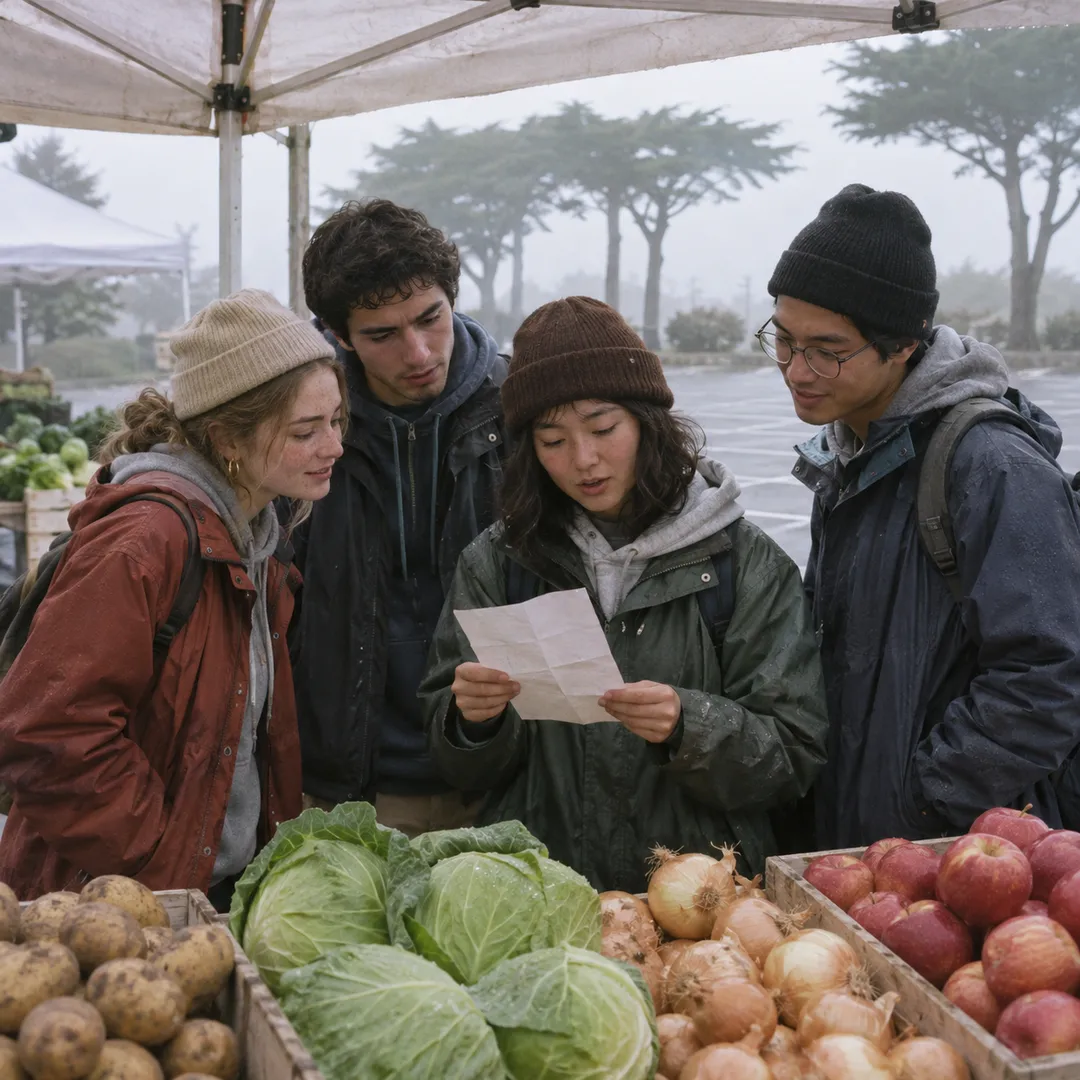
 Stonestown Winter Farmers Market Picker for Student Cooks
Weekend Plans
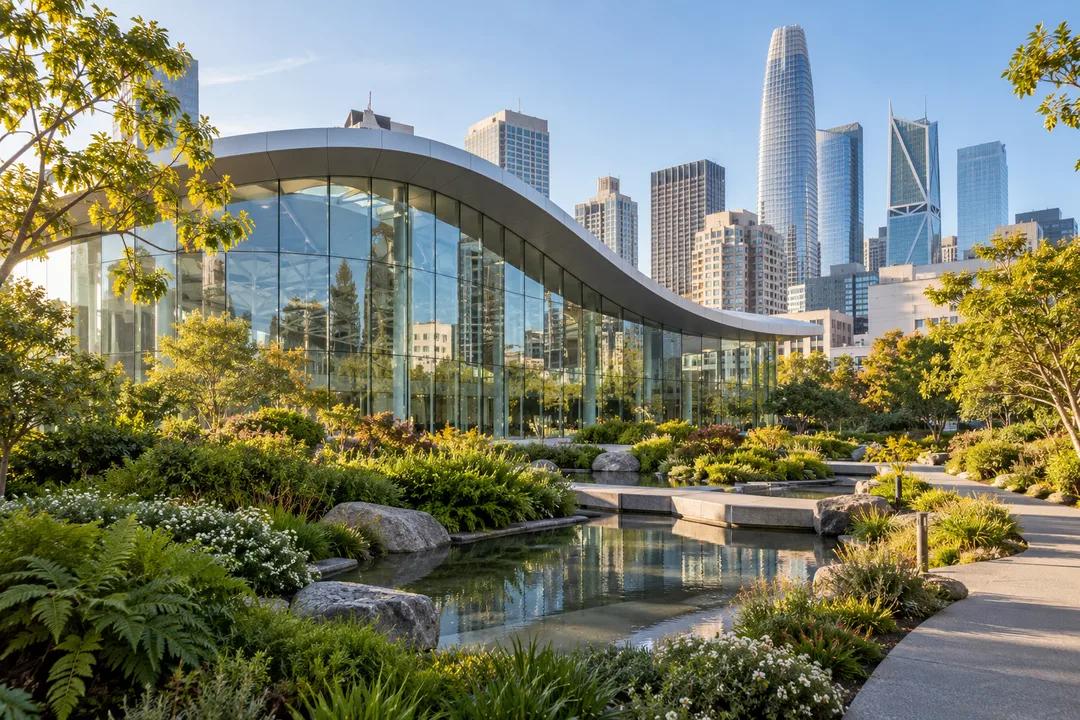
Children Museum Near Me in Yerba Buena: Children's Creativity Museum
The Children's Creativity Museum at 221 4th Street in San Francisco's Yerba Buena Gardens offers hands-on animation and tech labs; admission is $20 for visitors age one and up, open Thursday to Sunday.
Bay Area parents searching children museum near me across San Francisco will find the Children's Creativity Museum situated at 221 4th Street, set directly on the rooftop gardens of Yerba Buena Gardens at the corner of Howard Street in SoMa. General admission tickets are $20 for adults and children aged one and older, while infants under twelve months enter free and seniors sixty-five and older pay $18. The museum operates Thursday through Sunday from 10am to 4pm, remaining closed Monday through Wednesday for educator workshops and private school partnerships. Rather than functioning as a passive viewing hall, the two-story glass pavilion emphasizes creative expression, stop-motion clay animation, digital music production, and hands-on maker engineering for children aged two through twelve.
BART and Muni Transit Access in the Heart of SoMa
Getting to 221 4th Street by public transit is exceptionally simple because the Powell Street and Montgomery Street stations on the BART and Muni Metro subway lines are both within a five-minute walking radius. From Powell Street station, families exit onto Market Street, turn south on 4th Street past the Metreon entertainment center, and cross Mission Street directly into the green expanses of Yerba Buena Gardens. The Central Subway T-Third line stops right at the Yerba Buena/Moscone Station on 4th Street, letting riders surface just yards from the museum doors. The 14-Mission and 30-Stockton Muni bus routes stop along nearby corridors with frequent daytime headways. Underground paid parking is available at the Fifth and Mission Garage (833 Mission Street) and the Moscone Center Garage on 3rd Street, with standard hourly rates between $4 and $7.
The Creative Mission in San Francisco's Cultural District
Originally opened in 1998 as Zeum before rebranding in 2011 to better reflect its core artistic philosophy, the Children's Creativity Museum is built around the idea that every child is an active maker rather than a passive media consumer. The building features curving glass facades that look out over the reflecting pools, manicured lawns, and Martin Luther King Jr. Memorial waterfall. Inside, open-plan workspaces are outfitted with natural birch tables, overhead task lamps, and accessible digital recording monitors. Teaching artists and volunteer mentors circulate through the studio spaces, asking guiding questions that empower children to solve creative hurdles using their own artistic instincts.
The Renowned Animation Studio and Claymation Workbenches
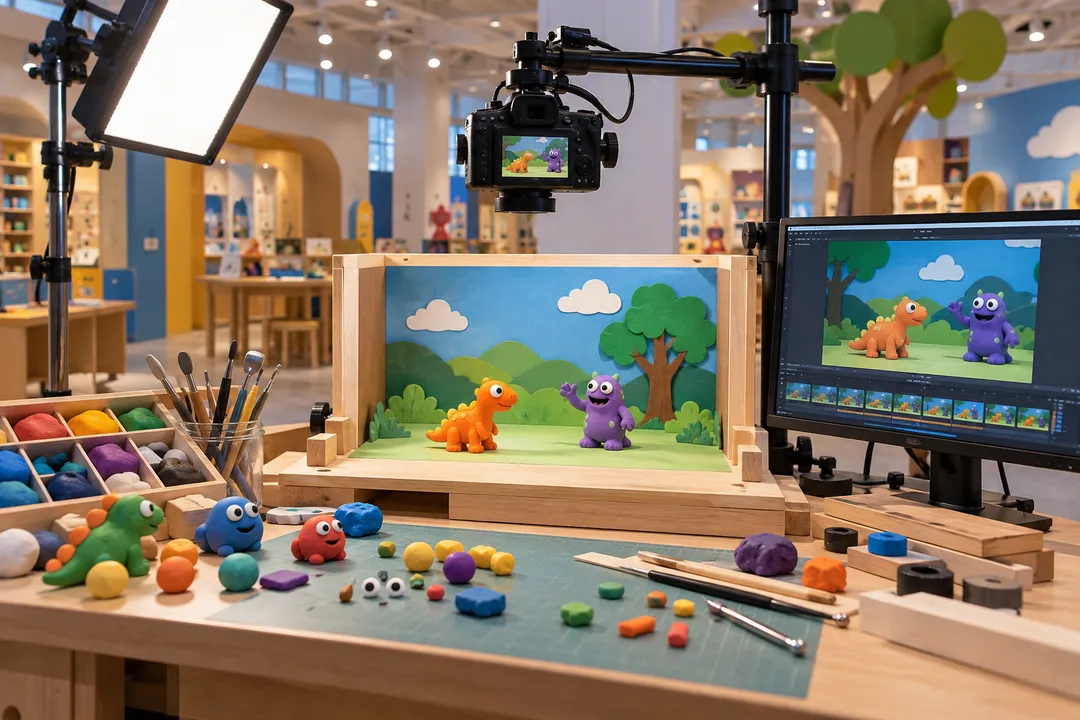
The undisputed centerpiece of the museum is the Animation Studio, where visitors of all ages produce their own stop-motion animated shorts. Children sit at dedicated modeling counters supplied with non-drying, multi-colored modeling clay, rolling pins, and plastic sculpting tools to shape original characters. Once their clay figures are ready, families move to one of ten specialized animation bays featuring mini stages, adjustable background dioramas, overhead webcams, and foot pedals. Kids capture frame-by-frame movements, previewing their animation in real time on overhead monitors. Before leaving, parents scan a digital QR code that emails the completed video file directly to their home inbox to save as a lasting keepsake.
The Making Studio and Hands-On Engineering Challenges
Opposite the animation stations on the main floor lies the Making Studio, where children tackle design-thinking engineering challenges that rotate on a monthly theme. Bins overflowing with recycled corrugated cardboard, wooden tongue depressors, colorful rubber bands, pipe cleaners, and masking tape line the workshop shelves. One week children might be challenged to build earthquake-safe towers tested on vibrating shake tables, while another week focuses on constructing wind-powered vehicles that travel along a five-foot pressurized wind tunnel. The emphasis is firmly placed on rapid prototyping and resilience, teaching young minds that initial structural failures are simply stepping stones to stronger creative designs.
The Tech Lab, Robotics, and Early Childhood Coding
Upstairs in the Tech Lab, children explore physical computing and intuitive programming without the distraction of mindless touchscreen games. Preschoolers and kindergarteners work with screen-free wooden coding robots like Cubetto and Bee-Bot, pressing colored directional tiles into control boards to navigate characters across patterned cloth story maps. Older elementary students experiment with modular electronic building blocks and simple microcontrollers to build functional alarm circuits, light sensors, and motorized miniature drawing bots. Tech educators maintain a friendly, supportive environment that demystifies technology and encourages girls and boys equally to view themselves as future engineers and inventors.
The Music Studio and Community Art Space for Young Creators
In the soundproof Music Studio, young performers explore rhythm, songwriting, and green-screen video effects. Children choose from acoustic instruments including mini xylophones, wooden cajon drums, and electronic keyboard pads, or slip on studio headphones to sing into vocal microphones against karaoke backing tracks. Green-screen projection walls allow children to dance in front of animated fantasy backdrops ranging from outer space nebulae to underwater coral reefs. Next door, the Community Art Studio offers easel painting, collaborative paper collage walls, and tactile sensory bins filled with shredded paper and polished river stones for toddlers.
The Historic 1906 LeRoy King Carousel in the Garden
Directly outside the museum entrance on the plaza stands the historic LeRoy King Carousel, a hand-carved gem originally built in 1906 by renowned carousel artisan Charles I. D. Looff. Rescued and meticulously restored with gilded gold leaf and jewel-toned enamel, the carousel features sixty-five hand-carved wooden animals, including prancing horses, giraffes, camels, and a ram, accompanied by vintage band organ tunes. Carousel tickets cost $5 per ride for the general public, but purchasing museum admission drops the carousel ticket down to $4 per ride. Riding the spinning horses beneath the outdoor glass rotunda against the backdrop of San Francisco skyscrapers is an essential city family tradition.
Admission Prices, Discounts, and Ticketing Guidelines
General museum admission is $20 for all visitors aged one and older, while children under twelve months are admitted free. Seniors aged sixty-five and over pay $18. The museum participates in the national Museums for All program, granting $3 admission per person for up to four individuals presenting an active EBT card and photo ID. Tickets may be reserved online via creativity.org or purchased directly at the admissions counter.
Managing Weekend Hours and Planning Your Schedule
Because the museum is open four days a week from Thursday to Sunday, Saturday and Sunday mornings from 10am to 12:30pm draw the highest concentration of families. Arriving right at 10am gives children uninterrupted access to the animation stations before lines form at the clay counters. Thursday and Friday afternoons from 1pm to 3:30pm are wonderfully peaceful, making them ideal for parents seeking a quiet, focused studio session. Families typically spend between two and two-and-a-half hours inside the galleries, which leaves plenty of daylight to ride the carousel and explore the adjacent outdoor playgrounds.
Strollers, Lockers, and Facility Amenities
Strollers are welcomed inside the ground-floor lobby, where a dedicated indoor stroller parking area keeps aisles open and clutter-free. Single strollers are permitted throughout the wide, carpeted gallery hallways, and an elevator provides smooth access to the second floor. Token-operated storage lockers are available in the lobby to stow heavy backpacks and winter coats. Family restrooms on both levels include clean wall-mounted changing tables, toddler step stools, and non-scented hand soaps. While food is restricted from exhibit workspaces, families are welcome to picnic on the outdoor lawns and benches of Yerba Buena Gardens.
Yerba Buena Gardens Dining and Nearby Family Stops
The museum's central location in SoMa offers some of the best family dining and outdoor amenities in downtown San Francisco. Directly downstairs from the carousel, the Children's Garden features an expansive enclosed playground with an amphitheater, a concrete tube slide, and a huge 25-foot climbing structure. Across the garden plaza, the Metreon food court hosts kid-friendly favorites like Super Duper Burgers, Chipotle, and fresh boba tea counters. A short five-minute walk east along Howard Street leads to SFMOMA, while the adjacent Yerba Buena Ice Skating Center and bowling lanes provide additional afternoon recreation options all within the same city block.
Final Tips and Checklist for Caregivers Visiting SoMa
To maximize your day at 221 4th Street, bring a fully charged smartphone so you can quickly scan and save your child's animation project links at the studio exit. Dress your children in comfortable play clothes that can handle occasional stray smudges of clay or tempera paint. Remember that the museum closes at 4pm, slightly earlier than some traditional institutions, so arriving before 1:30pm ensures adequate time to complete both an animation project and a making challenge. Combining artistic exploration with hands-on technological ingenuity, the Children's Creativity Museum remains an inspiring creative jewel in San Francisco's cultural core.
Ask Karpo for more information.
Keep reading
- Stonestown Winter Farmers Market Picker for Student Cooks
 Clement St Winter Farmers Market Picker for Lunar New Year
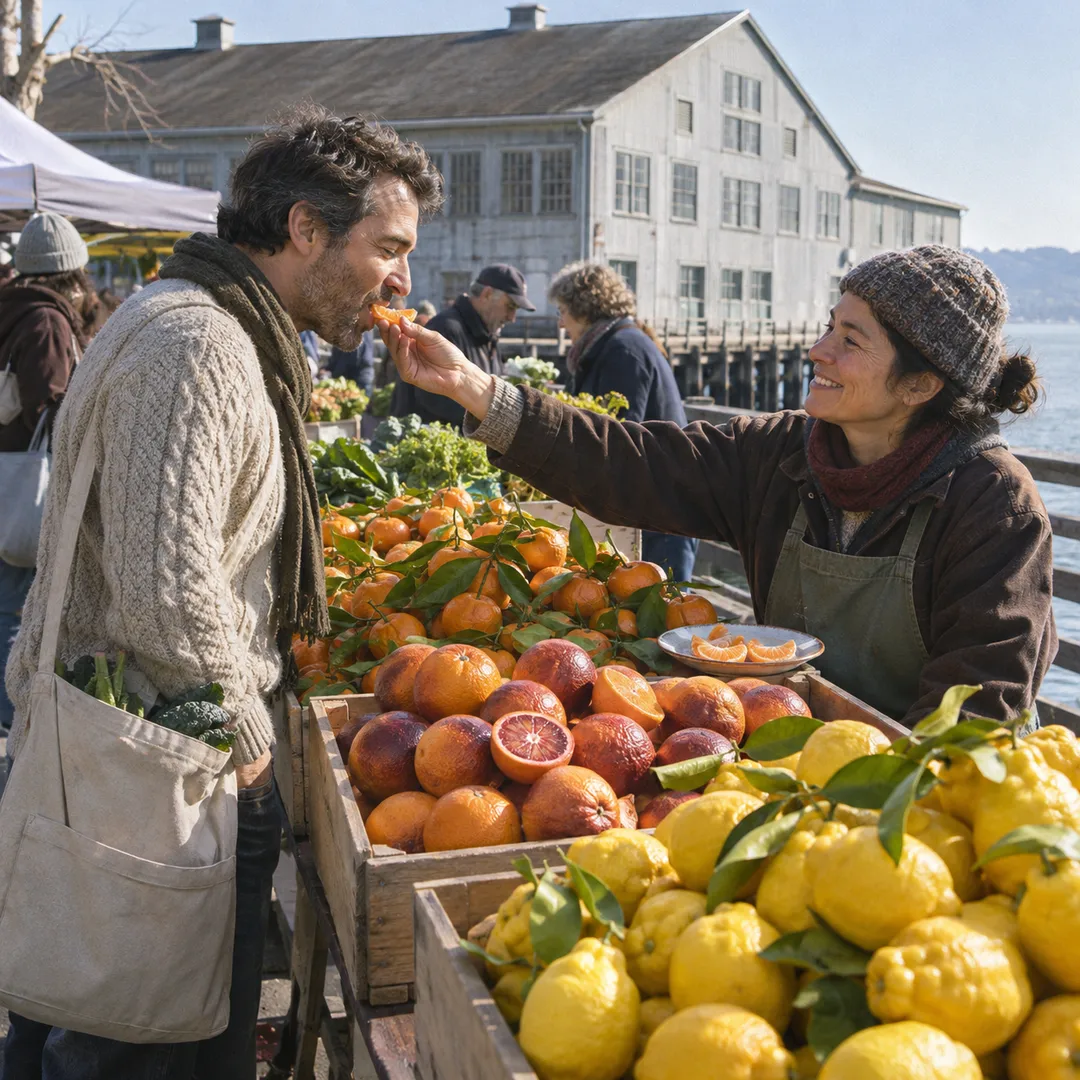 Fort Mason Winter Farmers Market Picker for Citrus Bakers