 Stonestown Winter Farmers Market Picker for Student Cooks
Weekend Plans

Ruby's Clay Studio: Historic Castro Ceramic Studio Near Me for Handbuilding
Ruby's Clay Studio on Noe Street in the Castro offers eight-week pottery classes, drop-in sessions, cooperative clay memberships, and cone 10 reduction firings.
Ruby's Clay Studio & Gallery stands as one of San Francisco's oldest non-profit ceramic cooperatives, preserving independent artisan craft in the vibrant Castro district since 1967. Located at 552A Noe St, San Francisco, CA 94114, between Beaver and 18th streets, this legendary studio occupies a subterranean and street-level workshop space directly across from historic Victorian row houses. For aspiring potters and seasoned clay artists looking for a storied, technique-driven ceramic studio near me in central San Francisco, Ruby's provides structured multi-week courses, open drop-in hours, an on-site retail gallery, and authentic high-fire gas kiln reductions.
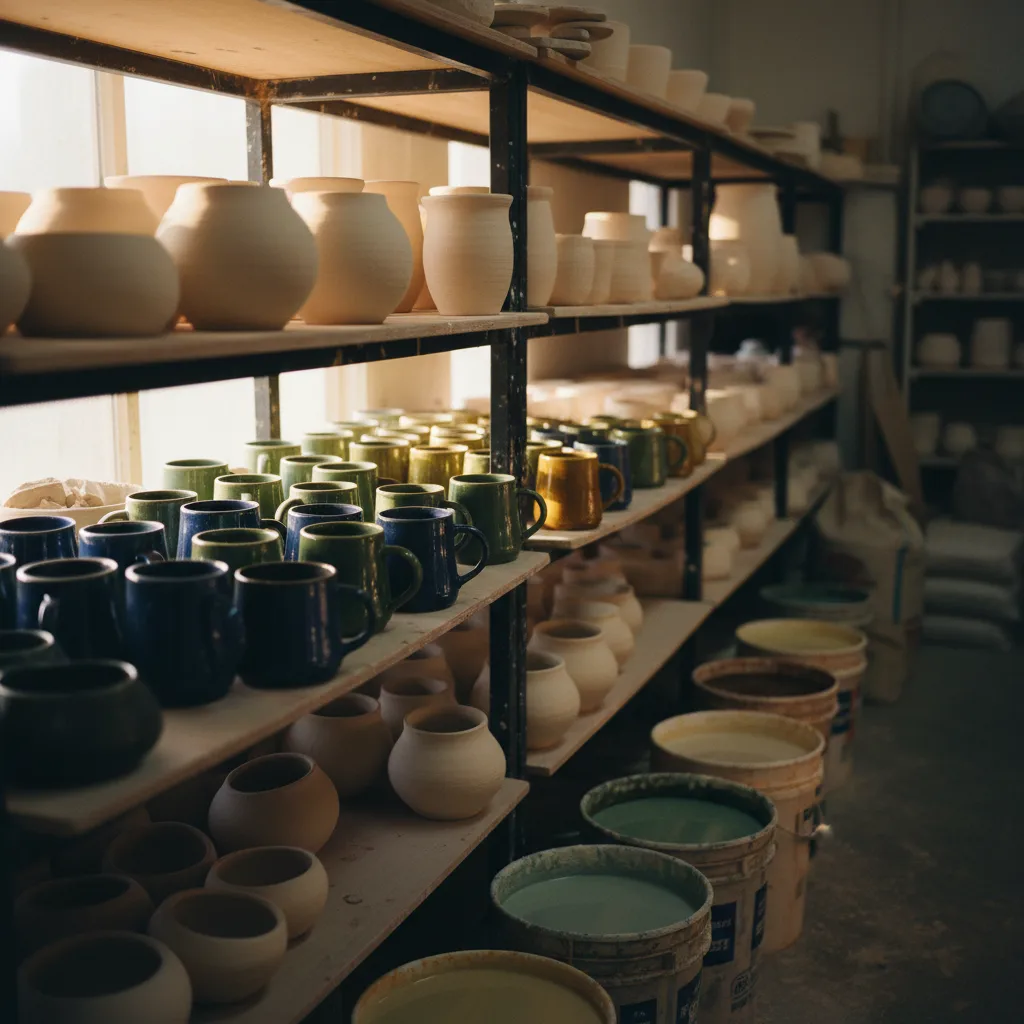
Six Decades of Cooperative Ceramic Heritage on Noe Street
Founded by pioneering ceramicist Ruby O'Burke in the late 1960s, the studio has remained a resilient cornerstone of San Francisco's grassroots artistic identity for nearly sixty years. Ruby envisioned an inclusive space where working artists and neighborhood hobbyists could share expensive equipment and kiln firings without corporate gatekeeping. The building at 552A Noe Street opens into a bright streetfront community gallery showcasing finished mugs, sculptural stoneware, and porcelain vases created by cooperative members. Downstairs and through the brick courtyard, the working studio hums with continuous activity, featuring durable Brent wheels, heavy handbuilding slab tables, damp storage cupboards, and glaze mixing barrels. The cooperative also hosts celebrated biannual pottery sales where neighbors gather to purchase handcrafted ceramic kitchenware directly from resident artists. Rather than operating as an impersonal commercial business, Ruby's is run collectively by dedicated ceramicists who share kiln loading duties, studio maintenance tasks, and deep craft knowledge with every incoming generation of students.
Eight-Week Immersion Classes, Wheel Fundamentals, and Handbuilding
Education at Ruby's emphasizes patient fundamentals, structural longevity, and tactile intuition. The studio's flagship offering is its comprehensive eight-week course, priced at $425 per student. Meeting once a week for two and a half hours of hands-on instruction, this class welcomes both absolute beginners and continuing ceramicists refining specific techniques. The course fee includes one 25-pound bag of studio stoneware clay, unlimited access to more than twenty house glazes, and firing allowances covering up to 1,400 cubic inches of finished work. For dedicated potters wanting a full semester of guided production, Ruby's also offers an extended sixteen-week session priced at $850. Classes cover clay wedging, centering, throwing cylinders, pulling handles, slab construction, and pinch pottery. Instructors teach students how to trim refined foot rings using Kemper ribbon tools, burnish leather-hard surfaces, and carve faceted decorative textures into dense stoneware walls.
Communal Gas Reduction Firings and Twenty House-Mixed Glazes
High-temperature thermal chemistry defines the classic aesthetic of Ruby's functional stoneware. Student work undergoes a bisque firing to cone 06, hardening fragile greenware into absorbent ceramic bodies suitable for glazing. The glaze room at 552A Noe Street houses large dipping vats containing twenty-plus house-mixed glazes, including traditional celadon, shino, temmoku, matte rutile, and copper red formulations. Work is then stacked onto refractory shelves in the cooperative's heavy gas reduction kilns and fired to cone 10, exceeding 2,300 degrees Fahrenheit. The oxygen-starved reduction atmosphere pulls oxygen from metal oxides in the glazes, developing rich earthy textures, toasty clay bodies, and dramatic surface variegation that cannot be replicated in standard electric hobby kilns. Students learn to wax vessel foot rings cleanly using heated paraffin resist to prevent melted glaze from fusing pots to kiln shelves during the peak thermal soak.
Cooperative Responsibilities, Clay Scrap Care, and Studio Etiquette
Because Ruby's operates as a community cooperative, clean habits and mutual consideration are strictly maintained across every shift. Every student must clean their throwing wheel, wipe down the splash pan, rinse tools, and sponge the surrounding floor before departing. Dry sweeping is strictly banned to protect all studio occupants from airborne crystalline silica. Workstation surfaces must be sponged down wet, and sponges rinsed thoroughly in dedicated rinse buckets. Excess clay slip and leather-hard trimmings must be sorted into labeled clay recycling tubs rather than discarded as trash. Large commercial sedimentation traps beneath every studio sink capture residual clay particles, ensuring that studio wastewater runs clean into San Francisco municipal drainage pipes without causing subterranean blockages.
What to Skip on the Wheel: Common Mistakes for Novice Potters
Learning pottery requires unlearning the urge to rush through initial forming steps. When first practicing on the wheel at Ruby's, skip throwing with excessive water. Flooding spinning clay with soaking sponges weakens the clay wall's internal platelet structure, causing developing cylinders to turn mushy and collapse prematurely. Skip using abrupt, jerky hand releases when pulling clay upward; releasing contact gradually while the wheel rotates prevents unwanted wobbles at the vessel rim. Avoid attempting wide teapots or fitted lids before mastering consistent vertical wall thickness. Keep fingernails clipped close to your fingertips, remove wristwatches and rings, and wear comfortable canvas sneakers that handle water splashes without concern.
Post-Clay Stroll: Castro Bakeries, Coffee, and Corona Heights
Stepping out of 552A Noe Street puts you in the center of one of San Francisco's most walkable and historic neighborhoods. Walk half a block north to 18th Street to grab a hot espresso and a pain au chocolat at Le Marais Bakery, or turn west toward Castro Street for a slice of wood-fired pizza at Oz Pizza. Pass by the landmark Castro Theatre to admire its iconic neon marquee, or browse local titles at Fabulosa Books. If you prefer quiet outdoor contemplation, walk five minutes north along Noe Street and climb the winding timber steps up to Corona Heights Park. From the rocky summit, you will enjoy a stunning panoramic view stretching from Twin Peaks across downtown skyscrapers all the way to Mount Diablo on clear afternoons.
Membership Requirements, Drop-In Logistics, and Booking Protocols
Registration for Ruby's eight-week courses opens online in seasonal blocks and routinely fills within hours due to high community demand. Independent potters who have completed prior classes can purchase drop-in sessions priced at $20 per visit to practice outside regular class schedules. The studio is easily accessible via the Muni K, L, or M light rail lines to Castro Station, followed by a pleasant two-block stroll down Market and Noe streets. If class rosters at Ruby's are full, look into class openings at Clayroom in Potrero Hill or Wheelhouse Clay Studio in Lower Pacific Heights.
Ask Karpo for more information.
Keep reading
- Stonestown Winter Farmers Market Picker for Student Cooks
 Clement St Winter Farmers Market Picker for Lunar New Year
 Fort Mason Winter Farmers Market Picker for Citrus Bakers