 Stonestown Winter Farmers Market Picker for Student Cooks
Weekend Plans
Clayroom: Potrero Hill Ceramic Studio Near Me for Wheel Throwing
Clayroom on 17th Street in Potrero Hill offers beginner TryDay wheel crash courses, six-week clay intensives, high-fire gas kilns, and open studio time.
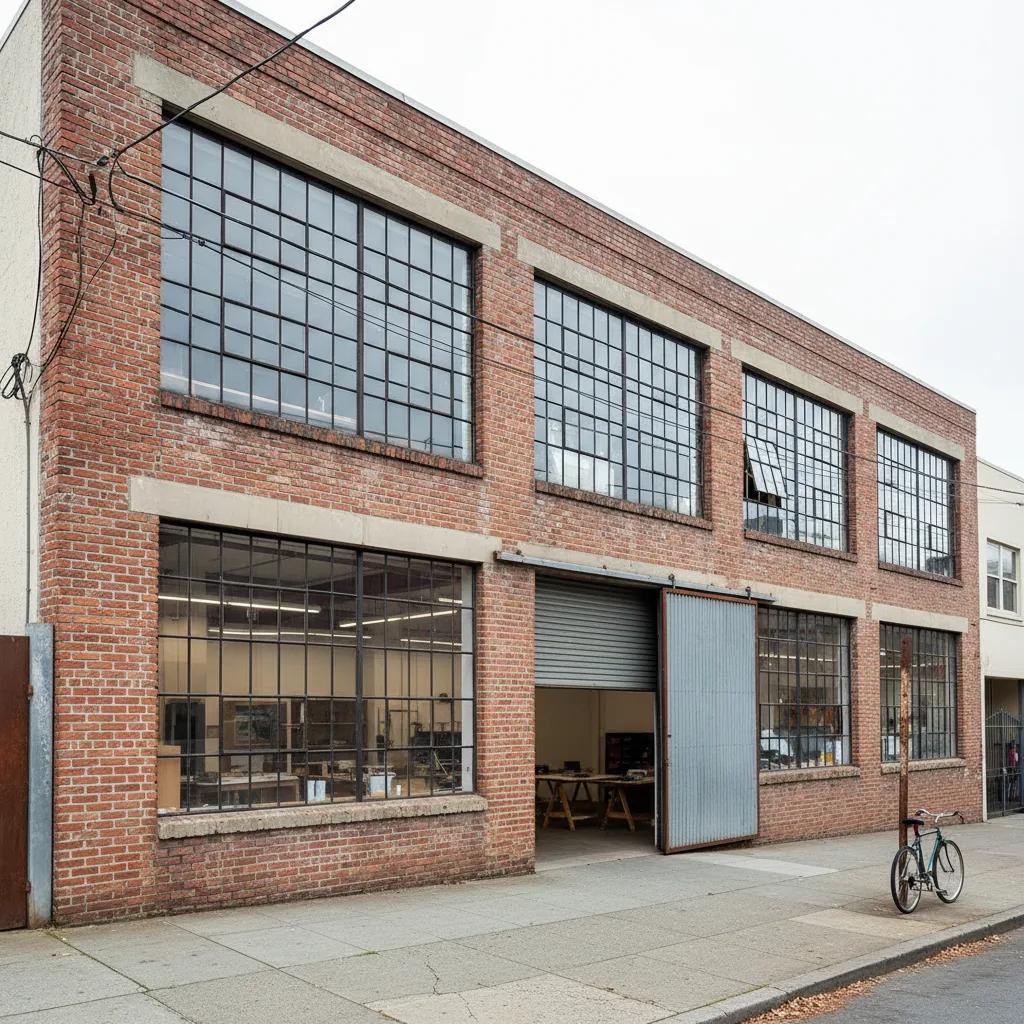
Clayroom anchors 17th Street in San Francisco's sun-drenched Potrero Hill neighborhood, transforming an expansive former industrial warehouse into a dynamic, sunlit community pottery and woodworking facility. Situated at 1431 17th St, San Francisco, CA 94107, between Connecticut and Missouri streets, this spacious maker center sits just three blocks south of Mariposa Street and within easy walking distance of the historic 16th Street design district. For local neighborhood makers and curious Bay Area weekenders seeking an authentic, welcoming ceramic studio near me in the eastern half of the city, Clayroom blends methodical wheel throwing instruction with generous communal workbenches, heavy-duty electric slab rollers, cone 10 reduction gas firings, and flexible open studio hours.

Converted Warehouse Architecture and Industrial Light in Potrero Hill
Stepping across the entryway at 1431 17th Street reveals an open, thoughtfully engineered layout tailored specifically for productive, messy creative work. The ceramic wing is illuminated by oversized overhead skylights and tall east-facing factory sash windows that bathe the pottery workstations in natural, non-glare morning daylight. High timber-truss ceilings and sealed industrial concrete flooring provide an ideal working environment where handling wet stoneware feels unconstrained and comfortable. The studio floor accommodates dozens of motorized Shimpo Whisper wheels arranged in tidy pods, giving resident instructors ample space to circle each station and offer tactile hand adjustments during throwing demonstrations. Dedicated wedging tables surfaced with thick plaster and unbleached cotton canvas allow potters to prepare clay efficiently before sitting down to throw. Unlike cramped basement clay basements or transient weekend craft pop-ups, Clayroom functions as an established, permanent craft home where absolute novices work alongside experienced ceramic artists throwing ten-pound stoneware planters.
The TryDay Wheel Experience and Six-Week Intensive Curriculum
Beginners looking for an unhurried introduction to the potter's wheel start with Clayroom's signature TryDay workshop, priced at $105 per person. This intensive two-hour introductory session strips away technical intimidation, offering hands-on guidance through clay wedging, wheel head centering, bottom opening, and vertical wall pulling under the watchful eye of patient resident potters. Students in TryDay select their two best thrown vessels to be trimmed, bisque fired, dipped in studio house glazes, and final fired by studio technicians. For students committed to thorough technical mastery, Clayroom runs structured six-week intensive courses priced at $370. Meeting once weekly for two and a half hours, these multi-week classes cover fundamental cylinder mechanics, bowl shaping, trimming crisp foot rings with ribbon loop tools, pulling balanced mug handles, and executing multi-glaze dips on white stoneware.
Studio Glaze Formulations, Cone 10 Gas Firings, and Reclaim Pug Mills
The physical transformation from damp clay to durable vitrified stoneware requires disciplined thermal management and meticulous material chemistry. After thrown greenware slowly air-dries to leather-hard and bone-dry consistency across slatted drying racks, technicians pack pieces into bisque kilns fired slowly to 1,940 degrees Fahrenheit. Bisqued pots are then glazed using Clayroom's curated lineup of dipping tubs, featuring signature house-mixed finishes including satin white, matte slate, celadon green, iron luster, and cobalt wash. Glazed student work undergoes high-fire cone 10 reduction firings in gas-powered kilns reaching approximately 2,345 degrees Fahrenheit, creating dense, non-porous ceramic ware with subtle flame marks. Clayroom also operates high-capacity Peter Pugger vacuum pug mills that reconstitute unfired trimmings into fresh, de-aired stoneware blocks, promoting a sustainable studio workflow.
Workstation Sanitation, Slop Buckets, and Sink Sedimentation Traps
Silica dust prevention and communal respect form the operational bedrock at 1431 17th Street. Clayroom strictly enforces wet-sponge cleaning procedures across every wheel station and workbench. Dry sweeping is categorically forbidden, as airborne crystalline silica particles present serious long-term respiratory hazards in enclosed spaces. Every student is required to wipe down their wheel head, splash pan, water bucket, and surrounding floor with damp sponges before stepping away. Slop water and wet clay trimmings are emptied directly into designated clay reclaim barrels rather than regular garbage cans or direct municipal plumbing. All wash sinks are outfitted with multi-chamber Cink sedimentation traps that catch suspended clay silt before rinse water discharges into San Francisco's municipal sewer lines, safeguarding neighborhood infrastructure from clogs.
Critical Beginner Advice: Techniques and Common Errors to Avoid
First-time ceramicists often fall into predictable technical traps that lead to collapsed forms on the spinning wheel. Skip trying to throw wide serving bowls or tall narrow vases during your initial workshop. Attempting to pull walls thinner than a quarter-inch before mastering complete clay centering inevitably produces an asymmetrical wobble that spirals into structural failure. Similarly, skip rushing to attach wet handles onto freshly pulled cups; greenware must rest until leather-hard so the moisture levels between body and handle equalize, preventing hairline drying cracks during the bisque cycle. Wear durable clothes that welcome muddy splashes, tie long hair securely behind your neck, and trim fingernails short prior to class, as long nails will carve accidental gouges into spinning clay walls.
Exploring 17th Street: Cafes, Bakeries, and Potrero Hill Views
Clayroom's location on Potrero Hill's lower slope makes it an easy jumping-off point for exploring nearby neighborhood culinary favorites. After rinsing clay slip from your arms, walk three blocks uphill along 17th Street to Connecticut Street to grab a hot cortado and an almond croissant at Farley's, a historic neighborhood coffeehouse that has served community regulars since 1989. For a heartier appetite, head two blocks south on Missouri Street toward Chez Maman for French onion soup and steamed mussels, or stroll west toward Plow on 17th Street for lemon ricotta pancakes. If you have thirty minutes before dusk, walk up to the Potrero Hill recreation center park for sweeping, uninterrupted views of downtown San Francisco's skyline framing the bay.
Practical Enrollment Guidelines, Studio Transit, and Nearby Alternatives
Demand for weekend wheel workshops in San Francisco is consistently strong, and Clayroom's TryDay sessions often book out two to three weeks ahead. Arrive ten minutes before your designated class time to store jackets in member cubbies, borrow a canvas apron, and select a wheel. The studio is accessible via Muni bus lines 19, 22, and 55, with street parking available along 17th and Missouri streets. If enrollment at Clayroom is fully booked for your desired dates, consider checking open course schedules at Ruby's Clay Studio in the Castro or SF Clayworks in the Bayview.
Ask Karpo for more information.
Keep reading
- Stonestown Winter Farmers Market Picker for Student Cooks
 Clement St Winter Farmers Market Picker for Lunar New Year
 Fort Mason Winter Farmers Market Picker for Citrus Bakers