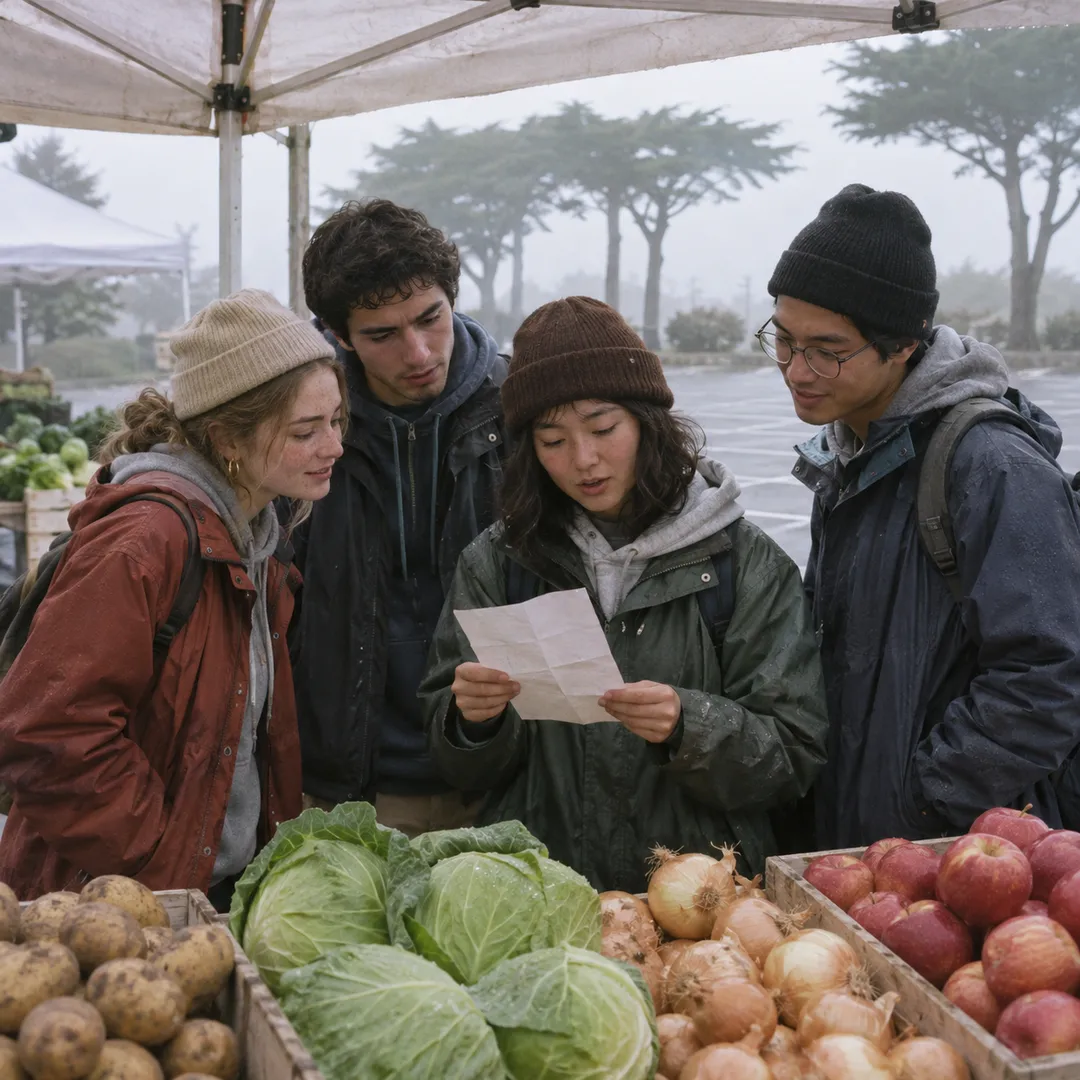
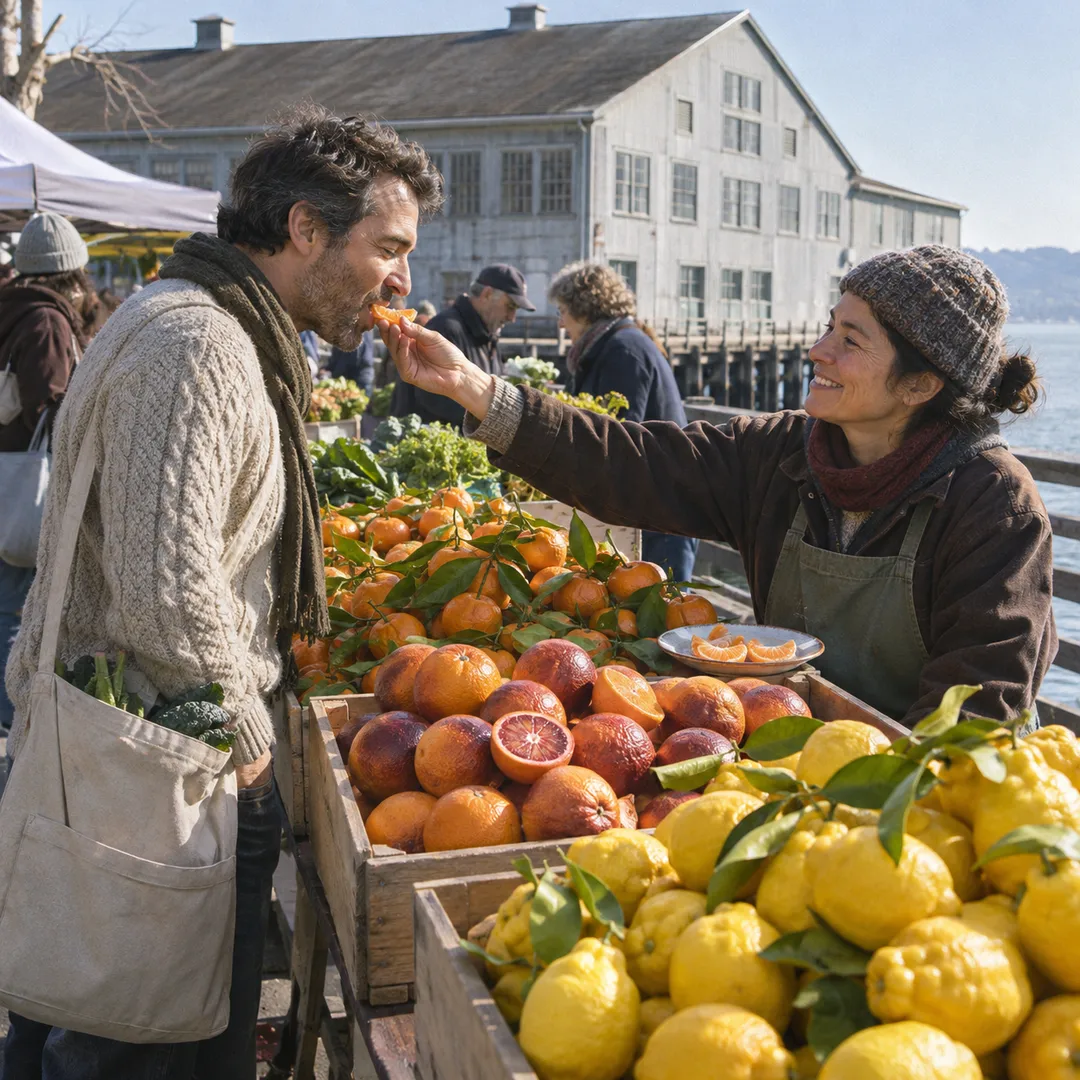
 Stonestown Winter Farmers Market Picker for Student Cooks
Weekend Plans
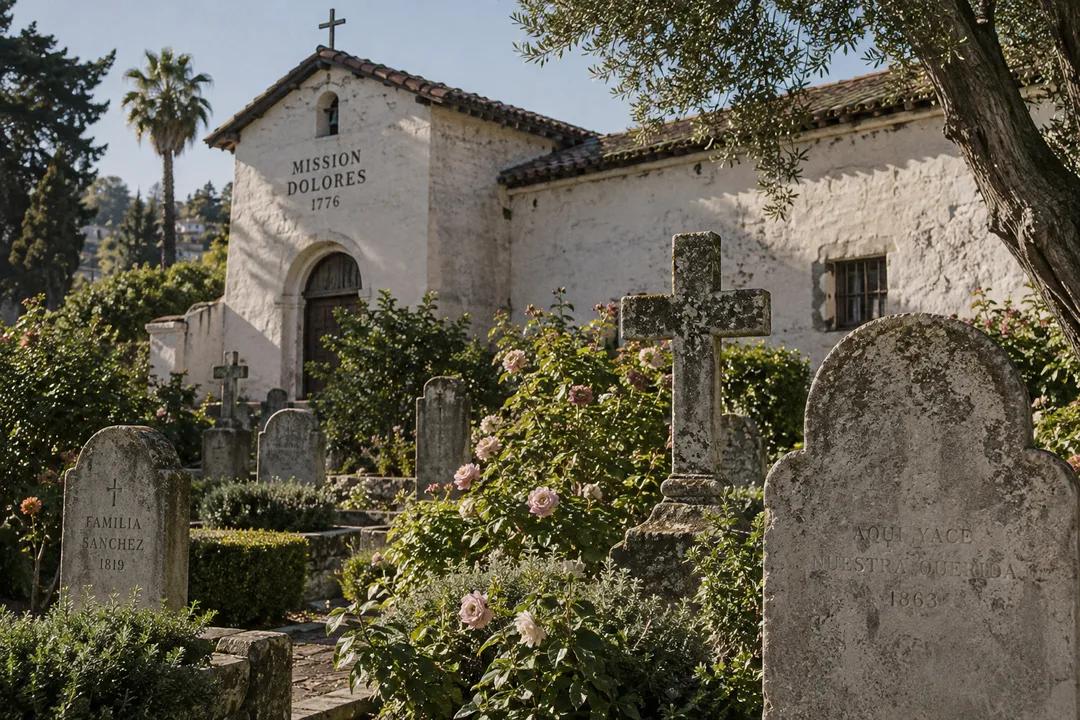
San Francisco Cemetery Tour at Historic Mission Dolores Adobe Chapel and Gardens
A comprehensive practical guide to visiting the historic cemetery, colonial adobe chapel, and museum gardens at Mission Dolores in San Francisco.
Mission Dolores Cemetery and Historic Gardens, situated adjacent to the colonial adobe chapel at 3321 16th Street at the corner of Dolores Street, welcomes visitors Monday through Friday from 10:00 AM to 4:00 PM and Saturday through Sunday from 10:00 AM to 5:00 PM. Founded by Spanish Franciscan missionaries in 1776 and completed in thick adobe brick in 1791, Mission San Francisco de Asís stands as the oldest surviving intact building in San Francisco. Self-guided entry into the historic chapel, museum rooms, and walled cemetery garden is available at the entrance desk, while educational school group tours feature a suggested donation of $5.00 per student and $10.00 per adult chaperone.
Reaching Mission Dolores at 16th and Dolores streets is remarkably straightforward via municipal public transit. Travelers can board the Muni J-Church streetcar directly from downtown Market Street stations, disembarking at Church and 16th Street just one block west, paying the standard $2.85 fare with a Clipper card or digital mobile app, or $3.00 in cash. Cable car rides downtown cost $9.00. The 22-Fillmore bus line also stops directly along 16th Street right near the mission gates, offering convenient cross-town transit connections.
Mission Dolores was the sixth of twenty-one California missions established under the leadership of Father Junípero Serra during Spanish colonial expansion. Built by the labor of indigenous Ohlone artisans, the chapel's four-foot-thick adobe walls and redwood ceiling beams withstood the devastating 1906 earthquake and fire completely intact, even as surrounding Victorian residential neighborhoods burned to the ground. The adjacent cemetery garden is the only surviving colonial-era burial ground located within the historic urban core of San Francisco, preserving centuries of continuous community presence.
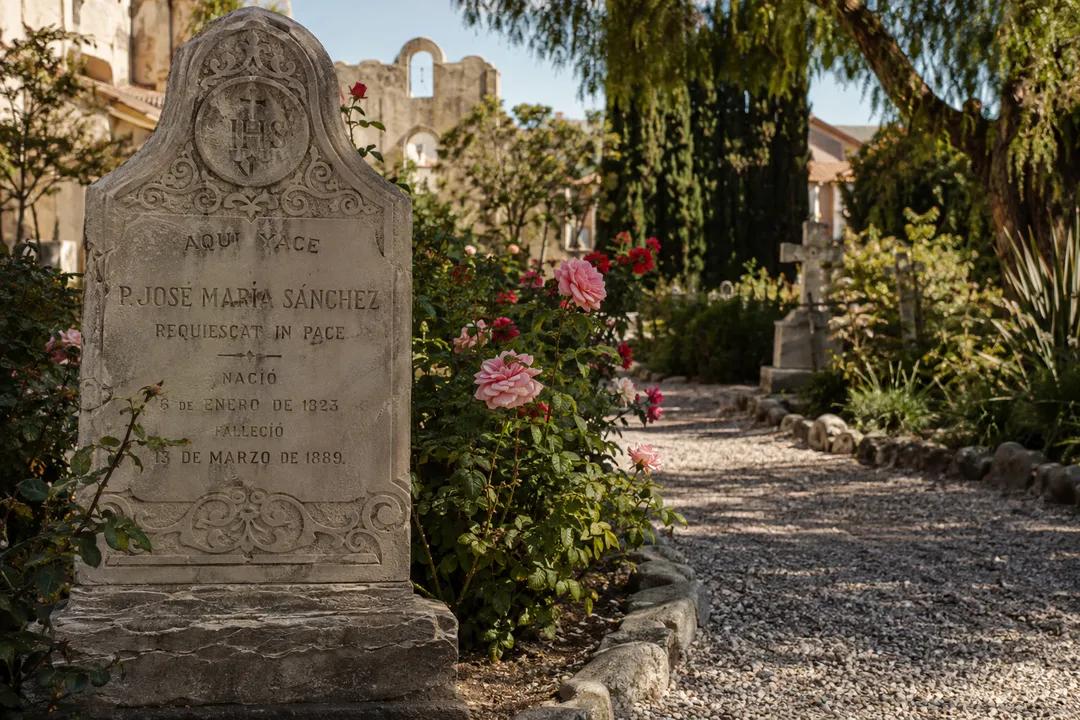
A peaceful walled courtyard garden surrounds the historic grave markers, shaded by mature trees and garden shrubs. Brick-paved pathways guide visitors past carved marble headstones, weathered sandstone ledger slabs, and family vaults dating from 1830 to approximately 1898. The contrast between the tranquil, sheltered cemetery gardens and the vibrant streets of the surrounding Mission District creates a memorable sense of stepping into early California history.
The cemetery holds the remains of pivotal historical figures who governed California during its transformative Spanish, Mexican, and early American eras. Visitors can view the prominent headstone of Don Luis Antonio Argüello, who served as the first native-born Governor of Alta California under Mexican rule from 1822 to 1825. Nearby rests Francisco de Haro, chosen in 1834 as the first Alcalde, or mayor, of the pueblo of Yerba Buena before the settlement took the name San Francisco. The cemetery also contains the grave marker of James Casey and a commemorative marker for Charles Cora, who were executed by the San Francisco Committee of Vigilance in 1856; historians debate Cora's final resting place, with alternative diocesan records pointing to his subsequent burial at Old Calvary Cemetery.
Most profoundly, the cemetery serves as the sacred resting place for an estimated five thousand indigenous Ohlone and Coast Miwok men, women, and children who lived, worked, and perished at the mission between 1776 and the secularization era of the 1830s. A dedicated commemorative memorial plaque stands along the central garden path, honoring these native neophyte ancestors whose labor constructed the mission church and agricultural settlement. Reading the historical interpretive inscriptions beside the memorial provides crucial cultural perspective on early California history. Historical exhibits within the adjacent mission museum display original mission records, church registers, and eighteenth-century liturgical artifacts that document the daily life and cultural heritage of the early settlement.
Self-guided touring of the mission chapel, museum, and cemetery gardens requires approximately forty-five minutes to an hour. General walk-in visitors do not need advance reservations, as entry is granted on a continuous basis during daily operating hours. Official mission notices state that guided tours are currently unavailable for regular visitors. The site's small museum displays historic Spanish vestments, liturgical artifacts, mission baptismal ledgers, and original eighteenth-century redwood woodwork.
The Mission District benefits from a mild microclimate, frequently enjoying warm sunshine while coastal neighborhoods remain fog-bound. Daytime temperatures in the cemetery garden routinely reach the mid-sixties Fahrenheit. Wearing comfortable walking shoes is advised for traversing the heritage brick garden paths and touring the cool, thick-walled adobe interior of the old mission church.
Mission Dolores Cemetery is an exceptional sanctuary for California history scholars, religious pilgrims, and contemplative travelers seeking historic architecture away from commercial tourist crowds. However, visitors seeking commercial ghost hunts, dramatic jump scares, or interactive audio headsets should choose commercial evening walking tours rather than this active, sacred historical mission site.
Because Mission Dolores remains a consecrated Catholic parish and historic burial ground, all visitors must observe reverent visitor etiquette. Quiet conversation and respectful decorum are required at all times along the cemetery paths and inside the church. Visitors must remain on the designated stone pathways and refrain from touching or leaning against fragile nineteenth-century marble monuments.
The mission chapel, museum rooms, and central cemetery paths are entered from 16th Street. Some historic brick pathways within the cemetery garden feature slight unevenness due to heritage tree roots, so visitors should navigate those narrow garden sections with care.
After touring the cemetery and museum, visitors can explore the rich dining and coffee culture of 16th, Valencia, and Dolores streets. Transit riders can easily connect to regional rail at the 16th St Mission BART station three blocks east, paying standard distance fares, or board the Muni J-Church streetcar for the local $2.85 Clipper fare or $3.00 cash fare. Nearby historic cable car lines in central San Francisco charge a single ride fare of $9.00.
If the historic mission chapel is temporarily hosting a private parish funeral mass upon your arrival, an outstanding nearby Plan B is walking two blocks south along Dolores Street to relax on the sunny grassy hills of Mission Dolores Park, which offers sweeping skyline panoramas. Mission Dolores Cemetery remains one of San Francisco's most profound historical treasures, preserving the earliest human memories of California in an enduring garden of quiet reflection.
Ask Karpo for more information.
Keep reading
- Stonestown Winter Farmers Market Picker for Student Cooks
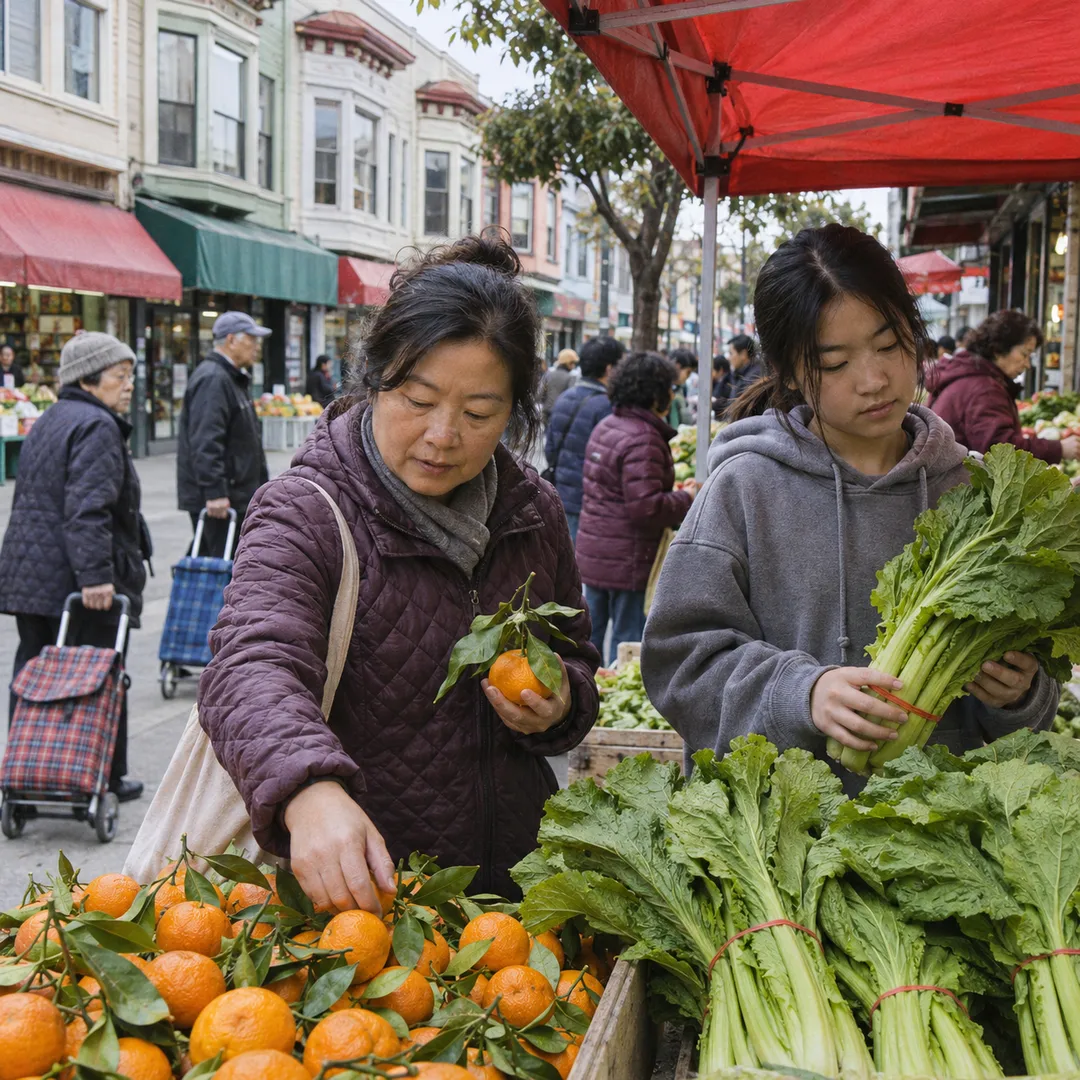 Clement St Winter Farmers Market Picker for Lunar New Year
 Fort Mason Winter Farmers Market Picker for Citrus Bakers