 Bernal Heights Pottery Glaze Supply Browsing Route: Walk
Hidden Gems & Odd Finds

Oscar's Photo Lab Camera Repair Shop: Brannan Checklist
Oscar's Photo Lab at 790 Brannan St in SoMa helps photographers organize camera care around a real symptom, a safe handoff, and a practical neighborhood route.
Oscar's Photo Lab at 790 Brannan St in SoMa is a practical address to use when a camera-care problem sits alongside film or lab work. Start by separating the equipment symptom from the processing question. Write the camera body, lens, film or digital file involved, and the exact moment the problem appears. Keep Oscar's Photo Lab's website with the address in your notes. The purpose of this visit is clarity: bring evidence, protect the equipment, and ask for the next useful check rather than a broad promise.
Separate Lab Work From Camera Work
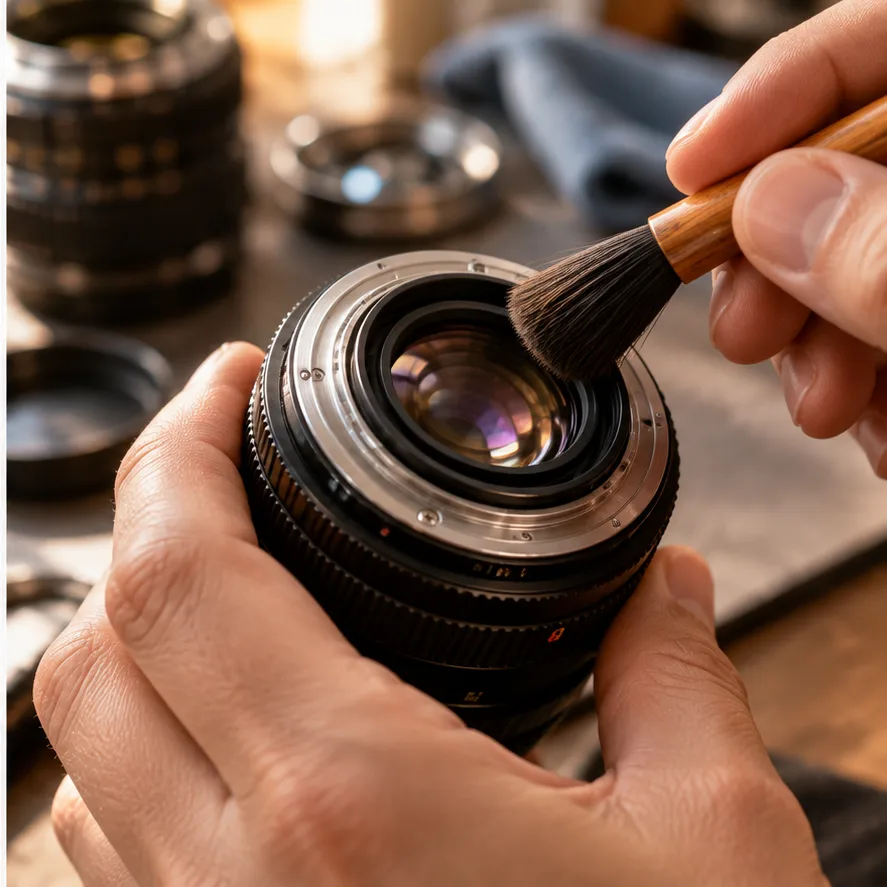
Start the Brannan Street conversation with one camera, one file or roll, and one outcome. Oscar's Photo Lab can work more efficiently when the problem is separated from the surrounding project. Describe the symptom, show the evidence, and ask which check comes first. Keep extra accessories packed until the staff asks for them.
Label Film and Files
If the issue appears on film, mark the roll before you travel. Note whether it is exposed, partly exposed, or unshot, and keep the canister away from magnets, moisture, and loose batteries. If the issue appears in a digital file, bring the original rather than a social-media export. A technician or lab worker can learn more from the full frame, filename, and settings than from a compressed screenshot. This preparation also prevents a processing question from being mistaken for a camera fault.
Describe the Outcome
At Oscar's Photo Lab, describe the outcome you need: clean scans, a reliable shutter, a camera that advances film, or a clearer diagnosis of an image defect. Those are separate requests even when they show up in the same project. Ask what can be checked at the counter and what would require a specialist. Repeat the model name and lens mount so the note is accurate. If a job ticket is created, photograph it and keep the serial number in your own record.
Give Brannan Street Some Space
Brannan Street can be an active SoMa corridor, so plan a little space around the conversation. If another customer is collecting work, wait until the handoff is finished before opening your bag. Use that time to arrange one reference frame and three symptom notes. Keep film, batteries, and caps in separate pockets. A quiet, organized presentation makes it easier for the staff to answer the actual question and keeps a delicate lab counter free of accidental spills.
Set a Useful Stop Rule
The right outcome may be a lab instruction, a cleaning recommendation, or a referral rather than an immediate repair. Ask which sign would show that the problem is fixed and which sign means you should stop using the camera. Do not turn a general suggestion into a guarantee. A written threshold—stop if the shutter sticks, return if the same mark repeats, store the roll separately—gives you a useful plan for the next shoot and makes follow-up less emotional.
Keep the SoMa Route Short
SoMa offers a short route after the Brannan Street errand. You can walk toward the nearby warehouses, galleries, or the waterfront while keeping the camera zipped away. If you are carrying exposed film, avoid leaving it in a hot car or direct sun. A short coffee stop is safer than an extended outing with delicate work. Return home before opening the camera again so you can make any test under controlled conditions and record the result properly.
Protect Images at the Counter
Lab etiquette protects both images and equipment. Ask before opening a film compartment, keep an unprocessed roll capped, and place a camera on a dry, stable surface. If staff demonstrate a test, watch first and repeat only when invited. One controlled test can answer more than a burst of improvised clicks. Note the condition, the result, and the recommended next action. That three-part record is useful if the camera later visits a specialist or returns to the lab.
Review the Lab Handoff
Before leaving 790 Brannan St, check every item in the handoff. Confirm the camera body, lens, film roll or file, serial number, and contact method. If a lab note or receipt is provided, photograph it. Keep Oscar's Photo Lab's website next to the appointment or reminder. A clear record prevents the most common follow-up error: remembering the conclusion but forgetting which camera, roll, or image supported it.
Match Service to the Work
Match the repair decision to the work ahead. A documentary project may need predictable film transport; an archive project may prioritize careful handling; a casual weekend walk may tolerate a slower plan. Write down the next assignment and one function that must work. Share that fact with the counter without asking for certainty about every future frame. It gives the conversation a practical center and helps you decide whether to service now, carry a backup, or postpone a cosmetic concern.
Repeat the Same Conditions
For a return visit, bring the same roll notes or original file. Explain whether the problem changed after processing, a different lens, a new battery, or a change in temperature. Repeating the conditions makes comparison possible. Save the date, the Brannan address, and the business name together. That small piece of organization keeps your next question tied to the right lab instead of a generic camera-repair search.
Choose the Next Safe Action
A camera repair shop near me search is successful when the next action is safe and specific. Oscar's Photo Lab gives a SoMa photographer a place to connect camera condition with film or lab evidence, then choose a sensible path. Arrive with one reference, protect the materials, respect the counter, and write down the result. The Brannan Street visit can then support the photographs you are making instead of adding another layer of uncertainty. End the Brannan errand by saving one dated note with the roll or file name. A dependable record makes the next lab conversation shorter and keeps the camera-care decision connected to the work. Keep the note in the same folder as the project brief, and include the camera model, the date, and the symptom in the filename. A future technician can then see the sequence without relying on memory.
Ask Karpo for more information.
Keep reading
- Bernal Heights Pottery Glaze Supply Browsing Route: Walk
 Potrero Hill Pottery Glaze Supply Browsing Route: Walk
 Mission Pottery Glaze Supply Browsing Route: Studio Walk