 Stonestown Winter Farmers Market Picker for Student Cooks
Weekend Plans
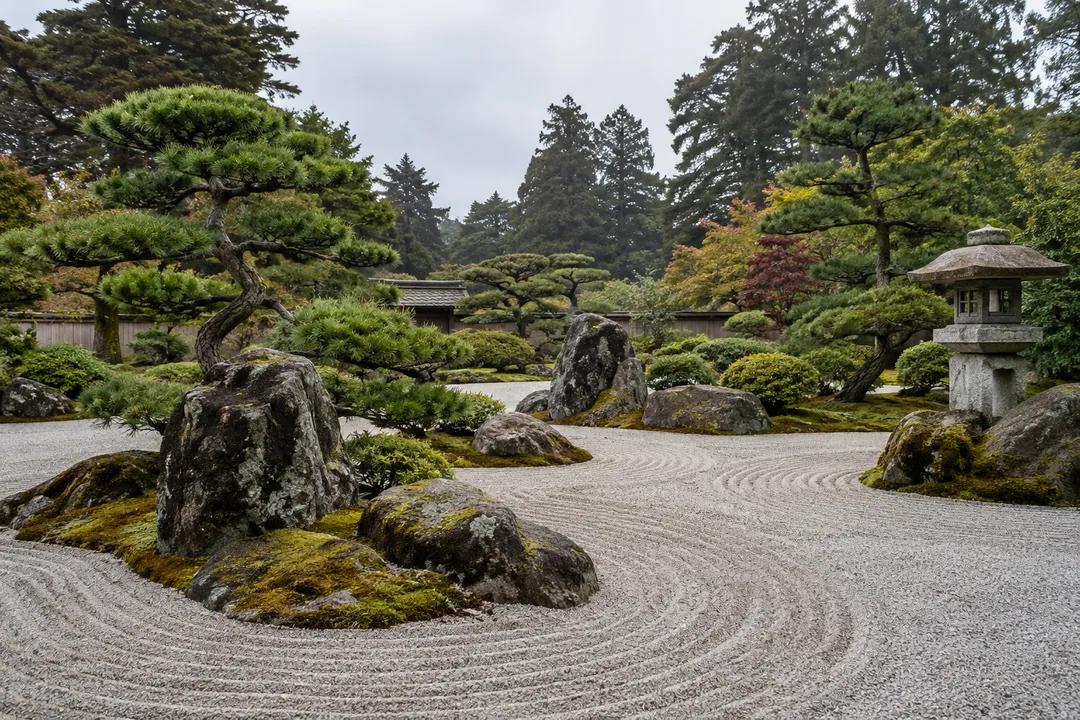
Golden Gate Park Botanical Rock Garden Zen Walk Route
Walk through the Japanese Tea Garden botanical rock garden in San Francisco to see raked gravel paths, mossy boulders, and tranquil bonsai collections.
Tucked into the western grove of Golden Gate Park at 75 Hagiwara Tea Garden Drive, the Japanese Tea Garden harbors one of the oldest authentic dry landscape karesansui sanctuaries on the Pacific Coast. Established originally during the 1894 California Midwinter International Exposition under the visionary design of Japanese landscape architect Makoto Hagiwara, this historic five-acre enclave blends classical Japanese garden philosophy with San Francisco's coastal maritime environment. Stepping across the cedar threshold brings visitors immediately into a quiet realm of curated stone and living greenery, where raked gravel beds, weathered mountain boulders, and sculpted shore pines form a contemplative botanical rock garden retreat. The garden offers an intimate sanctuary where natural stone textures, raked pea gravel patterns, and evergreen foliage create a timeless dialogue between terrestrial geology and living botanical craft. Within this sheltered woodland clearing, ocean moisture and morning sunlight interact to highlight subtle mineral crystals embedded in dark river rocks.
The Artistry of Karesansui Dry Stone Arrangements
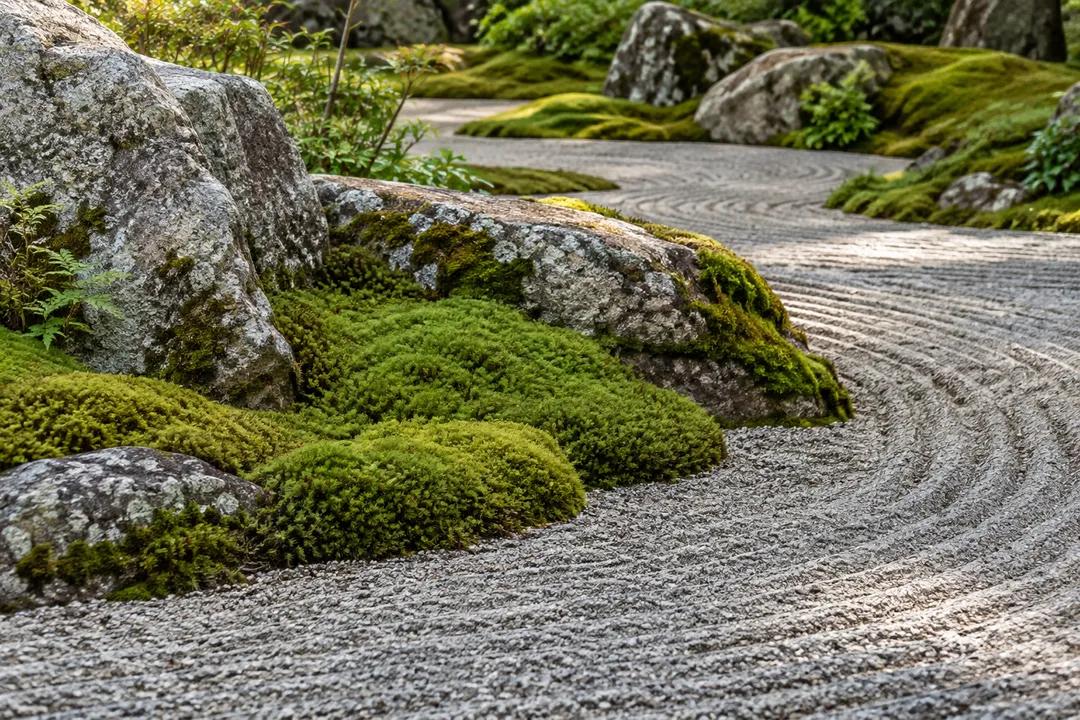
At the heart of the garden's dry landscape zone sits an austere karesansui rockery that interprets coastal geography and Zen philosophy through raw mineral forms. Large, lichen-encrusted Sierra Nevada granite boulders are embedded deep into the ground, arranged in traditional triad formations to represent sacred islands, crashing sea surf, and towering mountain peaks. Master garden builders selected these weathered stones for their natural patinas, craggy ridges, and horizontal striations, burying up to two-thirds of each boulder beneath the surface to evoke ancient geological permanence.
Surrounding these primary stone anchors, fine crushed river gravel is raked daily into flowing concentric ripples and rhythmic wave geometries that symbolize oceanic currents. The stark white and cool slate-gray mineral surfaces are contrasted by deliberate plantings of cloud-pruned Japanese black pines, dwarf Hinoki false cypresses, and low cushions of juniper that soften the hard edges of the stone arrangements. Velvet beds of Dicranum moss blanket the shaded base of each boulder cluster, thriving in the cool, moist ocean air that regularly filters through the surrounding canopy of Monterey cypresses.
Every rock grouping follows strict asymmetrical balance, ensuring that from any viewing vantage along the veranda or path, at least one stone appears partially hidden behind another. This deliberate visual concealment reflects the classic aesthetic concept of yugen, inviting visitors to complete the landscape composition within their own imagination.
Navigating Paths and Historic Granite Lanterns
Winding stone pathways invite visitors to move deliberately through the rockery, encouraging unhurried steps and quiet contemplation. Hand-hewn granite stepping stones, known in traditional Japanese garden craft as tobi-ishi, are positioned at varied intervals across the gravel banks, requiring walkers to watch their stride and observe the subtle shifts in rock textures beneath their feet. These irregular paths were deliberately designed to slow pedestrian cadence, pulling attention away from everyday hurry and directing it toward the interplay of rough stone surfaces and creeping groundcovers.
Historic Kasuga stone lanterns, carved from solid gray granite over a century ago, stand guard at path intersections, their weathered pagoda-style roofs holding pockets of damp green moss and coastal lichens. Nearby, hand-chiseled granite water basins fed by bamboo flutes provide gentle acoustic murmurs that mask distant city traffic along Lincoln Way and Fulton Street. For travelers seeking a balanced walking itinerary through the park, the Karpo APP provides tailored route suggestions that highlight optimal morning arrival windows when coastal fog lingers softly above the dry stone ridges, ensuring an unhurried exploration before midday tour groups arrive.
Walking along the perimeter timber deck allows observers to take in panoramic views of the gravel patterns without disrupting the raked lines. The textural transition from smooth wooden boardwalks to rough granite flagstones reinforces sensory awareness throughout the entire garden journey.
Microclimates, Lichen Growth, and Seasonal Plantings
San Francisco's persistent coastal microclimate shapes the vegetative character of this rockery in distinct ways throughout the calendar year. Heavy summer fog banks rolling in off Ocean Beach deliver ambient humidity that maintains rich colonies of emerald haircap moss, crustose lichens, and resilient liverworts clinging directly to the porous granite faces. Tucked within narrow rock fissures and gravel seams, delicate Japanese forest grasses and dwarf sweet flag irises produce fine blades that sway in the cool ocean breeze, creating soft movement against static stone outcroppings.
In autumn, slender weeping laceleaf maples planted beside the rock terraces transform into brilliant canopies of scarlet, amber, and burnt orange, dropping feathery leaves across the pale raked sand. Spring brings vibrant displays of miniature satsuki azaleas and dwarf rhododendrons, whose pink and white blossoms erupt directly beside gray stone outcroppings, illustrating the classic aesthetic balance between timeless mineral permanence and fleeting organic renewal. Even in winter, the subtle variations in wet rock coloration and the deep green needles of Monterey pines give the space a grounded, meditative presence.
Careful pruning by garden staff prevents vigorous shrubbery from encroaching on stone profiles, preserving the sharp contrast between hard rock faces and soft botanical foliage.
Connecting to Golden Gate Park Cultural Paths
A morning visit to the rock garden seamlessly connects with the broader network of cultural and natural landmarks lining Golden Gate Park's central concourse. Just outside the tea garden's wooden gateway, paved pedestrian avenues lead directly toward the de Young Museum's outdoor sculpture garden and the tranquil central music concourse framed by rows of pollarded plane trees. Strolling south along Martin Luther King Jr Drive brings walkers to the winding shoreline paths of Stow Lake, where rustic stone bridges, island paths, and the rocky cascades of Strawberry Hill continue the park's rich legacy of naturalistic stonework.
Visitors planning an excursion should wear sturdy flat walking shoes to comfortably traverse uneven granite steps, mossy stone pavers, and occasional damp boardwalks. The serene atmosphere of the zen rockery remains best experienced during the early opening hours before midday foot traffic fills the central tea house, leaving the gravel waves and timeless boulders entirely undisturbed for peaceful photography and reflective contemplation.
Pairing a reflective session in the dry rock garden with an unhurried walking tour of adjacent park trails creates a harmonious half-day retreat in the heart of urban San Francisco. Taking time to notice the texture of moss on cold granite anchors the senses and offers a memorable pause from the surrounding city.
Ask Karpo for more information.
Keep reading
- Stonestown Winter Farmers Market Picker for Student Cooks
 Clement St Winter Farmers Market Picker for Lunar New Year
 Fort Mason Winter Farmers Market Picker for Citrus Bakers