 Costume Rental Near Me in Sunset District: St. Ignatius Wardrobe Racks
Hidden Gems & Odd Finds
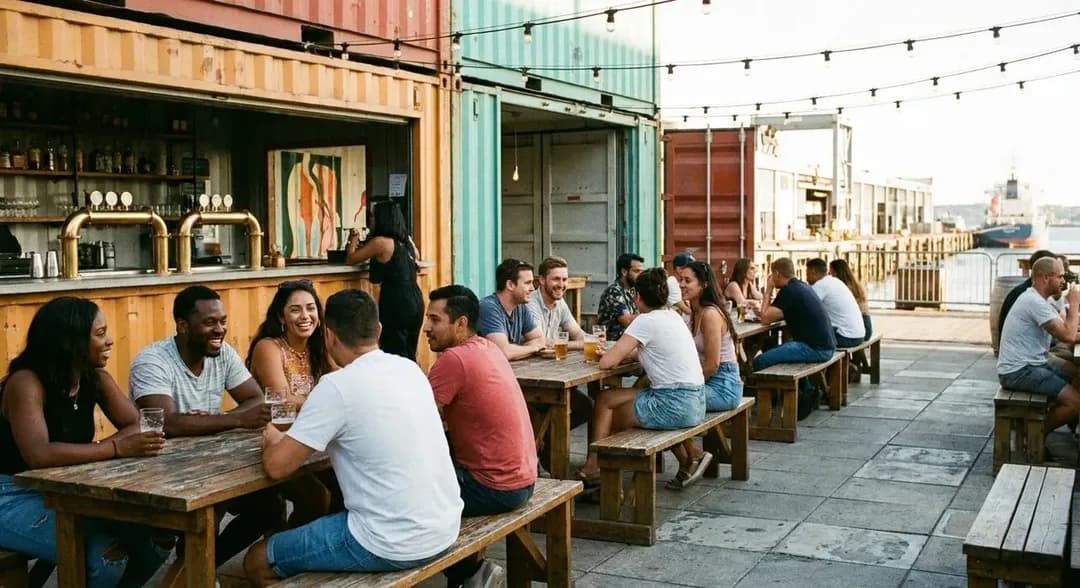
A Bar Inside a Converted Shipping Container in Dogpatch
Three welded shipping containers form a neighborhood bar where corrugated steel walls meet rotating tap handles. When the industrial doors slide open, the line between inside and outside disappears entirely.
The architecture of drinking
You'll find spaces like this in Dogpatch, where the neighborhood's shipping and warehousing past meets its adaptive-reuse present. The district along Third Street has become known for converted industrial spaces—breweries, bars, and studios occupying buildings that once served the port economy. San Francisco experimented with shipping-container architecture in projects like PROXY in Hayes Valley, and Dogpatch's industrial character lends itself to similar creative conversions. Walk through the neighborhood on a weekday afternoon and you might catch artists transforming corrugated steel facades, the kind of ongoing evolution that defines the area. The containers themselves—when used in construction—often retain traces of their cargo days, seams and rivets left visible as design elements that celebrate rather than hide industrial origins.
When the walls disappear
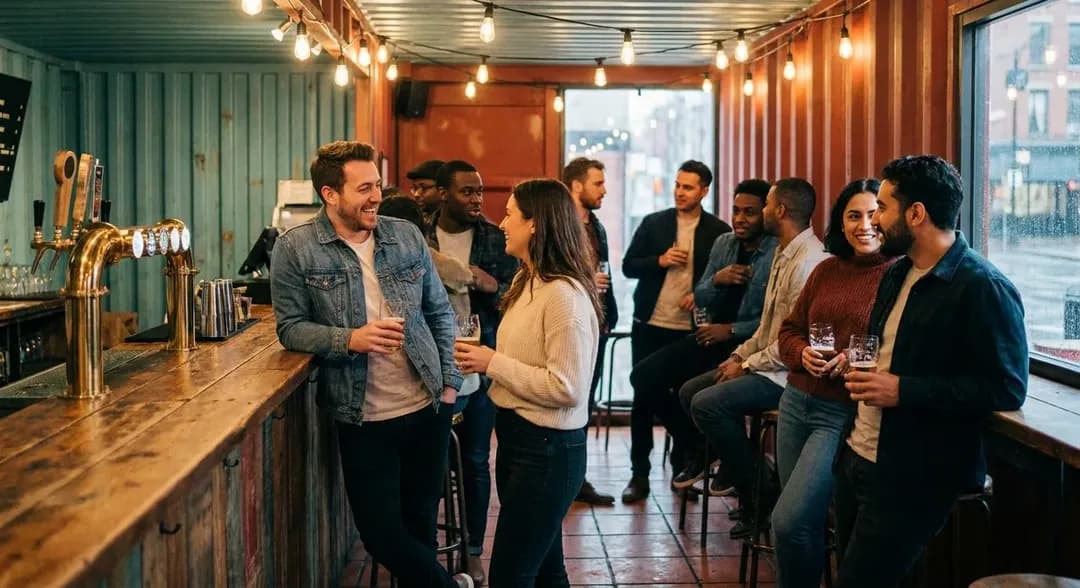
The massive sliding doors common to container conversions roll open on warm evenings, blurring the line between inside and outside. Stand at the bar in one of these spaces during the warmer months and you're technically indoors, but the breeze from the bay says otherwise. In winter, the doors seal tight and the space contracts into something more intimate, though the thermal properties of shipping containers make climate control a persistent challenge. You'll find regulars who've mapped the microclimates—the corners that hold heat, the spots where gaps between units create unexpected warm pockets. The seasonal rhythm of opening and closing defines the drinking experience as much as what's being poured.
The tap situation
The Bay Area brewery scene runs deep in Dogpatch's bars, with rotating handles pulling from local producers you won't find in wide distribution. Selections change regularly—weekly rotations are common—and you'll often catch brewery representatives at the bar during changeover times, buying rounds for whoever's present. The chalkboard menus above these bars list each beer's ABV, IBU, and brewing location, details that matter when you're drinking something made a few neighborhoods away. The emphasis stays local, the kind of curation that reflects the neighborhood's preference for what's made nearby over what's shipped in.
The corrugated interior
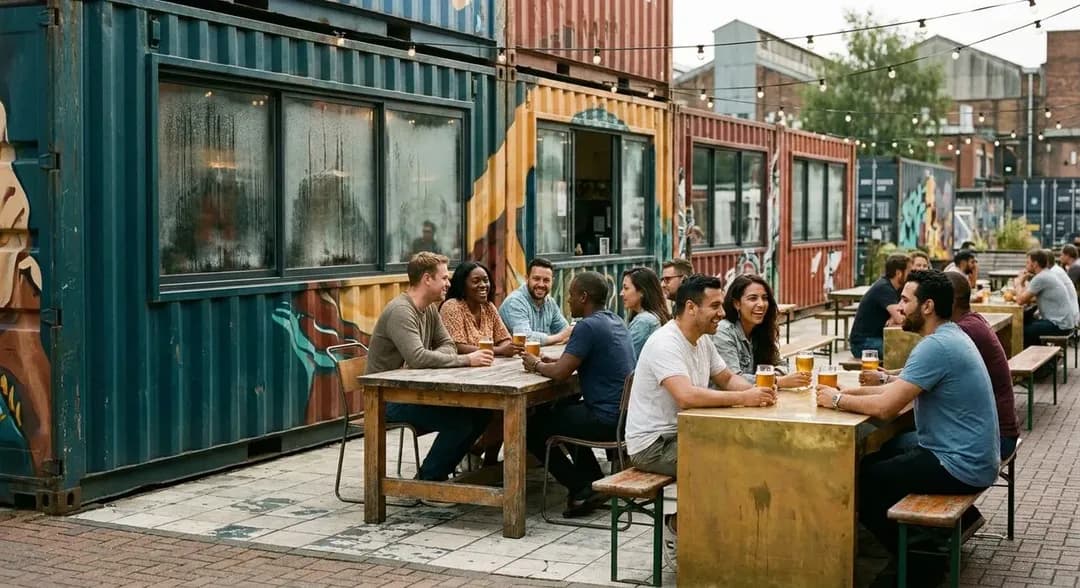
Nothing's typically done to soften the industrial reality of drinking inside converted shipping containers. The walls remain bare corrugated steel, painted but otherwise untouched. Sound bounces differently in these spaces—conversations echo slightly, creating a constant low hum that feels more like a working warehouse than a designed space. Ceiling heights vary by container configuration, and anyone tall learns quickly which spots require ducking. Steel rings welded into walls function as coat hooks and bag holders, their original purposes adapted to new use. Bar tops in Dogpatch often feature reclaimed dock wood from nearby Pier 70, a design choice that became standard before it became ubiquitous across the city.
The patio mathematics
Outdoor spaces at these bars operate on informal systems rather than reservations. Picnic tables made from reclaimed industrial wood sit under string lights, and on Friday evenings the patios fill by early evening. There's typically an unspoken protocol where people at tables shift to make room for newcomers, the kind of casual accommodation that defines neighborhood bar culture. Corner tables that catch afternoon sun become prime real estate during shoulder seasons. No table service—you order at the bar and carry your own pint outside, a setup that keeps things simple and prices reasonable.
Who drinks here
The crowd in Dogpatch bars skews toward people who actually live in the neighborhood, not tourists who wandered down from the Design District. You'll see workers from the remaining industrial operations, designers from the studios on Illinois Street, and employees from the biotech offices on Third. Many of these bars don't have TVs, don't play music loud enough to prevent conversation, and keep their offerings focused—decisions that effectively filter the clientele. It's the kind of place where you might arrive alone with a book and leave having made plans for next weekend, the bar functioning as neighborhood living room for those who know it's there.
Practical notes
Dogpatch runs along Third Street between Mariposa and 23rd Street, a former industrial neighborhood now full of converted warehouses and adaptive-reuse spaces. Bars in the area like Dogpatch Saloon (2496 3rd Street) and Third Rail keep typical hours of late afternoon to midnight, with some closed on Mondays. Pints generally run $7-10 depending on the offering. The Muni 22 bus serves Third Street, and it's a walkable distance from the 22nd Street Caltrain station. Most venues accept both cash and cards. The neighborhood's industrial character means street parking only in most areas. The bay breeze cuts through even in summer—bring a jacket for evening drinking, especially in spaces with open walls or doors.
Tags: #DogpatchSF #ShippingContainerBar #SanFranciscoBars #BayAreaBreweries #IndustrialDesign #TheOddEdit #SFCraftBeer #LocalBarsSF #ThirdStreetSF #HiddenSF #ContainerArchitecture #DogpatchLife #SFNeighborhoods #BayAreaBars #KarposFinds
Sources consulted: en.wikipedia.org · sfstation.com
Please drink responsibly. Must be of legal drinking age.
All trademarks are the property of their respective owners.
Ask Karpo for more information.
Keep reading
- Costume Rental Near Me in Sunset District: St. Ignatius Wardrobe Racks
 Costume Rental Near Me in Civic Center: San Francisco Opera Wardrobe
 Costume Rental Near Me at SFSU: School of Theatre Collection