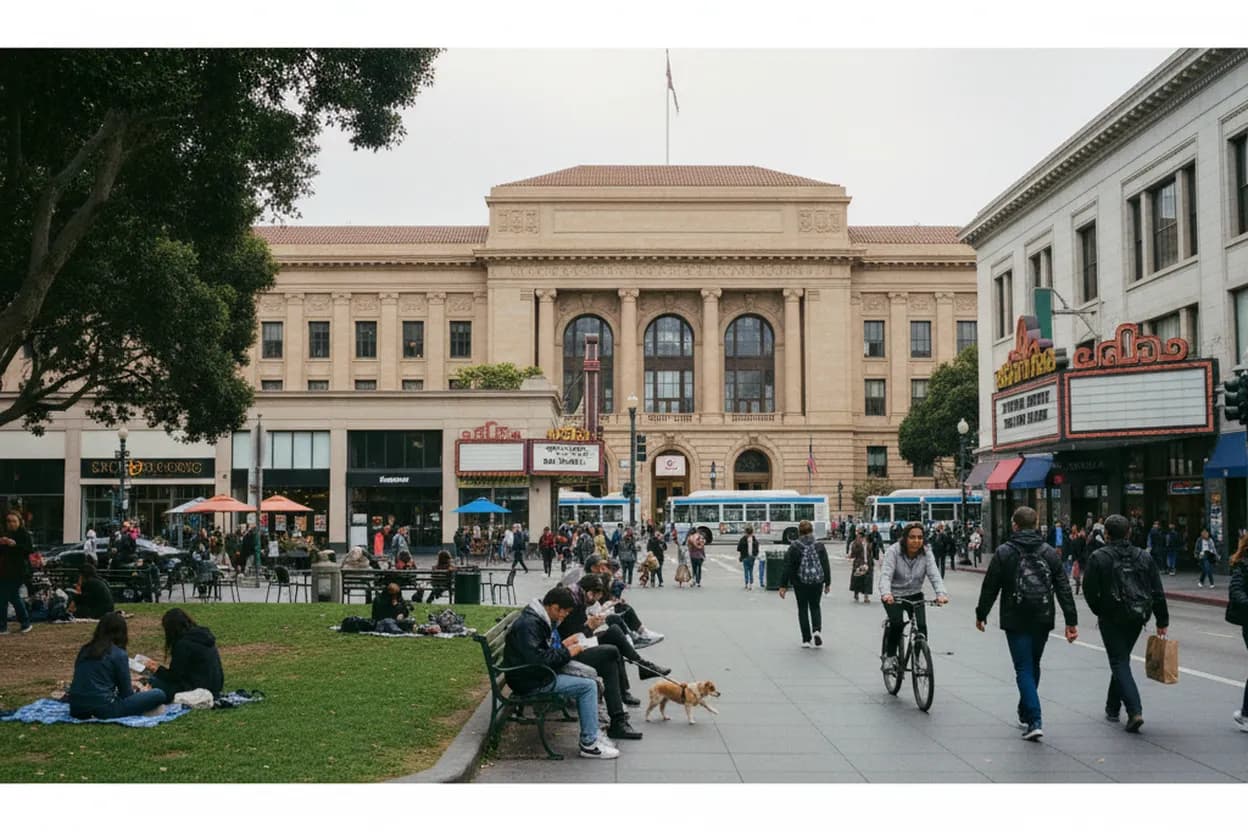
On Tuesday, August 11, 2026, San Francisco families have a narrow, useful window before SFUSD’s first day of fall instruction on August 17. A morning at San Francisco Public Library’s Main Library can turn a child’s question about a police officer into a grounded civic learning exercise. Keep the tone practical: what the job includes, what it does not include, when to call a trusted adult, and why official sources matter. Civic Center is busy enough to feel real, but the library gives the conversation structure, staff support, books, maps, and an easy exit if the topic becomes too much.
Want a calm Civic Center route with source checks built in? Text Karpo before you go for the library stop, Muni options, and child-friendly questions to tap on site.

Start at SFPL Main Library, 100 Larkin Street
Make the Main Library the first stop because it places a sensitive topic inside a public learning setting, not on a street corner or in front of an active incident. SFPL lists the Main Library at 100 Larkin Street, with Tuesday hours posted as 9 a.m. to 8 p.m. For a morning visit, arrive after opening and ask staff for age-appropriate material on public service, emergency response, and city government.
Keep the first library block small: one book or excerpt, one San Francisco map, and one written question. Younger children may only need to learn that police are one city service among many. Older students can compare police, fire, library, school, transit, and social-service roles. That pacing avoids turning the lesson into debate while still leaving space for honest questions about safety, authority, and community trust.
Use Civic Center Muni Stops Instead of Hunting for Parking
SFMTA’s place page for San Francisco Public Main Library lists the destination at 100 Larkin Street and shows nearby Muni service, including F Market & Wharves, J Church, L Taraval, M Ocean View, 5 Fulton, 9 San Bruno, 14 Mission, 19 Polk, 21 Hayes, 47 Van Ness, and 49 Van Ness/Mission. Civic Center/UN Plaza also works as a practical rail anchor for many families.
Transit gives the outing a broader public-safety frame without forcing a police encounter. Ask who helps when a rider is lost, an elevator is out, a train is delayed, or someone needs accessibility support. The tradeoff is reliability: alerts, transfers, and platform crowding can stretch a simple morning. Check service the same day, leave a buffer, and switch to a neighborhood branch if the route starts unraveling.
Read SFPD Community Engagement Pages Before Any Contact
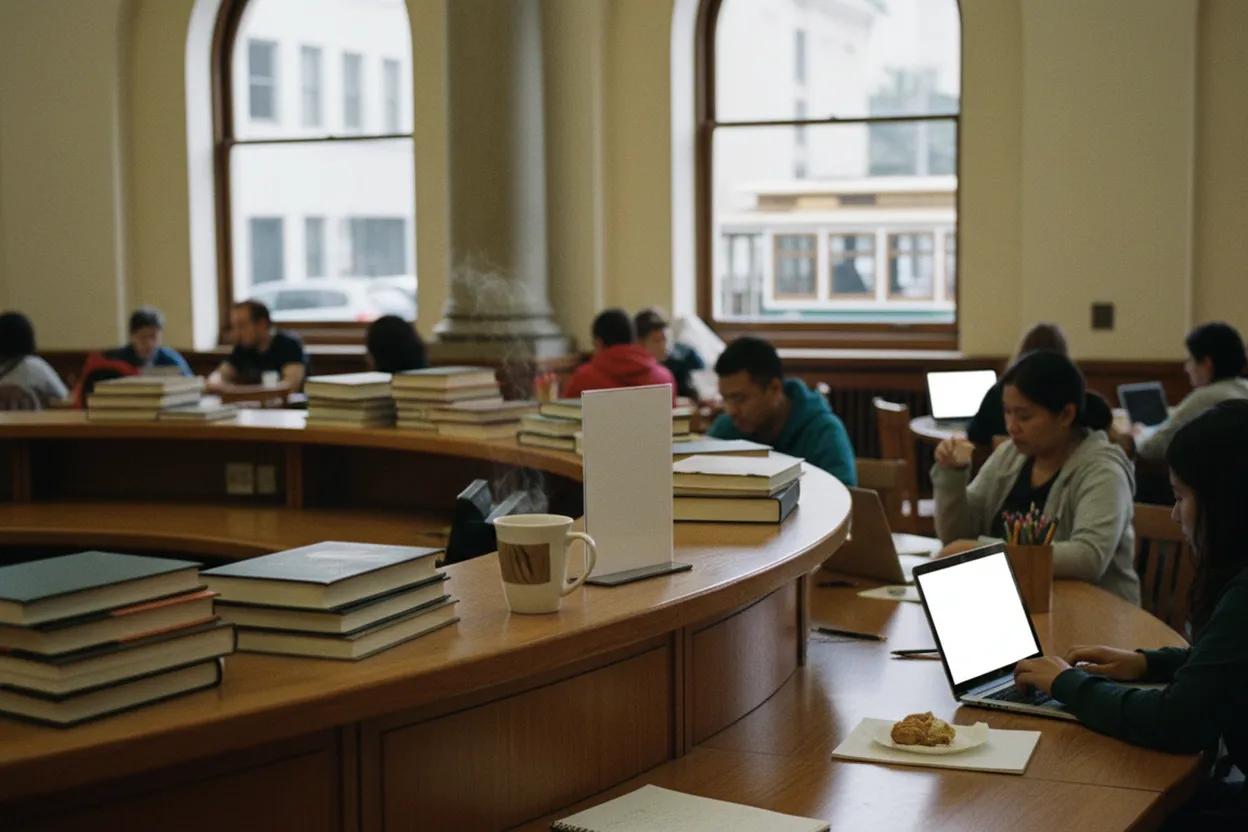
SFPD’s Community Engagement Division says it works with all ten district stations through designated liaisons, community leaders, neighborhood events, youth programs, and annual community-policing planning. That page is more useful for students than crime posts or dramatic videos because it explains public-facing work in an official context. Read one short section together, then sort examples into service, enforcement, prevention, and questions that still need verification.
Treat the page as background, not a promise that an officer or youth program is available today. Calendars, eligibility, staffing, and contacts can change quickly. If your child wants to meet someone, use an official event listing or contact channel and wait for confirmation. Do not approach officers during calls, traffic stops, courthouse security, demonstrations, or tense street situations; those are work settings, not learning opportunities.
Ask Children’s Room Questions About Jobs and Limits
A useful back-to-school conversation starts with concrete roles, not slogans. Ask what problems the city assigns police to handle, what situations require a teacher or caregiver first, what information belongs in an emergency call, and what details should never be guessed. The Children’s Room or reference desk helps children slow down, use neutral language, and see public safety as one part of a larger civic system.
Families will bring different experiences to this topic, and the plan should allow that. Some children feel calmer when they understand uniforms, radios, badges, and emergency roles; others may need reassurance that they do not have to discuss private family experiences in public. Keep examples general, skip reenactments, avoid ranking people as heroes or villains, and let the child pass on any question that feels too personal.
Tie the Notes Page to SFUSD’s August 17 Start
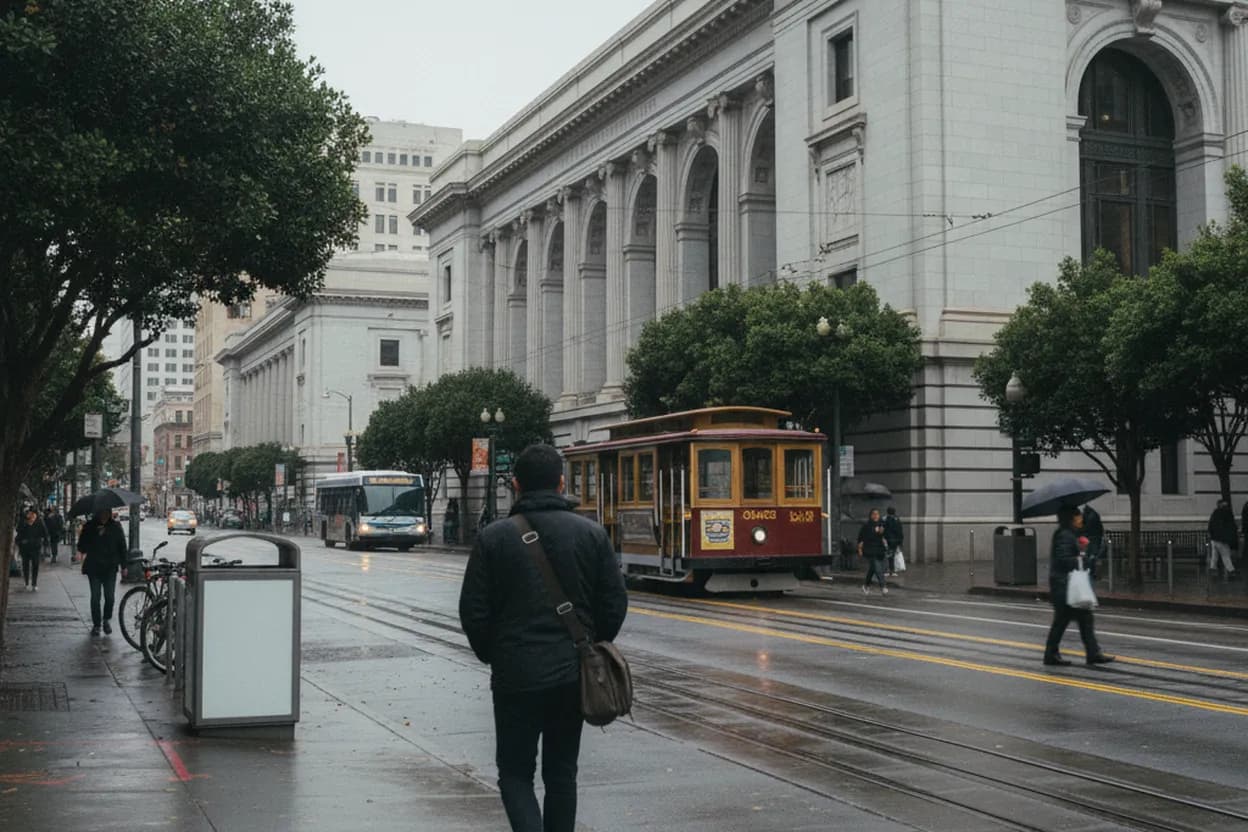
SFUSD’s calendars page was last updated on August 7, 2026 and links the 2026-27 academic calendar downloads. The English districtwide calendar lists August 11-13 as professional development days, August 14 as a teacher work day, and August 17 as the first day of fall instruction. That makes this Tuesday a preparation day, not a substitute for school guidance or classroom safety information.
Connect the outing to readiness for class. A student can write three sentences: one role a police officer may have, one role another city worker may have, and one question they would verify with an official source. If your family needs bell times, classroom assignments, emergency procedures, or arrival rules, check the individual school notice. The district calendar is useful, but it does not replace site-level updates.
Call SFPL Accessibility Lines for Program Support
SFPL’s contact page lists the Main Library phone line as 415-557-4400 and TTY as 415-557-4433. For accommodations such as ASL interpretation or captioning, SFPL directs visitors to call the TIP Line or email accessibility@sfpl.org, and says requesting at least three business days in advance helps availability. If the visit includes a scheduled program or a child needs support, ask before relying on same-day capacity.
Accessibility also includes emotional pacing. Civic Center can feel busy, especially for children who notice uniforms, security screening, demonstrations, or people in distress. Set a simple plan before entering: stay together, ask library staff for help, and move to a quieter floor when needed. If the building feels overwhelming, borrow materials online or use a closer SFPL branch. A calmer backup still teaches the same verification habit.
Open SFPL, SFMTA, SFPD, and SFUSD Pages Before Leaving
The final verification action is simple: before leaving on August 11, open the SFPL Main Library page, the SFMTA library place or route page, the SFPD Community Engagement page, and the SFUSD calendar page. Confirm hours, route status, program details, and school dates. If one item cannot be confirmed, say that plainly to the child. Verification is part of the civic lesson, not a delay.
Bring the morning back to one respectful artifact: a checked-out book, a notes page, or a photo of a public sign where photography is allowed. Avoid photographing officers, children, security procedures, or tense situations. On the ride home, ask which source felt most trustworthy and why. That question turns a mild Civic Center visit into a durable back-to-school habit: pause, check, then speak carefully.
Tags: #SanFrancisco #BackToSchool #PoliceOfficer #SFPL #MainLibrary #CivicCenter #SFUSD #Muni #CommunityPolicing #StudentCivics #FamilyLearning #AskKarpo #BeforeYouGo #PublicSafety
Sources consulted: Source 1: sfpl.org · Source 2: sfpl.org · Source 3: sanfranciscopolice.org · Source 4: sfmta.com · Source 5: sfusd.edu · Source 6: sfusd.edu
All trademarks are the property of their respective owners.
Ask Karpo first
Tell Karpo your date, group size, budget, and starting point. We’ll check current access, timing, transit, and the cleanest San Francisco plan for San Francisco Public Library (Main Branch) before you head out.


