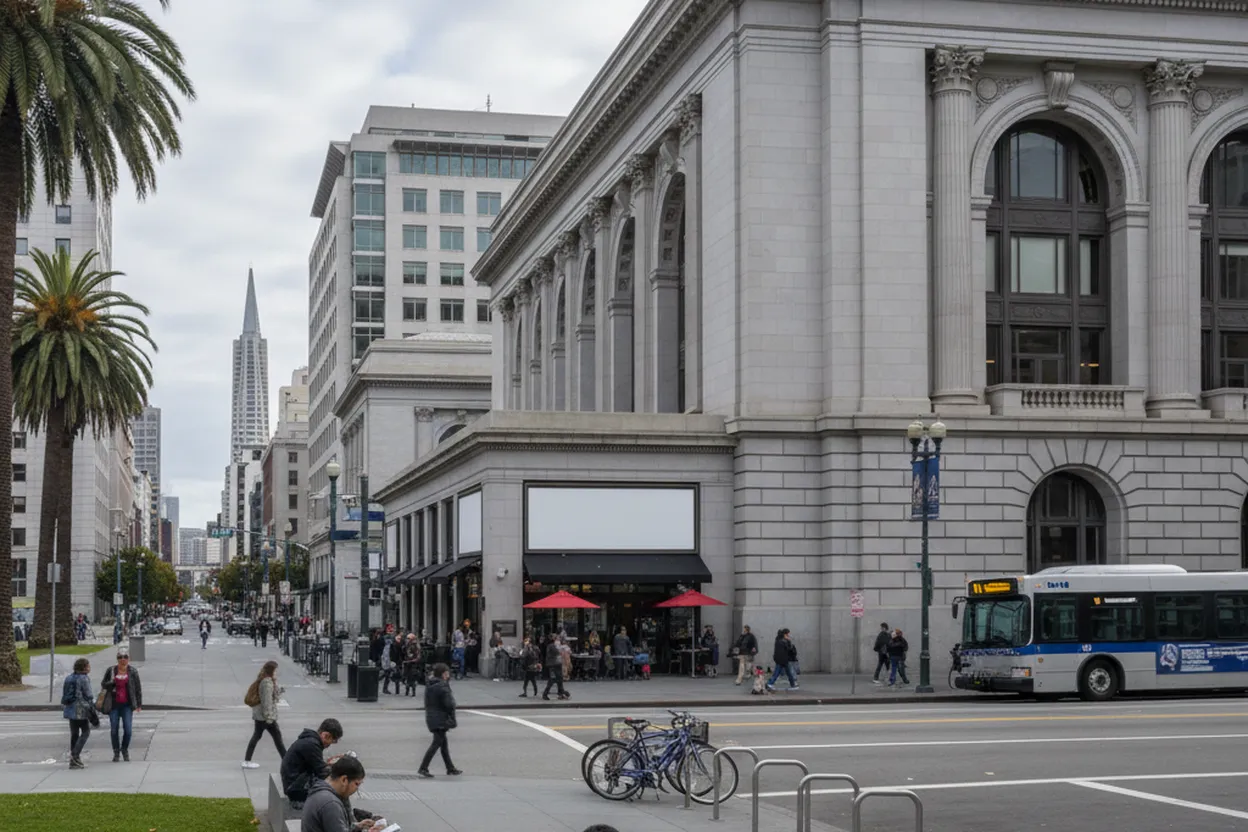
As San Francisco families reset routines for the 2026-27 school year, national political names can show up in group chats, classroom questions, and after-school arguments before adults have checked the facts. The current search interest around lauren boebert is a useful test case: students may know the name from headlines, memes, Congress, or family debate, but not know how to separate verified information from commentary. For parents, teachers, and caregivers, the practical move is not to avoid public figures entirely. It is to slow the conversation down, anchor it in reliable sources, and choose an age-appropriate place, pace, and purpose.
Want a calmer way to sort San Francisco school-year headlines? Text Karpo for a city-specific discussion plan, library stop, and source-checking checklist before your student brings the topic to class.

Start at SFPL Main Library on Larkin Street
The San Francisco Public Library Main Branch at 100 Larkin Street gives families a neutral place to turn a heated headline into a research exercise. As of the library’s current location page, Tuesday hours are listed as 9 a.m. to 8 p.m., which fits an after-school visit. Because branch schedules can change around holidays, staffing, or special events, treat the online hours page as the final check before leaving home.
Use the Main Library as a pacing tool, not just a destination. Give a middle schooler twenty minutes to find one official biography, one reputable news account, and one opinion piece, then compare what each source is trying to do. Younger children may do better with a parent-led explanation of public office and respectful disagreement. The failure mode is letting the search become a personality referendum instead of a source-quality lesson.
Use SFUSD’s August 17 School Start as the Conversation Clock
SFUSD’s published 2026-27 materials point families toward a Monday, August 17, 2026 start for the new school year, with district calendars available in multiple languages. That timing matters because back-to-school conversations should be short, repeatable, and connected to routines students already understand. A useful first talk can happen before classes begin, with a follow-up after the first week once students know whether the topic is actually surfacing at school.
The tradeoff is between preparation and overloading the week. A high school student in a civics or history class may be ready to discuss Congress.gov records, committee assignments, and campaign rhetoric. An elementary student may only need to know that adults in public jobs can become news subjects, and that families check before repeating claims. If the household is multilingual, use SFUSD’s translated calendar access as a cue to find source material everyone can actually read.

Read SFUSD Board Policy 5145.2 Before Setting Ground Rules
SFUSD’s Board Policy 5145.2 says free inquiry and exchange of ideas are part of democratic education, while recognizing that student expression can be controversial or unpopular. That is a stronger foundation than telling students never to talk politics. Parents can frame the rule as: students may ask about public issues, but they should avoid personal attacks, unverifiable claims, and pressure on classmates to agree.
This is especially relevant when the topic involves a polarizing public figure. A discussion about Lauren Boebert can stay educational if students distinguish office, party, district, voting record, public statements, allegations involving other people, and commentary about ideology. It can go wrong when students repeat screenshots, speculate about private family members, or use the name as a shortcut for insulting classmates. The classroom-ready habit is to ask, “What is the claim, and where is it documented?”
Take Muni to Civic Center Instead of Making Parking the Stressor
SFMTA lists the San Francisco Public Main Library as served by Muni routes including F Market & Wharves, J Church, L Taraval, M Ocean View, 5 Fulton, 9 San Bruno, and 14 Mission. For families coming from school or work, transit can make the visit feel like a normal errand rather than a special intervention. It also avoids turning the lesson into a parking problem around Civic Center.
Accessibility still needs a practical check. Families using mobility devices, strollers, or tight transfer windows should confirm the specific route status, elevator availability, and stop changes before departure, because transit conditions are live facts. If the trip is too much, use the backup logic: start with SFPL’s online resources or a nearby branch, then save Main Library research collections for a weekend. The educational value is the source comparison, not the exact building.
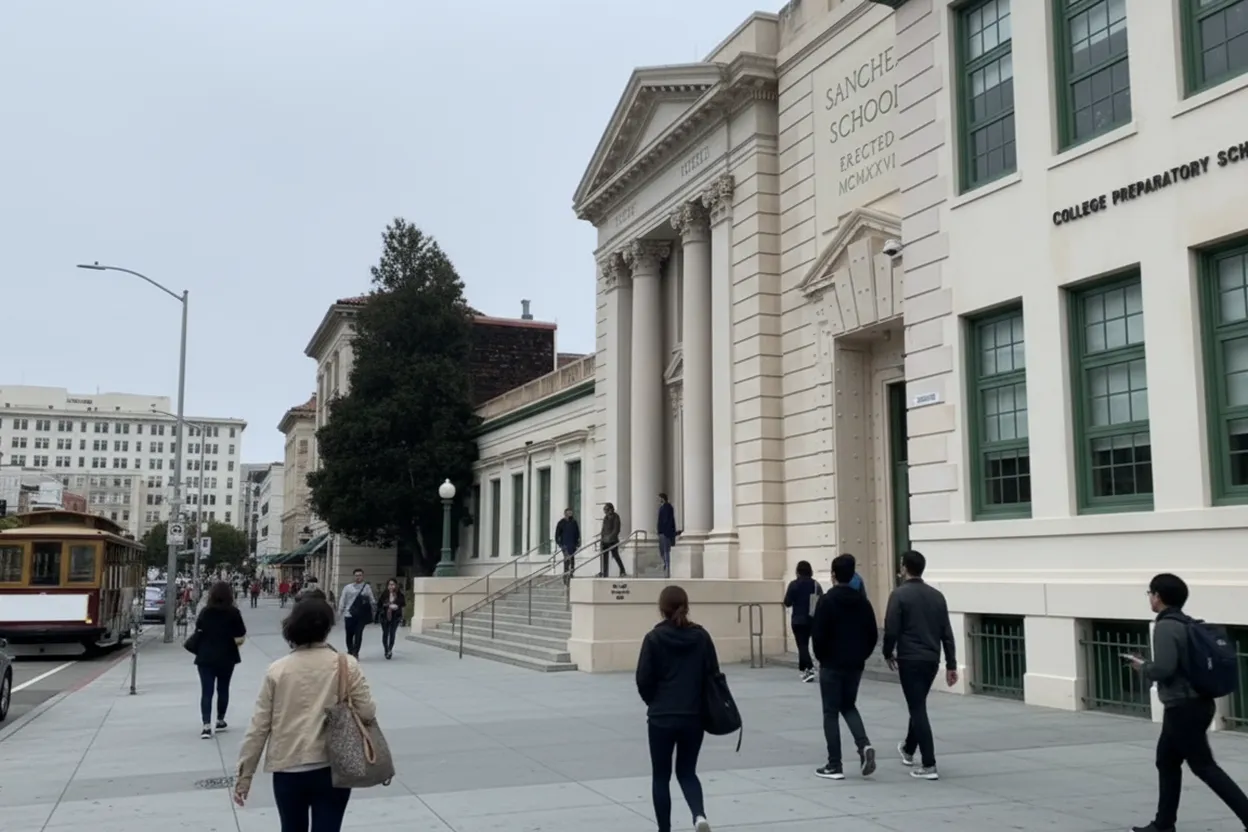
Compare Congress.gov With the House Biography Page
For the verified baseline, Congress.gov identifies Representative Lauren Boebert as serving in Congress from 2021 to the present, with Colorado’s 4th District listed for the 119th Congress. Her official House biography says she is serving her third term and names committee roles. These sources do not settle whether a student agrees with her politics; they establish who the public official is and which claims can be checked against government records.
Ask students to mark the difference between primary, official, reputable, and persuasive sources. Congress.gov is useful for membership and legislative activity. A campaign-style biography can be factual but selective. News articles can add context, but publication date, sourcing, and corrections matter. Social posts may be evidence of what someone said, not proof that an interpretation is fair. This source ladder keeps the conversation from collapsing into “I saw it online” versus “my parent said.”
Use California Media Literacy Resources for Age Fit
The California Department of Education’s media literacy page defines the work broadly: students should access, analyze, evaluate, and use media, with digital citizenship tied to responsible behavior. That gives San Francisco parents a clean age-fit model. Elementary students can identify source types. Middle schoolers can compare headlines and evidence. High schoolers can examine congressional records, local impacts, campaign incentives, and how algorithms reward outrage.
A good session is brief and concrete. Pick one headline, one official source, and one question the student genuinely has. Then ask what is known, what is alleged, what is opinion, and what remains unverified. The accessibility advantage is that this can be done aloud, on paper, with screen readers, or in another language when sources permit. The failure mode is assigning a full research project when a ten-minute thinking routine would work better.
Verify the Live Headline Before Discussing It at School
Because public-discourse searches change quickly, the last step should happen on the day of the conversation. Check the SFPL hours page if you plan to visit, the SFUSD calendar if timing affects school obligations, Congress.gov for official member details, and one reputable current news source for the specific headline students are discussing. If a claim involves criminal, legal, or family allegations, avoid naming private minors and do not treat charges as conclusions.
The best final action is a source note students can carry into class: date checked, source name, claim confirmed, claim not confirmed, and one respectful question. That makes the discussion usable for teachers and less combustible for peers. If verification fails, say so plainly: “We could not confirm that today.” In San Francisco’s back-to-school rush, that sentence may be the most useful media literacy skill a family practices.
Tags: #SanFrancisco #BackToSchool #SFUSD #SFPL #MediaLiteracy #CivicEducation #ParentGuide #PublicDiscourse #CriticalThinking #CivicCenter #AskKarpo #BeforeYouGo #StudentLife #NewsLiteracy
Sources consulted: Source 1: sfpl.org · Source 2: sfusd.edu · Source 3: sfusd.edu · Source 4: sfmta.com · Source 5: congress.gov · Source 6: cde.ca.gov
All trademarks are the property of their respective owners.
Ask Karpo first
Tell Karpo your date, group size, budget, and starting point. We’ll check current access, timing, transit, and the cleanest San Francisco plan for San Francisco Public Library (Main Branch) before you head out.


