 Bernal Heights Pottery Glaze Supply Browsing Route: Walk
Hidden Gems & Odd Finds
SF Artisan Pottery Gallery: 3 Notes to Keep Afterward
Keep an SF artisan pottery gallery visit memorable with three short notes on a work, your response, and a question that shapes the next outing you plan.
Keep three notes after an SF artisan pottery gallery visit: the work you remember, the detail that held you, and the question you want to follow. A useful record does not require a photograph of every object or a page of specialist vocabulary. It should help you decide what kind of art outing you want next. Start with a few observations that are yours, and keep any information supplied by the exhibition separate from your own interpretation.
Give the Visit One Question to Carry
Before you leave home, decide what you would enjoy noticing. Perhaps you want to see how a large object occupies a room, or why a small vessel can command attention from a distance. Put that interest into a Karpo APP request along with San Francisco, your starting area, and the time you have available. Karpo's introduction invites people to describe their mood and schedule. Use that conversation to begin an outing search, without treating a suggestion as proof of what an exhibition currently contains.
Choose a Record You Can Make Without Interrupting Others
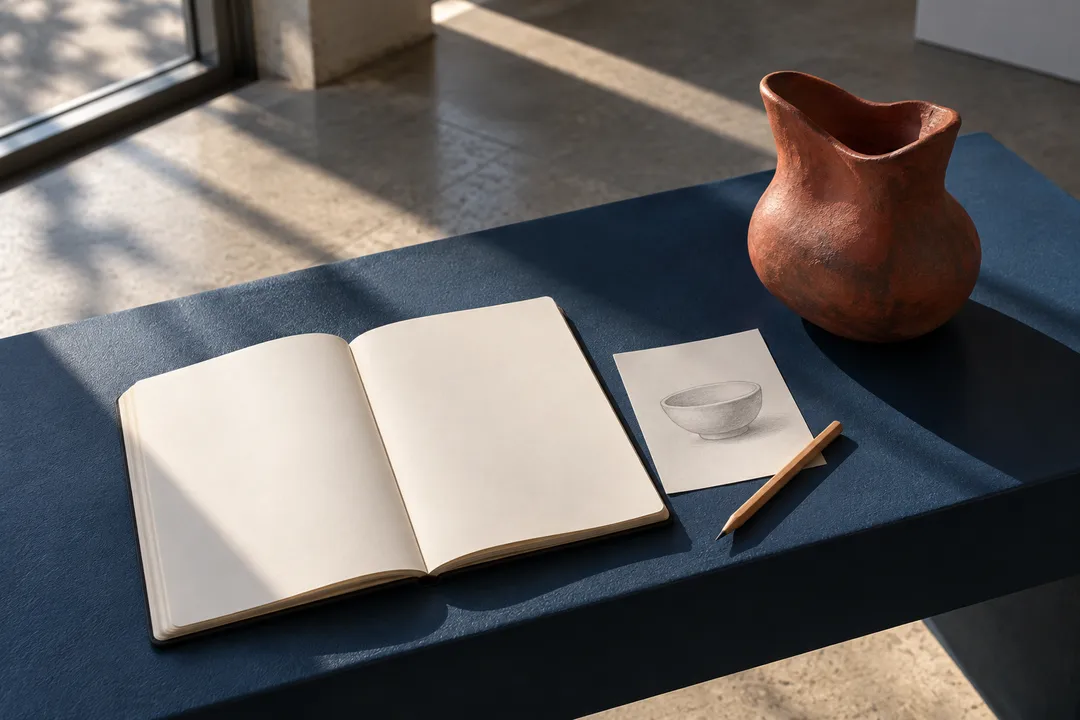
A notebook is useful when you prefer to keep a phone away, but the format matters less than the interruption it creates. If writing in the room would block a passage or distract a companion, wait until you reach a suitable resting place. A short recollection can be enough. Follow the venue's rules for photography and sketching rather than assuming either activity is allowed. You are collecting a thread for another visit, not producing an exhaustive catalogue or an assignment for everyone around you.
First Note: Identify What You Actually Saw
Describe one piece in terms that would let you recognize it again. Include its broad shape, a distinctive surface detail, and where it stood relative to something else. Avoid relying on color alone, since several objects might share the same glaze. If a title and artist name are displayed, copy them accurately when convenient. Keep an uncertain name out of the record instead of replacing it with a plausible spelling. Identification is valuable because it connects a later question to a particular work rather than to ceramics in general.
Second Note: Name the Moment Your Attention Changed
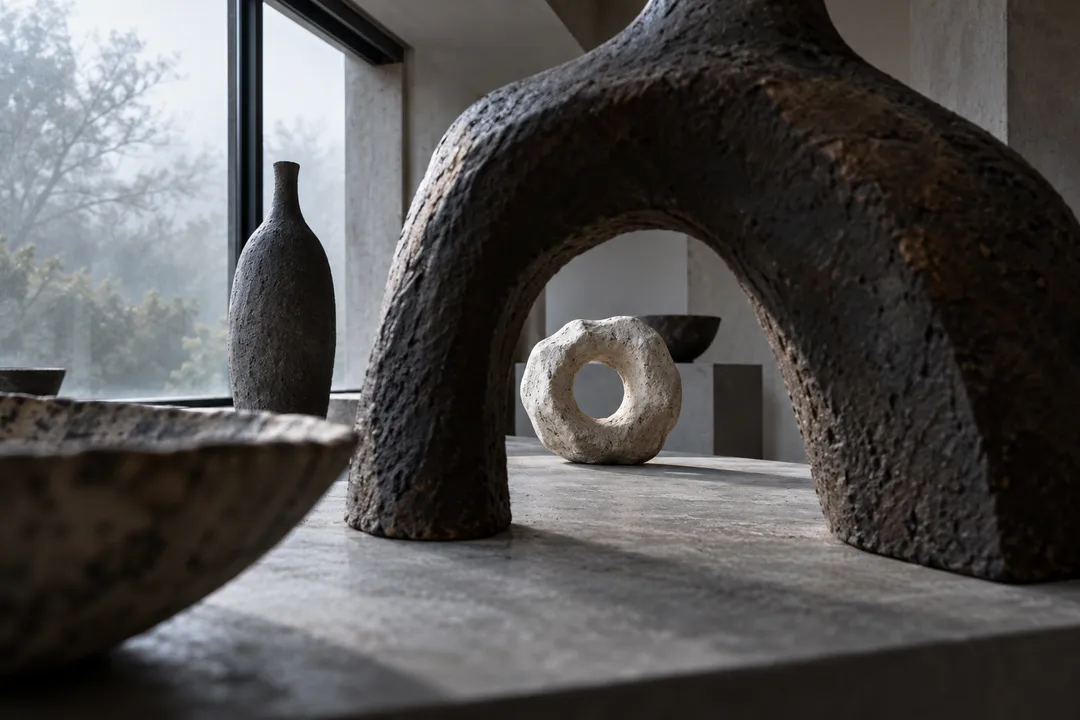
Recall when you stopped moving past the object and began looking at it. Was it a shadow inside an opening, a rim seen from the side, or a contrast with its neighbor? Write that moment as a sentence rather than a rating. Saying that a work was beautiful records approval, but saying what drew you back gives you a usable preference. Your reaction can include hesitation or dislike. A precise negative response can reveal an interest just as clearly as an enthusiastic one, without pretending to judge the artist's overall achievement.
Separate a Description From an Explanation
A rough-looking surface is an observation. An assertion that the artist chose a particular firing process is an explanation that needs support. Leave room for both kinds of note, but label them in ordinary language: what I noticed and what the exhibition said. This prevents an appealing guess from becoming a fact when you recount the visit to a friend. If the wall text answers your question, record its meaning accurately rather than turning a few words into a claim about every object by the same maker.
Third Note: Leave With a Question You Can Use
A productive question is small enough to guide another choice. You might wonder how a similar form would look at a different scale, or whether you prefer objects presented alone to objects in groups. Avoid setting a research task so broad that it loses contact with the visit. The purpose of this third note is to identify a direction for your next outing. It does not need an immediate answer, and it need not lead to buying anything, attending a course, or becoming an expert.
Turn the Three Notes Into a New Request
Afterward, describe the connection between your notes in the Karpo APP. A sample request could say that you enjoyed an enclosed clay form, noticed the changing shadow within it, and want another San Francisco art outing focused on sculptural volume. Add the area you would like to stay near and whether you prefer a short visit or a longer afternoon. This gives the conversation a concrete starting point. It is more informative than asking for more pottery without explaining which part of the last visit mattered.
Keep a Companion's Response Beside Your Own
When someone accompanies you, invite them to choose a different object before comparing notes. Two people do not need to agree on a favorite for the outing to work. Ask which detail stayed with them, and describe yours without trying to win the comparison. If one person wants to return and the other feels finished, that difference is useful planning information. A future request can prioritize one focused art stop followed by another shared activity, with the art portion given a clear place in the afternoon.
Do Less With Photographs, More With Context
If photography is permitted and you take a picture, add a brief reminder of why you took it. A close crop might preserve texture while losing the scale that originally interested you. A wider view may show arrangement but miss a small detail. Neither image is a complete substitute for the experience. Keep the account modest and respect any restrictions on sharing. The images on this page are anonymous photographic illustrations of looking and recording, not documentation of a named exhibition or permission to photograph one.
Let the Notes Change Your Choice
Review the record once before arranging another visit. If all three notes concern a single object, a smaller focused outing may suit you better than a packed route. If the strongest memory is a conversation, you might want to look for a public discussion rather than another silent room. Ask for that kind of experience without claiming that any particular program is available. The point of the journal is to make your preferences more specific, so the next search begins with what you learned rather than with the same broad keyword.
Practical Notes: Finish With a Useful Sentence
Stop when you can complete this thought in your own words: next time I want to notice something about this. Save the work identification and your question together, wherever you keep personal plans. Skip elaborate scoring systems if they make the visit feel like paperwork. A few accurate observations are easier to use than a long inventory of impressions you no longer recognize. Bring that sentence into your next outing request, and allow the new experience to alter it. A record should help attention grow, not freeze your taste after one afternoon.
Ask Karpo for more information.
Keep reading
- Bernal Heights Pottery Glaze Supply Browsing Route: Walk
 Potrero Hill Pottery Glaze Supply Browsing Route: Walk
 Mission Pottery Glaze Supply Browsing Route: Studio Walk