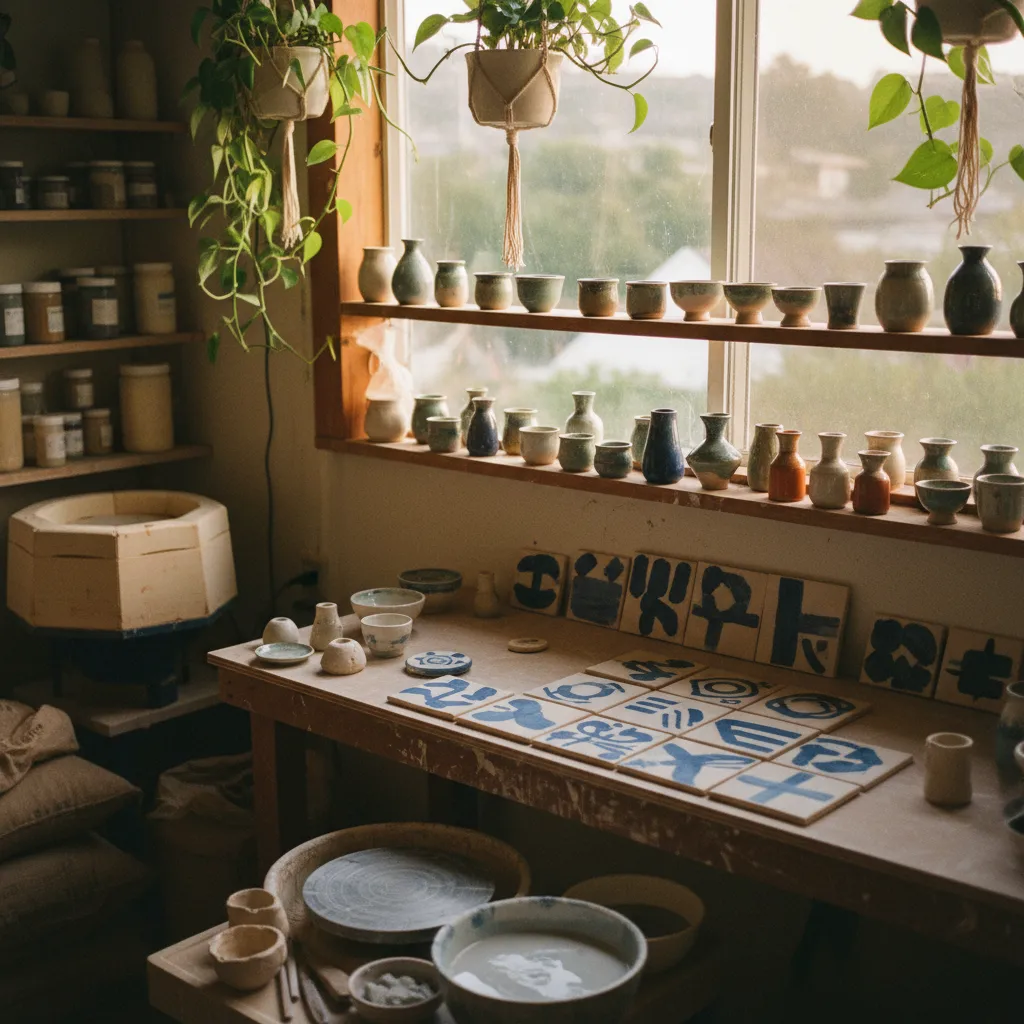
 Bernal Heights Pottery Glaze Supply Browsing Route: Walk
Hidden Gems & Odd Finds
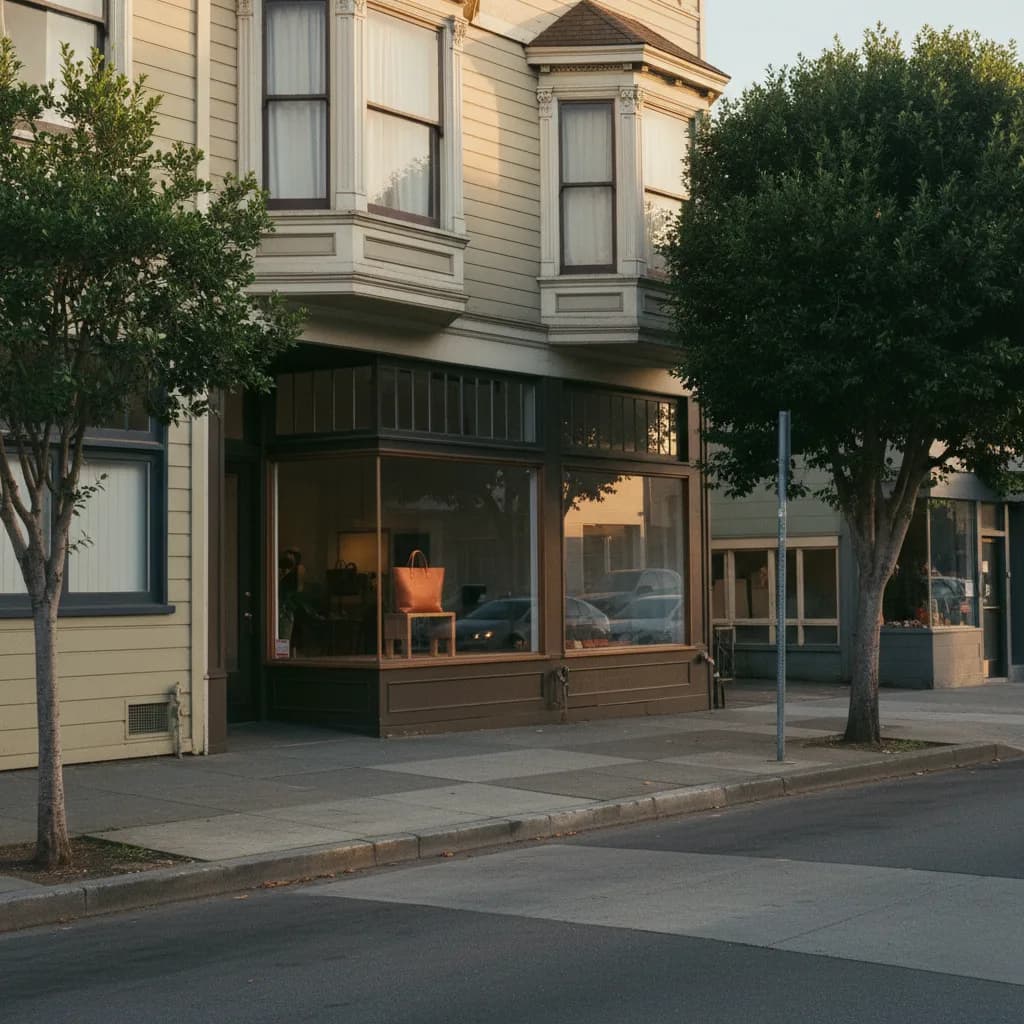
Mission District Artisan Leather Goods Shop, Made Since 2007
Basil Racuk at 1089 Valencia Street is a Mission District studio where leather bags have been handmade in San Francisco since 2007, using European hides.
Basil Racuk, at 1089 Valencia Street, has been making leather bags and accessories in its own San Francisco workshop since 2007, which makes it the clearest answer to anyone hunting an artisan leather goods shop in the Mission District. The hides come from European tanneries, and the pieces are cut and sewn by hand rather than ordered from a factory. Valencia Street is the spine of the visit, and the 24th Street Mission BART station sits a short walk to the east.
What Makes the Valencia Studio Different
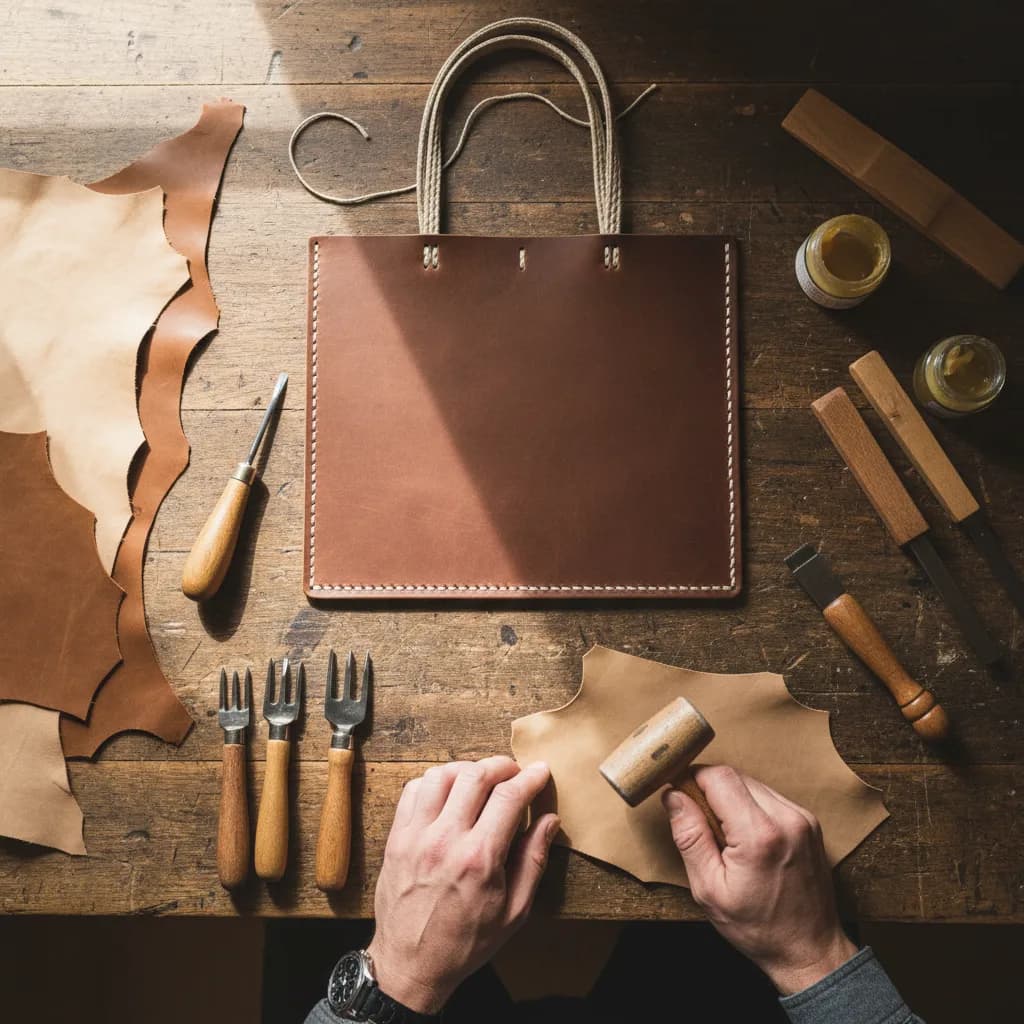
Most leather shopping in San Francisco happens in branded stores that sell finished goods shipped from somewhere else. The studio on Valencia works the other way around. The maker's own description of the project is blunt: the plan was simply to make things. That attitude shows in the room. You are walking into a place where the bags on the shelf and the work in progress share the same space, so the line between shop and workbench is thin.
That matters for a buyer because you can see how a piece is built before you decide. A factory bag hides its construction under linings and glued edges. A bag made by one person in one room usually shows its logic plainly: where the stitching carries the load, how the strap is anchored, and whether the edges were sanded, dyed and burnished or simply painted. Asking about any of those details is normal here, and it tells you more than a label ever will.
The studio has also used its space for community nights such as art openings, which suits a block of Valencia that has long mixed retail with galleries and small venues. If you arrive while a show is being hung, give the room a little space and come back to the leather later. It is a working studio first, and the people inside are usually doing three jobs at once.
Reading a Handmade Bag in Five Checks
Start with the stitching. Hand saddle stitching uses two needles on one thread, so each stitch locks independently and a single broken stitch will not unravel the seam. The stitches tend to sit at a slight, even slant. Machine lockstitch looks perfectly straight and can run if one point fails. Neither is wrong, but you should know which one you are paying for, and a maker will tell you without hesitation.
Next, look at the edges. Run a fingertip along the cut edge of a strap. A burnished edge feels smooth and slightly glassy, because the fibers were sanded and rubbed with heat until they sealed. A painted edge feels rubbery and can peel over a few years of use. Then check the hardware. Solid brass or steel buckles are heavy for their size, and rivets should sit flush without sharp burrs that catch on clothing.
Finally, smell and flex the leather itself. Vegetable-tanned hides from European tanneries smell earthy and grow darker with sun and handling, which many owners love and some people find too unpredictable. Chrome-tanned leather stays the same color and resists water better. Fold a corner gently. Good leather creases softly and springs back, while cheap split leather with a heavy coating shows fine cracks along the fold.
Ordering Something Made for You
Custom work is where a maker-run shop earns its place. Before you ask for changes, bring the measurements that matter: the width of your laptop, the length of strap that sits comfortably across your body, and the items you carry every day. A sketch on paper beats a description. Most makers would rather adjust a proven pattern than draft a new one from scratch, so start by asking which existing design comes closest to what you need.
Be honest about how you will treat the bag. Someone who cycles to work along Valencia in fog and drizzle needs different leather and a different closure than someone who carries a tote between a car and an office. A good maker will steer you away from a pale, soft hide if your bag is going to live on a bike rack. Listen to that advice. It is free, and it is usually right.
One honest warning: do not expect a custom piece to be ready the same afternoon. Handmade work takes the time it takes, and pushing for speed tends to cost the finish. If you need a gift for a date that is close, choose something from the shelf and save the custom request for a later visit when the calendar is open.
A Half-Day Walk Around the Studio
Pair the leather stop with the parts of the Mission that reward walking slowly. From 24th Street BART, head west along 24th Street, then turn south toward Balmy Alley, the narrow lane between 24th and 25th Streets whose garage doors and fences carry decades of murals. It is a short detour, and the walls change over time, so even regulars find something new on each pass.
Walk back to Valencia and drift north past the bookshops and cafés toward the studio. After your visit, keep heading toward 18th and 19th Streets and climb into Mission Dolores Park. The upper slopes near Church Street give one of the best free views of downtown in the city, and on a clear day the bag you just bought will get its first sun on a bench overlooking the skyline.
If you have more time, the old Mission Dolores at 16th and Dolores is the oldest intact building in San Francisco and a calm place to end the walk. The whole loop is easy on foot and needs no car, which is a relief on a block where parking is famously scarce.
Who Shops Here and When It Feels Best
The people you meet in a maker studio on Valencia tend to fall into a few groups. There are tech workers replacing a worn laptop bag with something that will last a decade, artists dropping by because they know the studio from its events, and visitors who wandered in from a café and stayed to ask how a strap was made. Each of them is welcome, and conversations start easily when you show interest in the work.
Weekday afternoons are usually the calmest time to talk with whoever is working. Weekends on Valencia are lively, which is fun for the street but less ideal for a long conversation about leather weights. If the room is full, take the walk first and come back. Rushing a decision on a handmade bag is the one mistake that is hard to undo.
Plan the Trip With Karpo APP
Karpo APP is useful for the planning side. Tell it you want an afternoon built around a handmade leather studio, Balmy Alley and Dolores Park, and it can help you save the stops into a walking shortlist and keep notes on what you want to ask the maker. It does not check stock, take orders or book anything for you. That part happens in person, which is the point of visiting a workshop at all.
Practical Notes
The studio is at 1089 Valencia Street, and its listed phone number is +1 415 852 8550. The 24th Street Mission BART station is the easiest transit stop, and several Muni lines run along Mission Street one block east. Bring your measurements for any custom question, wear shoes for the Dolores Park climb, and carry a layer, because Mission sunshine can turn to fog by late day.
Ask Karpo for more information.
Keep reading
- Bernal Heights Pottery Glaze Supply Browsing Route: Walk
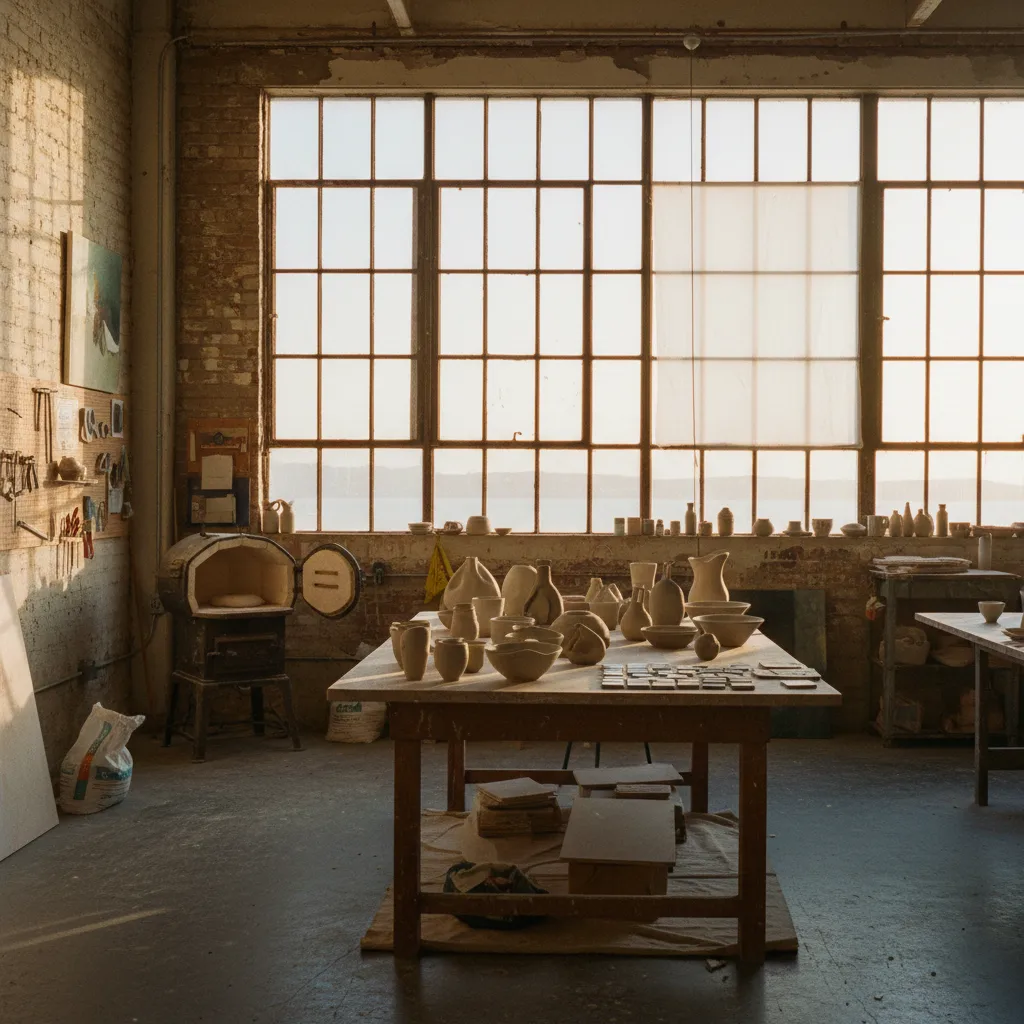 Potrero Hill Pottery Glaze Supply Browsing Route: Walk
 Mission Pottery Glaze Supply Browsing Route: Studio Walk