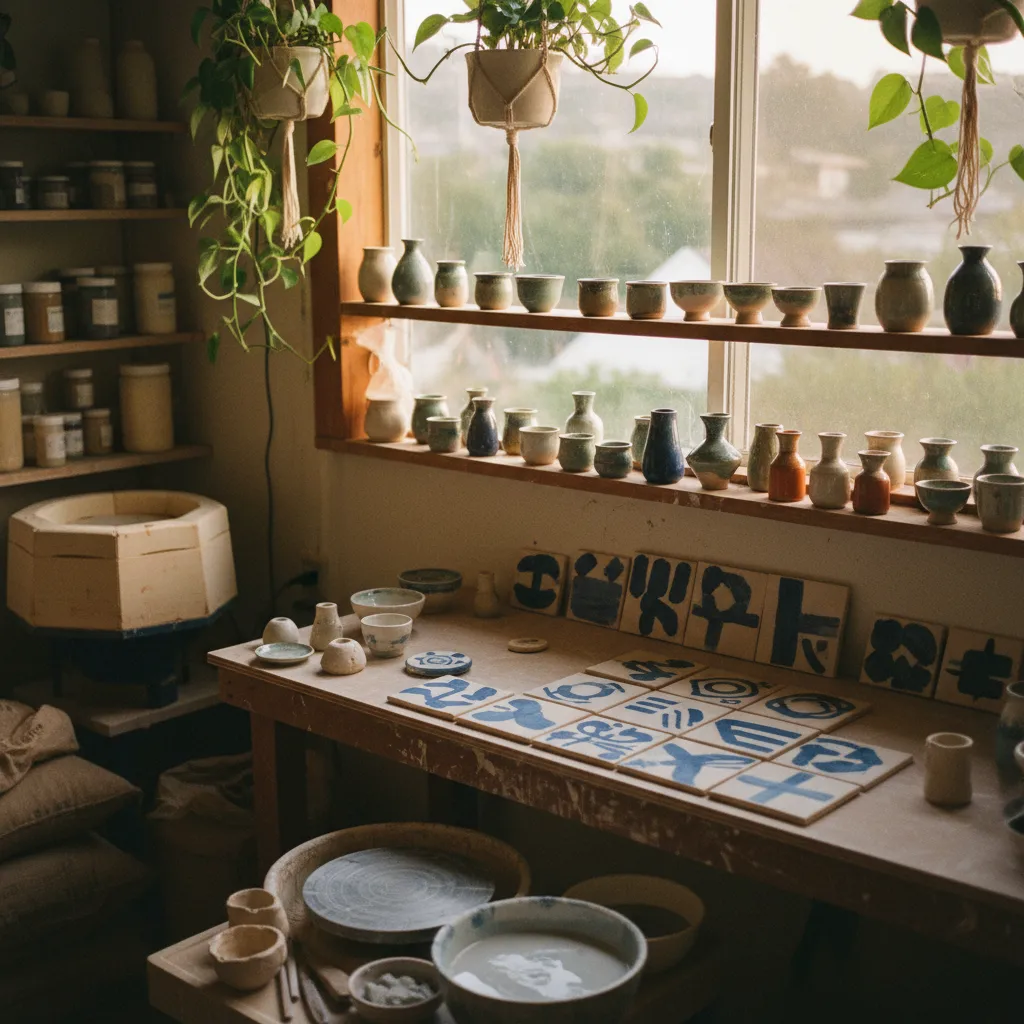
 Bernal Heights Pottery Glaze Supply Browsing Route: Walk
Hidden Gems & Odd Finds
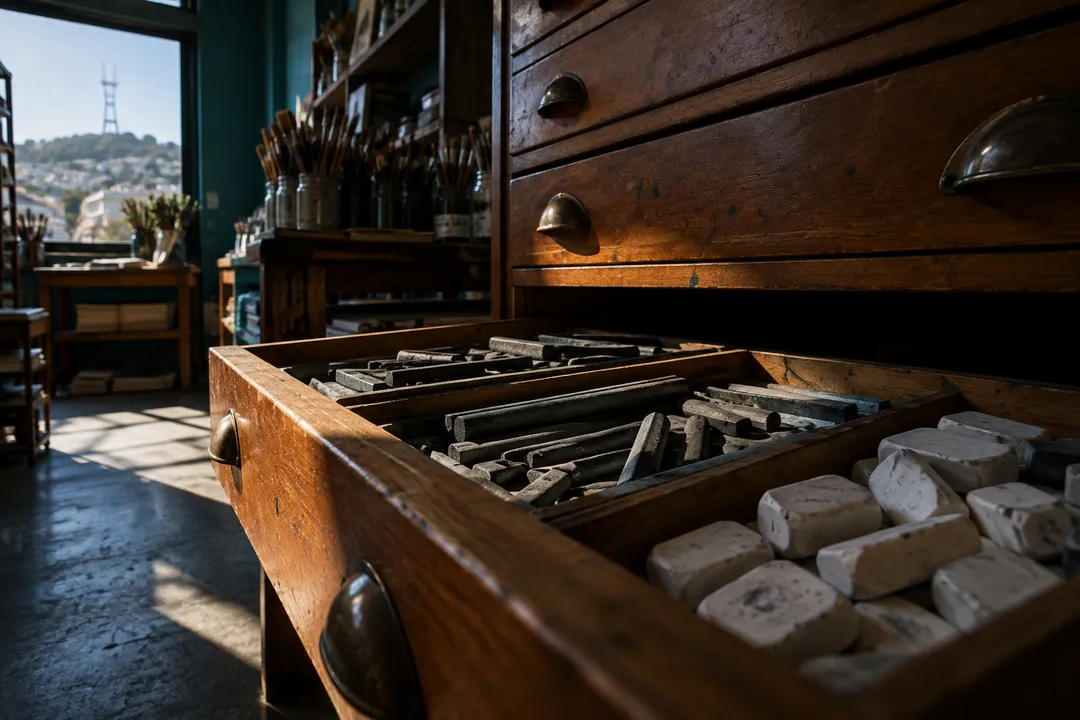
ARCH Art Supplies: Art Supply Store in Potrero Hill
ARCH Art Supplies at 10 Carolina St in San Francisco is a compact Potrero Hill stop for paper, drawing tools, paint and thoughtful studio basics.
ARCH Art Supplies is at 10 Carolina St, San Francisco, CA 94103, a few blocks from the industrial edge of Potrero Hill. The address matters because this is a neighborhood-scale shop rather than a giant warehouse: you walk in, orient yourself quickly, and start comparing paper weights, drawing surfaces and tools without crossing several departments. For an art supply store near me search, the practical win is a focused stop that fits between a studio visit and a longer Mission or Dogpatch walk.
Start With the Carolina Street Address
The shop’s official home is archsupplies.com, which presents ARCH as an art-materials source rather than a general office-supply counter. That distinction shapes the visit. Bring the exact medium you are working in—watercolor, graphite, ink, collage or mixed media—and use the staff conversation to narrow the shelf. A short list of needs makes this address especially useful when you want one dependable replacement brush or a better sketchbook instead of an unplanned cart full of generic stationery.
What Belongs in the Basket
A useful first pass is to build a small working kit: a paper pad matched to the medium, a reliable graphite range, an eraser that will not scar the page, and one color or ink experiment. ARCH is the kind of store where the surface is part of the decision. Smooth paper changes the behavior of a technical pen; toothier stock gives dry media something to catch. The right question is not which brand is famous, but what the next session asks the material to do.
Spend a few minutes comparing scale before buying. A pocket sketchbook supports commute drawing, while a larger pad makes sense if you work at a café table or in a shared studio. Keep a note of the paper size and weight that worked; it turns a return visit into a fast refill. Skip novelty tools unless they solve a problem you already have. The best ARCH purchase is usually a modest, specific upgrade that you will use this week.
The Store Rhythm and Quiet Rules
ARCH rewards a calm browse. Let another artist finish reading a label, keep loose sheets stacked, and ask before opening a sealed package. Those small habits protect paper edges and make the narrow aisles easier for everyone carrying portfolios. If you arrive with a class list, take a photo of the list before entering so you can shop in an efficient pass rather than blocking a display while searching your phone.
There is no reason to force a long queue into your plan. Go with a short list, shop the core medium first, and leave optional experiments for the end. A useful fallback is to split the trip: buy the one item that will stop tomorrow’s work from happening, then return for color or specialty paper after you have tested it. That approach suits ARCH’s curated scale and keeps the visit from turning into a speculative supply haul.
Potrero Hill as a Creative Detour
After ARCH, Potrero Hill gives you a natural reset. Walk uphill for a change in grade and light, then cut toward the neighborhood’s café blocks or continue toward Dogpatch if you want larger industrial views. The area’s mix of studios, converted warehouses and residential streets makes a new pad feel immediately useful: you can sit, make a quick thumbnail and see whether the paper handles the marks you planned.
For a longer afternoon, carry only the fresh sketchbook and one pencil. A small kit keeps the walk observational rather than logistical. The best nearby route is the one that leaves time to draw: a short loop through Potrero Hill, a pause on a bench, then a return to Carolina Street if you need a second item. ARCH works particularly well as the first stop in that loop because the shop gives the walk a concrete creative purpose.
Practical Notes for an Art Supply Store Visit
Put the address in your map as 10 Carolina St and keep archsupplies.com handy for the shop’s current product focus. The official source is the right place to begin because ARCH’s inventory is more useful when you know whether you are shopping for a specific medium or browsing for a new one. Carry a portfolio tube or a flat tote for paper, and leave room for the packaging that keeps sheets from bending on the ride home.
Who should choose ARCH? A student building a first serious kit, a working artist replacing a familiar tool, or a curious maker who wants a compact, human-scale browse. Who should skip it? Someone seeking bulk classroom quantities or a one-stop hardware inventory. The honest advantage is precision: the store makes a small purchase feel considered, and Potrero Hill gives you space to test the decision immediately after leaving.
A Small Purchase Can Be the Right One
The most useful ARCH visit ends with a clear next action. Put the new paper or tool into the project bag, write the first exercise you will try, and give yourself a short deadline. A fresh material can sit unused when it is treated as a souvenir. It becomes valuable when you make one study before buying anything else. That practice also tells you whether to return for a second sheet or change direction.
A compact shop makes this kind of accountability possible. You can remember what you touched, why you chose it and how it felt in your hand. That memory is often more useful than a huge receipt. ARCH is a good answer for artists who want an intentional local stop, a real conversation and enough range to solve a specific problem without turning a neighborhood walk into a warehouse expedition.
A Reliable Return Route
Keep ARCH in your working map as a repeat stop rather than a one-time novelty. The next visit can be faster because you know the address, the scale and the kind of question the shop handles well. Bring the sketch or unfinished page that exposed the problem, and use that evidence to choose a surface or tool. A return with context is more productive than a fresh browse with no memory.
That repeat pattern also protects your budget. You buy fewer experiments, learn which materials earn their place and build a local relationship around real use. For a Potrero Hill artist, ARCH can be the small reliable link between a studio shelf and a neighborhood walk: specific enough to be useful, open-ended enough to keep the practice curious.
Ask Karpo for more information.
Keep reading
- Bernal Heights Pottery Glaze Supply Browsing Route: Walk
 Potrero Hill Pottery Glaze Supply Browsing Route: Walk
 Mission Pottery Glaze Supply Browsing Route: Studio Walk