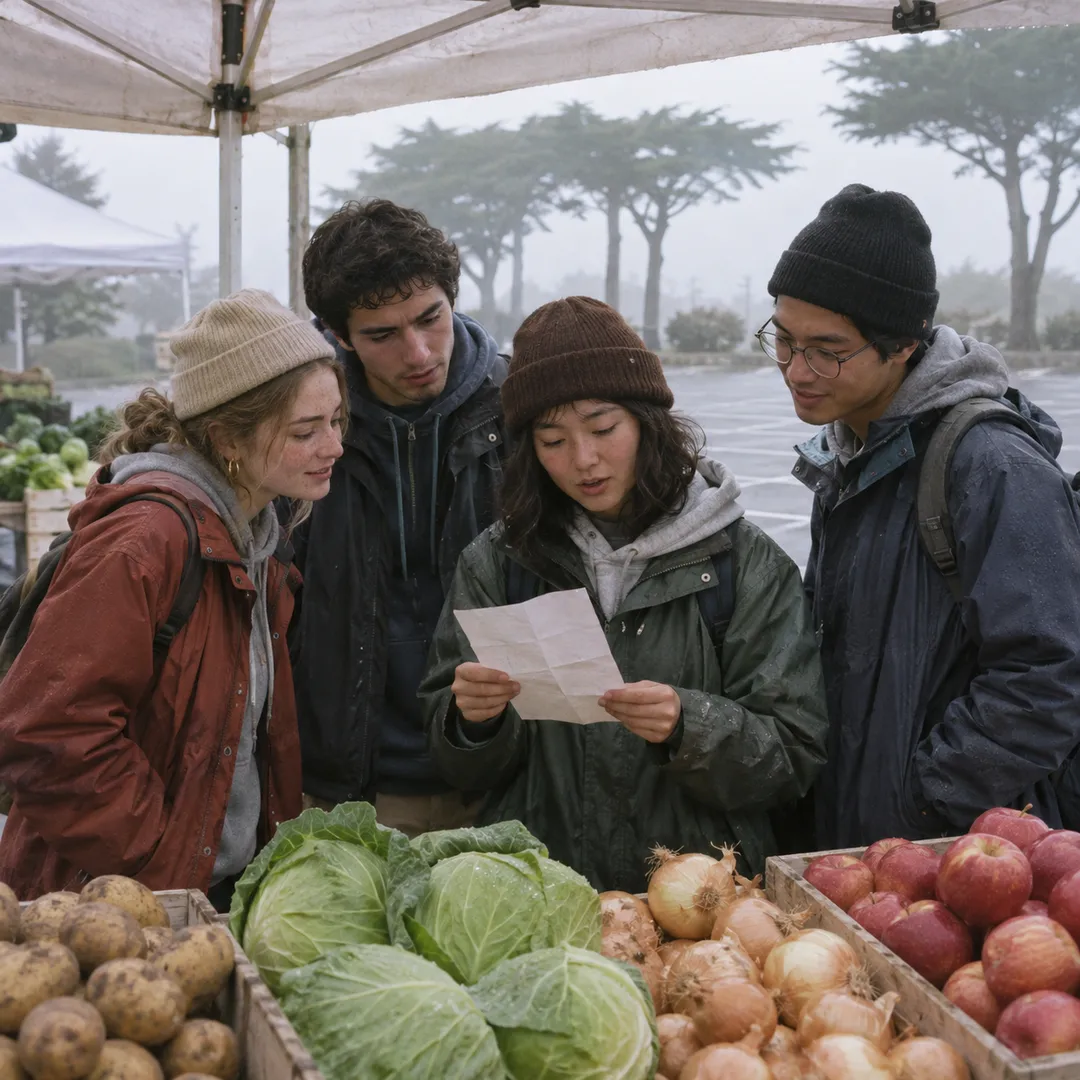
 Stonestown Winter Farmers Market Picker for Student Cooks
Weekend Plans
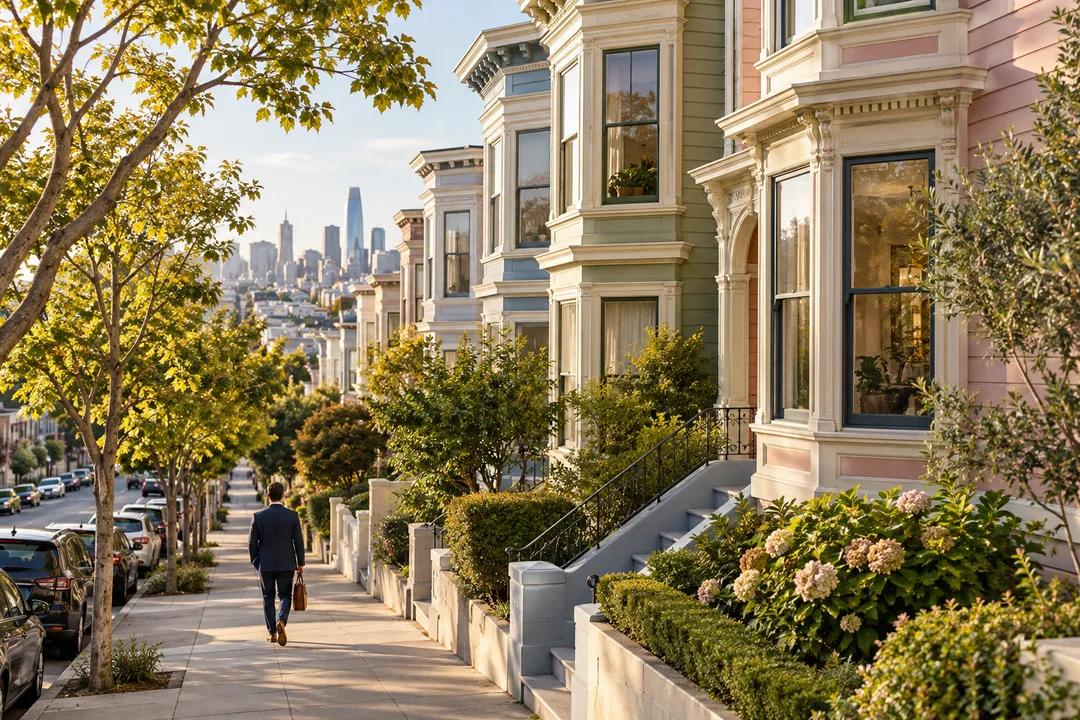
SF After Work Route Planner: 60 Minutes Before Dinner
An SF dinner deadline calls for a compact SoMa-to-Hayes plan. Divide your hour between travel, a useful buffer, and one optional stop you can drop.
There is an hour between leaving work in SoMa and meeting someone for dinner in Hayes Valley. It looks generous until you add the office exit, the journey, and the last few blocks to the restaurant. The right after work route planner starts with the dinner commitment and works backward. It gives the spare time a purpose without spending the minutes you need to arrive comfortably. Bring your actual departure area and the reservation you already hold to Karpo APP, then ask for a restrained transition plan.

Work backward from the table
Put the restaurant's name or exact destination into your own planning notes, alongside the reservation time and the name used to book it. This article does not assume a particular restaurant, booking policy, or seating arrangement. Those details belong to your chosen dinner. Pick the time you want to reach its entrance, including whatever arrival margin you personally prefer. The gap between that arrival target and your realistic departure from work is the window available for the rest of the route.
Keep the reservation itself outside the route experiment. A suggestion for an evening does not change a booking you made elsewhere. If dinner is the reason you are crossing town, an optional drink or shop browse should not put it at risk. Ask for a plan that finishes at the restaurant rather than “around Hayes Valley.” That last bit of specificity helps reveal when an appealing stop lies on the wrong side of the final approach and adds a return journey.
Define what SoMa means for your departure
SoMa is a departure area, not a single origin. Starting near one office entrance can produce a different route from starting at another. Tell Karpo the intersection you will leave from, your earliest realistic street departure, and whether you can use transit. Include a walking limit if you are dressed for dinner or carrying work equipment. There is no value in comparing a long walk with a short connection if you already know the long walk would leave you uncomfortable at the table.
You might write: “I have sixty minutes from my SoMa office exit to dinner in Hayes Valley. I want to arrive ten minutes before my reservation. Compare a direct journey with a version that includes one short pause. I am wearing work shoes and would rather skip an extra stop than rush.” The times are your constraints. Ask for suggested allocations and the main tradeoff, without treating an estimated itinerary as a guarantee about traffic or the next arriving vehicle.
Build a budget with a visible margin
For a hypothetical hour, you could assign thirty-five minutes to the whole journey, ten to arriving early, ten to a pause, and five to spare time. This is arithmetic for testing a proposal, not a statement that every SoMa-to-Hayes journey takes thirty-five minutes. If your chosen connection needs longer, the pause loses time first. Keep the early-arrival margin visible in the plan. It is easy to accidentally spend it twice when an itinerary describes every remaining minute as free time.
Think of the optional stop as a small hinge in the journey. It should be easy to enter, easy to leave, and reasonably aligned with your destination. A place that requires another transit leg, a long queue, or an uncertain service sequence does not suit a ten-minute allowance. You might prefer to reach the dinner neighborhood first, then decide whether a brief walk feels appealing. That approach moves the largest uncertainty earlier and keeps the final part of the hour simple.
Choose a pause that preserves your appetite
Before dinner, the useful pause might involve fresh air, a quiet conversation, or simply sitting down. Describe that directly instead of asking for a broad list of food destinations. If you want a drink, explain whether it should be nonalcoholic and how long you can spend ordering. A substantial snack can change what you want from the meal you already planned. There is nothing wrong with that choice, but it should be deliberate rather than an accidental result of filling the route.
For a solo arrival, ask for a short approach that helps you switch out of work mode. If you are meeting a date or a friend, decide whether you want to meet at the restaurant or before it. An earlier meeting creates a second deadline and may reduce the usable window. Keep the arrangement easy to communicate: one recognizable meeting point and one agreed time. Avoid instructions that require either person to follow a moving target while the other is still traveling.
Compare the direct and scenic versions honestly
Ask for two alternatives with the same endpoint and arrival target. The direct version spends its effort on getting you there comfortably. The second version may trade some spare time for a pleasant walking stretch or a short pause. Compare the added effort, not only the number of stops. A route with one extra destination can still involve substantial backtracking. Ask why the optional element belongs before dinner and what you gain by keeping it rather than arriving earlier.
Your choice can depend on information you already have: tired feet, a heavy bag, rain, or a late meeting. You do not need an elaborate ranking system. Say, “Use the direct version if I leave after my planned time,” or “Keep the walk only if I still have the full hour.” This makes the contingency a decision you own. It also avoids assuming the app is continuously observing your departure or automatically changing the route while you finish work.
Give a late finish a small, clear response
Suppose your final call ends fifteen minutes late. Remove the optional pause before changing the dinner plan. Recalculate from the time you are actually ready to leave and decide whether the remaining journey fits. If it does not, communicate with the restaurant or your companion using the relevant contact method yourself. A planning conversation can help you think through the sequence, but a route suggestion is not a message delivered to the people waiting for you.
When revising, send only the facts that changed: “I am leaving fifteen minutes later. Keep the same restaurant and arrival goal, and drop the extra stop.” Repeating the whole original brief makes it harder to spot the new constraint. If you need to change transport mode, state the reason, such as sore feet or a spending limit. A useful answer should make the consequence understandable. You should be able to see what gets shorter and what remains essential before you set off.
Keep the final approach uncomplicated
Once you are close to dinner, resist adding one more errand because you appear to have time. The entrance may be on a different side of the building from the point you pictured, or your companion may already be waiting. Use any remaining margin to arrive without a scramble. If you are early, a brief walk near the destination can be enough. Keep the restaurant as the fixed reference, so the final few minutes do not become another search through unrelated options.
For access needs, make the final approach part of the initial brief rather than an afterthought. Tell Karpo if stairs, long standing periods, or steep walking sections are unsuitable. Use the relevant transport operator's access guidance for the connection you select. A shorter route on a map is not necessarily the easier arrival for your circumstances. The appropriate plan is the one that respects both the deadline and the way you need to travel, including the last stretch to the door.
Practical Notes before you leave your desk
Put the booking details somewhere you can reach without searching through work messages. Take the layer, charger, or bag you need for the return journey now, since going back to the office can consume the window. If your dinner companion is traveling separately, share the restaurant and meeting time rather than every optional detour. A concise arrival message is more useful than asking them to interpret several draft routes while they are also finishing their day.
Open Karpo APP with one final prompt: “Summarize my SoMa-to-Hayes dinner plan in order, with my departure time, arrival target, and the first thing to cut if I run late.” The goal is a transition you can hold in your head. You have already chosen dinner. Let the hour before it offer a little breathing room, with a route that serves the reservation and leaves you ready to enjoy the people, food, and conversation waiting at the table.
Ask Karpo for more information.
Keep reading
- Stonestown Winter Farmers Market Picker for Student Cooks
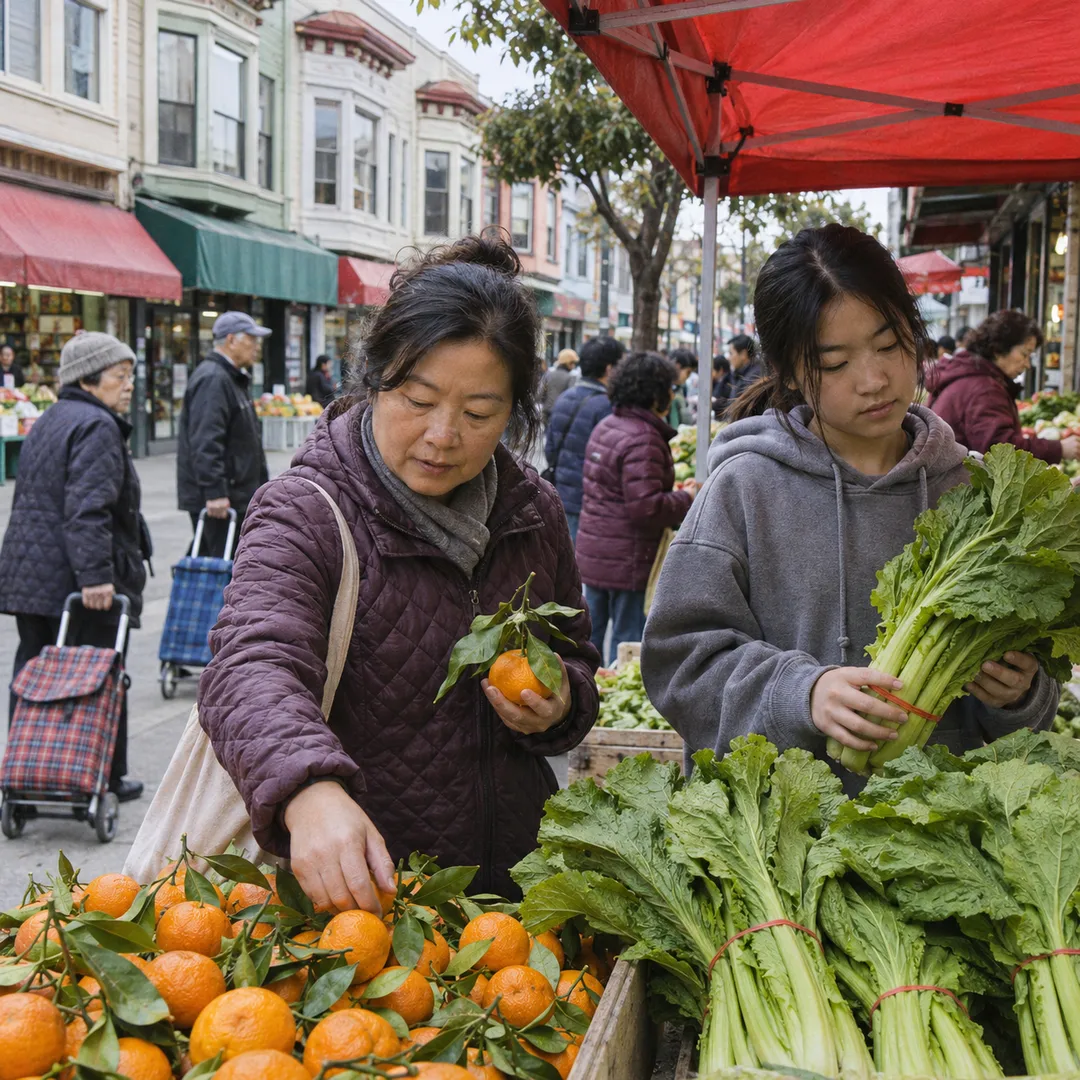 Clement St Winter Farmers Market Picker for Lunar New Year
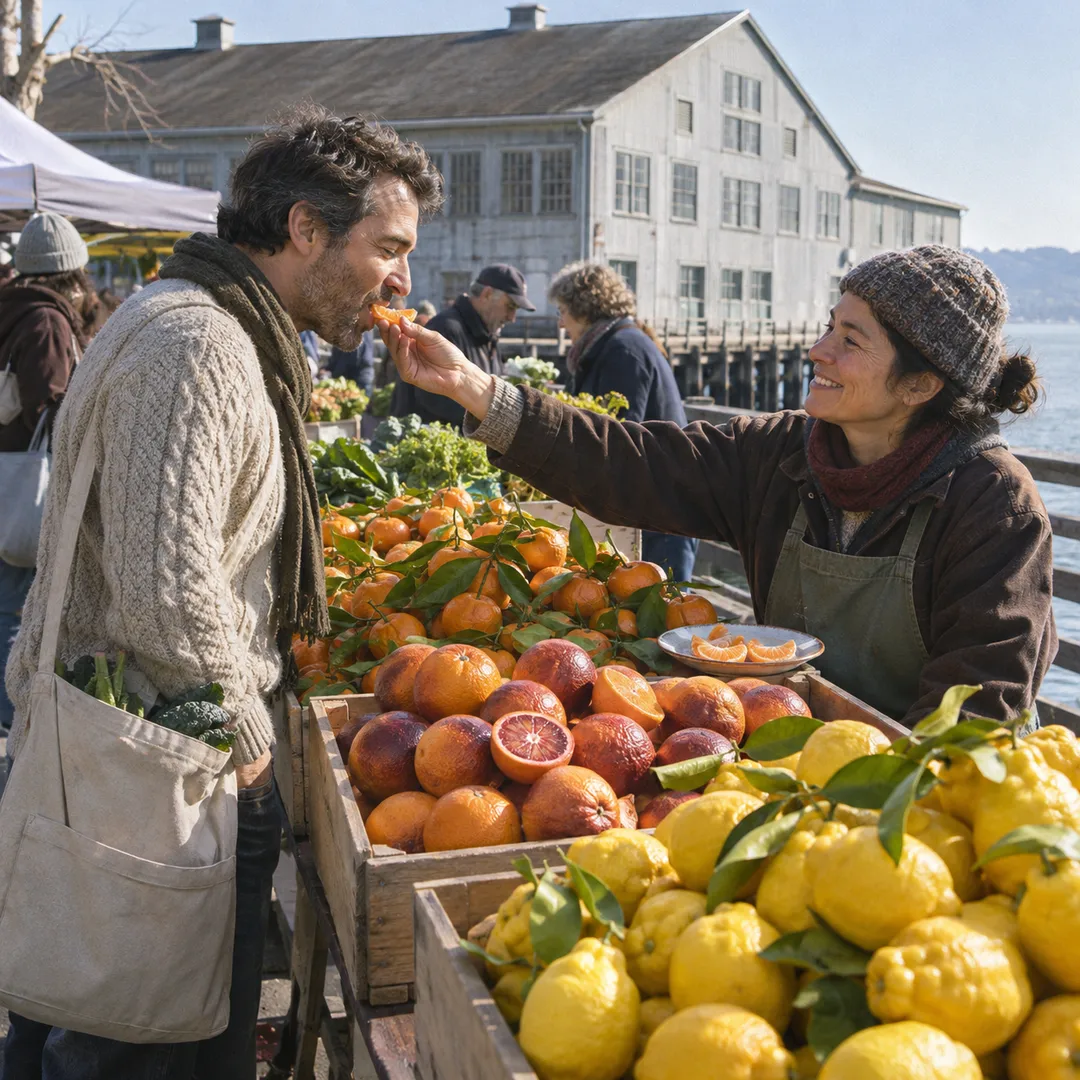 Fort Mason Winter Farmers Market Picker for Citrus Bakers