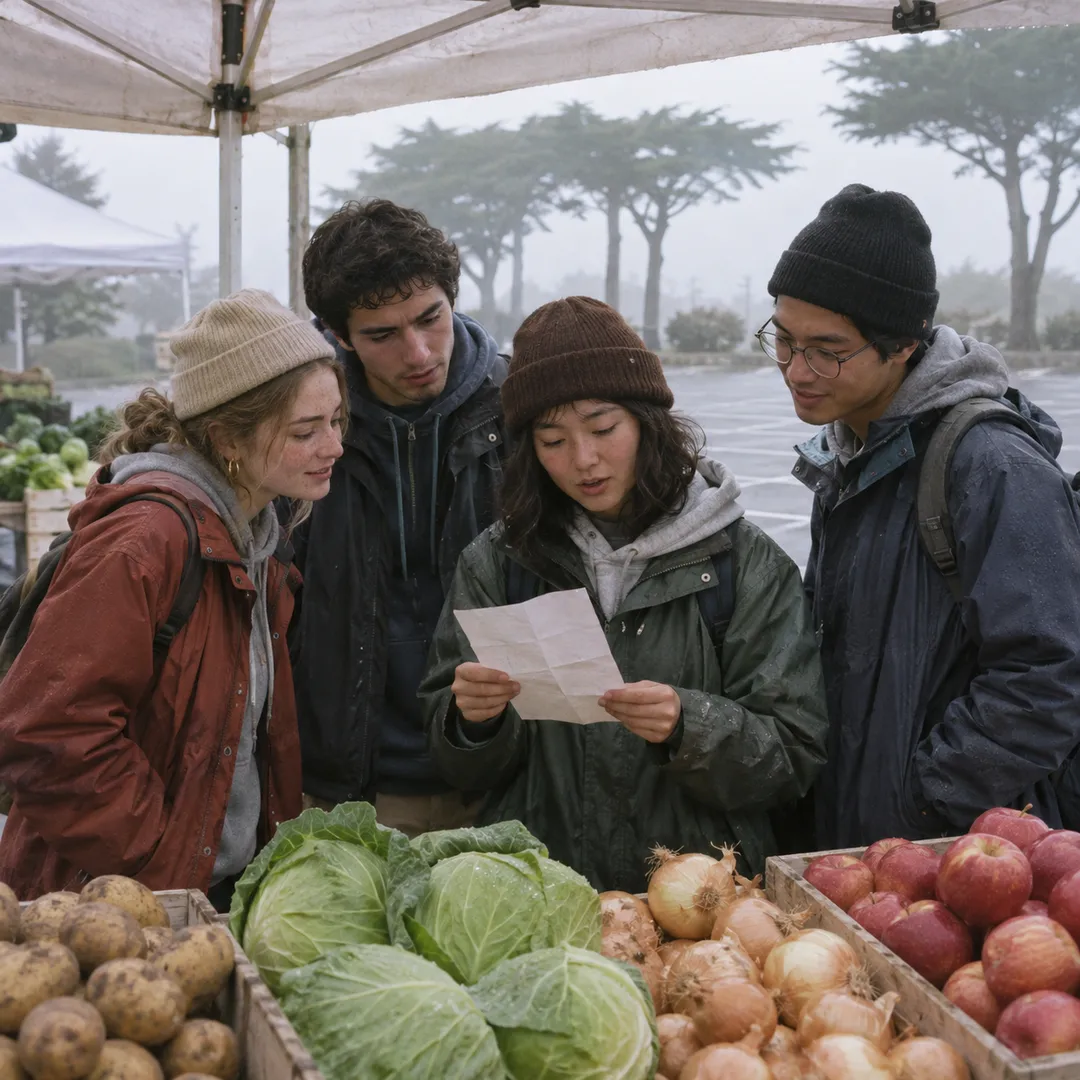
 Stonestown Winter Farmers Market Picker for Student Cooks
Weekend Plans

SF After Work Route Planner: 90 Minutes to Unwind
A 90-minute SF wind-down starts with a clear endpoint in the Mission. Make room for food and a quiet pause without turning your commute into another task.
You leave an office near Market Street with ninety minutes that belong to you. Dinner sounds good, but so does walking long enough to stop thinking about the last meeting. An after work route planner becomes useful when it connects those wishes to an actual endpoint. For this San Francisco evening, treat the Financial District as the departure area and the Mission as the destination, then decide how much of the journey you want to spend on your feet. Open Karpo APP with that small, specific brief.
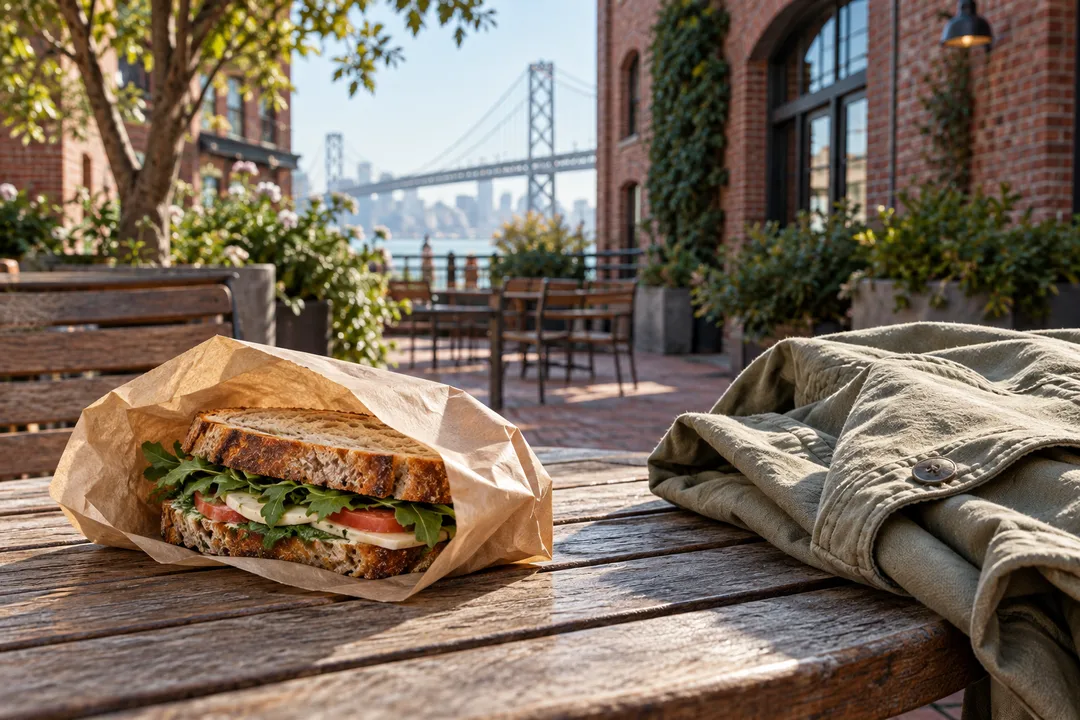
Give the evening one clear purpose
Choose the feeling you want to carry home. A proper meal, a little movement, and a conversation with a friend are different priorities, even if all three sound appealing at the office door. Put one first. If quiet is the goal, a long list of restaurants creates extra work. Ask for a modest food stop and one place to pause along the selected corridor. Your route should leave enough attention for the evening itself, rather than demand a new decision at every crossing.
Start the ninety-minute clock when you can actually leave, including the time it takes to collect your bag and reach the street. Use a real destination, such as the station you intend to enter or the corner where you will meet someone. A neighborhood name is useful for exploring, but it is too broad for judging a deadline. Giving Karpo an approximate starting intersection is usually enough for a first conversation. Keep your workplace's private details out of the request.
Decide which part deserves the walking
A downtown-to-Mission plan does not need to be a continuous walk along Market Street. You can discuss a shorter walking section and a transit connection, especially when the walk would consume the whole evening. Describe your comfortable walking allowance in minutes, your preferred pace, and whether you are carrying anything awkward. Those inputs make the tradeoff concrete. An attractive detour becomes less attractive when it leaves you hauling a laptop bag through the part you meant to enjoy slowly.
Try this request: “I am leaving the Financial District near Market Street. I have ninety minutes and want to finish in the Mission. Suggest a relaxed sequence with food, one quiet pause, and no more than thirty minutes of walking. Compare a mostly walking version with a transit-assisted version.” This is a request for an itinerary discussion. Treat the resulting sequence as a proposal, with travel and waiting allowances that still need to fit the route you choose.
Spend the ninety minutes deliberately
One possible budget is fifteen minutes to leave work and settle into the journey, thirty for movement, twenty-five for food, ten for a pause, and ten left unassigned. These are planning allocations, not measured journey times between named places. Add them together before adding attractions. If the required travel already exceeds its allowance, simplify the plan or move the food stop closer to the endpoint. A route that fits on paper should also leave you able to cross streets without watching the clock constantly.
Keep the pause separate from the meal. Eating while deciding where to go next can feel like an extension of the workday. You might prefer a brief outdoor stop before food, or a few minutes seated after eating. Ask for the order that suits your appetite and energy. If you are hungry enough to rush, food belongs earlier. If you need a transition before talking to anyone, protect the first quiet interval and postpone the more social stop until you arrive.
Make food easy to say yes to
Describe the meal in practical terms: something handheld, a bowl you can eat sitting down, or a small dinner without a long service sequence. Include dietary restrictions and a spending ceiling if those matter. Do not ask for the city's most celebrated destination when your real need is a satisfying meal on the way home. A shortlist of two suitable candidates is easier to compare than ten unrelated recommendations. Ask what each choice changes about the rest of the route.
Decide your waiting limit before approaching a food stop. Five minutes of spare time and a substantial queue do not belong in the same plan. If waiting would use the pause you wanted, choose the simpler alternative or continue toward the Mission. There is no need to turn an ordinary dinner into a test of patience. Keep any suggested business details tied to the particular place you eventually select, and avoid treating a recommendation as a held table or a prepared order.
Keep quiet as a preference, not a promise
Quiet can mean less conversation, somewhere to sit, fewer decisions, or distance from a busy entrance. Say which matters. A request for “somewhere calm” is hard to evaluate because people experience the same street differently. You could ask for a pause away from an ordering counter and with a straightforward way back to the route. That is a usable selection criterion. It does not depend on anyone claiming to know the noise level at every corner that evening.
Have a shortened version ready: travel toward the destination, eat one simple thing, and skip the extra stop. This is especially useful if work runs late or you discover you are more tired than expected. Tell Karpo which element to remove first, so a revised suggestion preserves the part you value. An evening with one enjoyable stop can still meet the brief. The point of the spare ten minutes is to absorb ordinary friction without taking the pleasure out of everything else.
Change the brief when another person joins
A colleague who joins at the last minute changes the route's needs. Give the conversation a meeting point, a shared endpoint if there is one, and the slower person's walking preference. Discuss the food restrictions before choosing the corridor. If one person wants a full meal and the other only wants company for twenty minutes, arrange the shared stretch first. Then let the two routes separate naturally. Neither person needs to accompany the other through every remaining stop.
If you are meeting in the Mission, make that meeting the anchor instead of adding a downtown gathering place. Use a message such as, “Keep the first half flexible, but I need to reach our agreed corner by the end of the ninety minutes.” A clear arrival point reduces vague instructions like “somewhere nearby.” You can share the final sequence in your own words, including what happens if someone leaves work later. Keep one decision-maker for the route so revisions do not multiply.
Practical Notes for a softer arrival
Wear the shoes you are willing to walk in after a full day, and account for the bag you actually have. A light layer, water, and a charged phone make more difference than another optional destination. For anyone who needs step-free access, describe that requirement at the outset and use the relevant operator's accessibility information when choosing the transit segment. Leave street crossings and station access inside the movement budget. A map line alone does not include every part of a journey.
End the planning conversation with a compact request: “Give me the preferred order, the stop I can drop, and the point where I should head directly to my destination.” You are asking Karpo APP for help shaping an evening around your circumstances. The useful result is a manageable sequence you understand and can change. When you reach the Mission, the evening should feel like something you chose, with enough space left to enjoy dinner and finally put the workday down.
Ask Karpo for more information.
Keep reading
- Stonestown Winter Farmers Market Picker for Student Cooks
 Clement St Winter Farmers Market Picker for Lunar New Year
 Fort Mason Winter Farmers Market Picker for Citrus Bakers