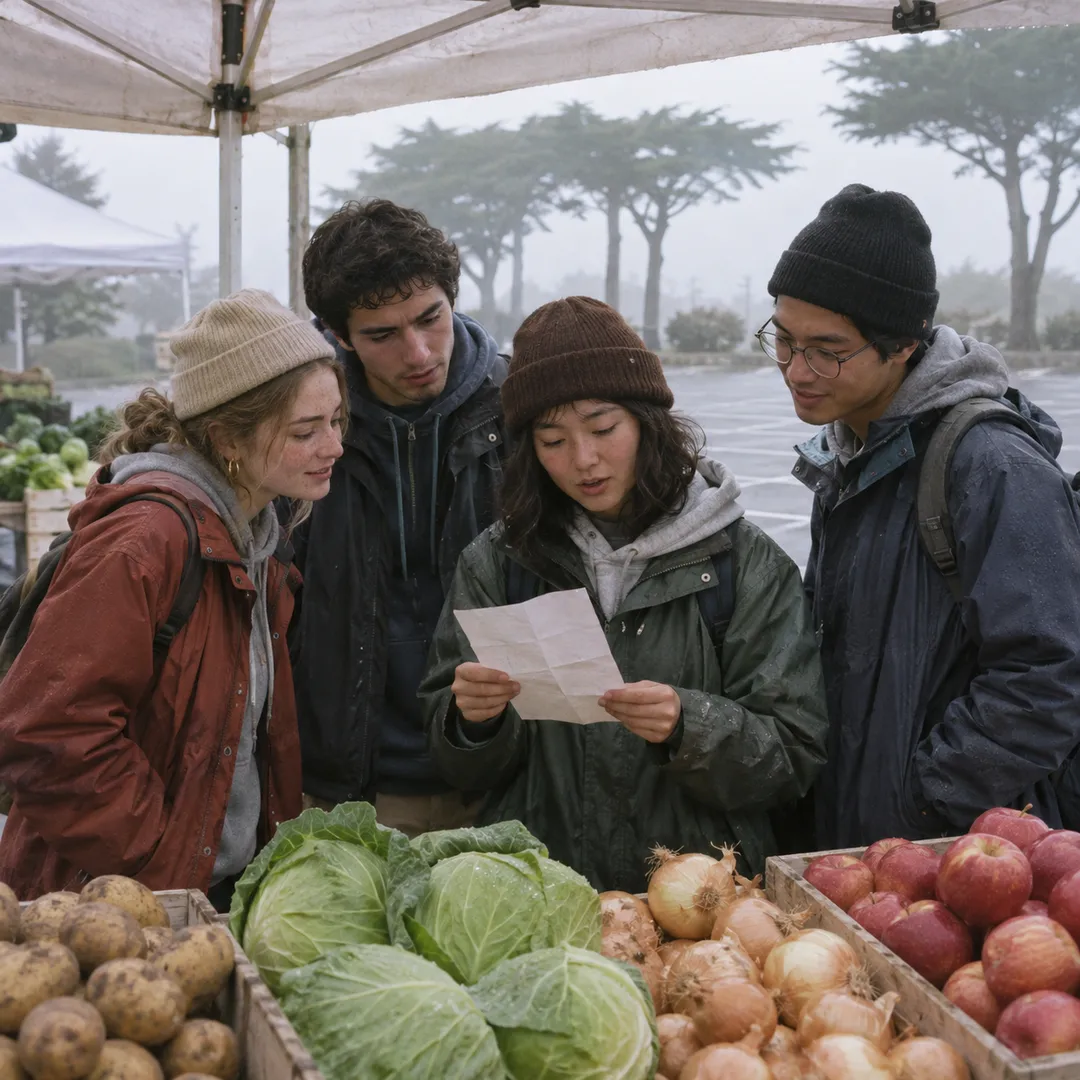
 Stonestown Winter Farmers Market Picker for Student Cooks
Weekend Plans

SF After Work Route Planner: A Marina Movement Break
A Marina Green evening works better with a flexible movement loop and takeout afterward. Pick your effort, turnaround, and food stop before setting out.
Some workdays call for movement before conversation. You want to loosen your legs near Marina Green, enjoy a little time outside, and pick up dinner afterward without turning the outing into a training session. An after work route planner can help you organize that sequence around the energy you actually have. For this San Francisco scenario, begin with a flexible loop, keep your return point clear, and let food follow the movement. Tell Karpo APP whether tonight means a gentle walk, a jog, or a mixture of both.

Choose the effort before the scenery
Set a goal you can recognize without tracking every step. You might want twenty minutes of easy movement, a brief jog followed by walking, or a stroll with a friend. A scenic route is useful only if its length and effort suit the person doing it. If you spent the day sitting, that does not automatically mean a hard workout is the right next step. Pick the amount of effort that makes the evening appealing enough to begin.
Use time rather than distance if you do not know your comfortable pace. A route described as a certain number of miles can hide how much longer you will be outside after pauses or slower sections. A personal time allowance is easier to adjust. If you want a run, decide whether you need to return to the same place for a bag or a change of shoes. That return requirement should shape the loop before you add food or an extra waterfront destination.
Make the start point useful
Marina Green is the focus of the outdoor portion, not a substitute for a precise meeting point. Choose a recognizable starting location appropriate to your own arrival and access needs. If you are meeting someone, describe the location clearly enough that both of you can find it independently. Discuss whether you will leave together or simply meet for food afterward. A run that begins with ten minutes of looking for a friend has already spent part of the effort budget.
For a first request, try: “Help me plan an after-work movement break near Marina Green in SF. I want twenty-five minutes outside, at an easy pace, then takeout. Suggest a loop that brings me back toward my arrival point, plus a shorter walking version. Keep the food decision simple.” These are planning preferences. The suggested loop is something to assess against your circumstances, without assuming that the app is measuring path conditions or monitoring your physical effort as you move.
Use an out-and-back when flexibility matters
A loop sounds satisfying, but an out-and-back can be easier to shorten. Choose a turnaround based on time and comfort, then return along the way you already know. You do not need to reach a landmark to justify the break. If you feel better after ten minutes, continuing may be pleasant. If you are tired, turning back still completes the task. The route has done its job when it gets you moving in a way that fits the evening.
If you prefer a loop, ask what commitment it creates after the halfway point. Does the second half still bring you toward your bag, transit connection, or food corridor? A circular line can look efficient while leaving an inconvenient final approach. Keep the place where you finish more important than the shape drawn on a map. For a mixed walk and jog, choose the slower pace when deciding the return allowance. That leaves room to ease down without making the end of the outing rushed.
Separate the movement clock from dinner
Allocate the evening in stages: getting to the start, moving, cooling down, collecting food, and heading home. Those stages do not all belong inside the run. If you have an hour, twenty-five minutes outside might leave the rest for changing pace and handling dinner. This is an example of dividing your own time, not a published route duration. Write the stages down once so that a “quick run” does not quietly consume the whole period you set aside.
Plan a few easy minutes after jogging before you approach a counter or meet a friend. You may want water, a layer, or somewhere to organize your bag. Include that transition rather than expecting dinner to begin the instant the movement ends. If you are walking throughout, the transition can be shorter. Tell Karpo which version you prefer and what you will be carrying. The useful food suggestion is the one that works after your actual outdoor plan, not after an imaginary workout with no belongings.
Treat dusk as a condition, not a fixed appointment
The available light depends on the date, weather, and when you leave work. This page does not give a sunset time or promise that a particular view will appear during your loop. Decide how much daylight you want for the outdoor section, then use the day's information to choose your own start. If leaving work late removes the light you wanted, shorten the route or switch to the version that suits the conditions you encounter.
Ask for a route that is easy to shorten if the wind or temperature feels uncomfortable. Being near the bay can make your layer and personal comfort more important than extending the scenery. Keep the route within a scope you are happy to retrace. If an area looks unsuitable for your evening, turn toward the simpler return. You are choosing an enjoyable movement break, and there is no prize for completing an itinerary that no longer feels appropriate once you arrive.
Pick takeout by what you want afterward
After moving, you may want a substantial meal, a small snack before dinner at home, or something you can carry onto the next leg. Say which one. Include your dietary restrictions and whether you want to sit down to eat. A shortlist can then be discussed around those needs. This article does not name a restaurant or make claims about menus, prices, or opening hours. The food category is a planning choice until you select a specific place with supporting information.
Keep the pickup point aligned with the route's finish. A food recommendation on the far side of your return journey adds another task when you may already be hungry. Ask how each candidate changes the walk home and whether it requires carrying food through the remainder of the outdoor section. If you want hot food, putting the purchase after movement is usually the more convenient sequence. If your plan requires advance ordering, handle that action through the relevant service rather than assuming a suggestion placed an order.
Let company change the pace gracefully
Two people can share the outing without matching training goals. Agree on a walking start and an optional period of individual movement, then meet again at the chosen finish. Alternatively, keep the whole route at the pace of the person who wants the gentler evening. Say which arrangement sounds enjoyable before planning. A friend joining for company should not discover halfway through that the relaxed loop is actually a timed run with a dinner deadline attached.
Make the food decision before separating, or leave it entirely until you reunite. Half-deciding can lead to one person ordering while the other is still moving. A single shared instruction works better: meet back, cool down, then choose between two food options. If one person is carrying everyone's belongings, account for that in the plan and choose a comfortable waiting arrangement. Nobody needs to spend their movement break acting as a storage counter for the rest of the group.
Practical Notes for a repeatable outdoor evening
Bring the shoes and layer you intend to use, and keep valuables in a carrying arrangement that works while moving. Include drinking water if that suits your outing. If you need step-free routes, shorter standing periods, or seating, state those requirements before discussing scenery. Use your own judgment about the conditions on arrival. The plan should support a comfortable evening for you, rather than rely on a claim that every path is suitable for every person at every time.
Close the conversation in Karpo APP by asking for the starting point you chose, the movement allowance, a simple turnaround rule, and the food sequence afterward. Keep that final version short enough to remember. You can reuse the same decision process on another workday while changing the effort and meal. Tonight's success is uncomplicated: you moved in a way that felt good, finished somewhere useful, and reached dinner with enough energy left to enjoy the rest of your evening.
Ask Karpo for more information.
Keep reading
- Stonestown Winter Farmers Market Picker for Student Cooks
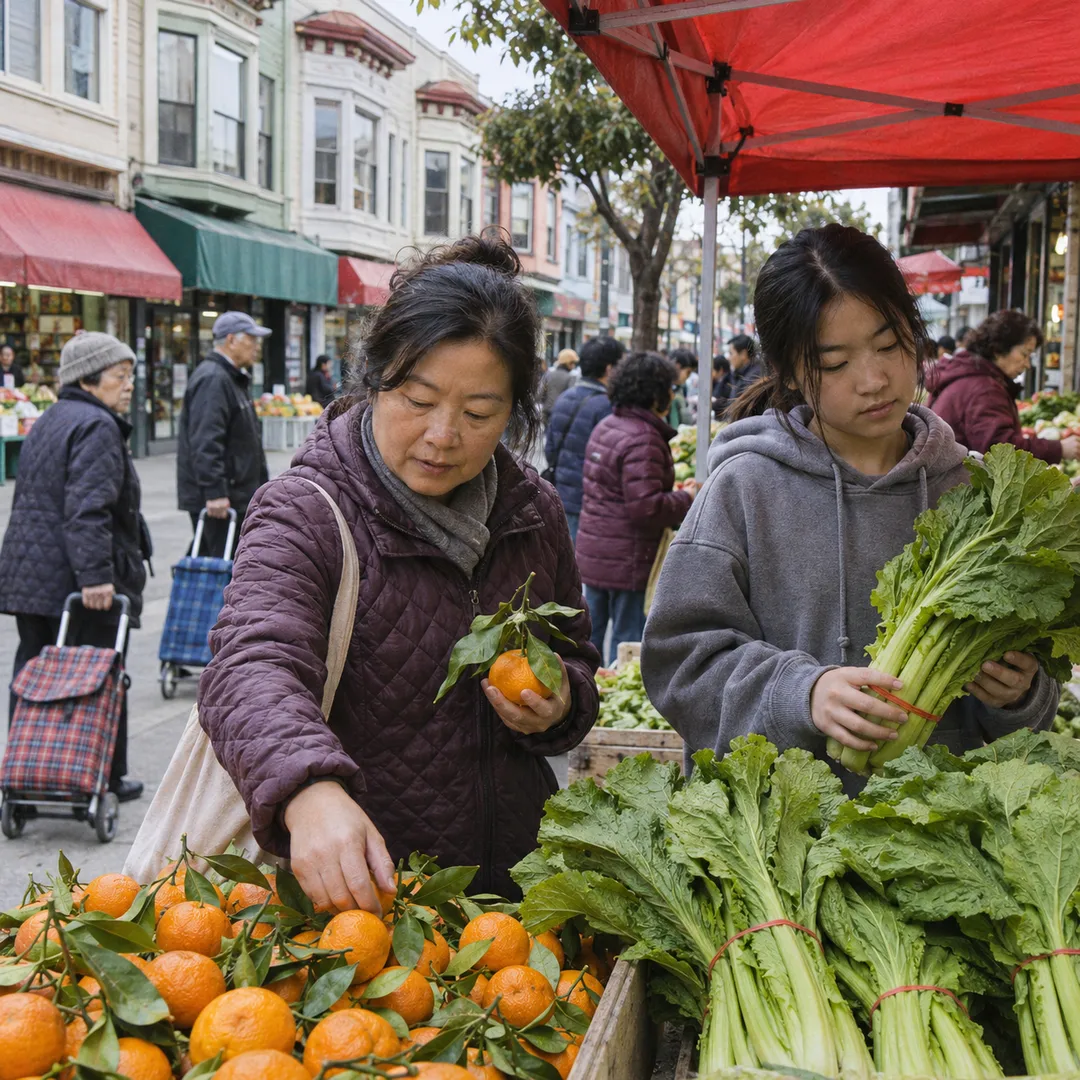 Clement St Winter Farmers Market Picker for Lunar New Year
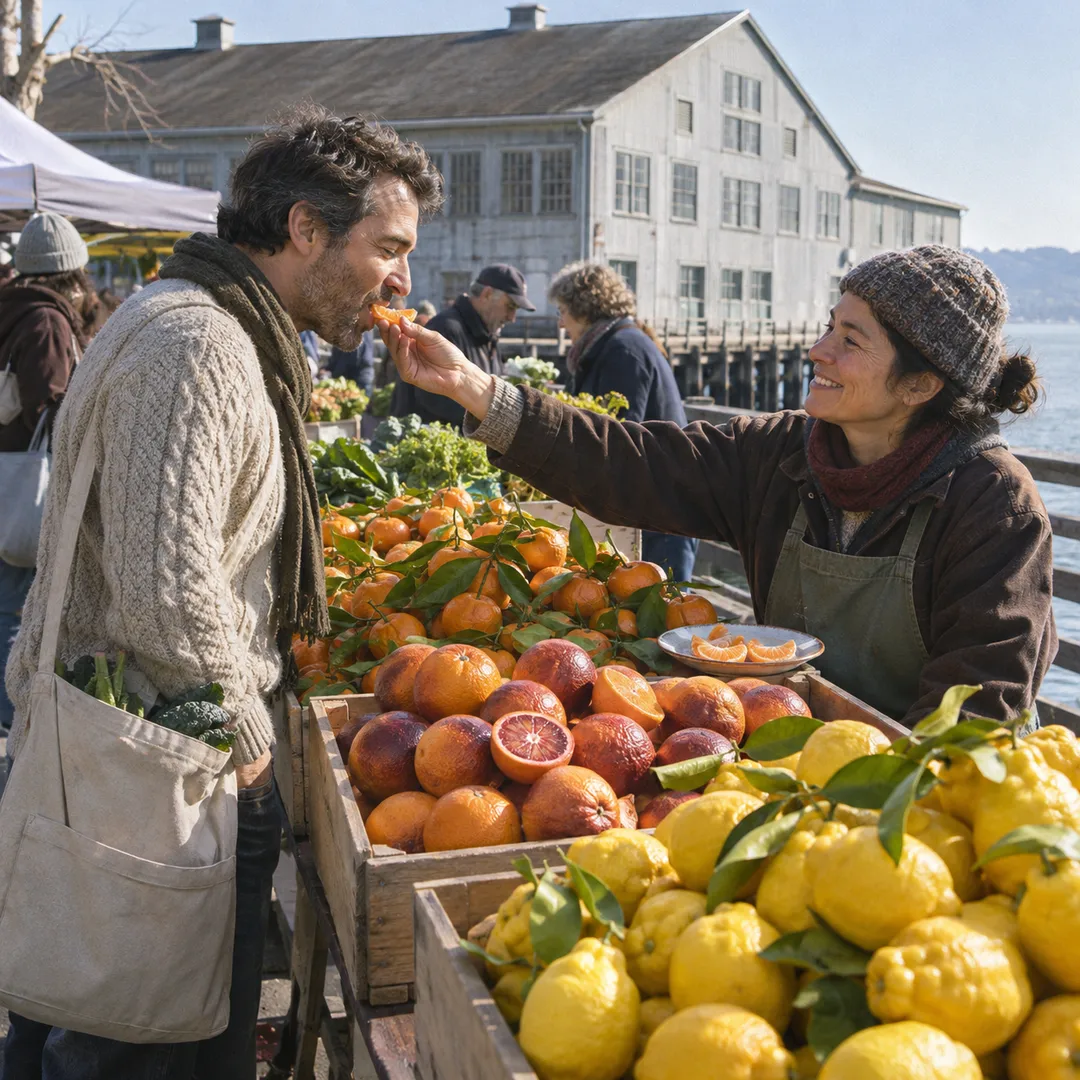 Fort Mason Winter Farmers Market Picker for Citrus Bakers