 Where to Eat Near Penn Station That Isn't a Chain
US Open 2026
Serve-Plus-One Patterns Casual Tennis Fans Can Spot
Learn how to spot the serve-plus-one pattern, the first-serve-and-forehand sequence that often decides quick hard-court points in New York.
When you settle into a seat for a hard-court match in New York, choose one tactical question before the first ball is struck: after the server lands a first serve, who gets the first comfortable forehand? That question makes many short points easier to read. Casual fans often watch the serve, see the return come back, and wait for the rally to begin. Pros are often trying to avoid that neutral rally altogether. They use the serve to bend the point in one direction, then try to cash in with the next shot, usually a forehand hit from inside or near the baseline. This is the serve-plus-one pattern. Once you recognize it, a two- or three-shot point feels less like a blur and more like a plan that either worked or got disrupted.
Text Karpo for a current, low-friction plan for serve-plus-one patterns casual tennis fans can spot—including timing, route checks, and practical options that fit your day.
The Pattern In Plain English
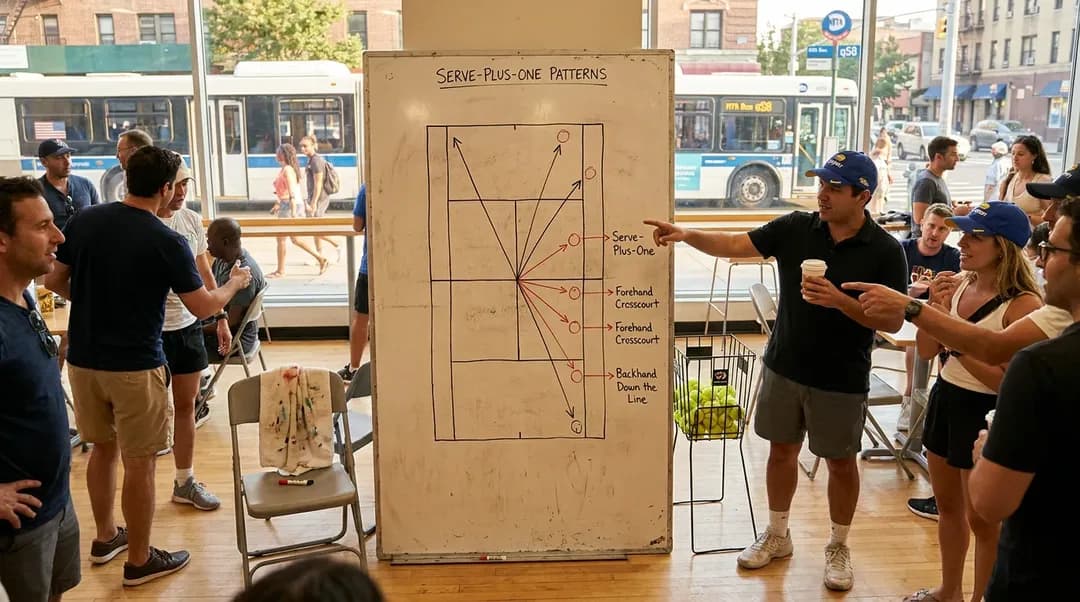
Serve-plus-one means the serve is not treated as a standalone weapon. It is the setup shot. The next groundstroke is the planned attack. A wide serve can drag the returner outside the singles sideline, opening space for a forehand into the opposite corner. A body serve can jam the returner’s swing, producing a short, central, or floating reply. A serve up the middle can reduce the return angle, giving the server a more predictable ball. The “plus one” is often a forehand because many players can create heavier spin, sharper angles, and more disguise from that wing.
The pattern does not require an ace or a highlight-reel winner. In fact, the best clue is often the server’s first step after landing. If the server serves wide on the deuce side and immediately moves left to prepare an inside-out forehand, the plan was probably built before the toss. If the return lands deep enough to pin the server behind the baseline, the same plan may disappear. The point then shifts from first-strike tennis into problem solving.
Why Hard Courts Reward It
Hard courts make this sequence easy to notice because the bounce is usually true enough for servers to plan combinations, while the pace can still punish a late return. The server knows the intended target before the toss. The returner has a fraction of a second to read direction, choose footwork, and decide whether to block, chip, drive, or counter. If the return lands short, central, or slightly high, the server can step forward and turn the first groundstroke into an attacking forehand.
On a fast hard-court point, the decisive moment may come before a rally forms. Watch the returner’s contact point. A stretched returner reaching wide will often send back a ball that gives the server court space. A jammed returner may protect the body rather than swing freely. A returner who makes clean contact in front can take away the server’s rhythm even without hitting a winner. The best returns are not always spectacular. A deep ball through the middle can be more damaging than a sharp angle because it denies the server room to run around the backhand and dictate with the forehand.
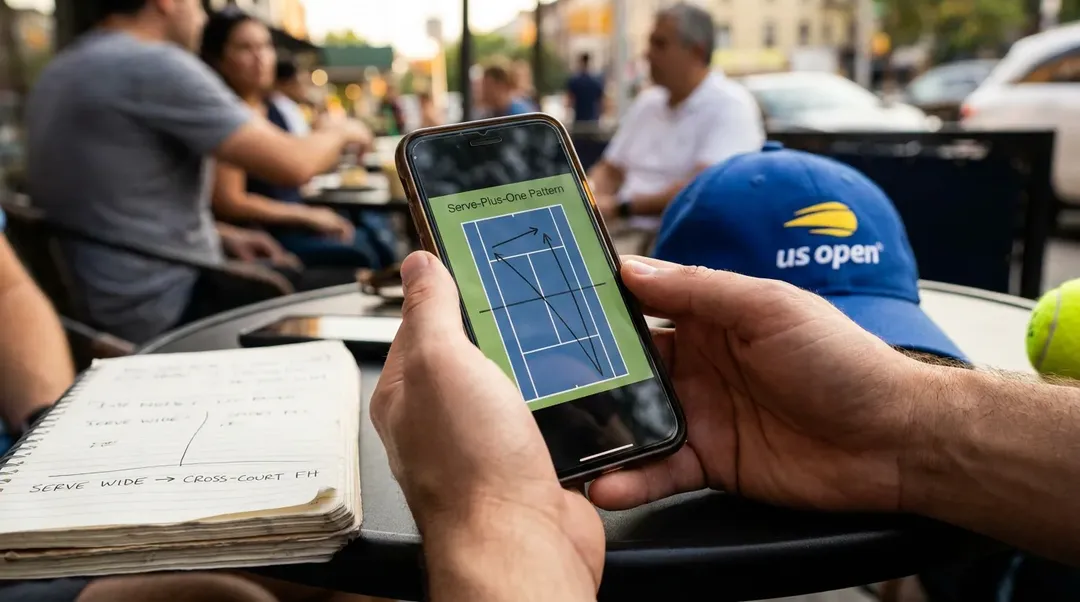
- Wide serve, open court: the server pulls the returner off the court, then looks for a forehand into the empty side.
- Body serve, weak block: the server jams the returner’s swing, then attacks before the defender resets.
- T serve, narrow angle: the server limits the returner’s options, then moves around the next ball for an inside-out forehand.
- Kick serve, high contact: the server pushes the returner above the preferred strike zone, then drives the next shot to the exposed corner.
Where To Watch First
The easiest viewing trick is to ignore the ball for one beat after the serve and watch the server’s feet. If the server lands, recovers, and immediately shades toward the backhand corner, that may signal a plan to run around the next ball and hit a forehand. If the server lands and freezes, the return has probably done its job by taking away the planned strike. You can also watch the height of the server’s first groundstroke. A waist-high forehand from inside the baseline usually means the server is dictating. A hurried forehand hit while leaning backward usually means the returner has made the “plus one” uncomfortable.
From a baseline view, track the space rather than only the speed. When the serve pulls the returner wide, ask whether the server’s next shot goes behind the recovering player or into the open court. When the serve goes into the body, ask whether the return floats short enough for the server to step in. When the serve goes up the middle, ask whether the returner is forced to play straight back. These details turn a fast exchange into a readable pattern.
On return games, look for the opposite goal: can the returner make the server hit the first groundstroke from an awkward place? Low returns can be especially useful against servers who want to unload on a comfortable forehand. Depth through the middle can also be a quiet weapon. It may not draw applause immediately, but it can stop the server from opening the court with the first forehand. If that happens several times, the server may need to aim closer to the lines, take more risk on the serve, or accept longer rallies.
Clues Between The Points
Serve-plus-one tennis is visible between points too. A server may stand wider on the deuce court to create a sharper wide serve, then look for a forehand into the open court. Another may move closer to the center mark to make the middle serve more convincing before using the next shot to change direction. Returners answer with their own adjustments. They may step back to buy time, move forward to cut off angles, or shade toward a favorite serve direction. These small choices are the tactical conversation behind the score.
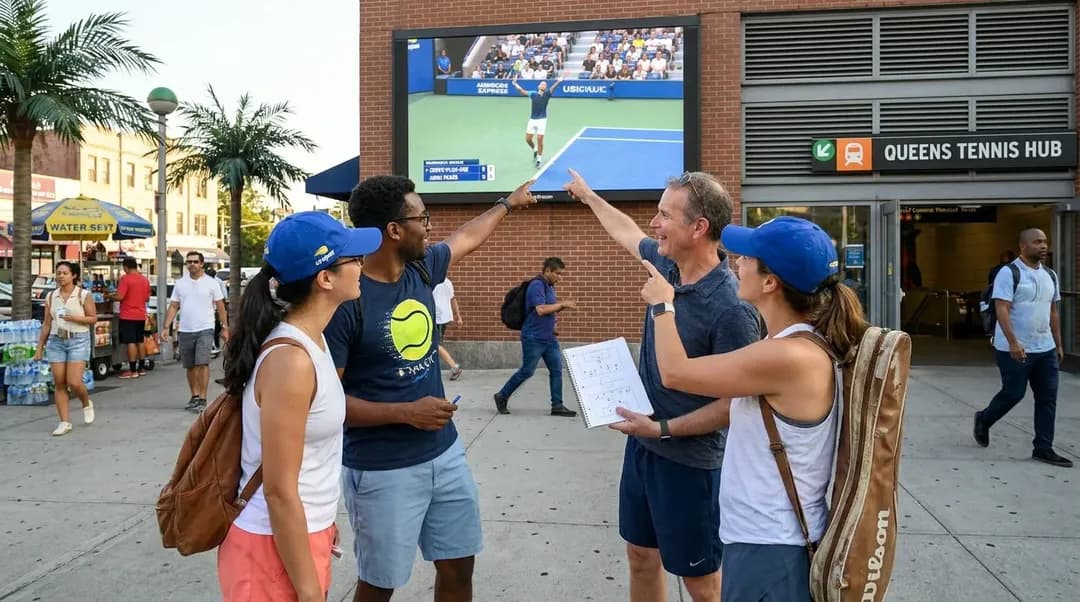
Patterns become clearest when they repeat. If the server keeps earning a short return with the body serve, watch whether the returner changes the starting position or shortens the backswing. If forehands keep arriving from the server’s backhand corner, notice whether the returner aims deeper down the middle to block that movement. If first serves start missing, the pattern may soften because second serves usually give the returner more time to attack or place the ball. The point is not to predict every shot. It is to see which player is controlling the first forehand after the serve.
- If the server wins with the same serve target twice, check the returner’s feet before the next point.
- If the returner blocks many balls short, expect the server to move forward faster after landing.
- If the return lands deep through the middle, watch whether the server can still create a forehand angle.
- If the server’s first-serve percentage drops within a game, look for the returner to become more aggressive on second serves.
Practical Notes
For “Serve-Plus-One Patterns Casual Tennis Fans Can Spot,” the useful 2026 calendar anchor is August 23 through September 13, with singles main-draw play beginning August 30. Advice: if you want to study serve-plus-one patterns in person, prioritize sightlines that let you see both the server’s landing and the returner’s contact point. A clear baseline or corner angle can be more useful than a seat focused only on the net, because the first step after the serve often reveals the plan.
Advice: before travel, check the official US Open schedule for the latest session information, and use the ATP and WTA sites for current tour context without assuming any player’s participation. Because “Serve-Plus-One Patterns Casual Tennis Fans Can Spot” depends on live operations, verify the specific schedules, gates, transit conditions, local hours, inventory, and venue rules that affect this plan. Before acting on “Serve-Plus-One Patterns Casual Tennis Fans Can Spot,” recheck the official security page; its current limit is one searchable bag per guest, no larger than 12 by 12 by 16 inches. Once you are watching, keep returning to the same simple question: did the serve create the first forehand, or did the return take it away?
Tags: #USOpen2026 #Tennis #NewYork #Queens #FlushingMeadows #USOpenGuide #TennisFans #SportsTravel #NYCEvents #HardCourt #KarpoFinds #Karpo
Sources consulted: usopen.org — Official reference · wtatennis.com — Official reference · atptour.com — Official reference
All trademarks are the property of their respective owners.
Ask Karpo first
Want to know what is confirmed, when to show up, and what is actually open to the public? Ask Karpo for the latest US Open updates and a practical New York plan for serve-plus-one patterns casual tennis fans can spot.
Ask Karpo for more information.
Keep reading
- Where to Eat Near Penn Station That Isn't a Chain
 Andytown Coffee in the Outer Sunset: The Snowy Plover Explained
- Best Things to Do in Chicago: What the City Gives Away