The Match That Had Everything
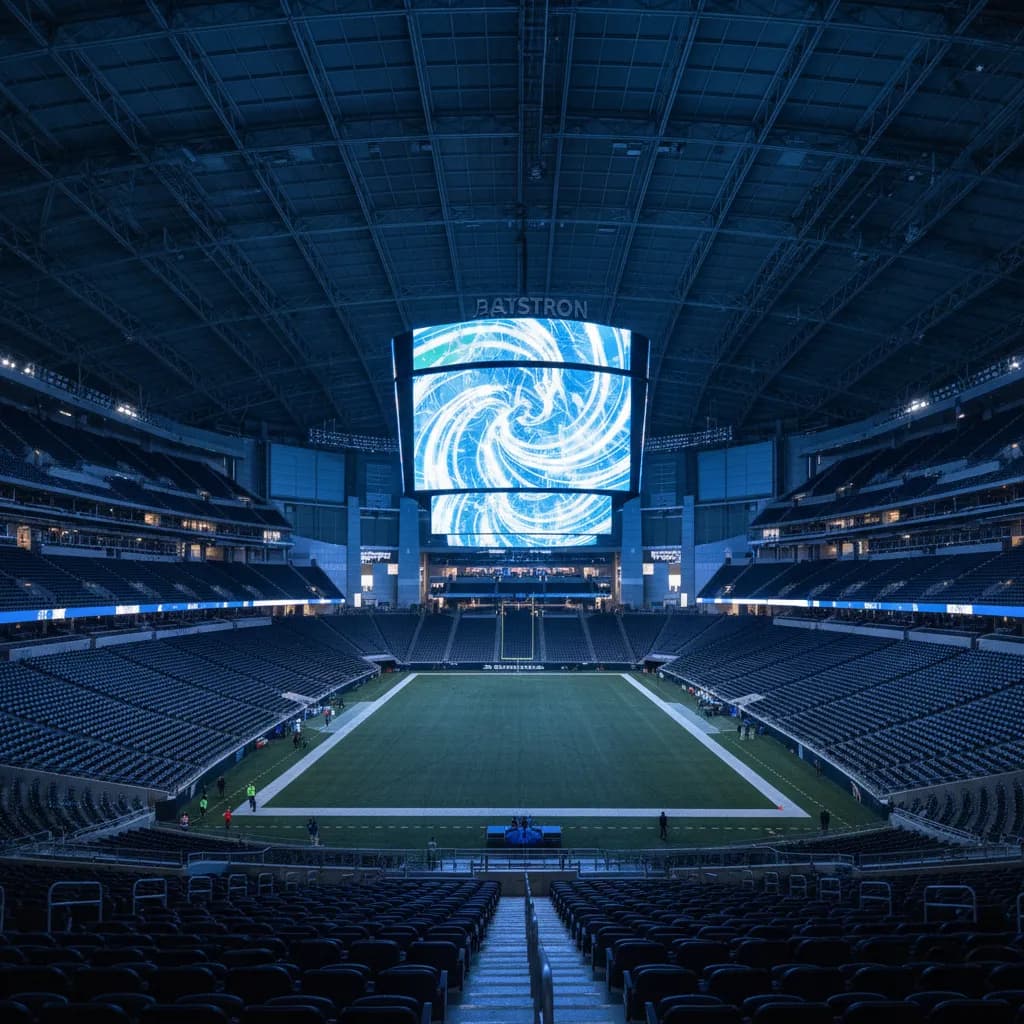
The Senegal-Belgium Round of 32 match at AT&T Stadium in Arlington, Texas, will be studied in coaching academies for decades. It contained every element that makes the World Cup the greatest sporting event on earth: a dominant underdog, a dramatic collapse, individual brilliance, collective failure, tactical innovation, emotional devastation, and a conclusion so improbable that fiction would reject it as unrealistic. The 125 minutes of football — 90 minutes of normal time, 30 minutes of extra time, and 5 minutes of additional time — produced five goals, two red card appeals, three penalty shouts, and an ending that left 80,000 spectators emotionally exhausted.
What an epic match! Text Karpo for the full 125-minute breakdown, key turning points, and the most dramatic World Cup games.
Senegal's Dominant First Half
Senegal's first-half performance was the best 45 minutes of football produced by an African team at the 2026 World Cup. Coach Aliou Cisse deployed a 4-3-3 formation that overwhelmed Belgium's 3-4-2-1 system, with Sadio Mane and Ismaila Sarr stretching Belgium's wing-backs while Idrissa Gueye controlled the midfield. Mane's opening goal in the 23rd minute — a curling shot from outside the box that Courtois could only watch — was the culmination of a 22-pass move that involved nine of Senegal's outfield players. Sarr's second in the 38th minute, a tap-in from Mane's cross, gave Senegal a 2-0 lead that felt deserved and secure.
Belgium's Halftime Transformation
Belgium coach Domenico Tedesco's halftime adjustments were decisive. He switched from 3-4-2-1 to 4-3-3, bringing on Leandro Trossard for the ineffective Timothy Castagne and pushing De Bruyne further forward into a free role. The tactical shift immediately changed the match's dynamics: Belgium's possession increased from 38 percent in the first half to 61 percent in the second, and their pressing intensity — measured by PPDA — improved from 15.4 to 8.7. The adjustment did not produce an immediate equalizer, but it created the conditions for the dramatic extra-time comeback that followed.
Extra Time: Belgium's Three Goals in 12 Minutes
Belgium's extra-time performance was a masterclass in controlled aggression. Romelu Lukaku's 96th-minute header from a De Bruyne corner reduced the deficit. Trossard's 102nd-minute goal, a powerful drive from 20 yards that deflected off a Senegalese defender, equalized. And De Bruyne's 108th-minute free kick — curled over the wall and inside the near post with Courtois' opposite number rooted to the spot — completed the comeback. Three goals in 12 minutes of extra time from a team that had looked beaten for 90 minutes. Belgium's experience in knockout football — seven previous World Cup campaigns providing an institutional knowledge of how to play from behind — proved decisive.
Senegal's Physical Collapse
Senegal's second-half and extra-time collapse was partly tactical and partly physical. The team's total running distance dropped from 56 km in the first half to 48 km in the second half and just 18 km in extra time — a decline of 68 percent that left players visibly unable to maintain their pressing intensity. The physical decline was exacerbated by the Texas heat: AT&T Stadium's retractable roof was closed for the match, but the indoor temperature registered 28 degrees Celsius (82 degrees Fahrenheit) — significantly higher than the air-conditioned comfort that players typically experience at the venue. Senegal's squad, drawn primarily from European leagues, was not acclimatized to the conditions.
Mane's Final World Cup Moment
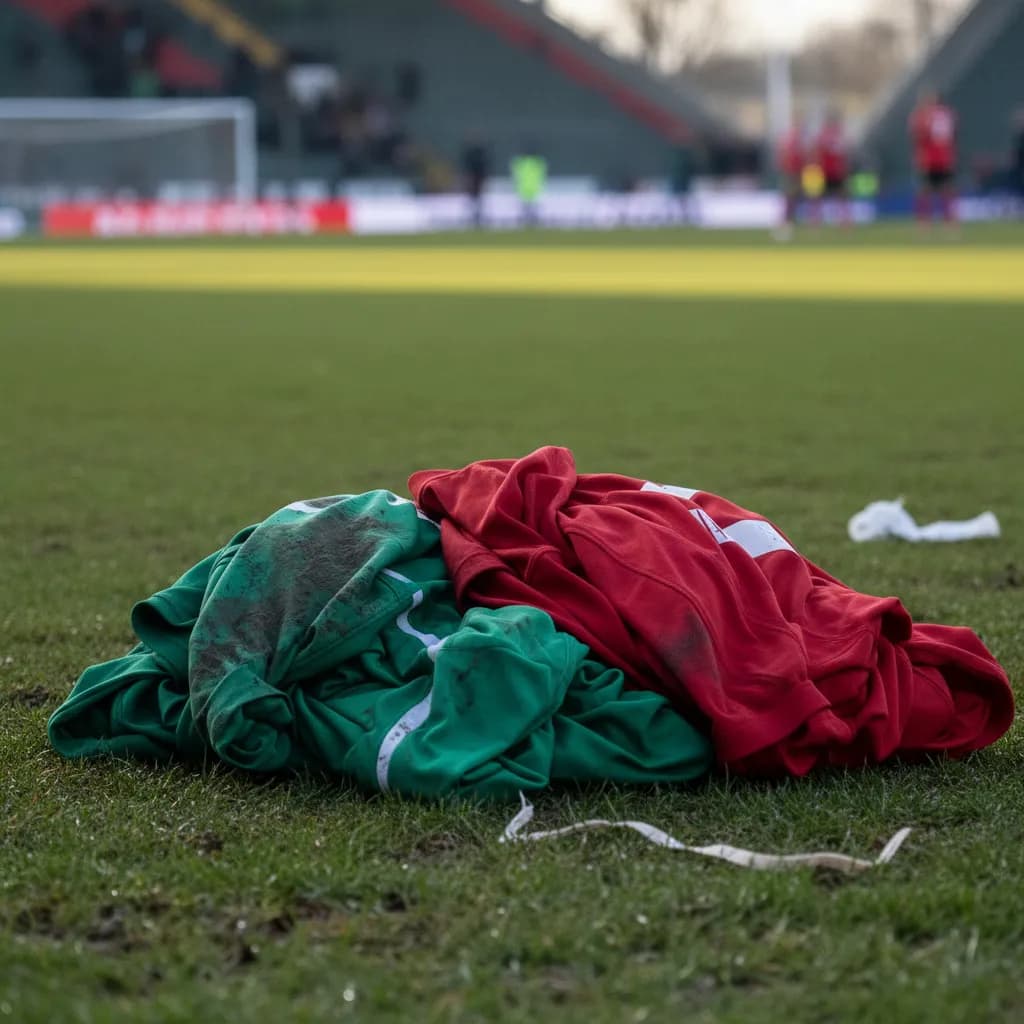
For Sadio Mane, the match against Belgium was almost certainly his final World Cup appearance. At 34, the former Liverpool and Bayern Munich forward has acknowledged that the 2026 tournament is his international farewell. His performance against Belgium — one goal, one assist, and a first-half display of attacking brilliance — was a fitting reminder of his qualities. But the aftermath was painful: Mane sat alone on the pitch for five minutes after the final whistle, head in hands, processing the end of a World Cup career that included two tournaments and never quite delivered the deep run his talent deserved.
The Legacy of a 125-Minute Epic
The Senegal-Belgium match will be remembered as one of the great World Cup encounters — a match that demonstrated both the beauty and the cruelty of knockout football. Senegal's first-half dominance showed that African teams can not only compete with but outplay European football's elite. Belgium's comeback showed that tournament experience and squad depth can overcome tactical disadvantage. The match also raised uncomfortable questions about physical preparation, heat management, and the fairness of scheduling matches in conditions that disproportionately affect teams from cooler climates. Those questions will be debated long after the final score is forgotten.
Tags: Senegal Belgium, World Cup 2026, comeback, epic match, Mane, De Bruyne, extra time, AT&T Stadium, Dallas, 125 minutes
Sources consulted: ESPN · BBC Sport · The Guardian · Goal.com
All trademarks, team names, league names, and player likenesses mentioned in this article are the property of their respective owners and are used here for informational and editorial purposes only.
Ask Karpo First
Want to relive every moment of the Senegal-Belgium epic? Ask Karpo for a minute-by-minute timeline, tactical analysis of Belgium's halftime changes, and how the Texas heat affected both teams' performances.