What the Thermometer Really Says in Mid-July
Dallas and Atlanta share one unmistakable trait in mid-July: relentless heat. In the Dallas-Fort Worth metroplex, afternoon highs routinely climb into the mid-to-upper 90s Fahrenheit, occasionally nudging triple digits when high pressure parks overhead. The sun feels direct and unforgiving, especially on asphalt parking lots and open plazas. Atlanta's numbers may read a few degrees cooler on paper—typically low-to-mid 90s—but the humidity tells a different story. Dew points in the 70s turn every breath into a warm, damp hug, and the heat index often surpasses the actual air temperature by five to ten degrees.
Text Karpo Now: Get real-time weather updates, hydration station maps, and shade-route tips for your Dallas or Atlanta semifinal—before kickoff.
Both cities experience afternoon pop-up thunderstorms during summer, though they're brief and localized. A sudden downpour can drench a neighborhood in fifteen minutes, then vanish, leaving steamy sidewalks and even muggier air. If you're walking from a transit stop or rideshare drop-off, that ten-minute stroll can feel twice as long when the pavement radiates stored heat back at you.
The good news: once you step through the turnstiles at AT&T Stadium in Arlington or Mercedes-Benz Stadium in downtown Atlanta, you enter a different climate zone entirely. Both venues boast state-of-the-art HVAC systems that hold interior temperatures in the comfortable low-to-mid 70s, regardless of what's happening outside. The challenge—and the focus of your planning—is everything that happens before and after the final whistle.
Timing Your Arrival to Dodge Peak Sun
Kickoff times for World Cup semifinals typically fall in the evening to maximize global broadcast windows, but even a seven o'clock start means you'll be moving through the city during the hottest part of the day if you arrive early. The sun doesn't dip below the horizon until well past eight in mid-July, so plan your route with shade in mind. In Dallas, the DART light rail offers air-conditioned cars and drops you close to AT&T Stadium via the TRE commuter line transfer at CentrePort/DFW Airport station. In Atlanta, MARTA's red and gold lines converge at Five Points, then the blue or green line takes you directly to the Georgia World Congress Center station, a short covered walk from Mercedes-Benz.
Aim to arrive at least ninety minutes before kickoff. That window gives you time to clear security, find your seat, grab water, and settle in without rushing—but it also means you're moving through outdoor spaces during the late-afternoon furnace. Wear a wide-brimmed hat, apply sunscreen generously, and choose light-colored, loose-fitting fabrics that wick moisture. Synthetic blends designed for athletic wear outperform cotton in humid heat, drying faster when you sweat.
If you're driving, remember that AT&T Stadium sits in a sea of surface lots that bake all day. Park in a covered structure if you can, even if it costs a few dollars more; your steering wheel and seats will thank you. In Atlanta, most nearby parking is in multi-level garages that offer at least some shade, and the walk to the stadium is shorter and more urban, with awnings and building shadows providing intermittent relief.
Hydration Strategy: More Than Just a Water Bottle
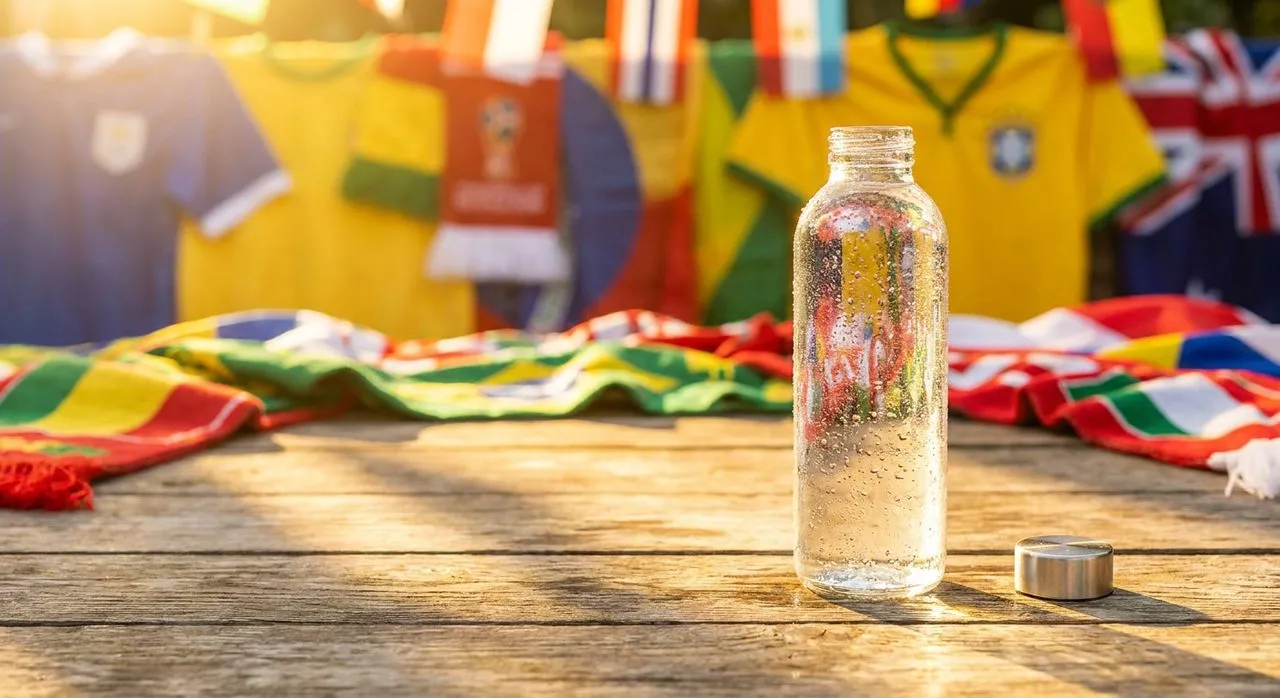
The single most important item in your match-day kit is water—and the discipline to drink it before you feel thirsty. Thirst is a lagging indicator; by the time your mouth feels dry, you're already mildly dehydrated. Start hydrating the night before and continue through the morning. Aim for clear or pale-yellow urine as your benchmark. On match day, sip steadily rather than chugging large amounts at once, which can leave you feeling bloated and still under-hydrated.
Both stadiums allow you to bring in one factory-sealed, clear plastic bottle of water per person—check the official World Cup venue guidelines to confirm size limits, typically up to one liter. Once inside, refill stations and concession stands sell bottled water, though lines can be long during halftime. Freeze a bottle overnight and let it thaw in your bag during the journey; you'll have ice-cold water when you need it most. Add a pinch of salt or a squeeze of lemon to help your body retain fluids and replace electrolytes lost through sweat.
Avoid caffeine and sugary sodas in the hours leading up to the match. Both act as mild diuretics and can leave you feeling more parched. If you want a pick-me-up, opt for coconut water or a sports drink with balanced electrolytes. And don't skip meals—your body needs fuel to regulate temperature. A light lunch with lean protein, whole grains, and plenty of fruits or vegetables sets you up better than an empty stomach or a heavy, greasy plate.
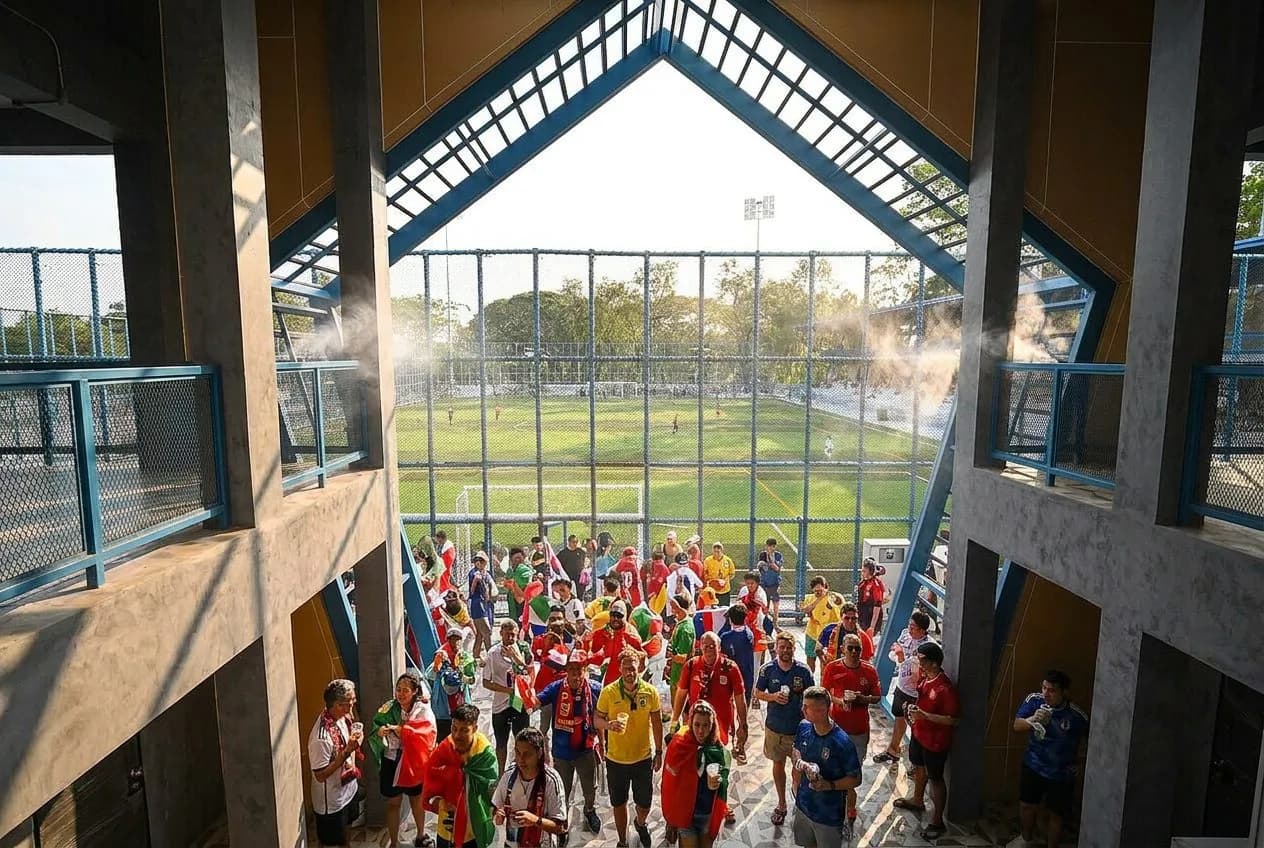
Inside the Stadiums: Climate Control and Comfort Zones
AT&T Stadium's retractable roof will almost certainly remain closed during a July semifinal, sealing in that cool, recirculated air. The venue's massive video board hangs from the ceiling, and the sightlines are excellent from nearly every seat, so you won't be squinting through glare or heat haze. Concourses are wide, well-lit, and lined with concession stands and restrooms. If you need a break from your seat, the shaded concourse offers a cooler microclimate than the seating bowl, where body heat from seventy thousand fans can nudge the perceived temperature up a degree or two.
Mercedes-Benz Stadium in Atlanta takes climate control even further with its innovative retractable roof and side panels, but like Dallas, expect the roof to stay closed in July. The building's design emphasizes airflow and even temperature distribution, so you won't find hot pockets near the upper decks. The 360-degree concourse means you can walk a full lap without losing sight of the pitch through interior windows—a nice feature if you're stretching your legs or waiting out a restroom line. Both venues also offer nursing and first-aid stations; if you or a companion start feeling dizzy, nauseous, or excessively fatigued, seek help immediately. Heat exhaustion can escalate quickly.
Dress in layers you can adjust. A lightweight long-sleeve shirt protects your arms from sun exposure during your approach, then peels off easily once you're inside. Bring a small, packable jacket or scarf—air conditioning can feel brisk after two hours, especially if you've been sweating. And remember, the walk back to transit or your car will plunge you back into the heat, so keep that water bottle handy for the return trip.
The Journey Home: Managing Post-Match Heat and Crowds
When the final whistle blows, seventy thousand people will funnel toward the same exits, and the outdoor air will hit like a wall. The sun may have set, but pavement and concrete retain heat for hours, and the humidity in Atlanta doesn't drop much after dark. In Dallas, the dry heat cools faster once the sun disappears, but you'll still be navigating crowded walkways and transit platforms. Patience is your best asset here—rushing only raises your heart rate and body temperature.
If you took MARTA in Atlanta, expect packed trains for the first thirty minutes after the match. Consider waiting in the stadium concourse or a nearby plaza for fifteen or twenty minutes, letting the initial crush thin out. Grab a final bottle of water, find a bench in the shade or under a canopy, and let your body temperature normalize. The same advice applies in Dallas: the TRE and DART lines will be standing-room-only immediately post-match, so a short delay can mean a more comfortable ride.
If you drove, your car will be an oven. Open all the doors for a minute or two before climbing in, and crank the air conditioning to full while you wait. Keep that frozen water bottle in a cooler in your trunk if you have one; a cold drink for the drive home is a small luxury that makes a real difference. And if you're walking more than a few blocks, take it slow. Heat-related illness doesn't always announce itself during the match—it can creep up on you during the post-game exodus when adrenaline fades and fatigue sets in.
What to Pack and What to Leave Behind
Security at World Cup venues is tight, and bag policies are strict. Both AT&T and Mercedes-Benz stadiums follow clear-bag rules: only transparent totes or small clutches are permitted, and they'll be searched at every checkpoint. Pack light and smart. Your essentials: a factory-sealed water bottle, sunscreen in a travel-size container, a hat that folds flat, a portable phone charger, any necessary medications, and a small microfiber towel to blot sweat. Sunglasses are useful for the walk in and out, but you won't need them inside.
Leave the umbrella at home—it won't be allowed in, and afternoon storms are usually too brief to justify carrying one around the city. A compact poncho that folds into a pocket is a better bet if rain is forecast, though you'll spend most of your time indoors anyway. Don't bring outside food; stadium policies prohibit it, and you'll have plenty of concession options inside. And resist the urge to over-pack; a lighter bag means faster security lines and less to juggle when you're trying to stay cool.
Charge your phone fully before you leave. You'll use it for tickets, transit directions, group coordination, and post-match photos. A dead battery in the heat, surrounded by crowds, is a frustration you can easily avoid. And if you're traveling with kids or older adults, double-check that everyone has their hydration plan and knows where to meet if you get separated. Heat and crowds are a challenging combination for anyone, so a little extra communication goes a long way.
Practical notes
- Start hydrating the day before; aim for clear or pale-yellow urine as your benchmark.
- Arrive ninety minutes early via DART/TRE in Dallas or MARTA in Atlanta to avoid peak heat and security lines.
- Bring one factory-sealed clear water bottle per person; freeze it overnight for ice-cold refreshment.
- Wear light-colored, moisture-wicking fabrics, a wide-brimmed hat, and apply sunscreen generously.
- Wait fifteen to twenty minutes post-match in the stadium concourse to let transit crowds thin and your body cool.
The semifinals are the crescendo of a month-long tournament, and the heat in Dallas and Atlanta is real—but it's also manageable with the right preparation. Hydrate early and often, time your movements to dodge the worst of the sun, and trust that once you're inside those climate-controlled stadiums, the only thing that should take your breath away is the football. Stay cool, stay smart, and savor every moment of these historic matches.
Tags: #WorldCup2026 #DallasWorldCup #AtlantaWorldCup #ATTStadium #MercedesBenzStadium #SummerHeat #MatchDayTips #StayCool #HydrationStrategy #TransitTips #DARTRail #MARTAAtlanta #SemifinalsReady #BeatTheHeat #SmartTravel
All trademarks are the property of their respective owners.
Ask Karpo first
July heat doesn't have to steal your semifinal magic—but winging it might. Ask Karpo first for real-time weather alerts, hydration station maps, shaded walking routes, and transit timing that keeps you cool and confident from your front door to your seat and back again. We've done the legwork so you can focus on the roar of the crowd and the brilliance on the pitch.