 Haaland Has Seven Goals and Norway Runs Entirely Through Him
⚽️2026 FIFA WORLD CUP
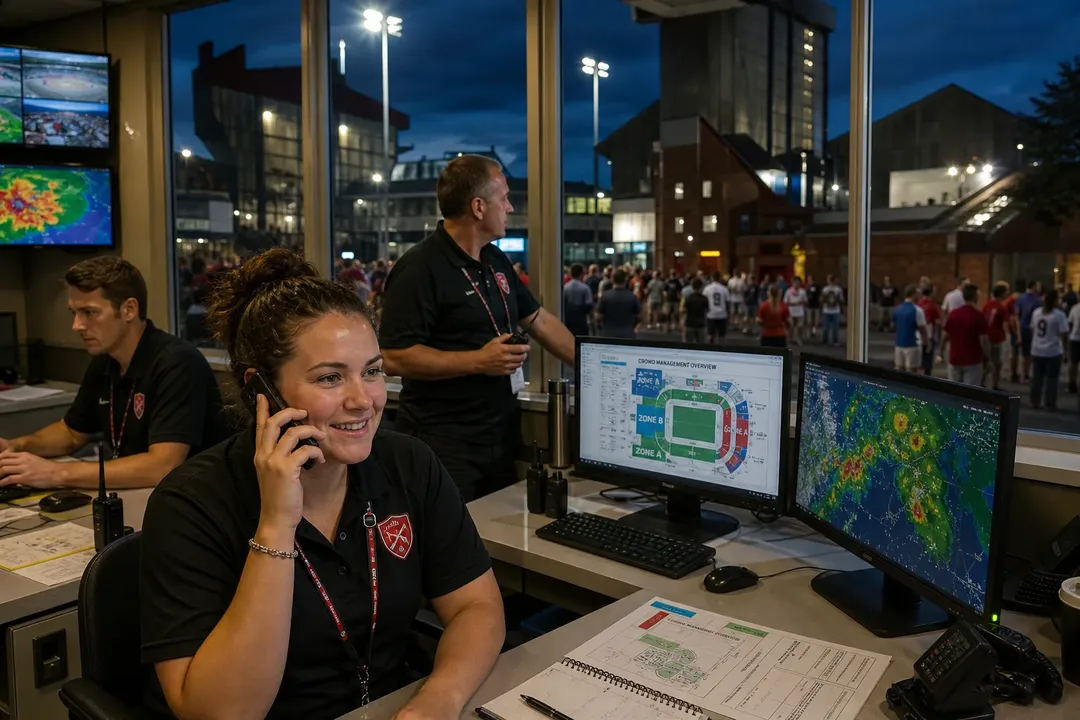
Semifinal Delay Protocols Weather Holds and Restart Procedures Explained
Weather holds can change a semifinal day without changing the need for calm, verified decisions. Here is how fans should understand delays, restarts and the fixed World Cup 26 sequence still ahead.
Semifinal Delay Protocols Weather Holds and Restart Procedures Explained is a practical guide for fans tracking the next stage of World Cup 26 from Atlanta, Miami and New York. The fixed sequence still ahead is clear: the second semifinal is scheduled for July 15, the bronze match is scheduled for Miami on July 18, and the final is scheduled for New York New Jersey on July 19. Everything else that depends on match outcomes, local conditions or official operational decisions should be treated as pending until it is confirmed through FIFA’s tournament schedule and match updates.
Text Karpo before you head out if you want a match-day plan that can bend with the day. We can help you compare routes, choose a viewing spot, time food stops and adjust your plan if a weather hold, stadium announcement or late restart changes the rhythm of the semifinal window.
What Is Fixed Before the Next Whistle
The most important distinction for fans is between fixed schedule information and live variables. The remaining tournament order is fixed at this point: the second semifinal on July 15, the bronze match in Miami on July 18 and the final in New York New Jersey on July 19. The participating teams, kickoff management details and any match-specific operational changes that are not already confirmed should not be assumed. If a bracket spot has not been officially filled, it remains pending.
That matters because delay coverage often moves faster than confirmed information. A weather hold may pause stadium activity, but it does not automatically confirm a new kickoff time, a changed venue plan or a revised participant list. Fans should separate what they know from what they are waiting to verify. The safest approach is to treat the official match page and tournament hub as the final reference for fixtures, results and status updates, then use local venue messages for on-site instructions.
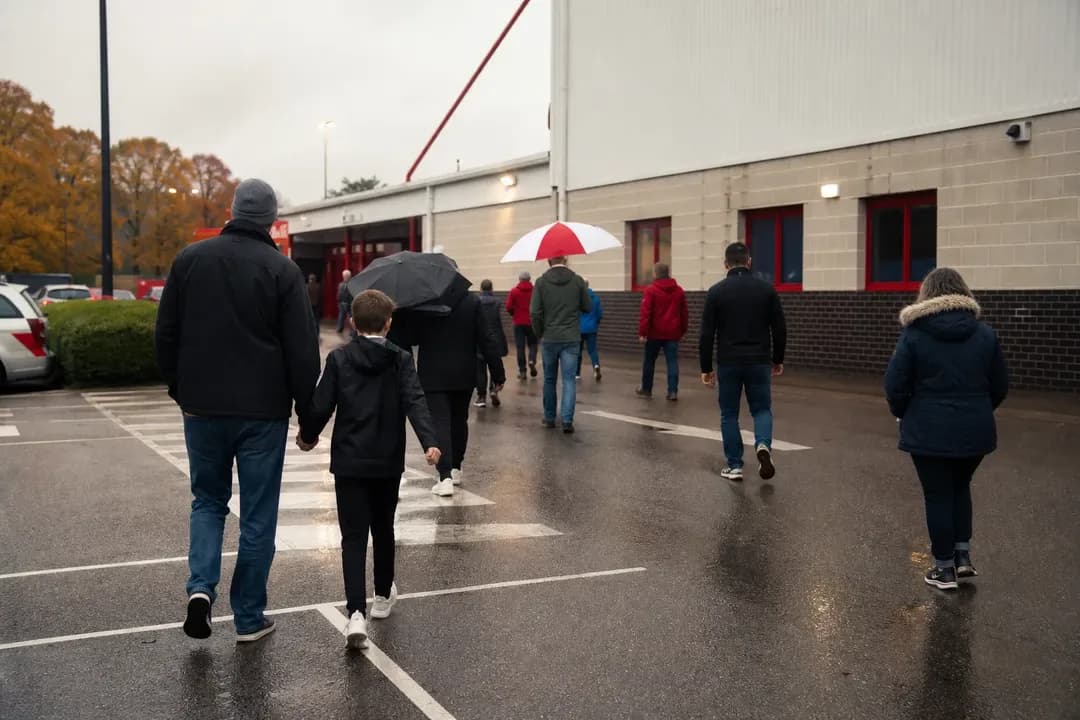
How Weather Holds Usually Affect Stadium Days
A weather hold is a safety procedure, not a prediction of cancellation. It can be triggered when conditions around a venue require a pause in outdoor movement, field activity, spectator circulation or match operations. The exact threshold and timing are managed by event officials, stadium operations, security teams and local safety authorities. Fans do not need to know every technical trigger to make good choices; they need to follow the most recent instructions and avoid relying on rumor or screenshots.
In practical terms, a hold can affect gates, concourses, warmups, team movement, broadcast timing and the experience of fans trying to enter or leave. It can also create a gap between what viewers see on television and what people inside or near the stadium are being told to do. If you are in Atlanta for the second semifinal, in Miami preparing for the bronze match or in New York New Jersey for the final, treat venue announcements as the instruction layer and official FIFA match updates as the competition layer.
What Fans Should Do During a Delay
The best fan response during a delay is simple: pause, verify and conserve options. Do not assume that a delayed match is abandoned, and do not assume that a restart will happen immediately after the first encouraging sign. Keep your group together, charge your phone when possible, save tickets and travel apps offline if available, and avoid crowding exits unless venue staff instruct fans to move. If you are outside the stadium, look for official guidance before committing to a new route.
For viewing parties and sports bars, the same rule applies in a different setting. A delay may stretch table times, kitchen demand and rideshare costs, but it does not confirm a result or a new bracket outcome. Ask staff whether they will keep the match audio on after a restart, check closing times and make a backup plan for food if the delay runs long. The goal is not to guess the restart; it is to keep your evening flexible enough to enjoy it when play resumes.
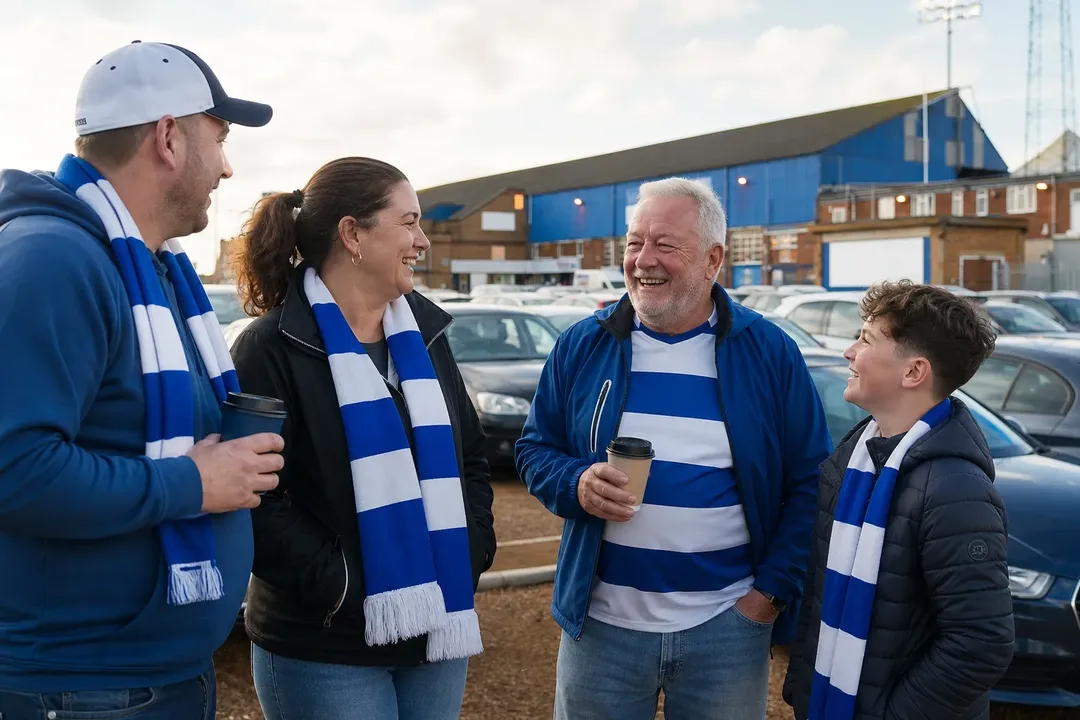
Restart Procedures and What Remains Pending
A restart after a weather hold is usually more than a referee simply blowing the whistle. Teams may need time to return from protected areas, players may need a controlled warmup, the field may need inspection and broadcast or stadium systems may need to reset. The match state, including time remaining and competition procedures, belongs to the officials and competition authorities. Fans should wait for confirmed restart information rather than filling gaps with assumptions.
Several details remain live variables until announced. These can include the exact restart time, whether pre-restart warmups are visible to fans, how stadium entry is handled during the pause and what transport or security adjustments are made outside the venue. Participants in future matches are also pending until results officially determine them. The bronze match in Miami and the final in New York New Jersey are fixed events on the schedule, but the teams involved must be verified through official results.
City-by-City Planning: Atlanta, Miami and New York
Atlanta is the immediate focus because the second semifinal is scheduled for July 15. Fans should build extra time into arrival plans and avoid locking the whole day around a single assumption about flow. If conditions are smooth, the plan still works; if a hold occurs, the buffer becomes valuable. Choose meeting points that are easy to describe, keep your return plan flexible and make sure everyone in your group knows where official updates will be checked.
Miami and New York New Jersey require a slightly different mindset because their matches come next in the sequence. Miami is scheduled to host the bronze match on July 18, while New York New Jersey is scheduled to host the final on July 19. Those dates are fixed schedule information, but matchups and live operating details remain pending. Fans traveling between cities should avoid nonrefundable assumptions based on unconfirmed participants and should recheck official fixtures before finalizing viewing, food or transport plans.
How to Verify Before You Share or Travel
The cleanest verification habit is to check the official FIFA World Cup 26 schedule and tournament hub before sharing any claim about teams, timing or match status. If a post names a participant that has not been confirmed by official results, treat it as pending. If a message claims a new restart time without matching official or stadium communication, treat it as unverified. This is especially important during weather holds, when partial information can spread quickly.
For fans, good verification is not just about accuracy; it protects the day. A false restart time can make you miss food, transit or the match itself. An assumed participant can send you to the wrong viewing event. A misunderstood hold can separate a group in a crowded area. Keep the remaining sequence clear, keep live variables labeled as live, and let confirmed updates guide the plan from semifinal night through Miami and New York New Jersey.
Tags: #WorldCup2026
Sources consulted: FIFA World Cup 26 schedule and results · FIFA World Cup 26 tournament hub
All trademarks are the property of their respective owners.
Ask Karpo First
Text Karpo with your city, group size and match plan, and we will help build a flexible route, viewing, food or match-day plan around the latest confirmed information.
Ask Karpo for more information.
Keep reading
- Haaland Has Seven Goals and Norway Runs Entirely Through Him
 World Cup Trophy Ceremony Timing Medals and Postmatch Celebrations
 Olise and France's Attack: The Semifinal Tactical Question