 Salad Near Me in the West Village: Westville's Market-Table Vegetables
Back To School
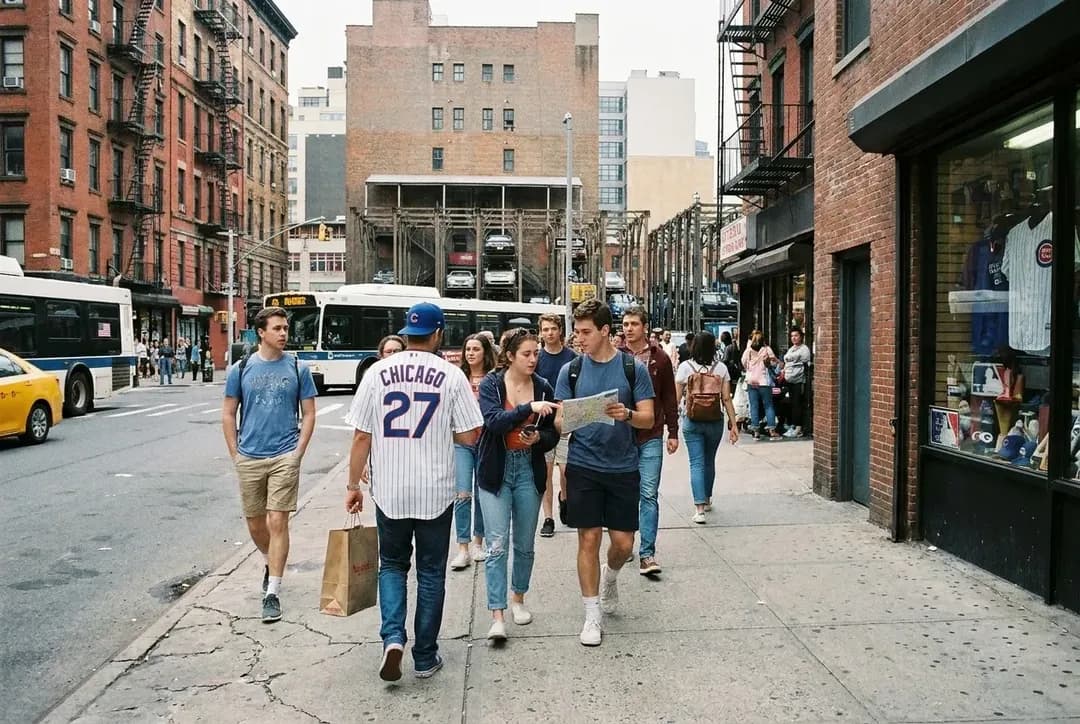
Seiya Suzuki Jersey Shopping: NYC Back-to-School Sports Gear Routes
Navigate Manhattan and Brooklyn retail districts to secure authentic Cubs merchandise while weighing price points against verification guarantees. Teen shoppers face choices between flagship convenience and neighborhood shop discovery.
As the school year approaches, teen sports fans across NYC face a familiar challenge: finding authentic team merchandise that balances budget constraints with the desire to represent their favorite players. For Cubs supporters seeking seiya suzuki jerseys and apparel, the city offers distinct shopping corridors spanning Manhattan's midtown retail zone and Brooklyn's emerging sports merchandise clusters. This route-planning guide examines the tradeoffs between official MLB retail locations and independent sporting goods stores, helping students and their companions navigate authentication concerns, return policy variations, and the practical realities of weekend shopping trips across borough lines. The decision isn't simply about finding any Cubs jersey—it's about understanding which retail environments offer verification steps that matter when you're investing birthday money or back-to-school budgets in gear you'll wear all semester.
Text Karpo your starting point, timing, group size, and priorities for a NYC plan tailored to this exact situation, with one realistic backup before you leave.
Midtown Manhattan Flagship District Versus Outer Borough Alternatives
The concentration of official MLB retail presence in midtown Manhattan creates a natural starting point for shoppers prioritizing authentication guarantees and comprehensive inventory. Flagship locations in this corridor typically maintain direct relationships with league licensing operations, which translates to structured return policies and staff trained in merchandise verification. However, this convenience comes with density challenges—weekend afternoon crowds compress into limited square footage, and price points reflect premium real estate costs. Teen shoppers navigating solo or with small friend groups should anticipate wait times for fitting rooms and checkout lines that extend shopping trips by thirty to forty-five minutes during peak August weekends.
Brooklyn's independent sporting goods retailers present a contrasting value proposition. These neighborhood shops often stock licensed merchandise at varied price tiers, though inventory depth for specific player jerseys fluctuates based on distributor relationships rather than direct league pipelines. The tradeoff becomes clear: potentially lower prices and more personalized service against the need for shoppers to perform their own authentication checks using hologram tags, stitching quality assessment, and official licensing label verification. For intermediate-level navigators comfortable with subway transfers, exploring both environments in a single afternoon provides comparative data that sharpens purchasing decisions.
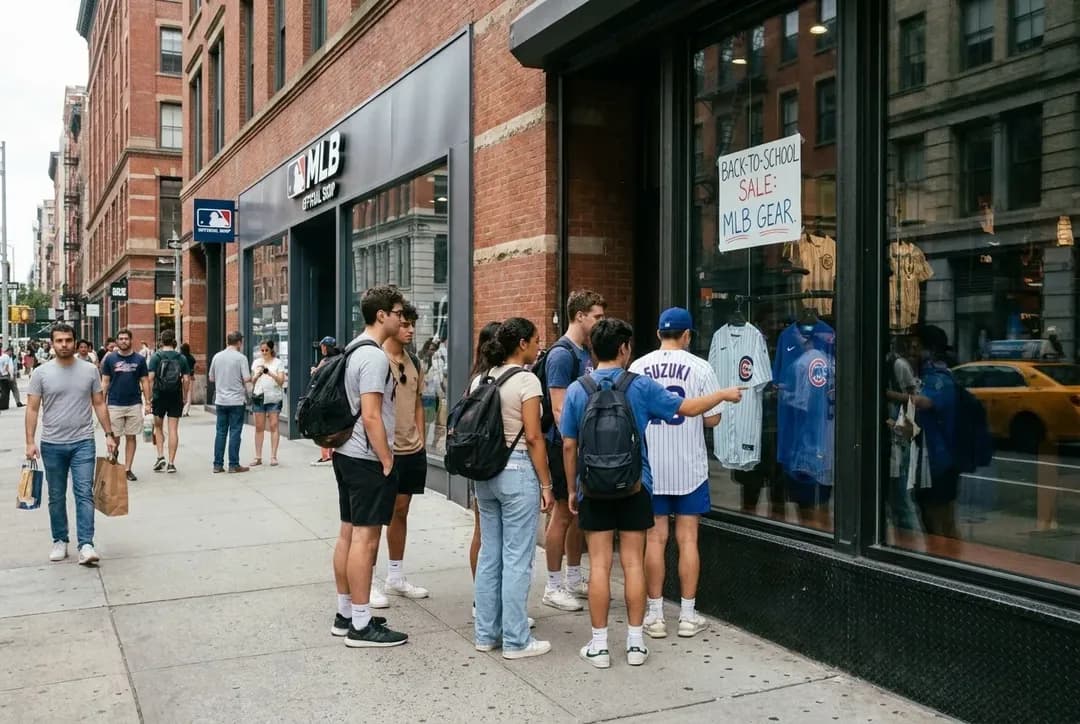
Authentication Markers That Matter for Licensed Apparel
Understanding physical verification steps transforms casual browsing into informed purchasing. Official MLB merchandise carries specific authentication elements: holographic stickers with unique serial numbers, sewn-on (rather than heat-pressed) logos for premium jerseys, and tags listing both the manufacturer and MLB Properties licensing information. Teen shoppers should examine stitching consistency around number and name applications—authentic jerseys show uniform thread tension without puckering or gaps. These checks take three to five minutes per garment but provide confidence that justifies higher price points, particularly when the gear represents a significant portion of back-to-school clothing budgets.
Independent retailers vary in their willingness to accommodate detailed inspection before purchase. Some neighborhood shops encourage examination and maintain lighting adequate for close review, while others operate with tighter floor space that makes extended inspection awkward. Shoppers benefit from developing a mental checklist before entering any store: locate the hologram, check the neck tag construction, photograph the licensing information for later verification if needed. This preparation suits the intermediate difficulty level of the shopping route, requiring more engagement than simply accepting merchandise at face value but stopping short of expert-level authentication that would demand manufacturer database cross-referencing.
Return Policy Structures Across Retail Categories
Official MLB retail locations typically enforce standardized return windows—commonly fourteen to thirty days with receipt and tags attached—that provide clear parameters for teen shoppers making independent purchasing decisions. These policies usually accommodate size exchanges without restocking fees, a practical consideration when buying jerseys that will layer over hoodies during fall semester. The structured approach reduces ambiguity but offers little flexibility for circumstances outside defined parameters, such as discovering fit issues after the return window or losing receipts during the chaos of school preparation.
Independent sporting goods stores operate with more variable policies, some offering store credit rather than refunds, others extending return periods for regular customers or reducing them for sale merchandise. This variability demands that shoppers explicitly confirm terms before completing transactions—a communication step that builds consumer literacy but adds complexity to what might otherwise be a quick purchase. For students shopping with friends, dividing responsibilities (one person handles payment logistics while another photographs policy signage) streamlines the verification process without extending store time significantly.
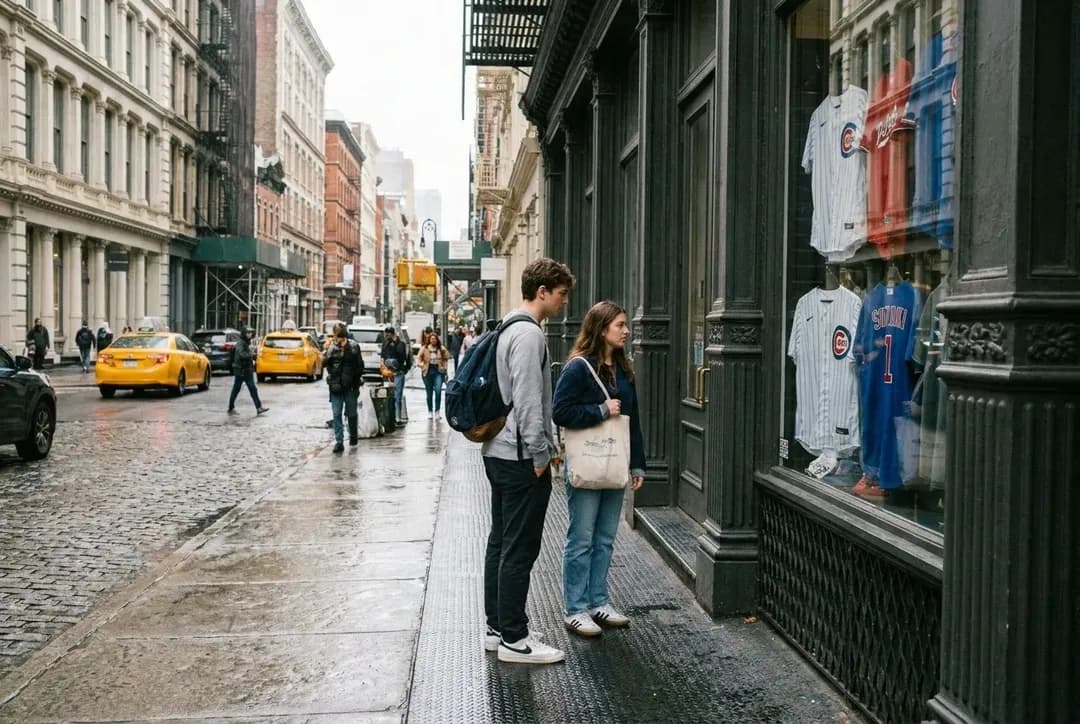
Cross-Borough Route Logistics Using Public Transit
Planning a multi-location shopping route requires understanding MTA service patterns that connect Manhattan retail districts with Brooklyn alternatives. Weekend schedules on major subway lines provide the backbone for efficient movement, though shoppers should build buffer time for service changes that the MTA announces through its alert systems. A typical route might begin in midtown Manhattan for flagship store reconnaissance, then continue via express subway service to Brooklyn neighborhoods where independent retailers cluster. The intermediate navigation challenge comes not from route complexity but from time management—allocating sufficient minutes at each location for thorough merchandise review while maintaining energy for the full afternoon.
Solo teen shoppers and small friend groups benefit from setting decision checkpoints rather than attempting to visit every possible location. A practical framework involves selecting two Manhattan locations and two Brooklyn alternatives, with predetermined criteria for making a purchase decision (specific price threshold, authentication confidence level, return policy acceptability). This structure prevents decision fatigue that can lead to impulse purchases or, conversely, analysis paralysis that ends the trip without acquiring needed gear. Carrying a charged phone for route adjustments and a small notebook for comparing prices across locations supports the methodical approach this shopping challenge rewards.
Timing Considerations for Peak Back-to-School Inventory
August weekend afternoons present both advantages and complications for sports merchandise shopping. Retailers stock back-to-school inventory aggressively during this window, increasing the likelihood of finding specific player jerseys in desired sizes. However, this same period draws maximum shopper volume, particularly in Manhattan districts where tourists compound local customer traffic. Teen shoppers gain advantage by targeting the earliest weekend afternoon hours—arriving as stores open rather than mid-afternoon—to access full inventory before popular sizes deplete and before crowds reach peak density.
The emotional component of showing team pride during the school year adds urgency that can work against careful decision-making. Eager shoppers may accept compromises (wrong size, higher price, questionable authentication) rather than extending the search or returning another weekend. Building a two-weekend contingency plan—using the first trip for reconnaissance and price comparison, reserving the second for final purchase—suits buyers who prioritize getting the right item over immediate acquisition. This approach particularly benefits those shopping solo, as it removes peer pressure to complete the purchase during the initial outing and allows time for budget recalculation or parent consultation if needed.
Tags: #NYCbacktoschoolshopping #sportsmerchandiseauthentication #CubsjerseyshoppingNYC #teenretailnavigation #ManhattanBrooklynshoppingroutes #MLBapparelstores #subwayshoppingtrips #licensedsportsgearverification
Sources consulted: Source 1: nycgovparks.org · Source 2: new.mta.info · Source 3: nypl.org · Source 4: a816-health.nyc.gov
All trademarks are the property of their respective owners.
Ask Karpo first
Ask Karpo to turn this NYC idea into a current plan for your date, budget, companion, transit preference, and energy level. Karpo can narrow the route and flag what to verify before you go.
Ask Karpo for more information.
Keep reading
- Salad Near Me in the West Village: Westville's Market-Table Vegetables
 Lunch Near Me in the Flatiron: S&P Runs a Classic Luncheonette Counter
 Coffee Near Me in the East Village: Abraço Is Standing-Room Only