Two Fan Cultures Define the World Cup Experience
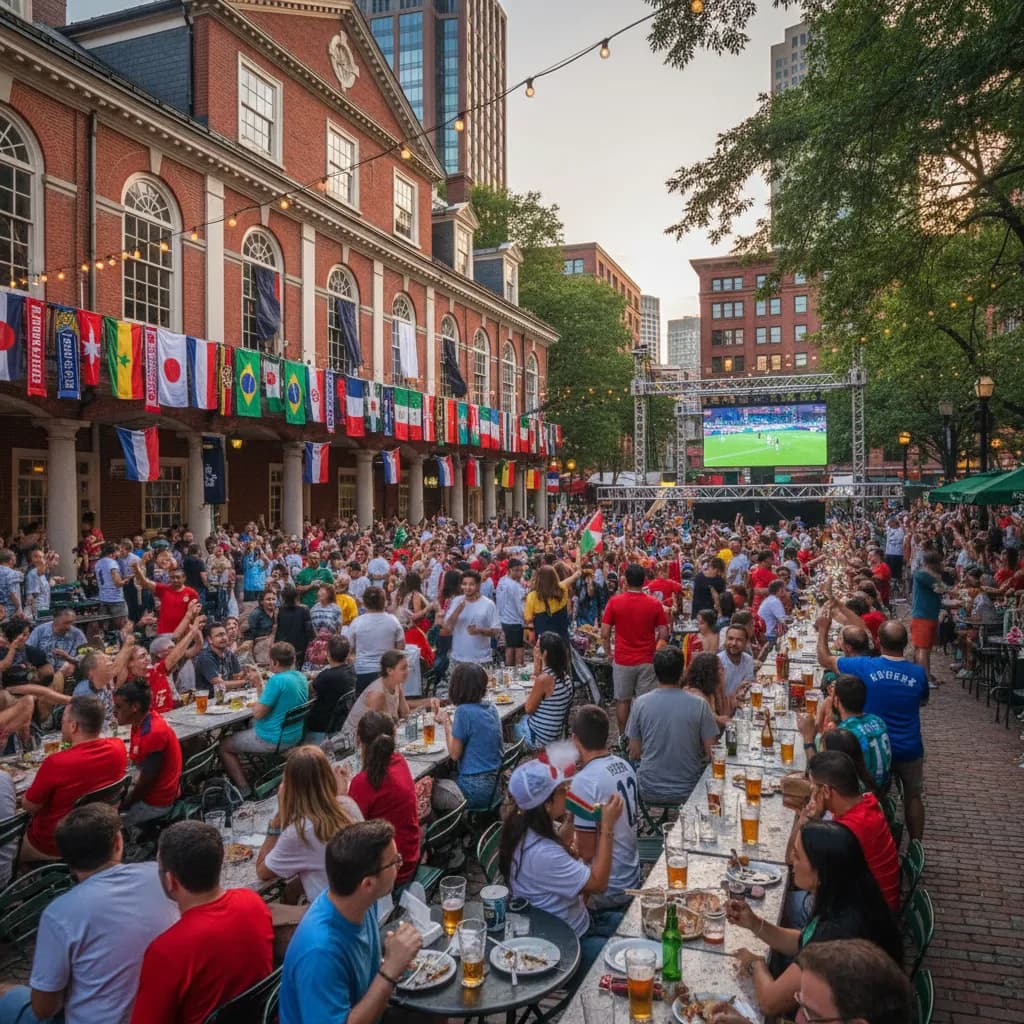
The 2026 World Cup has been described as a tournament of contrasts, and nowhere is that more evident than in the behavior of its fan communities. On one end of the spectrum, Scotland's Tartan Army descended on Boston with an enthusiasm for socializing that left multiple bars unable to serve beer by mid-afternoon. On the other end, Japanese supporters continued their tradition of staying behind after matches to collect litter, fold seat covers, and leave stadiums in better condition than they found them. Both behaviors have gone viral. Both have been celebrated. And together, they represent the extraordinary range of human expression that a World Cup inspires.
Love the fan culture stories? Text Karpo for more heartwarming fan moments, best atmosphere rankings, and World Cup culture highlights.
The Tartan Army Takes Boston
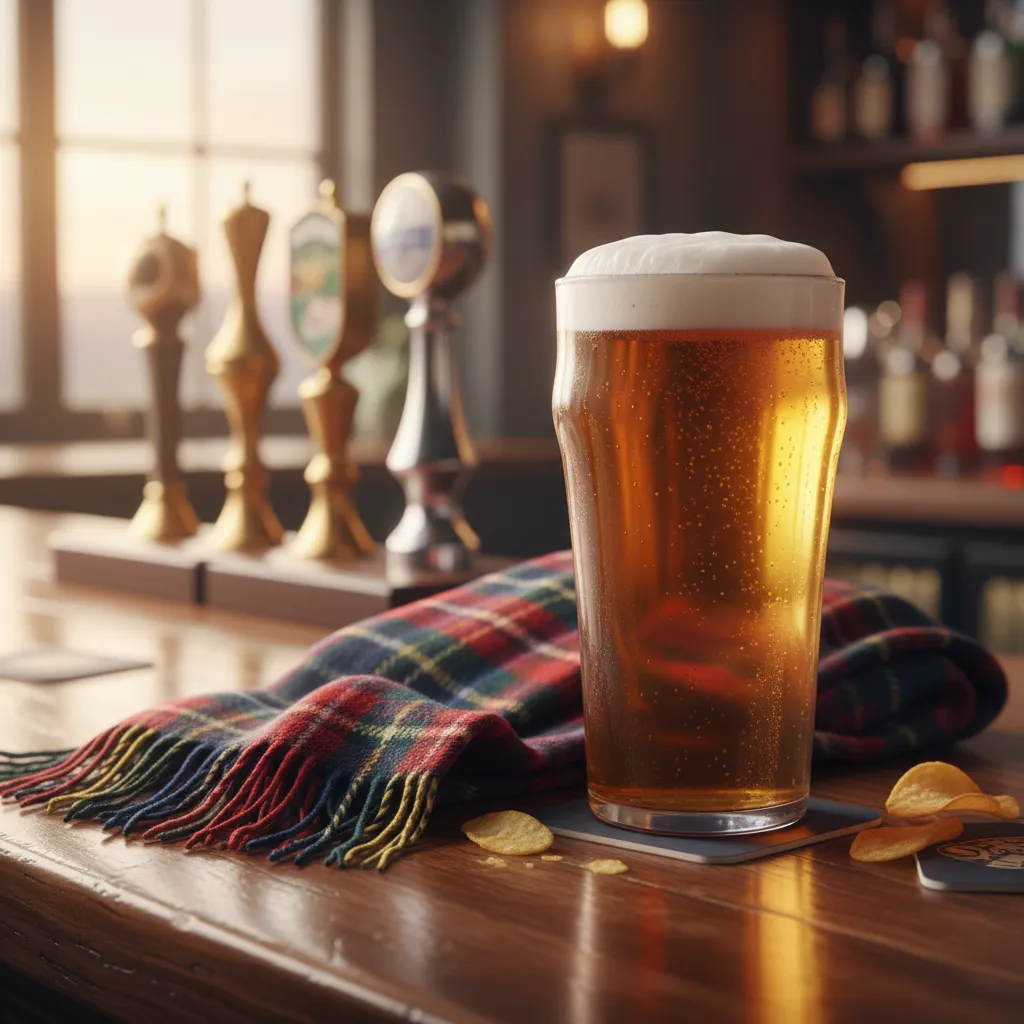
An estimated 45,000 Scottish fans traveled to Boston for Scotland's group-stage matches at Gillette Stadium in nearby Foxborough. The Scottish FA had warned fans about the differences between American and British drinking culture — specifically, the higher alcohol prices, stricter serving regulations, and earlier closing times in Massachusetts. The warnings were cheerfully ignored. On June 16, the day before Scotland's opening match against Costa Rica, Scottish fans consumed such volumes of beer in the Faneuil Hall district that three bars ran out of domestic beer by 3 PM and a fourth was forced to close entirely after running out of both beer and wine. The bar owners, far from complaining, described the experience as "the best day of business in 20 years."
Japan's Cleaning Tradition Continues
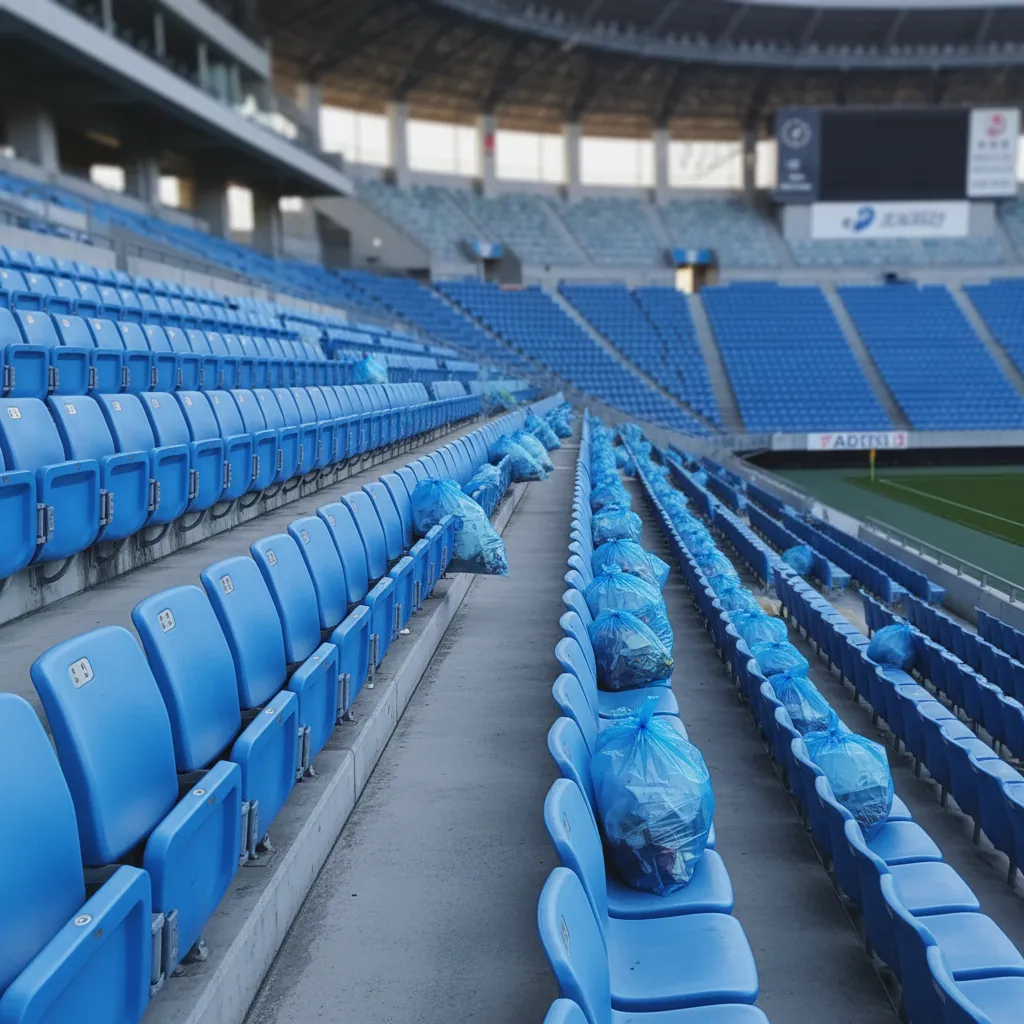
Japan's fan behavior at the 2026 World Cup has maintained the standard set at previous tournaments. After every Japan match — including their devastating Round of 16 defeat to Brazil — Japanese supporters have remained in the stadium for up to 30 minutes after the final whistle, methodically collecting litter, folding seat covers, and depositing everything in organized piles at designated collection points. The tradition, which gained global attention at the 2018 World Cup in Russia, has been adopted by some fans from other nations — Korean, Senegalese, and Mexican supporters have been photographed joining the cleanup at various venues.
The Economic Impact of Scotland's Thirsts
Boston's hospitality industry has quantified the Scottish economic impact with remarkable precision. According to the Greater Boston Convention and Visitors Bureau, Scottish fans spent an estimated $38 million in the Boston metropolitan area during the group stage — approximately $844 per fan per day, compared to the tournament average of $320. The spending was concentrated in bars, restaurants, and hotels, with Scottish fans showing a strong preference for establishments that stocked Scotch whisky and allowed communal singing. Several bars in the Financial District and Back Bay reported their highest single-day revenues in history during Scotland's group-stage matches.
The Cultural Meaning of Cleaning
Japanese fans' cleaning behavior is rooted in the concept of "souji" — a cultural practice that begins in Japanese elementary schools, where students clean their own classrooms at the end of each day. The practice teaches responsibility for shared spaces, respect for the labor of maintenance workers, and the idea that cleanliness is a form of social contribution. At the World Cup, the behavior carries additional significance: it represents Japan's national values on a global stage, creating positive associations with Japanese culture that extend beyond the football itself. FIFA's cleaning staff at multiple venues have publicly thanked Japanese supporters, with one cleaner at MetLife Stadium telling NHK: "In 20 years of working at events, I have never seen anything like it."
Social Media Contrast
The juxtaposition of Scottish and Japanese fan behavior has produced some of the tournament's most entertaining social media content. Side-by-side videos — one showing Scottish fans leading an entire bar in a rendition of "Flower of Scotland" at 11 AM, the other showing Japanese fans quietly collecting trash with blue garbage bags — have been viewed hundreds of millions of times. The contrast has been interpreted differently across cultures: Western audiences tend to celebrate both behaviors as expressions of national character, while East Asian audiences sometimes view the comparison as reinforcing stereotypes about Asian collectivism versus Western individualism. The truth, as always, is more nuanced than social media allows.
The Legacy Both Fan Groups Leave
Both Scotland and Japan were eliminated from the 2026 World Cup in the early stages, but their fans' legacies will outlast their teams' results. The Tartan Army's economic impact on Boston has prompted the city's tourism board to actively target Scottish fans for future sporting events. Japan's cleaning tradition has inspired FIFA to launch a "Clean Stadium Challenge" that encourages all fan groups to participate in post-match cleanup. In their different ways, both fan communities demonstrated that the World Cup experience extends far beyond the 90 minutes of football — and that the memories fans create in host cities can be as meaningful as anything that happens on the pitch.
Tags: Scotland fans, Japan fans, World Cup 2026, Boston, cleaning tradition, Tartan Army, fan culture, hospitality, souji, stadium cleanup
Sources consulted: BBC Sport · ESPN · The Guardian · NHK World
All trademarks, team names, league names, and player likenesses mentioned in this article are the property of their respective owners and are used here for informational and editorial purposes only.
Ask Karpo First
Planning your own World Cup fan experience? Ask Karpo for the best bars in each host city, fan zone locations, and how to participate in FIFA's Clean Stadium Challenge at upcoming matches.