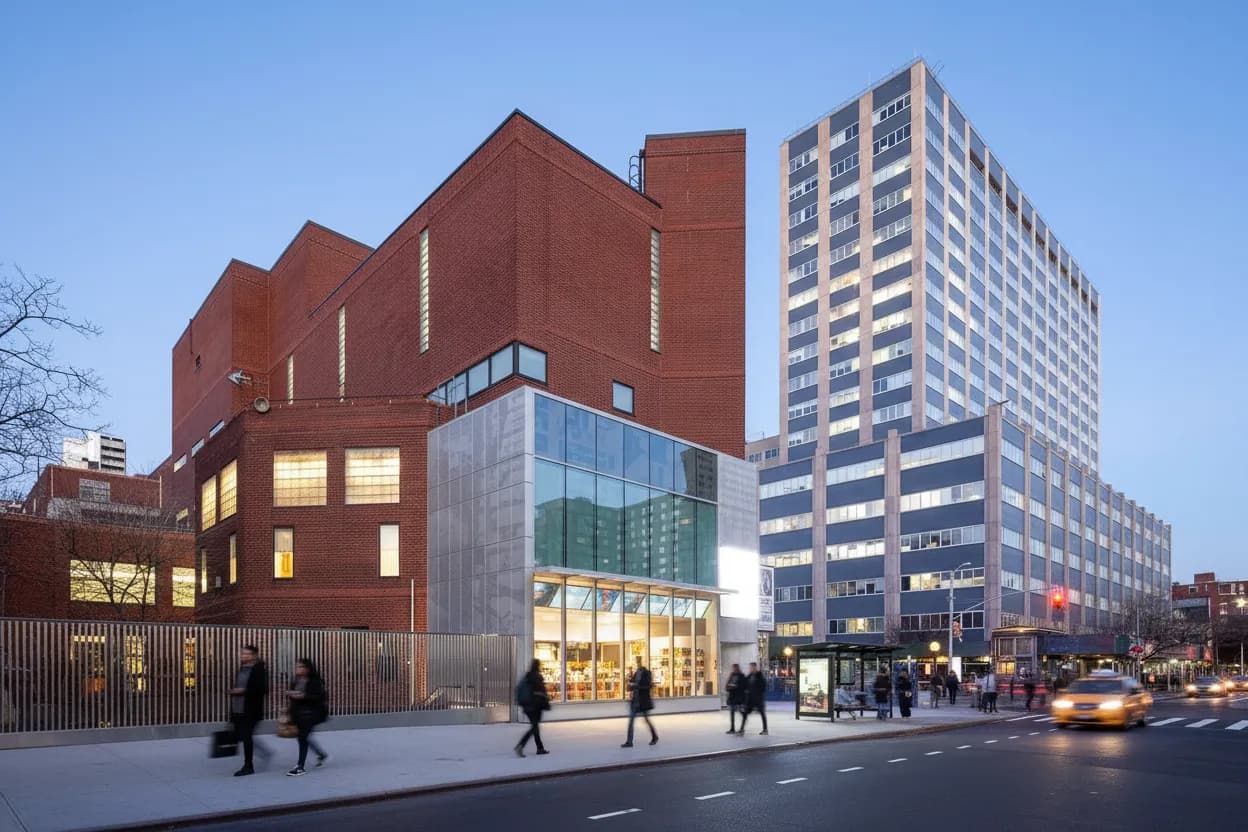
A July afternoon at the Schomburg Center can be more useful than another vague promise to “start researching soon.” For a New York high school student facing a fall history, literature, art, or culture assignment, the Harlem research library gives the project a real first shape: a topic, a catalog search, a question for staff, and a sense of what can be handled now versus later. The practical catch is that Schomburg is not a regular browse-and-borrow branch. It is an NYPL research center with public areas, exhibitions, research divisions, reading-room rules, and some appointment-dependent access, so the smart move is to plan the first visit as setup, not completion.
Want a cleaner before-school research plan with transit, timing, and backup stops checked first? Text Karpo with the assignment topic, deadline, and whether a parent is coming.
Set the Right Expectations for Schomburg Center for Research in Black Culture
The Schomburg Center sits at 515 Malcolm X Boulevard at 135th Street, and NYPL identifies it as one of its research libraries, not a circulating neighborhood branch. That matters for teens because the first win may be learning where a subject lives inside the collection rather than walking out with a stack of books. Treat the trip as a focused orientation: confirm the card, scan the Research Catalog, ask a starter question, and leave with sources to request or read next.
The fit is strongest for projects tied to African American, African Diasporic, African, Harlem, arts, literature, media, civil rights, migration, performance, or cultural history topics. It is less useful when the assignment only needs a quick biography, a current textbook chapter, or a quiet desk with no special research need. If the prompt is still broad, arrive with three possible angles and ask staff which one has the cleanest source trail for a teen timeline.
Card Setup Comes First
NYPL says New York State teens ages 13 to 17 who live, work, attend school, or pay property taxes in the state can apply online for a free library card, then verify information at an NYPL location. The library card page also says teens in that age range are not required to provide identification when verifying applications. That is useful, but a parent should still bring backup documentation if there is any uncertainty about address, school status, or application completion.
For research collections, NYPL’s research guidance says a library card is needed to request onsite appointments and access materials in person. Applying before leaving home keeps the visit from becoming paperwork-only. A temporary barcode can help with holds or research requests, but do not assume it unlocks every special collection workflow. If the online application stalls, make the visit about asking staff how to finish card setup and what to search from home.

Pick The First Research Task
The most productive teen visit starts with one answerable question, not a whole semester project. Instead of “Harlem Renaissance,” try “How did newspapers describe a specific Harlem cultural figure?” Instead of “Black theater,” try “What can I find about the American Negro Theatre?” Schomburg’s public research page points students toward divisions and staff-written research guides, so a narrow question helps decide whether to begin with reference books, periodicals, images, manuscripts, or digital collections.
Build a ninety-minute first pass. Spend the first fifteen minutes checking the card and orientation, twenty minutes searching the catalog or guides, thirty minutes reviewing available public materials or exhibitions, and the rest writing down citations, staff advice, and unresolved access questions. The failure mode is trying to see rare material without preparation. For July, success can simply mean leaving with a source list, a vocabulary list, and one follow-up appointment path.
Know What Needs An Appointment
NYPL’s Schomburg research page says the Jean Blackwell Hutson Research and Reference Division does not require an appointment, while other divisions require or recommend scheduling one. The Manuscripts, Archives and Rare Books Division is stricter: its page says walk-in collection access is not offered at this time and researchers must request an appointment through a Special Collections Account. That is the key planning split for teens who may need primary sources later.
Use the no-appointment parts for a first visit, then decide whether the project justifies a second, scheduled research day. If a classmate is coming, remember the Manuscripts page says appointments are for single researchers, and guests or assistants need their own seats. A parent can help with logistics, but should not assume they can sit inside every research appointment. When in doubt, email the division before promising a teacher primary-source access by a specific date.
Time The Harlem Trip
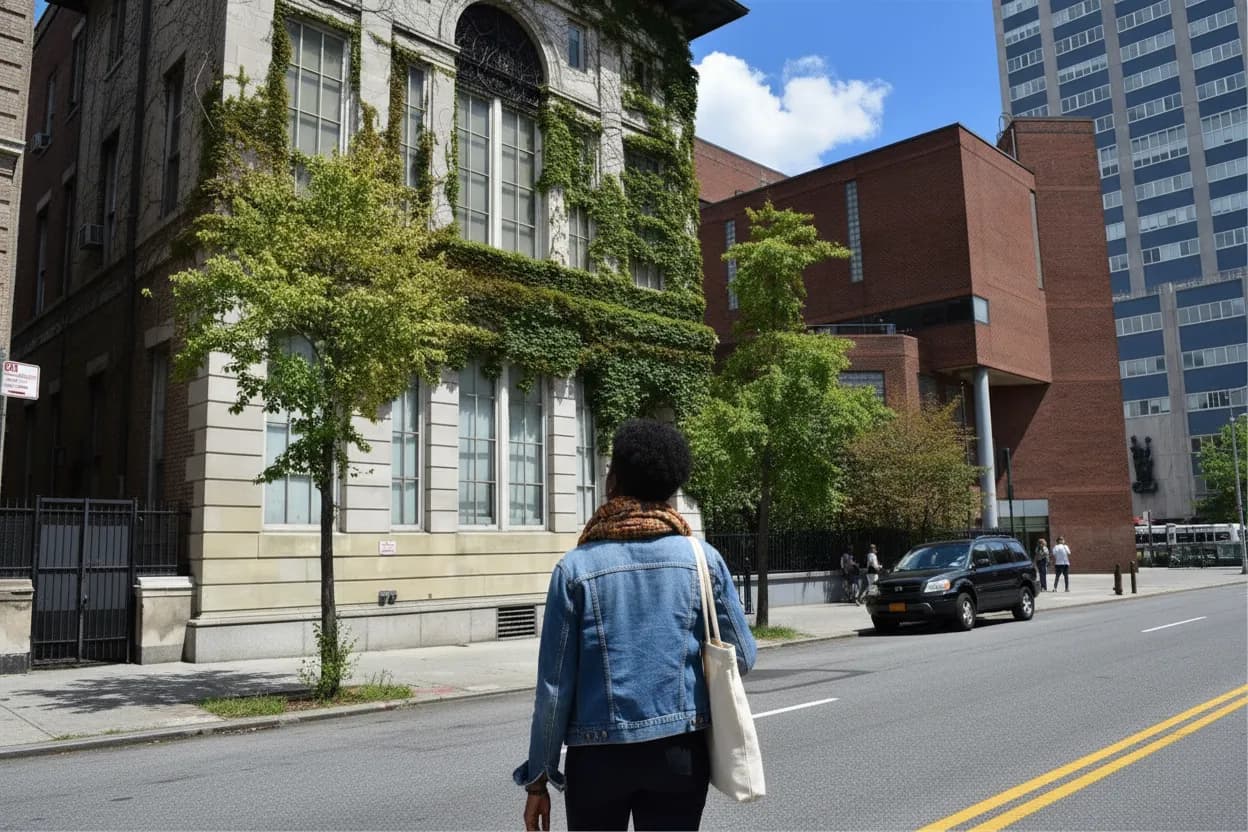
As of the opened NYPL location and research pages, the Schomburg Center’s regular building hours are listed as Monday through Saturday, 10 AM to 6 PM, with Sunday closed, while division hours vary. The research page notes most division reading rooms, including general Research and Reference, are open Tuesday through Friday. For a July weekday, aim for early afternoon so there is time to ask questions before closing pressure turns small delays into dead ends.
Do not plan around a Friday or holiday without checking again. The location page displayed current and upcoming hours, and the same page flags holiday closings and division-specific differences. A hot July afternoon is a good indoor use case, but weather is not the only variable. Transit delays, a forgotten library login, a full reading room, or a school deadline that requires citations in a specific format can all make a shorter visit feel rushed.
Access, Transit, And Rules
NYPL lists the Schomburg Center as fully accessible, and its about page says all facilities and entrances are wheelchair accessible. It also says American Sign Language interpretation is available for most events with at least two weeks’ advance notice. For research, accessibility still means checking the specific room, appointment, and material handling rules before arrival. Bring only what you need for note-taking, because research centers may require bags and coats to be checked before entering special reading rooms.
Transit is straightforward but still worth verifying day-of. The Schomburg sits by 135th Street on Malcolm X Boulevard, near the 135 Street subway area and bus service along Lenox/Malcolm X Boulevard; MTA Bus Time lists M7 and M102 service at Malcolm X Boulevard and West 135th Street. Use the MTA app or site for elevator status and delays before leaving, especially if step-free routing is necessary. If accessibility is essential, do not rely on memory.
What to verify for Schomburg Center for Research in Black Culture, 515 Malcolm X Boulevard, Harlem
The backup plan should be built before the teen leaves home. If the desired collection requires an appointment, use the visit to confirm the division, not to force access. If the card is unfinished, finish or troubleshoot the account. If the topic is too wide, ask for research guides and keywords. If the reading room is unavailable, use exhibitions, public seating, digital collections, and notes from staff to build the next step.
Final checklist for July 20, 2026: confirm Schomburg hours on NYPL’s location page; check whether the relevant division is open and appointment-free; apply for or renew the NYPL card; save your temporary barcode or login; search the Research Catalog before arrival; verify MTA route status; bring a charged device and assignment prompt; avoid prohibited e-bikes or e-scooters inside NYPL locations; and write down the source citation details before leaving.
Tags: #SchomburgCenter #Harlem #NYPL #BackToSchoolNYC #TeenResearch #HighSchoolResearch #BlackHistory #ResearchLibrary #NYCStudents #StudyPlan #AskKarpo #BeforeYouGo #NYCEducation #HarlemNYC
Sources consulted: Source 1: nypl.org · Source 2: nypl.org · Source 3: nypl.org · Source 4: nypl.org · Source 5: nypl.org · Source 6: bt.mta.info
All trademarks are the property of their respective owners.
Ask Karpo first
Tell Karpo your date, group size, budget, and starting neighborhood. We’ll check current access, timing, transit, and the cleanest plan for Schomburg Center for Research in Black Culture, 515 Malcolm X Boulevard, Harlem before you head out.