The studio doors start opening around noon on the second Friday of the month, and within an hour the sidewalks of 18th Street fill with people carrying gallery maps folded into back pockets. Pilsen's open studio tradition runs deep enough that first-timers following the crowd quickly learn the rhythm: ring the buzzer, climb the industrial stairwell, step into a converted loft where someone's life work lines the walls and the artist stands near the window with coffee going cold. The neighborhood's mural-covered blocks have drawn weekend wanderers for decades, but the studios—tucked above taquerias and brake shops—reveal a different layer entirely.
The Geography of Making Things
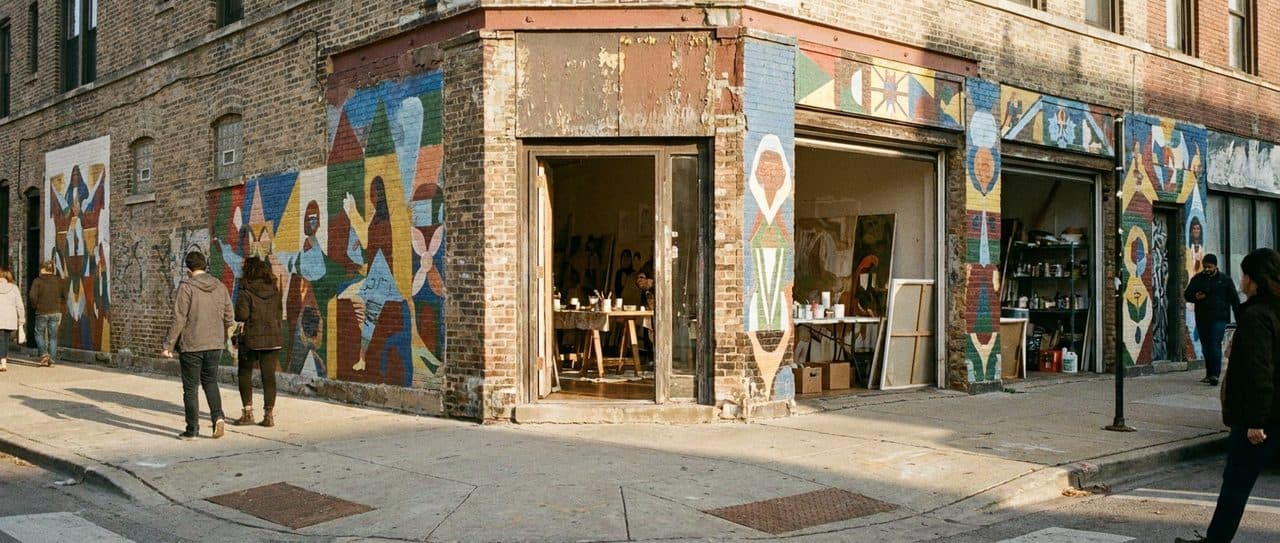
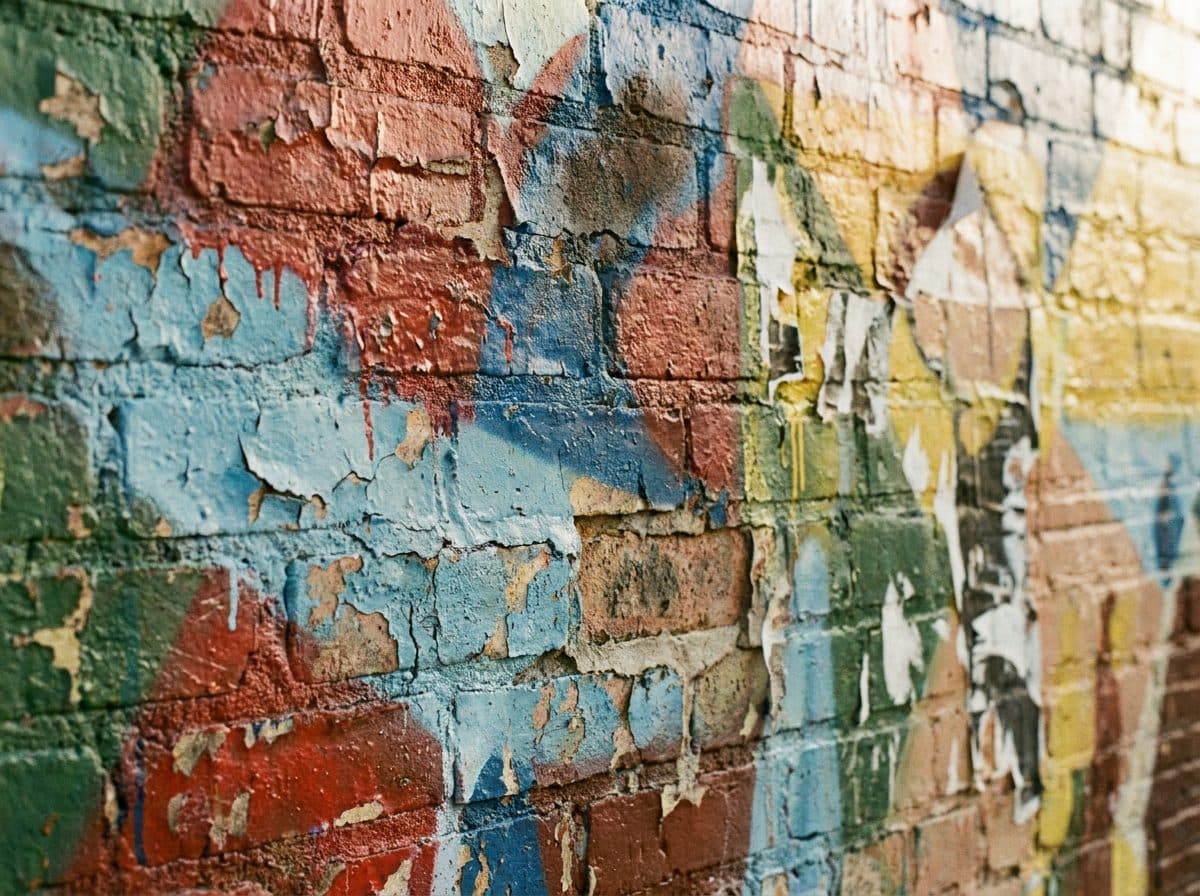
Pilsen sits just southwest of the Loop, bounded roughly by 16th Street to the north and the Chicago River's industrial bend to the east. The Pink Line cuts through the heart of it, depositing arrivals at 18th Street into a corridor where three-story brick buildings wear their history in peeling paint and fresh aerosol work. The neighborhood's Mexican-American cultural anchor remains strong despite shifting economics, and the arts infrastructure grew organically around it—not as a planned district but as the result of cheap square footage and a community that valued public-facing creativity. Walking west from the station, the density of murals increases: full building facades depicting Frida Kahlo, Aztec iconography, abstract geometry, and portraits of neighborhood elders who watched the transformation unfold.
The studios themselves cluster in a handful of buildings, most of them former industrial spaces with freight elevators and loading docks. The open studio events happen monthly during warmer months, less frequently when Chicago's winter makes the trek less appealing. Artists prop doors with paint cans or chunks of wood, and the unspoken protocol allows visitors to wander freely while respecting the fact that these are working spaces, not galleries with white walls and track lighting.
Inside the Collective Workspace
One building on the main drag houses a three-story warren of studios, each unit carved from what was once a garment factory floor. The hallways smell like turpentine and coffee, and the sound of a table saw drifts from somewhere on the second level. The first studio on the left belongs to a printmaker whose editions cover every available surface—test prints tacked to the walls, finished pieces in flat files, a centuries-old press occupying the center of the room like a piece of sculpture. The artist explains the process to a couple examining a linocut, her hands still ink-stained from the morning's work.
Two doors down, a painter works on a large canvas while visitors circulate behind him. The unfinished quality of the scene—the artist mid-stroke, the smell of linseed oil, the scattered tubes of paint—makes the usual gallery distance collapse. People speak quietly, aware they're inside someone's actual workplace. A small table near the door displays price sheets and business cards, the commercial transaction acknowledged but not centered. The light coming through the factory windows shifts as afternoon progresses, and the artist pauses to adjust the angle of his easel, unbothered by the strangers moving through his space.
The Café That Holds the Center
A few blocks south, a collectively-run café operates out of a corner storefront with mismatched furniture and a chalkboard menu that changes based on who's working that day. The space functions as unofficial headquarters for the neighborhood's creative class—a place where studio artists grab lunch, organizers plan mural projects, and residents treat the long communal table as an extension of their living rooms. The coffee comes from a local roaster, and the food skews toward accessible comfort: tamales from a nearby vendor, sandwiches assembled with care, pastries that disappear by mid-morning on weekends.
The collective model means the staff rotates, and regulars learn to recognize who's behind the counter by their approach to the espresso machine. One member pulls shots with meticulous precision, another chats through the entire process, and the vibe shifts accordingly. The walls display rotating work from neighborhood artists, sold on consignment with a percentage going back to the café's operating fund. On open studio days, the café swells with foot traffic—people consulting maps, comparing notes on which studios to hit next, or simply sitting with the satisfaction of having discovered something that feels genuinely local rather than staged for visitors.
The Mural Circuit and Its Unwritten Map
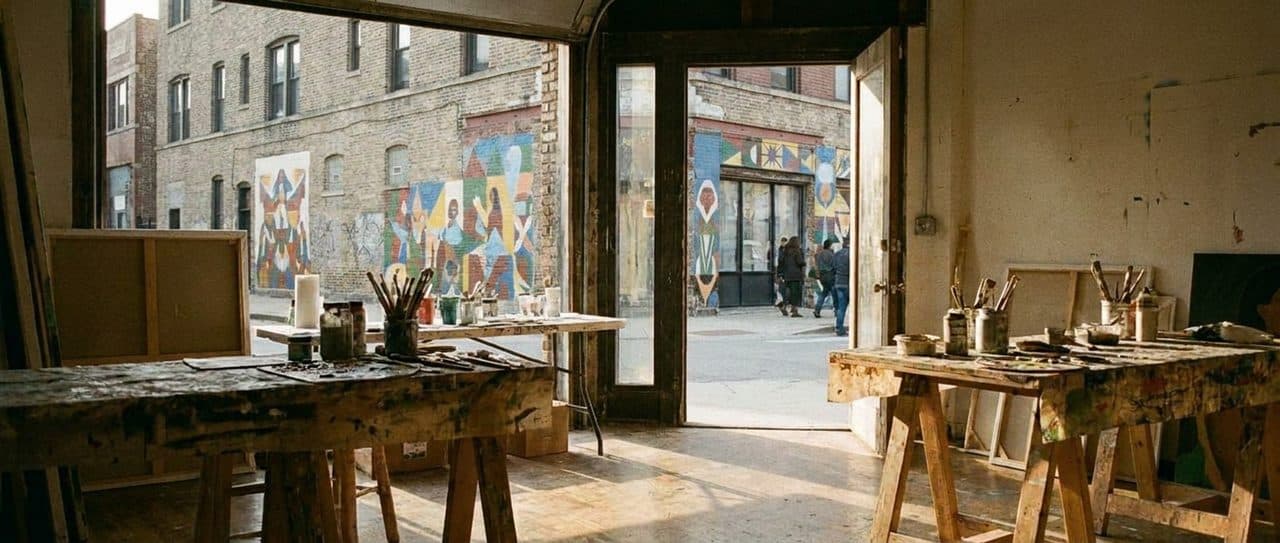
The neighborhood's mural density makes navigation intuitive: follow the color. The most famous pieces anchor intersections and draw the Instagram crowd, but the deeper collection reveals itself to those willing to walk the residential blocks. Alleyways hold some of the most striking work, painted on garage doors and retaining walls where only neighbors and delivery drivers see them daily. A massive piece covering an entire school facade depicts students and teachers as larger-than-life figures, the faces recognizable to anyone who's spent time in the area.
The murals function as both art and civic infrastructure—beautification and territorial marking, cultural preservation and contemporary commentary. Some pieces have stood for twenty years, their colors fading to pastels. Others arrive overnight, the scent of fresh paint still hanging in the air when the morning commute begins. The relationship between studio artists and muralists isn't always neat—different skill sets, different economics—but Pilsen holds space for both, and the open studio events pull them into the same weekend ecosystem.
When the Neighborhood Gathers
On weekends when major soccer matches air, the cafés and restaurants fill with a different energy. The Mexican national team's games draw crowds that spill onto sidewalks, and the collective pride in the neighborhood's cultural identity becomes palpable. The same murals that tourists photograph during the day become backdrops for impromptu celebrations, and the streets take on the feeling of a public plaza. The artists who live and work here are part of that fabric, not separate from it—many of them grew up in Pilsen or nearby neighborhoods, and their work reflects that embedded perspective.
The timing matters: arriving mid-afternoon on an open studio day means catching artists before fatigue sets in but after the initial rush. The light in the studios improves as the day progresses, and the crowds thin enough that conversations happen more naturally. Those who linger until early evening sometimes catch the shift when artists start closing up, the ritual of covering canvases and locking doors revealing the discipline behind the creative mythology.
Practical Notes
The Pink Line's 18th Street stop sits at the heart of the action, a short walk to both the main mural corridor and the studio buildings. Open studio events typically run from noon to 6 PM on designated Fridays and Saturdays—checking the Pilsen Arts Community website or social media channels confirms the current schedule, as timing shifts seasonally. Most studios welcome walk-ins during open hours, though some artists request that visitors ring the buzzer rather than walking directly into ground-floor spaces. The collective café keeps irregular hours that trend toward late morning through early evening, with weekend hours extending longer. Street parking exists but fills quickly on event days; the Pink Line avoids that hassle entirely. Comfortable walking shoes matter more than any other preparation—the neighborhood rewards those willing to cover ground on foot.
Tags: #PilsenChicago #OpenStudioWeekend #ChicagoMurals #ArtistStudios #PilsenArts #ChicagoNeighborhoods #CommunityArt #CollectiveCafe #PinkLineChicago #StudioVisit #MuralWalk #ChicagoCreatives #PilsenCulture #WorkingArtists #LocalChicago
Sources consulted: timeout.com · secretnyc.co · thrillist.com
All trademarks are the property of their respective owners.
Ask Karpo first
Want to know which Pilsen studios welcome drop-ins and when the next mural goes up?
Ask Karpo for the Saturday studio schedule and the café's artist talk calendar before you head out.