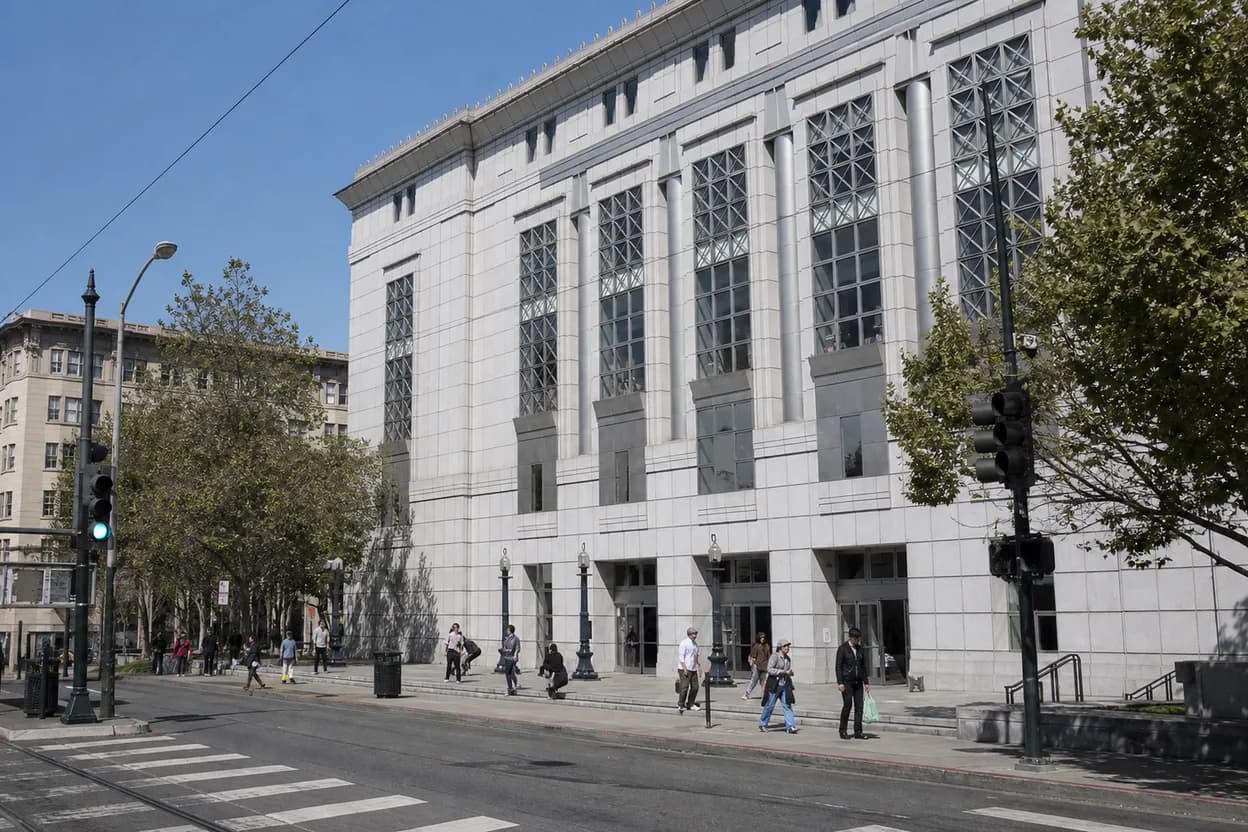
For San Francisco students seeing scott eastwood trend during the back-to-school rush, the Main Library at 100 Larkin Street is a stronger starting point than a social feed. SFPL lists Thursday hours as 9 a.m. to 8 p.m., which makes an after-school visit realistic on Thursday, August 6, 2026, if you verify the live location page before leaving. The goal is not to chase rumors; it is to build a clean film-research trail using the catalog, eLibrary, film databases, streaming access, and librarian help. Bring a classmate, split the search work, and leave with sources you can cite rather than tabs you cannot defend.
Want the tightest after-school route through Civic Center sources? Text Karpo for a San Francisco checklist that turns Scott Eastwood searches into catalog records, critic citations, and backup links.

Start at 100 Larkin Street With SFPL Hours Open
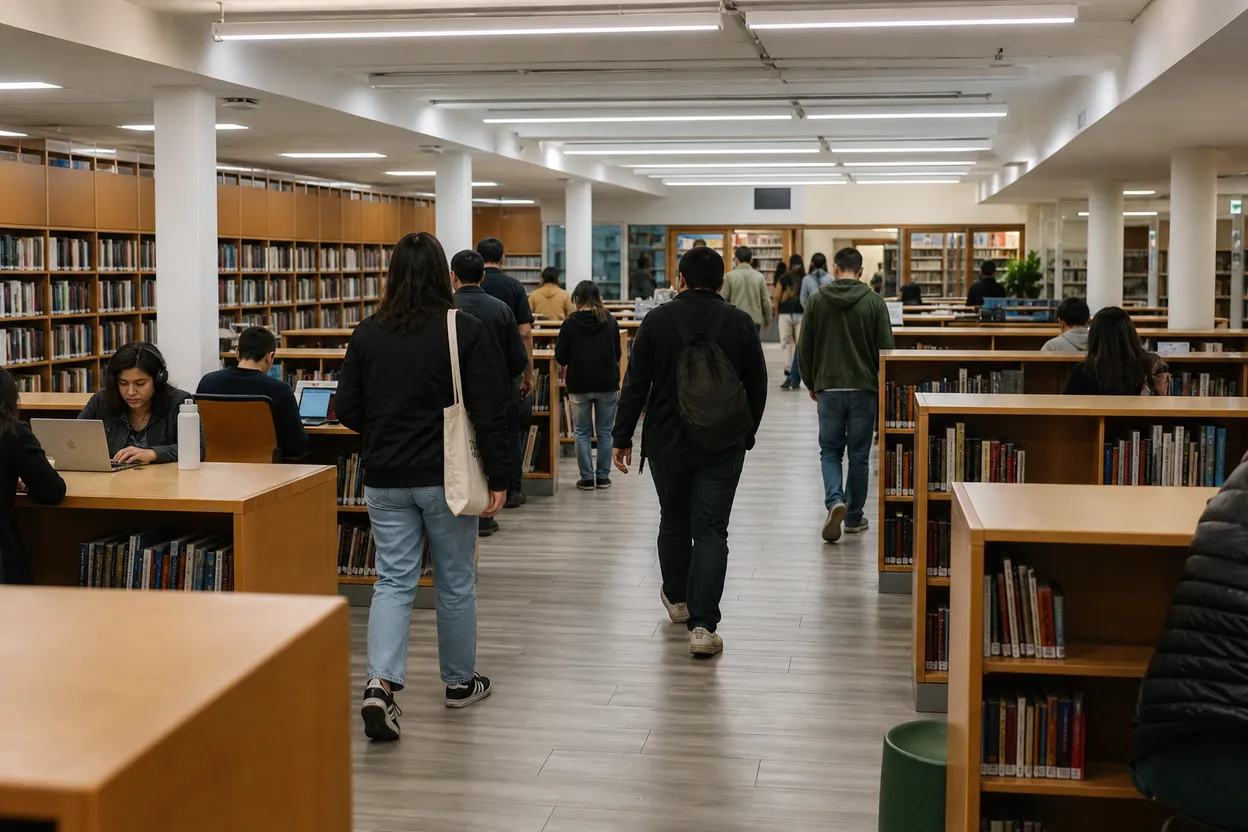
Main Library is listed by SFPL at 100 Larkin Street, with public phone service at 415-557-4400 and Thursday hours posted as 9 a.m. to 8 p.m. That gives enough room for a focused after-school session, but it is still a changing fact. Check the live Main Library page the same day, because hours, closures, or events can shift before a school project deadline.
Treat the first ten minutes as orientation, not searching. Decide whether you need actor biography, filmography, reviews, industry coverage, or streaming access, then write the question in one sentence. A classmate can check the catalog while you check databases, which keeps the session easy. The tradeoff is that splitting too broadly creates messy notes, so agree on citation format before either person opens sources.
Use Civic Center Station or the 19 Polk as the Transit Anchor
SFPL's accessibility policy identifies Civic Center as the closest accessible BART station and names the 19 Polk as an accessible Muni line serving the Main Library location. That is enough for planning, not enough for timing. Before leaving school, check your transit app or agency alerts for real-time disruptions, platform notices, and elevator status, especially if you or your classmate depend on step-free access.
If transit looks unreliable, switch the order instead of canceling the research. Start remotely with SFPL's eLibrary page, save database links, and move the in-person portion to the next open block. The failure mode is arriving near closing with no time to ask staff for help. Build in a 30-minute buffer so a missed train does not turn the project into a rushed search.
Open the SFPL Catalog Before Searching Social Posts
The Main Library page includes a search box for books, movies, articles, databases, and site content. Use that as the first structured pass for Scott Eastwood material, because catalog records identify titles, formats, availability, and library-controlled metadata. Search the actor name, then search individual film titles you already know. Do not assume every movie is streamable, circulating, or currently on shelf until the catalog record confirms it.
A practical split works well here: one student searches by person and film title, while the other logs exact record names, formats, and availability notes. If a record is missing or checked out, mark it as unavailable rather than filling the gap from a fan summary. The backup is to ask a librarian which database or interlibrary path best fits the assignment's deadline and citation rules.
Check Kanopy Movies for Viewable Film Evidence
SFPL's eVideos page points users to movies and TV resources, including Alexander Street, Hoopla Digital, Kanopy Movies, Kanopy Kids, SFPL-created videos, and Blu-rays and DVDs at library locations. Its Kanopy note says users can stream features and documentaries through the Kanopy mobile app or online at kanopy.com/en/sfpl. Search directly after logging in, then record only what your account currently shows.
Kanopy is useful when you need scene-level evidence, not just a plot recap. If a Scott Eastwood film is available, note the title, access date, and relevant timestamp range for your own analysis. If it is not available, do not force the plan. Use Kanopy for comparable films, director context, genre background, or criticism-adjacent documentaries, then return to databases for the actor-specific evidence.
Pull Film and Television Literature Index Citations
SFPL's Articles and Databases listings include Film and Television Literature Index with Full Text, described as covering film and television theory, preservation, restoration, screenwriting, production, cinematography, technical aspects, and reviews. The listing says coverage begins in 1914 and includes more than 380 publications, full text for more than 120 journals, and 100 books, making it stronger than short entertainment blurbs for a school citation trail.
Expect uneven results. A contemporary actor may have fewer scholarly hits than older film subjects, and databases may index reviews without giving every article full text. When a search returns little, widen carefully: look for trade coverage, review essays, or film-title discussions where the actor is part of a larger production question. The decision guide is simple: cite what the database actually provides and label gaps honestly.
Ask Main Library Desks Before Booking Meeting Rooms
SFPL describes the Main Library as a resource center for the system, with large collections, programs, exhibits, and specialized research collections. For a film assignment, that matters because staff can redirect a weak keyword search toward stronger tools. Bring your assignment prompt, school citation style, account problem, and any blocked database screen. A librarian can usually help faster when the question is specific and the deadline is visible.
If you planned a group work session, know the room limits first. SFPL's Main Library meeting-room page lists several wheelchair-accessible rooms and identifies meeting rooms by floor, but public room use is not the same thing as a guaranteed same-day study table. For two students, use regular public study areas, keep voices low, and switch to remote collaboration if seating is full or a floor is busy.
Verify Library Card Access, Captions, and Saved Source Links
SFPL card guidance says California residents can apply online, then present valid photo ID in person at an SFPL location to receive a card; it also notes special access cards, including Scholar Cards for eligible San Francisco students. If your login fails, do not guess the PIN repeatedly. Use SFPL's reset path or ask staff, because database access depends on a working card, password, and current borrower status.
For accessibility, SFPL lists services including accessible entrances at Main Library, accommodation contacts, assistive listening for Koret Auditorium, alternative-format requests, and transit details for Civic Center BART and the 19 Polk. Ask staff if you need magnification, captioned viewing support, or a quieter research setup. Before submitting anything, reopen SFPL's Main Library, eVideos, database, and Kanopy pages on August 6, 2026, and confirm every cited access note still matches.
Tags: #SanFrancisco #SFPL #MainLibrary #CivicCenter #ScottEastwood #FilmResearch #BackToSchool #StudentResearch #Kanopy #LibraryCard #PublicTransit #Accessibility #AskKarpo #BeforeYouGo
Sources consulted: Source 1: sfpl.org · Source 2: sfpl.org · Source 3: sfpl.org · Source 4: sfpl.org · Source 5: sfpl.org · Source 6: bart.gov
All trademarks are the property of their respective owners.
Ask Karpo first
Tell Karpo your date, group size, budget, and starting point. We’ll check current access, timing, transit, and the cleanest San Francisco plan for San Francisco Public Library, Main Branch before you head out.