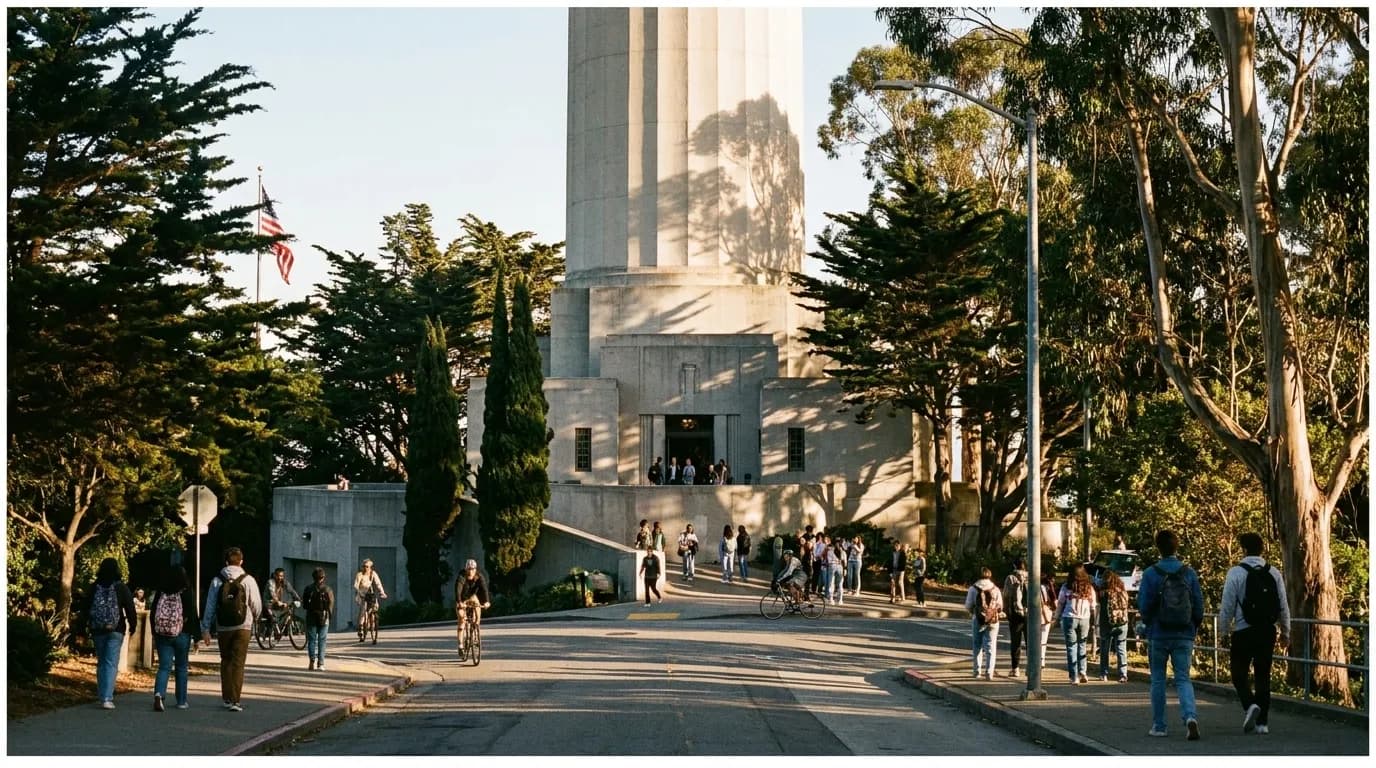
San Francisco is a city of layers, where familiar routes often hide overlooked details. The phrase "the end of Oak Street" might conjure images of a specific locale, but in a city as dynamic as San Francisco, it also prompts a broader reflection on how we observe and question our surroundings. For those gathering with friends after work, perhaps on a sunny afternoon, seeking a low-difficulty way to reconnect with the city before the back-to-school rush, this western stretch of the city offers a rich tapestry for observation. It’s a chance to consider not just where a street ends, but what begins there: new perspectives, fresh questions, and a deeper appreciation for the urban fabric.
Ready to explore the city with new eyes? Plan your next urban discovery adventure.

From Urban Thoroughfare to Coastal Outlook
Oak Street serves as a significant artery, carrying traffic from the heart of the city westward. As it approaches its terminus, the urban grid begins to soften, giving way to the expansive green spaces that define the western edge of San Francisco. This transition point, around the end of Oak Street, is more than just a geographic marker; it's a pivot from the dense urban environment to the more open, natural landscapes of Golden Gate Park and beyond. For friends looking to unwind and engage in conversation, observing this shift offers a subtle yet profound insight into San Francisco's unique blend of urban planning and natural preservation.
Consider the architectural changes, the varying densities of pedestrian and vehicle traffic, and the way light interacts with the buildings and trees as you move west. These observations can spark discussions about city development, the importance of green spaces, and how urban design influences daily life. It’s a low-difficulty way to engage with the city's narrative, perfect for a curious group of friends on a sunny day, perhaps with the back-to-school season prompting a desire for thoughtful reflection before the academic year fully commences.

Golden Gate Park: A Backyard for Inquiry
Adjacent to where Oak Street concludes its journey, Golden Gate Park unfurls its vast landscapes. This iconic park, managed by SF Recreation and Parks, is not merely a recreational area but a living laboratory for those keen to ask better questions about urban ecology, public space, and community. Its numerous gardens, museums, and open fields provide countless opportunities for observation. Instead of just passing through, try pausing to notice the details: the variety of plant life, the design of the pathways, or the interactions between different groups of park-goers. What stories do these elements tell about San Francisco?
For friends seeking a relaxed, after-work activity, the park offers a serene backdrop for conversation and contemplation. Public access is excellent, with numerous entry points and well-maintained paths. The park's sheer size means there are always new corners to discover, ensuring that repeat visits yield fresh insights. Even a short walk can be an enriching experience, prompting discussions about the park's history, its role in the city, and its future. The weather is often pleasant, especially in the late afternoon, making it an ideal setting for a low-difficulty exploration.
Transit and Accessibility: Navigating the Western Reaches
Reaching the western end of Oak Street and the surrounding areas, including Golden Gate Park, is straightforward thanks to San Francisco's robust public transit network, managed by SFMTA. Numerous Muni bus lines serve this part of the city, offering convenient access from various neighborhoods. Checking the SFMTA website or app for the most current routes and schedules is always recommended, especially if you're meeting friends after work and aiming for a specific time. Public access to Golden Gate Park itself is excellent, with multiple entrances and accessible pathways, though some areas within the park may present varying degrees of challenge.
For those considering a visit, thinking about transit checks in advance can save time and enhance the experience. The weather in this part of San Francisco can be notoriously variable, even on a sunny day, with fog often rolling in unexpectedly, so dressing in layers is a wise choice. Accessibility questions are important; while many main thoroughfares and park paths are accessible, some of the more natural or less-trafficked areas might be less so. Always consider the needs of all companions when planning your route and activities.
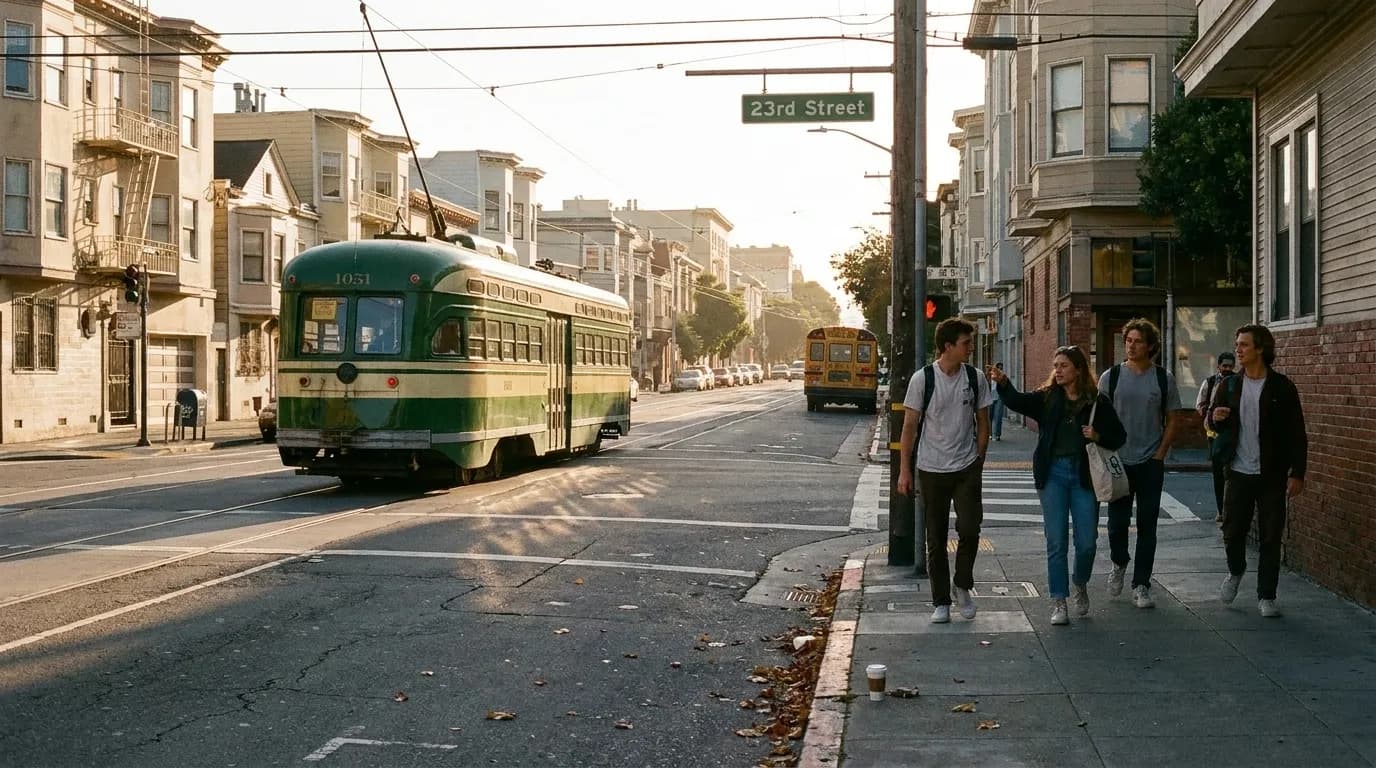
The Richmond and Sunset Districts: Beyond the Terminus
While "the end of Oak Street" marks a specific point, it also serves as a gateway to the broader Richmond and Sunset Districts. These neighborhoods, extending towards the Pacific Ocean, offer a distinctly different urban character from the city's more central areas. They are known for their vibrant local businesses, diverse culinary scenes, and proximity to natural attractions like Ocean Beach and the Presidio. For friends who've explored the park and still have energy, these districts provide a realistic nearby fallback for further discovery.
Exploring these neighborhoods can deepen one's understanding of San Francisco's cultural mosaic. From observing the unique architecture to sampling local eateries, there are countless ways to engage. This area encourages a curious mindset, prompting questions about community identity, historical development, and the interplay between urban life and the natural environment. It's a low-difficulty way to extend an after-work outing, offering a more casual and local experience compared to the city's more tourist-heavy spots, perfect for a thoughtful, back-to-school-season exploration.
Practical notes
When planning an outing to the western edge of San Francisco, particularly around the end of Oak Street and into Golden Gate Park, remember to check the local weather forecast. San Francisco's microclimates mean conditions can change rapidly, with sunny skies giving way to fog, especially closer to the ocean. Dressing in layers is always advisable. For transit, the SFMTA website is your best resource for up-to-date routes and schedules, ensuring a smooth journey for you and your friends. Public access to Golden Gate Park is extensive, but if you have specific accessibility concerns, reviewing park maps or contacting SF Recreation and Parks directly can help you plan the most suitable route. Consider the time of day: after-work hours offer beautiful light and a more relaxed atmosphere. If the weather turns or you're looking for a change of pace, the nearby Richmond and Sunset Districts offer numerous cafes and shops as a realistic fallback, providing opportunities for continued conversation and observation in a different setting. This area is generally low-difficulty for exploration, making it ideal for a relaxed group outing.
Tags: #SanFrancisco #OakStreet #GoldenGatePark #CityExploration #UrbanDiscovery #BackToSchool #FriendsGathering #SFMuni #SFRecPark #Curiosity #AfterWork #LowDifficulty #SunnyDay #CityPlanning #NeighborhoodVibes
Sources consulted: San Francisco Travel · SFMTA · SF Recreation and Parks
All trademarks are the property of their respective owners.
Ask Karpo first
What are your favorite hidden gems or overlooked details in San Francisco's western neighborhoods that spark your curiosity?


