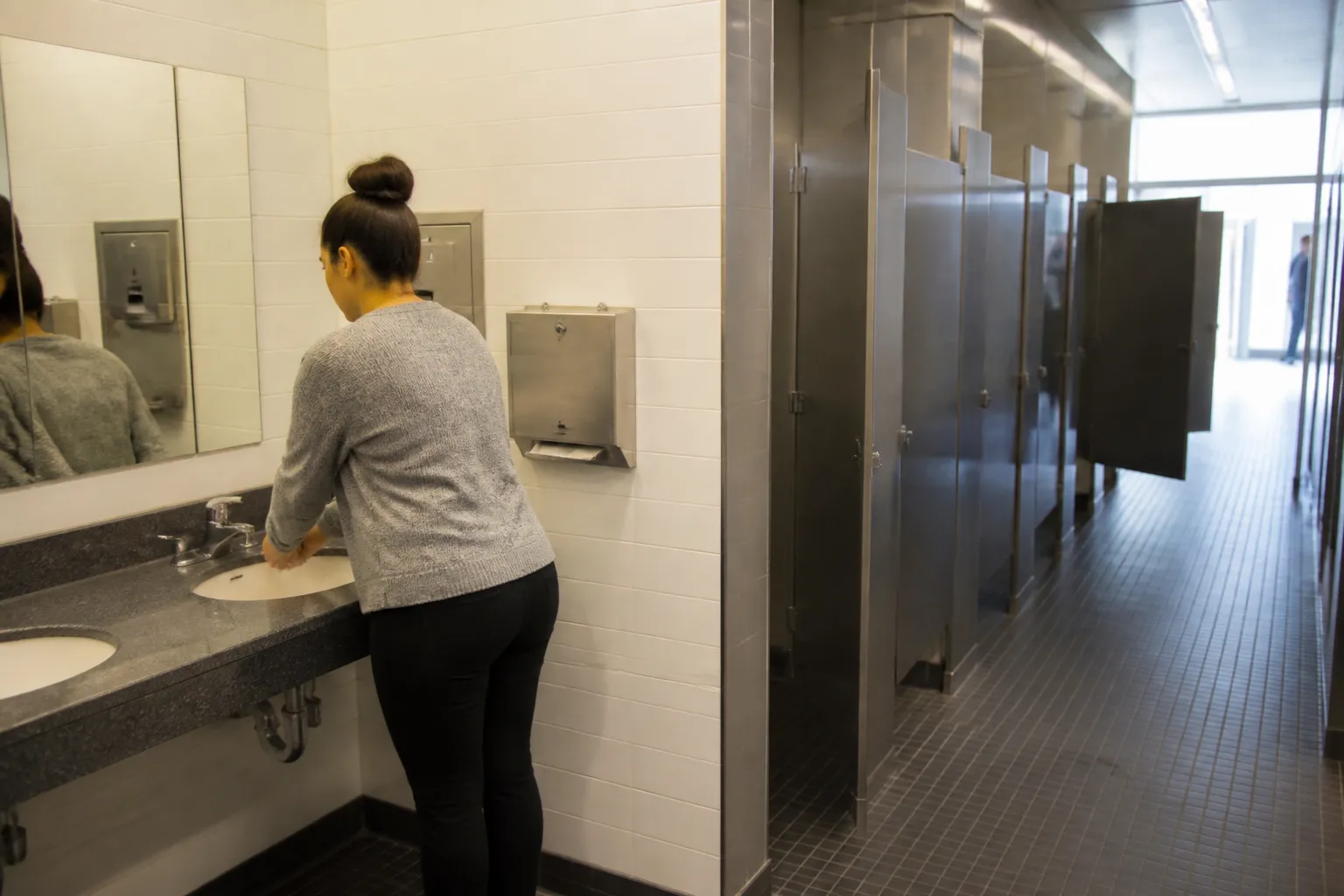
When you need a restroom in San Francisco, the best first move is to search live and think in terms of route, not just distance. A place that looks close on a map may be on the wrong side of a hill, across a busy intersection, or inside a building you cannot enter quickly. If you are standing in SoMa, the Financial District, or near a transit corridor, a slightly farther restroom in the direction you are already heading is often the better choice than one that requires a detour up a steep block.
Check the nearest live option before you leave your block.
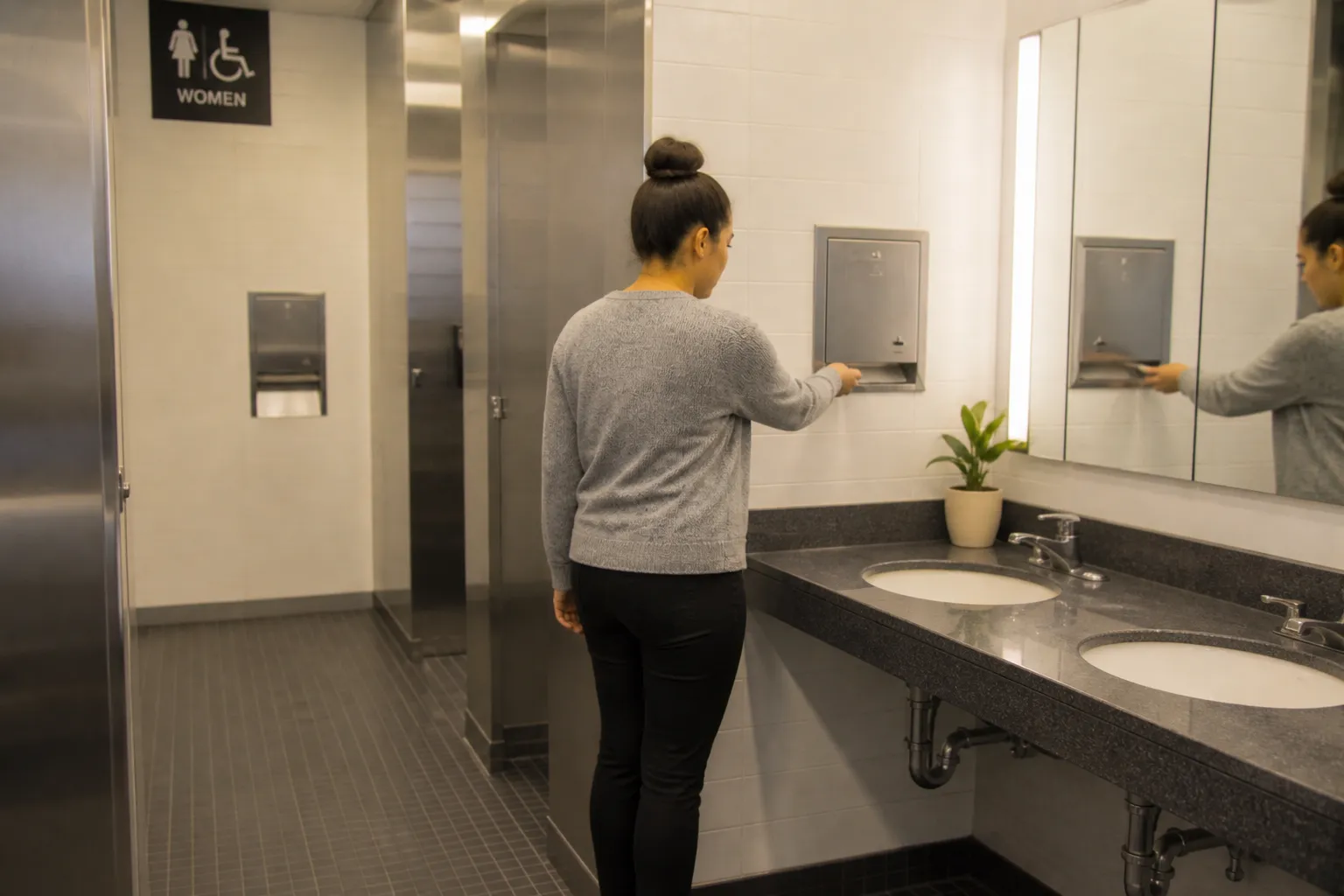
Use your map app with a practical filter mindset: look for indoor public places, transit stations, libraries, civic buildings, large shopping areas, and open businesses with clear public access. Then check the live details that matter most right now: whether the place is currently open, whether it looks inside a building you can enter without a purchase, and whether recent visitor notes mention access problems. In SF, the goal is not simply finding a restroom near me; it is finding one that you can actually reach, enter, and use without doubling back.
Know the neighborhood patterns before you walk
San Francisco is uneven in a way that matters for bathroom planning. Downtown corridors, the Financial District, Union Square, and transit-heavy areas usually give you the best odds of finding an indoor restroom quickly because they concentrate public buildings, stations, and businesses designed for foot traffic. Waterfront areas and major parks can also help, but access can be less predictable depending on season, events, and how far you are from the main paths. If you are near a busy transfer point, start there before drifting into side streets.
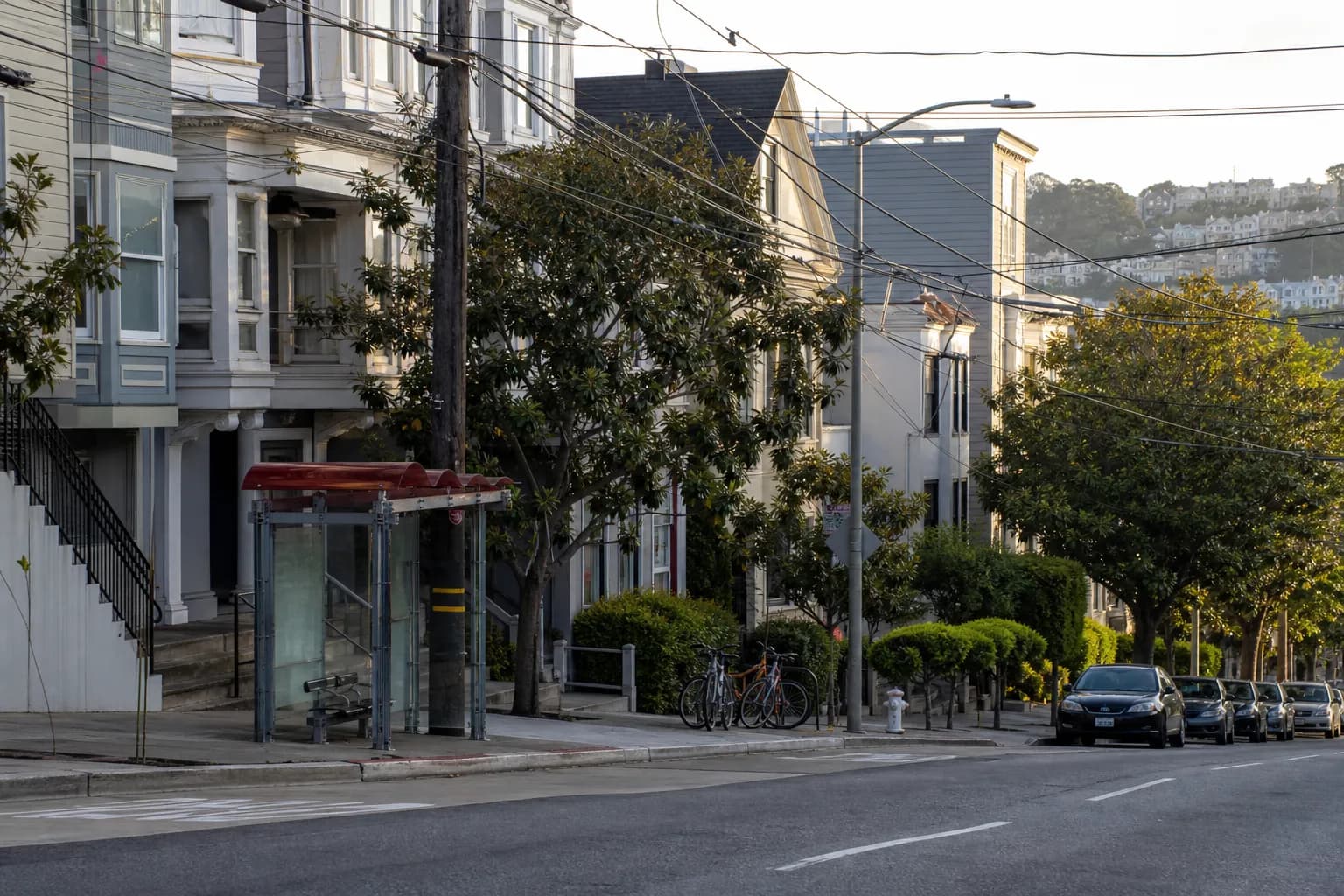
By contrast, some hill neighborhoods and lower-density residential areas are harder to solve on the fly. In places where blocks are steep or long, a restroom that looks nearby may still cost more time than expected. The western side of the city can also feel sparse between major nodes, so do not assume a random corner business will be the fastest answer. If you are already moving through the Mission, the Richmond, the Sunset, North Beach, or other mixed-use areas, treat larger public buildings and transit-adjacent corridors as your primary targets and smaller street-level options as backups.
Check timing, weather, and event pressure before you commit
The same restroom can be easy one hour and inconvenient the next. In SF, timing matters because lunch periods, commute windows, weekend foot traffic, and special events all change how crowded nearby facilities feel. If you are searching during a rush, indoor public restrooms near transit or downtown foot traffic may have a line, while quieter options in the same area may be more accessible a few blocks away. Before you start walking, glance at live status indicators and recent comments so you do not arrive at a facility that is temporarily unavailable or overwhelmed.
Weather changes the equation too. Fog, wind, and rain push more people indoors, which makes the nearest accessible restroom more valuable but also more contested. On cold or wet days, a restroom inside a building you can enter without delay is usually a better bet than an outdoor facility that may be harder to locate or less comfortable to reach. If there is an event nearby, assume the surrounding blocks are under extra pressure and build in a second option immediately. In SF, the smartest plan is often to pick one primary choice and one backup before you start moving.
Use accessibility as a decision shortcut, not an afterthought
If you need step-free access, do not wait until you are at the door to discover stairs, narrow entries, or a broken elevator. San Francisco’s hills and older building stock make accessibility checks especially important. When you search, look for the wheelchair-accessible marker, then confirm whether the restroom is on the ground floor, whether the route from the street has curb ramps, and whether the building entrance is easy to enter quickly. If you depend on transit, it also helps to check station accessibility because the restroom you found may not be usable if the platform or elevator situation slows you down.
Accessibility is not only about mobility devices. It also matters if you are traveling with a stroller, carrying luggage, recovering from an injury, or simply trying to avoid a steep climb. In those cases, choose the restroom that minimizes physical friction, even if it is not the absolute nearest. A flat route across downtown often beats a short route over a hill. If the first option looks uncertain, skip it and move toward a large indoor building, a major transit stop, or another clearly accessible public facility. The right restroom is the one you can reach with the least stress.
Build a backup plan that fits how SF actually moves
A good backup plan saves time because it keeps you from restarting the search after the first option fails. In San Francisco, that usually means choosing a primary restroom and then identifying the nearest alternative on the same side of the city block pattern you are already in. If you are near downtown, that backup may be another transit-connected building or a public indoor space a few blocks away. If you are near the waterfront or a park, your backup may be a return path toward a denser commercial stretch rather than a smaller facility tucked inside a quieter area.
The most practical method is simple: choose one place you can confirm now, then one place you can reach without crossing a big obstacle. Avoid relying on a single uncertain lead, especially if you are on a time limit or traveling with someone who cannot keep walking for long. If you are in an area with sharp elevation changes, fog, or heavy foot traffic, the backup should be something you can reach without rethinking the route. That way, even if the first stop is closed, crowded, or not publicly accessible, you still have a clear next move.
A simple plan before you go
- Search live, then verify access and current status before walking.
- In SF, downtown and transit hubs usually beat hill neighborhoods for speed.
- If weather, events, or crowds are up, choose an indoor backup immediately.
- For accessibility, prefer flat routes, step-free entries, and major transit-connected buildings.

Tags: #back_to_school #sf
Sources consulted: Official city information · Google Maps · Karpo local search
All trademarks are the property of their respective owners.