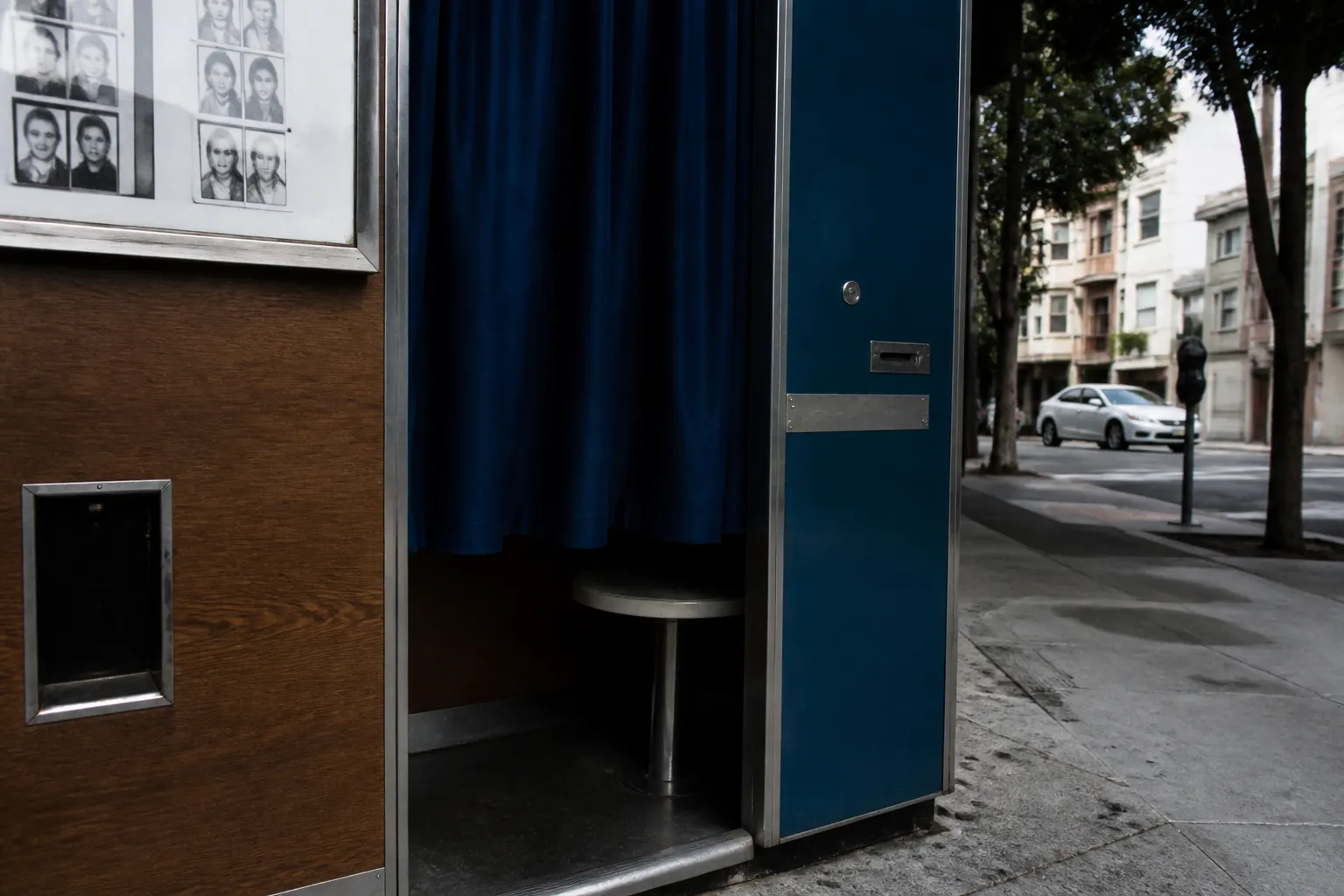
When you search for a photo booth close to me in SF, the most reliable result is usually the one nearest your current neighborhood pattern, not the one with the prettiest listing. San Francisco is compact on a map but slow in practice because hills, one-way streets, and transit transfers can add time fast. If you are downtown, near Union Square, SoMa, or the Financial District, you have the best odds of finding something indoor, walkable, and easy to fit into a lunch break. If you are in the Mission, Castro, or Hayes Valley, you may be closer to smaller retail clusters where photo services can be tucked inside drugstores, shipping counters, print shops, or camera-related businesses.
Use this SF route plan before you head out
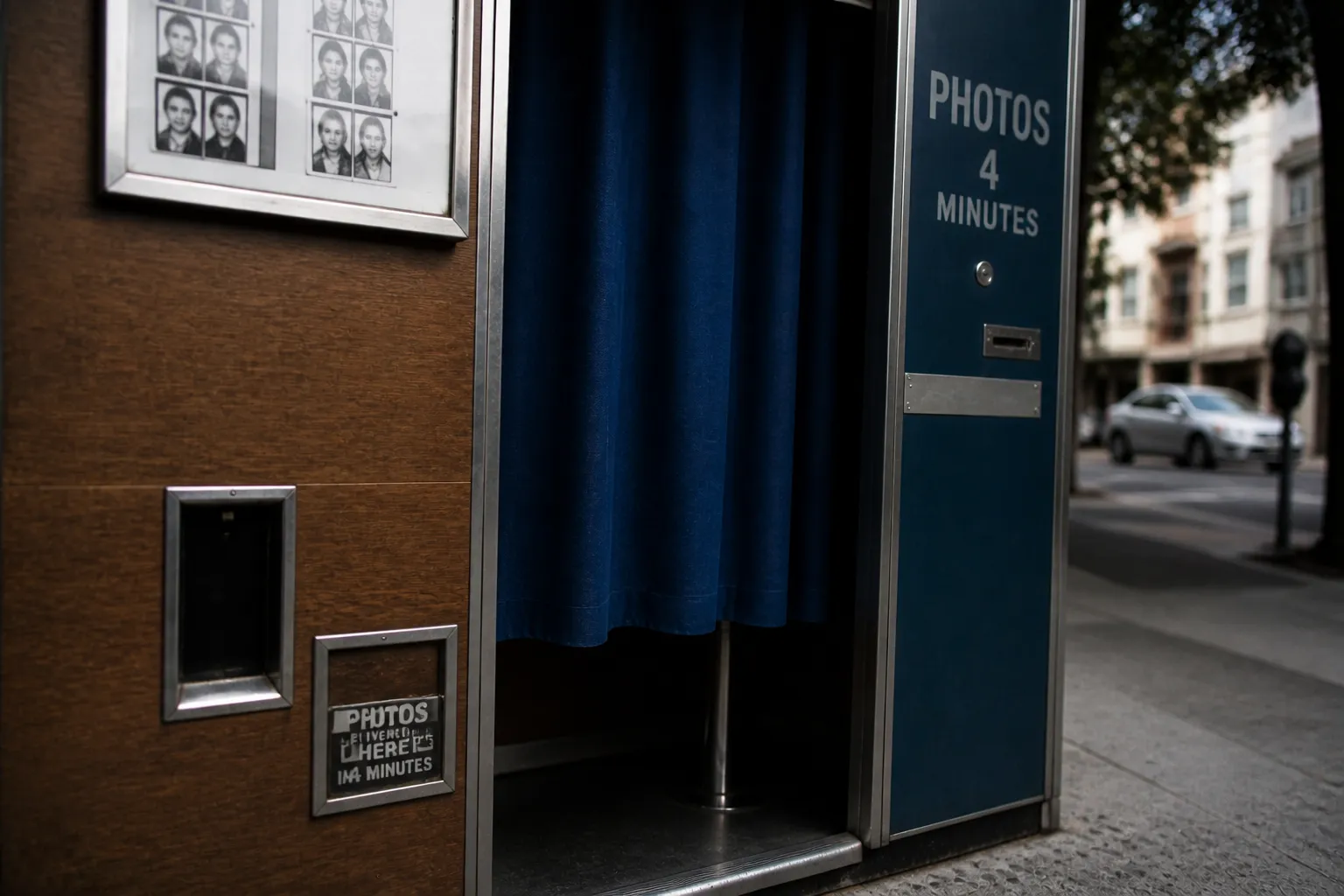
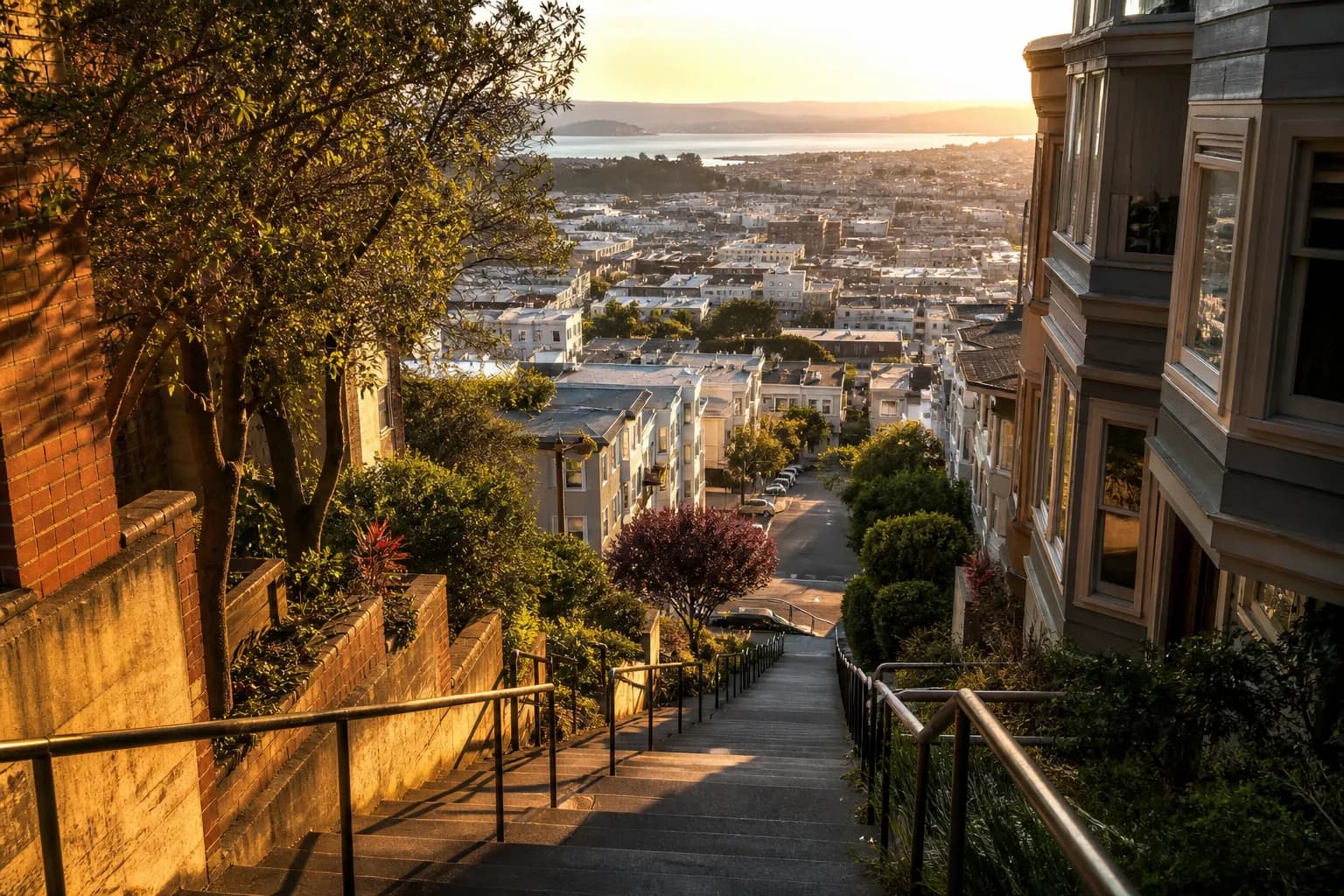
The practical move is to search live and read the map like a local. Look for current photos, recent reviews, and street-level clues that show whether the entrance is on the main block, in a mall concourse, or inside another storefront. In SF, the same business can feel easy or annoying depending on the block: a short walk from Montgomery Station is very different from a steep climb in Nob Hill or a windy stretch in the Outer Richmond. Treat the neighborhood first, then the listing. That keeps you from choosing a place that looks nearby but costs you 20 extra minutes.
Time your search around SF traffic, weather, and foot traffic
Timing matters more in San Francisco than many visitors expect. Midday weekdays are often the safest window because transit is moving, businesses are open with staff on the floor, and you can avoid the after-work surge that clogs downtown sidewalks and parking. If you need a quick photo booth before an appointment, try to go earlier in the day rather than at the edge of closing time, when a short delay can turn into a missed errand. Late afternoon can also be rough if you are crossing the city during commute traffic, especially between downtown and the west side.
Weather can shift the decision too. Fog, drizzle, or wind can make a short walk feel longer, especially around the Embarcadero, along Market Street, or on exposed corridors near the waterfront. That is why indoor-heavy areas are better for same-day errands when the forecast is uncertain. If you are near BART, Muni Metro, or a major transfer point, build your stop into a route rather than making it a separate trip. A photo booth search is not just about availability; it is about whether the booth fits neatly between two other tasks without turning into a cross-town detour.
Use simple route logic: downtown first, then your neighborhood fallback
A smart SF route starts with the most transit-connected area and then falls back to the closest neighborhood cluster if the first option does not work. If you are already downtown, begin with Union Square, SoMa, or the Financial District, because those areas are easiest to reach by BART, Muni, or a short rideshare hop. If that search does not produce a usable booth, move to your nearest dense retail district rather than chasing a far-flung option. For example, someone in the Mission can check Mission-adjacent commercial blocks before heading downtown; someone in the Outer Sunset should avoid assuming a quick downtown round trip is worth it.
The route logic is simple: choose one main stop and one backup area that sits naturally on your way home. If you are coming from the East Bay, downtown is the cleanest first stop. If you are coming from the south side of the city, look near transit corridors that do not require an extra transfer. If you are in a car, remember that parking in SF is often the hidden cost, so a closer neighborhood option may be better than a technically larger selection farther away. The best plan is usually the shortest path with the fewest moving parts.
What to check live before you leave
Before you head out, check a few details live instead of trusting a generic listing. Confirm that the business is open right now, that the service you need is actually offered on site, and that the booth is accessible from the street or through the building entrance you expect. In SF, a listing can be technically close but physically awkward if it sits in a basement level, a mall corridor, or an upper floor with elevator access only. If you need a certain format, such as passport-style prints or quick color photos, make sure the listing mentions that service clearly instead of assuming every photo booth does the same thing.
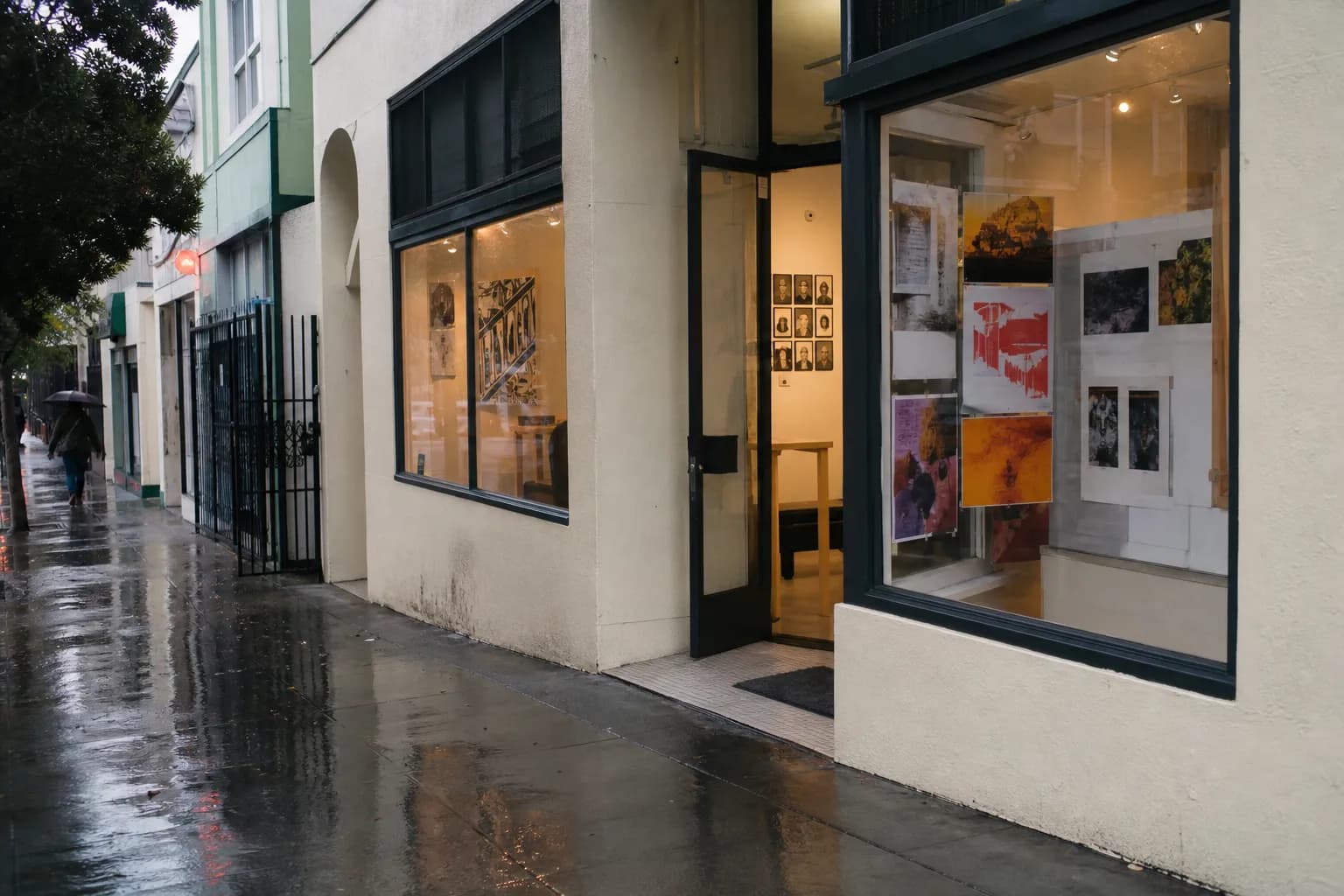
Also look for signs that save time on arrival. Recent photos can tell you if the storefront is still active, whether there is a line, and whether the area looks easy to enter with a stroller, bag, or mobility aid. If the place accepts only cash, only card, or a kiosk payment method, that matters before you walk over. SF is full of mixed-use buildings, and some photo services are embedded inside other stores, so a second quick look at the map pin and entrance notes can prevent the common mistake of arriving at the right address and the wrong door.
Build backup logic for accessibility, transit, and neighborhood quirks
Have a backup because San Francisco blocks change fast. A booth may be busy, temporarily unavailable, or simply inconvenient once you get there. Your backup should be another spot in the same general corridor, not a random citywide option. If your first choice is downtown, your backup should stay downtown or just north of Market so you can keep the same transit pattern. If your first choice is in the Mission, your backup should be another nearby commercial strip rather than a place that forces a long bus ride. This matters most if you have a tight window for documents, travel, or an event.
Accessibility is part of the backup plan too. Check whether the route includes steep grades, stairs, narrow sidewalks, or a transfer that would be hard with a wheelchair, suitcase, or camera bag. San Francisco weather can also affect the route: wind and drizzle are manageable if the walk is short and covered, but they become annoying when you are threading through several blocks. A good backup is one you could actually use in bad weather or with limited time. That means near transit, near level sidewalks when possible, and in a neighborhood where indoor waiting is realistic.
A simple plan before you go
- Search live map results and verify the service on site before leaving.
- Prefer downtown or transit-rich neighborhoods for the first stop.
- Use one backup in the same corridor, not across town.
- Check entrance level, weather exposure, and payment method.

Tags: #hidden_gems_odd_finds #sf
Sources consulted: Official city information · Google Maps · Karpo local search
All trademarks are the property of their respective owners.