 Ramen Near Me: Iza Ramen's Lower Haight Run Is Over
Back To School
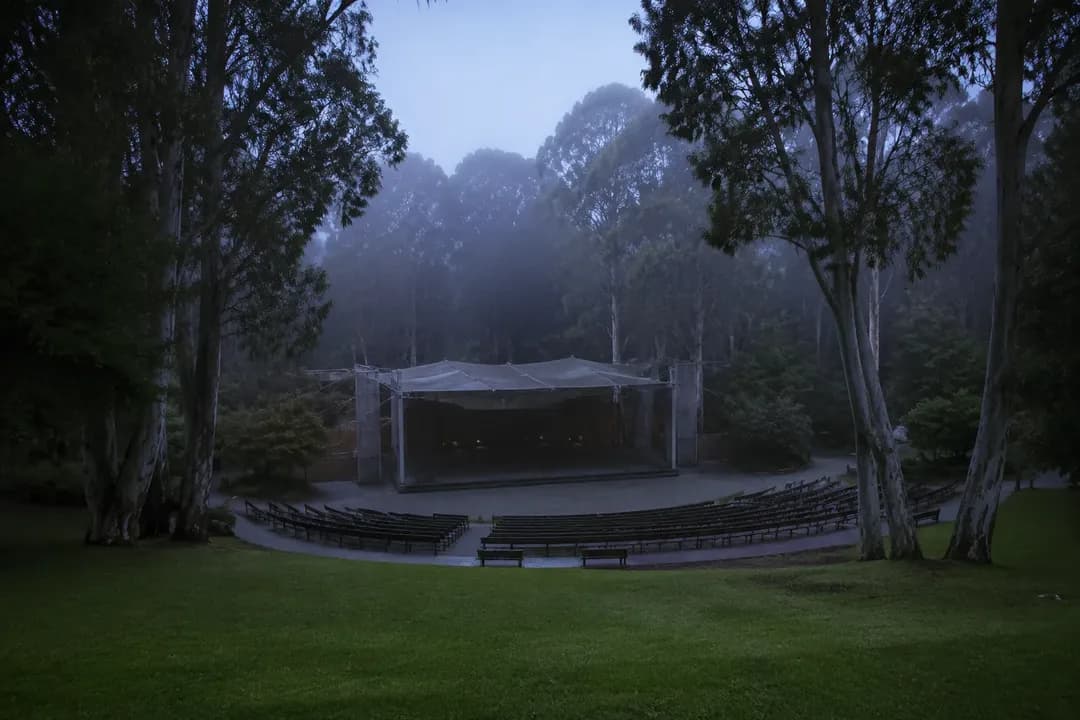
San Francisco Outdoor Concerts Roundup: Where to Buy Tickets Now
Stern Grove's free Sunday shows and Golden Gate Park's festival season demand different ticket strategies than you'd expect.
The phrase that brings most people to this page is "best buy" — not the electronics retailer, but the smartest way to secure a seat when San Francisco's outdoor concert calendar heats up between May and October. The city's fog belt and microclimate mean that a venue comfortable at three in the afternoon can turn unpleasant by seven, and ticket platforms reflect that uncertainty with dynamic pricing that swings forty dollars in a single afternoon. Knowing where to look, and when to commit, makes the difference between paying face value and paying double on a resale app while standing in line.
Karpo checks which outdoor venues have shows this week, confirms whether tickets are still available, and maps the fastest Muni route from your current location to the gate.
What people search when summer concert season opens
San Francisco's outdoor concert infrastructure splits into three tiers: the free-but-competitive Stern Grove Festival, the mid-sized paid events at Golden Gate Park's various meadows and bandshells, and the larger commercial productions at places like the Shoreline Amphitheatre down the peninsula. Each tier has its own ticket-release rhythm. Stern Grove performances require no purchase, but locals know to arrive ninety minutes early with a blanket and a sweatshirt, because the eucalyptus grove holds the fog longer than open parkland. For the paid shows in Golden Gate Park — often produced by Another Planet Entertainment or affiliated promoters — the best buy comes during the venue announcement phase, before the lineup is fully confirmed and before dynamic pricing algorithms kick in.
The search volume around "best buy" in this context peaks in March and again in early June, when people realize that procrastination has consequences. By mid-July, face-value tickets for popular acts are gone, and the secondary market dominates. That market is legal in California, but fees compound quickly: a fifty-dollar ticket listed on a resale platform can cost eighty after service charges and delivery. The lesson is to monitor the venue's own box office page first, subscribe to presale lists, and treat the official on-sale date as a hard deadline rather than a suggestion.
North Beach as your staging ground
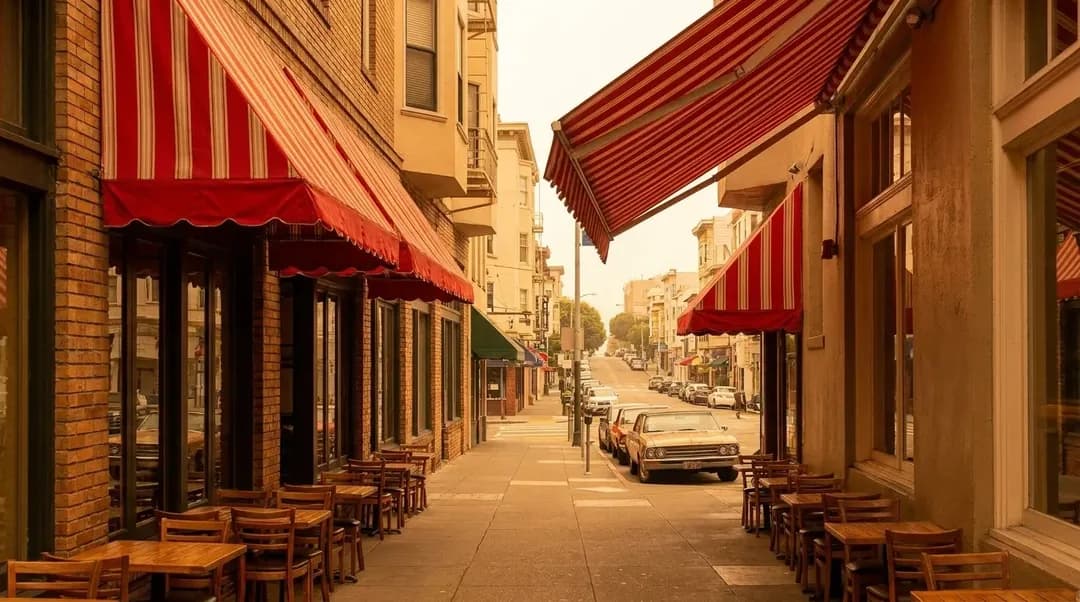
If you're planning an evening around a Golden Gate Park concert or a Stern Grove Sunday, North Beach offers a practical anchor point for the hours before gates open. The neighborhood sits on the northeast edge of the city, connected to the park by the 5-Fulton Muni line and to the Stern Grove area by a combination of the 28 or 29 bus routes. More importantly, it has the density of cafes, bookstores, and bakeries that let you kill two or three hours comfortably without spending much, which matters when you've bought a ticket weeks in advance and need to bridge the gap between a morning errand run and a seven o'clock showtime.
Columbus Avenue between Broadway and Filbert holds enough variety to accommodate different pre-concert rhythms. City Lights Bookstore stays open until the evening commute clears, and the surrounding blocks have benches that catch late-afternoon sun even when the rest of the city is socked in. Washington Square Park, at the neighborhood's center, is where you'll see people stretching, reading set lists on their phones, or comparing notes on whether to bring a heavier jacket. The park's northwest corner, near the Saints Peter and Paul Church steps, offers a wind-sheltered spot to regroup if your group is arriving on different transit lines.
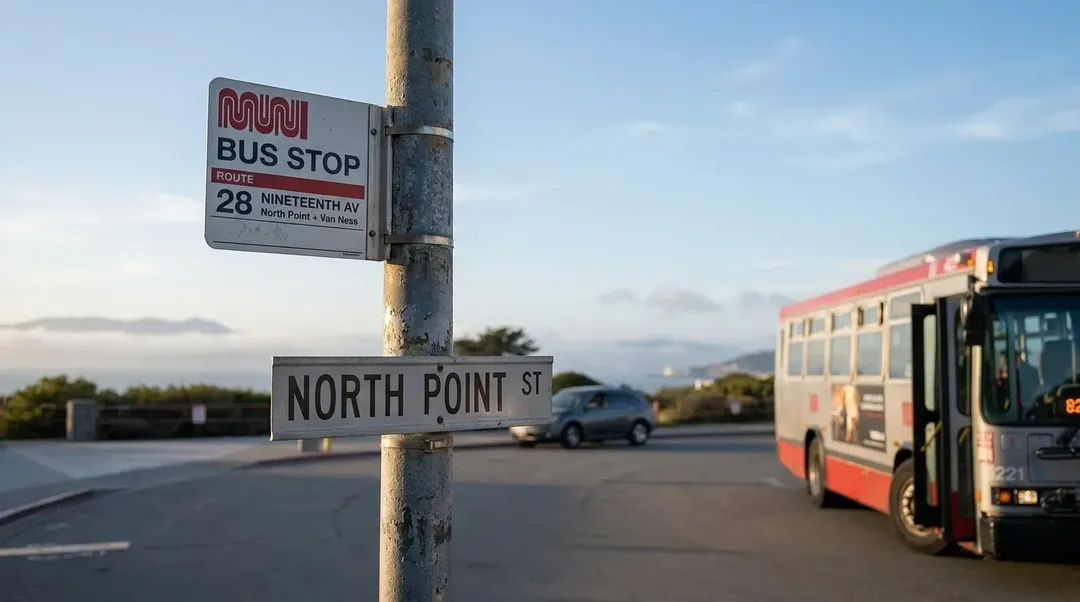
The practical advantage of North Beach is its position uphill from the Embarcadero and downhill from Telegraph Hill, meaning you can adjust your route based on how much time you have. If your concert is at Stern Grove and you've allowed ninety minutes for transit and setup, you can catch the 28-19th Avenue from Columbus and Chestnut, which runs every twelve to fifteen minutes during weekend daylight hours. If your show is in Golden Gate Park's eastern meadows, the 5-Fulton from Columbus and Union takes about thirty-five minutes to the park's main entrance, and you can walk west from there. Both routes involve transfers that are straightforward in daylight but slower after dark, so plan your return with extra buffer.
The on-sale window and the fog factor
Outdoor concert tickets in San Francisco go on sale in waves, and each wave has a different risk profile. Venue presales — often unlocked by signing up for a newsletter or holding a venue membership — open two to four days before the general public on-sale. These presales are the single best buy for anyone with a flexible schedule, because inventory is deeper and the algorithm hasn't yet adjusted pricing based on demand signals. Check the official event page for the general on-sale time, and act promptly for in-demand acts if you want the best chance of paying face value rather than resorting to resale.
What makes San Francisco different from other cities is the weather variable. A band that would sell out instantly in Los Angeles might have slower sales here because locals know that an outdoor venue in July can still require thermal layers and a windbreaker. Stern Grove, in particular, sits in a canyon that funnels ocean air straight through the seating area, and even on days when downtown is sunny, the grove can be fifteen degrees colder with persistent mist. Paid venues in Golden Gate Park's western half face similar conditions. The result is that some shows undersell early and release additional tickets closer to the date, while others sell out and stay sold out. Reading the venue's microclimate history — available through any long-term resident or a careful review of past event reports — helps you decide whether to jump on presale or wait.
For the larger amphitheaters outside city limits, like Shoreline in Mountain View, the fog is less of a factor but the transit penalty is steep. These venues are designed for car access, and while Caltrain and a shuttle can get you there, the return trip after a show ends at ten-thirty can stretch past midnight. If you're comparing ticket prices and one option is significantly cheaper but requires a two-hour return commute, factor that into your total cost and energy budget.
Quieter venues that still deliver
Not every outdoor concert in San Francisco happens in a meadow with five thousand people. The Presidio's various lawn spaces host smaller events throughout the summer, often free or low-cost, and the setting offers better wind protection than the western park zones. The Presidio Officers' Club and the adjacent Main Parade Ground have hosted evening concerts that feel more like neighborhood gatherings than commercial productions, and because they're less publicized, you can often decide the same day whether to attend.
The Embarcadero waterfront, particularly the stretch between the Ferry Building and Pier 39, has occasional outdoor music during the summer months, though these are typically shorter sets tied to farmers' market days or civic festivals rather than ticketed headline acts. The advantage is spontaneity: you can be in the area for another reason, hear live music, and stay without advance planning. The disadvantage is unpredictability in quality and schedule, so these work best as a bonus rather than a primary plan.
For those willing to cross the bridge, Marin County's Mountain Theater on Mount Tamalpais offers a stone amphitheater with sight lines and acoustics that rival any purpose-built venue, and its season includes both theatrical productions and concerts. Getting there requires a car or a combination of ferry and bus that takes patience, but the experience is distinct enough to justify the effort if you're looking for something beyond the city's usual circuit. Check the schedule early in the season, because the best buy for Mountain Theater tickets is often a season pass if you plan to attend more than two events.
Confirm the details before you leave
San Francisco's outdoor concert infrastructure is generally reliable, but last-minute changes happen more often than in cities with predictable weather. Fog can delay a start time, wind can force a stage reconfiguration, and in rare cases, air quality from distant wildfires can lead to cancellations even when the city itself looks clear. The best practice is to check the venue's own website or social media an hour before you plan to leave, not just the ticket platform where you made your purchase, because updates appear on the venue channel first.
Transit timing is the other variable that needs a live check. Muni's weekend schedule is less frequent than weekday service, and the 5-Fulton or the 28-19th Avenue can bunch or gap depending on traffic near the park. If you're relying on a specific bus to make a seven o'clock showtime, leave yourself a thirty-minute cushion and have a backup route mapped — often the N-Judah light rail to a park entrance, then a walk west. BART serves the eastern neighborhoods well but doesn't reach the park directly, so if you're coming from the East Bay, plan for a Muni transfer at Civic Center or Embarcadero and add fifteen minutes to your estimate.
For Stern Grove specifically, the free model means no ticket confirmation, but it also means no reserved seating and no guarantee of space if you arrive late. The grove's capacity is enforced loosely, and on popular dates, the lawn fills by six-fifteen for a seven o'clock start. Locals bring tarps, not just blankets, because the ground stays damp even on sunny days, and they pack food that doesn't require heating, because open flames aren't permitted. If you're planning your first Stern Grove visit, treat it as a picnic that happens to include live music, and set your arrival time accordingly. The surrounding neighborhood, Lakeshore, has limited street parking and no major commercial district, so bring what you need rather than counting on a corner store run.
Practical notes
- Stern Grove shows are free but require arrival 90 minutes early; bring layers and a tarp for damp ground.
- Golden Gate Park's western meadows stay 10–15 degrees cooler than downtown; windbreakers are not optional.
- Presale windows open 2–4 days before general on-sale and offer the best buy before dynamic pricing kicks in.
- Muni's 5-Fulton and 28-19th Avenue routes serve park venues but run less frequently after 8 PM on weekends.
- Check the venue's own site one hour before leaving; fog and wind can delay start times without notice.
- Secondary-market ticket fees can add 50% to face value; monitor the official box office first.
Tags: #karpo #sanfrancisco #sfconcerts #outdoorconcerts #sterngrovefestival #goldengatepark #northbeach #livemusicsf #sfmuni #concerttickets #bayareamusic #sfevents #thingstodoinsf #sanfranciscomusic #sfnightlife
Sources consulted: Stern Grove Festival · San Francisco Recreation and Parks · SFMTA Muni Routes · Another Planet Entertainment
All trademarks are the property of their respective owners.
Ask Karpo first
Text Karpo an hour before you plan to leave and ask which outdoor venues have shows tonight, whether tickets are still available at face value, and what the current Muni timing looks like for your route. It'll confirm what's actually open to the public and map the fastest path from your location to the gate, including a backup if your first-choice bus is delayed.
Ask Karpo for more information.
Keep reading
- Ramen Near Me: Iza Ramen's Lower Haight Run Is Over
 Vintage Clothing Stores Near Me: Wasteland's Cavernous Haight Street Floor
 Lunch Near Me in the Tenderloin: Saigon Sandwich Builds Bánh Mì for Change