Mediterranean is the least informative word on any San Francisco menu. It covers Levantine, Persian, Turkish, Greek, North African and a broad Californian interpretation of all of them, and those are not variations on a theme — they are different cuisines with different staples, different meal structures and different reasons to visit. Anyone searching for mediterranean food in San Francisco is really asking one of six questions, and the answer depends entirely on which.
The label covers at least six different cuisines. Ask Karpo which of them is near you and what the kitchen is actually cooking.
Levantine is the largest and most dispersed
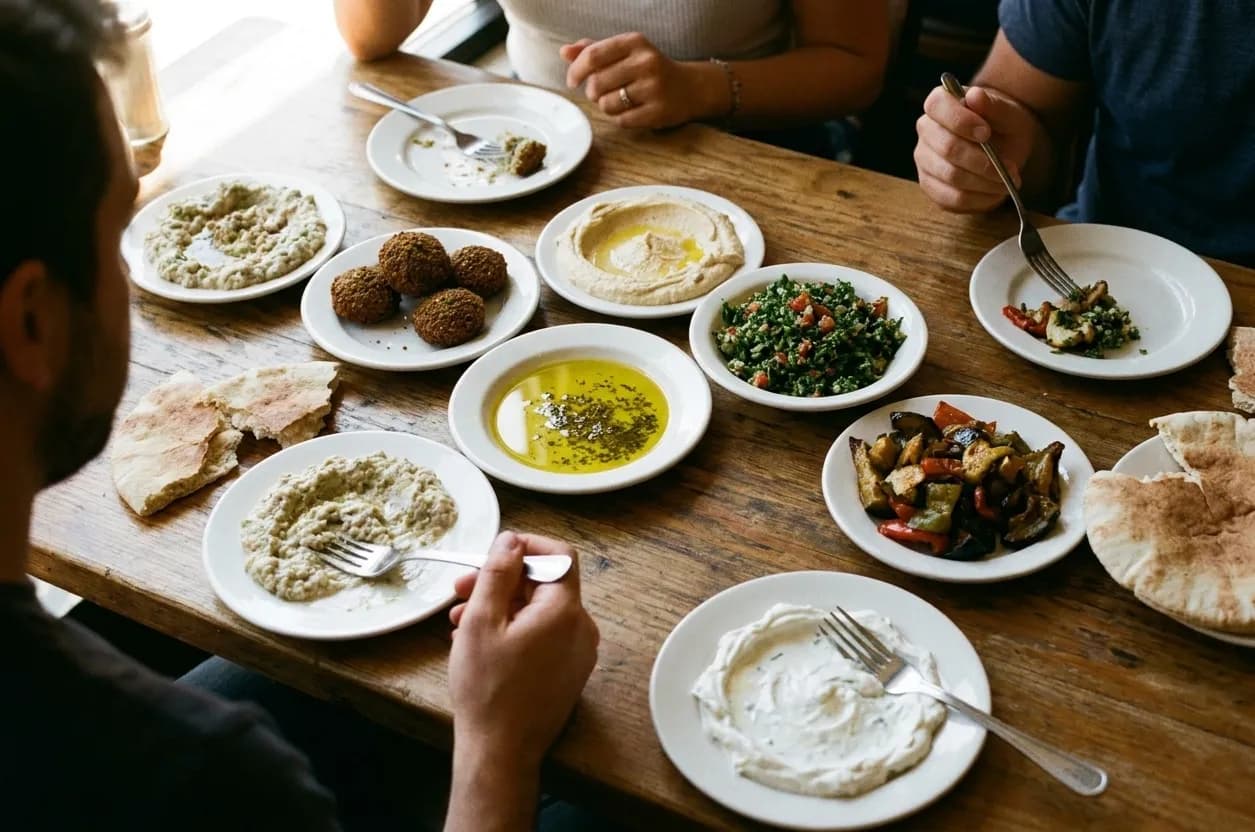
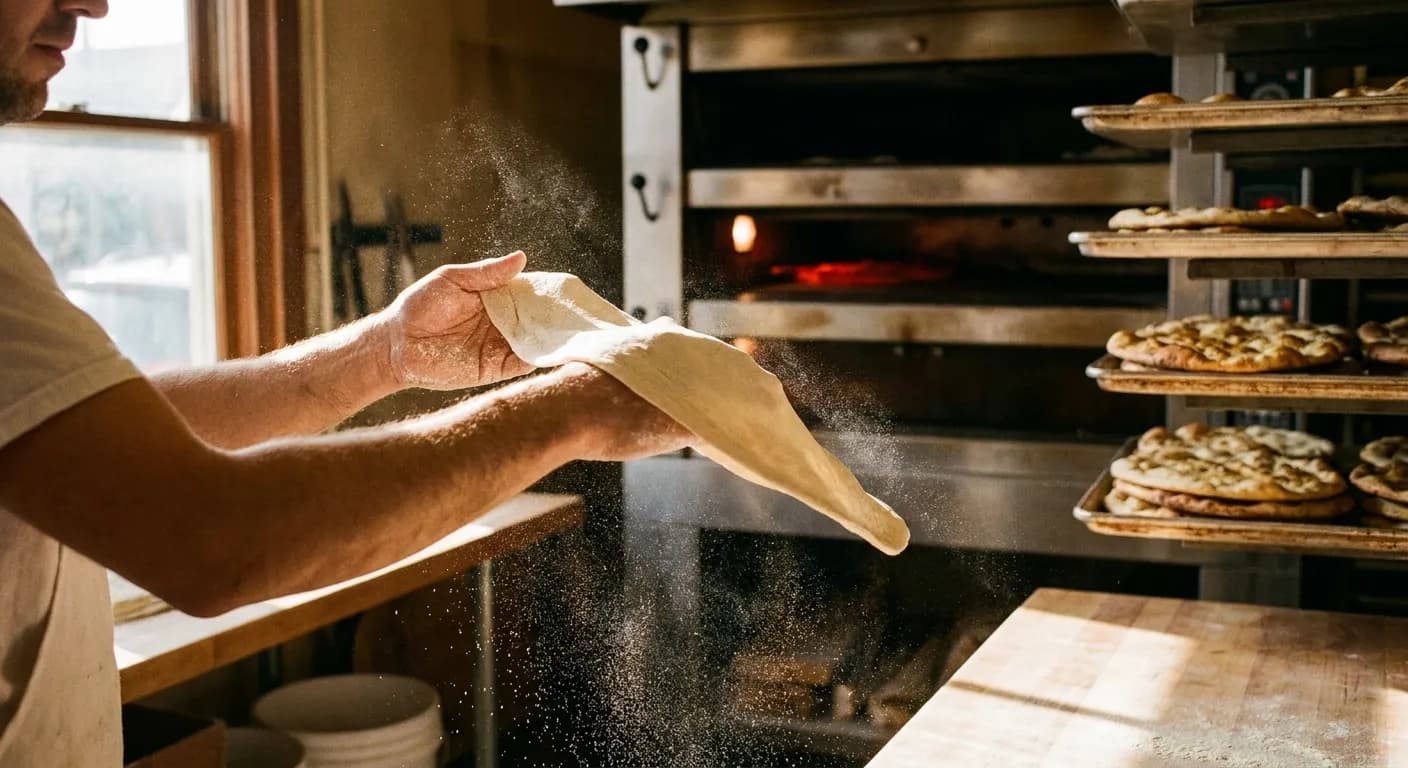
Palestinian, Syrian, Lebanese and Jordanian kitchens are the backbone of the category here, and they are scattered rather than clustered. The tell of a serious one is bread: if the flatbread arrives hot and slightly blistered rather than warm from a bag, the kitchen is baking, and a kitchen that bakes is usually doing everything else properly too. The second tell is whether the mezze list is longer than the mains list. It should be.
These rooms are frequently the best value eating in the whole city. A table of six small plates, bread and salad runs to well under twenty dollars a head and is a genuinely complete meal rather than a starter. The mistake people make is ordering one plate each, which produces a worse and more expensive dinner than ordering eight things for four people.
Persian food is its own thing entirely
Persian restaurants get filed under Mediterranean and belong nowhere near it. The structure is different — rice as the centre of the plate rather than bread, herbs used as a bulk ingredient rather than a garnish, and a slow, sour register from dried limes and pomegranate that has no equivalent in Levantine cooking. If you have eaten a lot of hummus and think you know this category, you do not.
The Bay Area has a substantial Persian community and the restaurants reflect it, though more of them sit outside the city proper than inside. Within San Francisco the offering is thinner and concentrated, which makes the good ones worth a deliberate trip rather than a local wander. Ordering advice: the stews are where the cooking is, the kebabs are what everyone orders, and those are not the same statement.
Where the clusters actually are
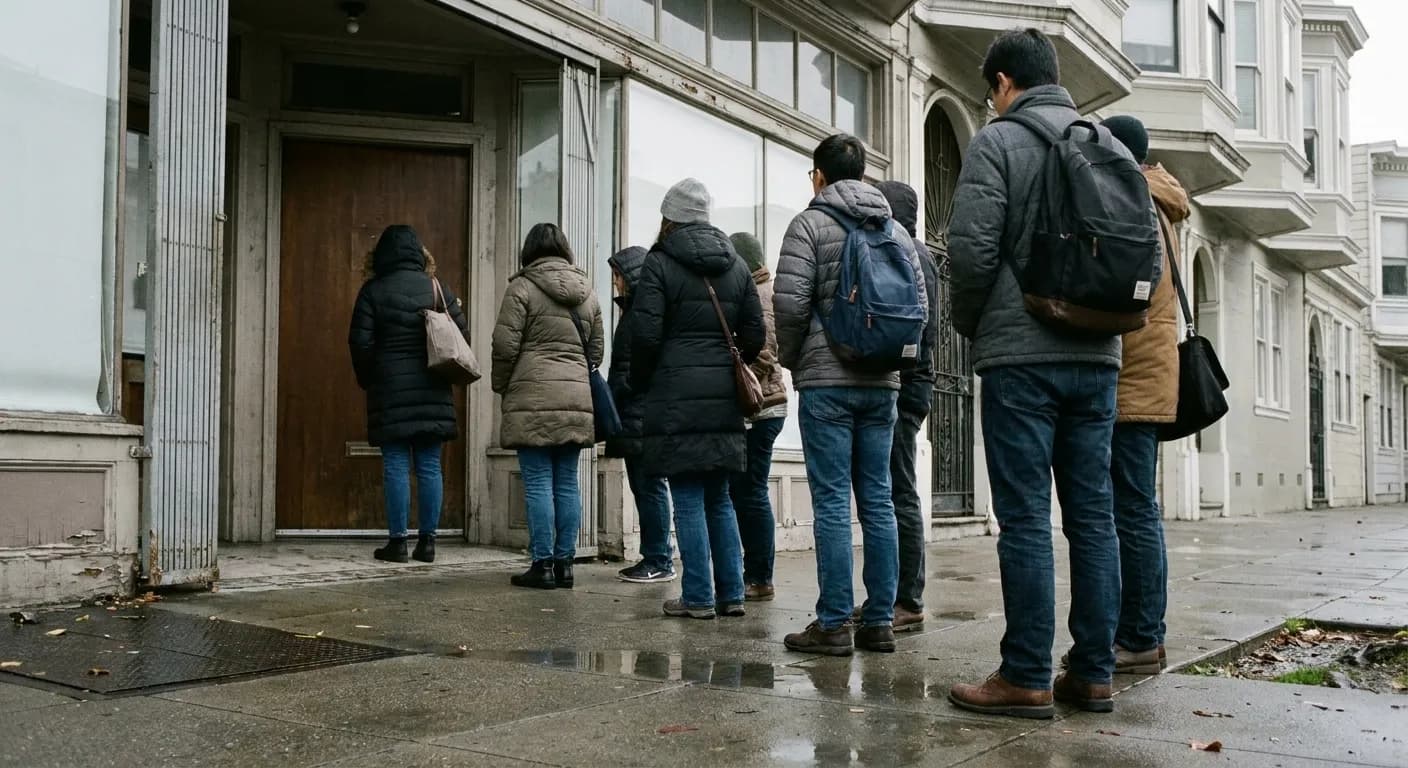
There is no Mediterranean quarter in this city, which is why the category feels hidden. What exists instead is a series of one-restaurant pockets: a Levantine room on a residential corner in the Richmond, a Turkish place on a Sunset commercial strip, a Greek taverna near the water that has been there for decades and never appears on a list. The Tenderloin and lower Nob Hill have the highest concentration, largely for the usual rent reasons.
The Excelsior and Outer Mission are the ones worth exploring if you are actually looking. Both have absorbed successive waves of immigration and both have small family-run rooms that have never had a review in English. This is where the phrase only locals know is literally true rather than a marketing posture — the customer base is people who live within a few blocks and know the family.
The bakery and grocery layer
Some of the best food in this category is not in restaurants. The Middle Eastern groceries around the city run counters and hot cases that outperform most sit-down rooms, and they are open at hours restaurants are not. A grocery with three tables at the back and a rotisserie is a specific and reliable format, and the food costs about half what the equivalent does with tablecloths.
The bakeries are the other underused resource. Fresh flatbread, manakish, spinach and cheese pies, and the sesame-crusted breads that go stale within hours are all things you have to eat where they are made. Buying them at four in the afternoon on the way home is a completely different product from the version that arrives at a restaurant table.
How to order in a room you do not know
Ask what the family cooks rather than what the restaurant recommends. Those produce different answers, because the recommendation is calibrated to what most customers order and the first question is not. The other move is to ask whether there is anything not on the menu, which in this category is a normal question rather than a presumptuous one — daily stews and specials frequently go unlisted because the audience already knows.
And order the salads. In almost every cuisine under this label the salads are load-bearing rather than decorative, built on herbs, grain and acid, and they are the dish most likely to be made properly from scratch. A room that takes its salads seriously is a room that takes everything seriously, which is a more reliable signal than anything a rating average will tell you.
What the Californian version gets right and wrong
There is a whole tier of restaurants here that cook a Californian interpretation of the region — wood fire, local produce, labneh and za'atar deployed as accents rather than as the point. At their best these are genuinely excellent and among the more interesting cooking in the city. They are also three times the price of the family rooms and are solving a different problem, which is worth being clear-eyed about rather than annoyed by.
The failure mode of the category is a menu that reads as a list of ingredients from four countries with no argument connecting them. If the kitchen cannot tell you which tradition a dish comes from, it usually means the dish does not come from one. That is not automatically bad food, but it does mean you are eating a Californian restaurant with Mediterranean vocabulary, and pricing your expectations accordingly saves disappointment.
Timing and the family-room rhythm
The small family-run places in this category keep hours that make sense for their neighbourhood and nobody else. Many close between lunch and dinner, several shut one weekday entirely, and a few run late only on Fridays and Saturdays when there is a reason to. Turning up at four in the afternoon is the classic wasted trip, and it is the single most common complaint about these rooms.
Ramadan and the major feasts change the schedule substantially at the Levantine and North African places, in both directions — some close for stretches, others run late nightly and are at their absolute best. Knowing the calendar is genuinely useful here, and asking is always welcome rather than intrusive.
Tags: #SanFrancisco #MediterraneanSF #LevantineFood #PersianFood #SFEats #HiddenGems #Mezze #SFRestaurants #Tenderloin #Excelsior #OuterRichmond #BayArea #WhereLocalsEat
All trademarks are the property of their respective owners.
Ask Karpo first
Ask Karpo which Mediterranean kitchens near you in San Francisco are open now, which cuisine each one actually cooks, and what to order there.