 Ramen Near Me: Iza Ramen's Lower Haight Run Is Over
Back To School
Where to Study Macro in San Francisco Without Fighting for a Table
Economics textbooks, coffee refills, and a route through North Beach that keeps you fueled, warm, and within range of a working bathroom.
The search traffic for macro spikes every September and January, and it's not because people suddenly care about monetary policy. It's because introductory macroeconomics is a required course at most universities, the textbooks are dense, and the exams test whether you can diagram aggregate supply curves under pressure. San Francisco has three major universities and dozens of certificate programs, so the city fills with students looking for a quiet table, reliable Wi-Fi, and enough caffeine to make Keynesian theory make sense by midnight.
Text Karpo before you leave and get a live route that checks which cafés still have counter space, confirms library hours, and adds a fallback if the fog rolls in early.
Why Everyone Searches Macro the Week Before Midterms
The problem is that San Francisco's cafés close early, its libraries have unpredictable room reservations, and its weather turns on you. You can't count on the same spot being available two days in a row, and the usual study advice—find a cozy corner, settle in for six hours—doesn't work in a city where the fog comes in at four and the kitchen shuts down by eight. This route assumes you're tackling a macro problem set or reading chapters that require actual concentration, not just skimming, and that you need a plan that survives contact with reality.
North Beach makes sense because it's compact, has multiple fallback spots within two blocks, and the eastern side stays warmer than the Richmond or the Sunset when the wind picks up. You're also close enough to Muni lines that you can bail to another neighborhood if your first choice is packed or closed without losing an hour to transit. The goal here is to keep moving forward on your macro work without spending half the afternoon hunting for a seat.
Why North Beach Works for Long Study Sessions
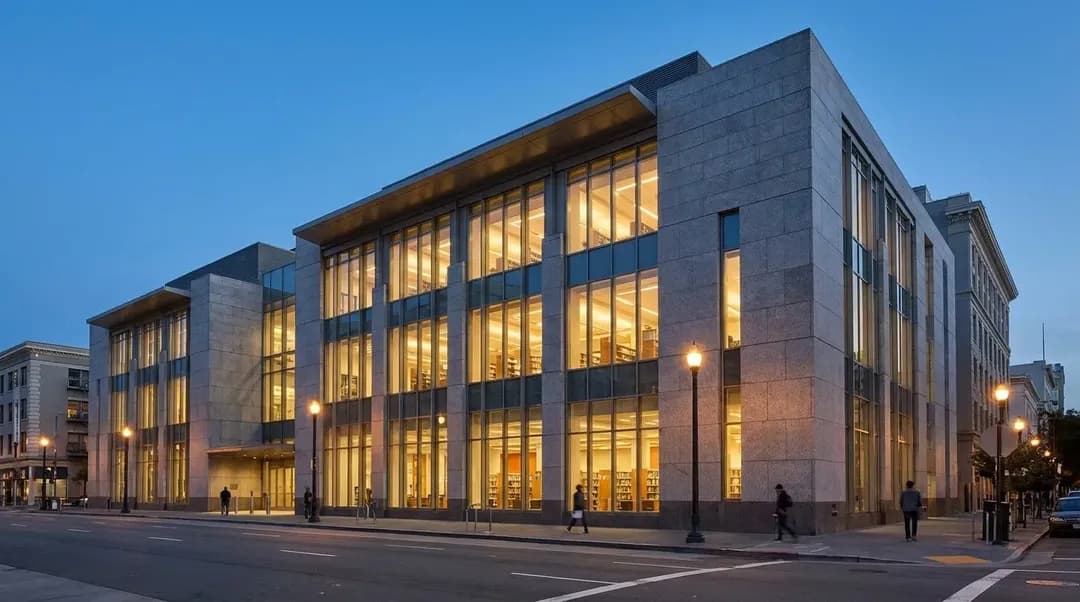
Start at the main branch of the San Francisco Public Library on Larkin Street if you need a guaranteed seat and access to economics databases. The fifth floor is quieter than the third, and the western side of the reading room gets less foot traffic after two in the afternoon. The library's hours are posted online, but confirm before you go because holiday schedules and staff shortages sometimes close floors without warning. If the library feels too institutional or you need to spread out notes, head north toward North Beach.
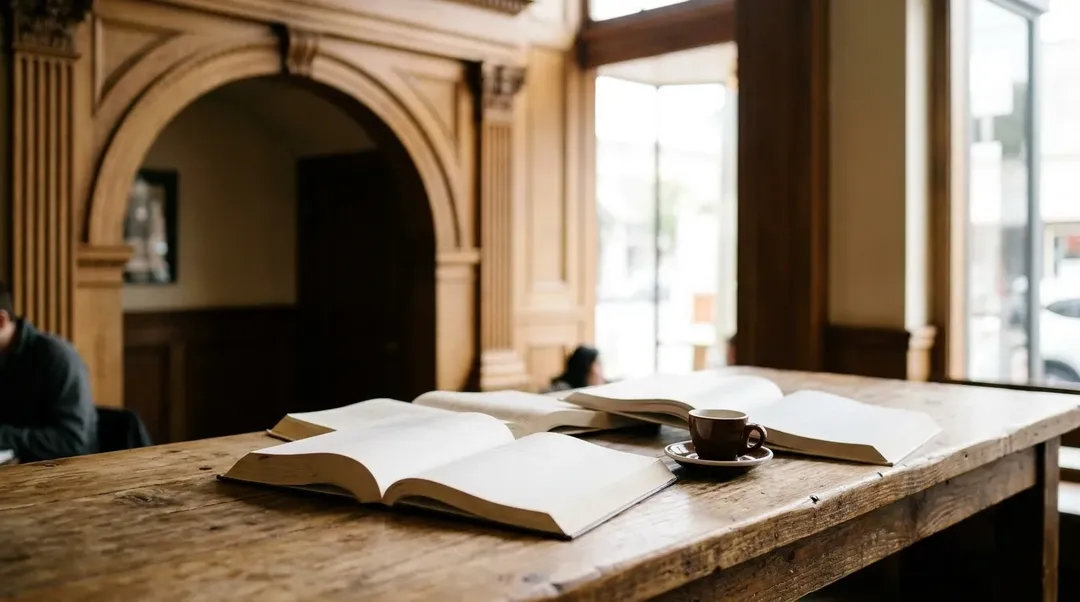
Caffe Trieste on Vallejo Street has been open since the 1950s and has long tables in the back that work for textbooks. It gets loud on weekends when the opera music plays, but weekday afternoons are manageable. The espresso is strong, the bathroom is accessible without a key, and the staff doesn't hover if you're working through a problem set. The trade-off is that the lighting is dim, so if you're reading dense text or drawing graphs, sit near the front windows. The café closes by early evening, so plan your macro review for daylight hours or be ready to move.
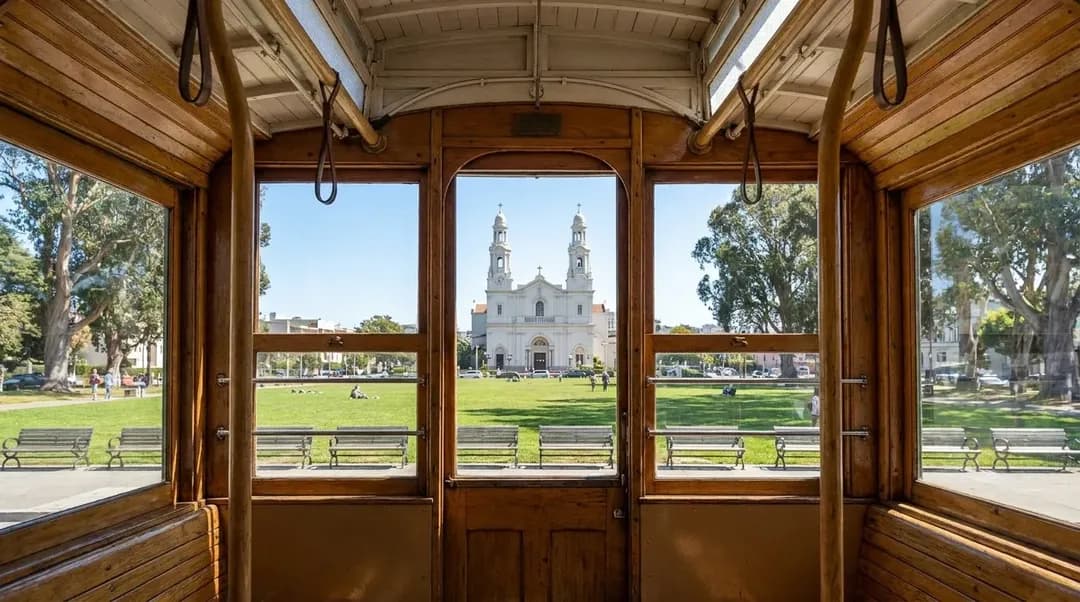
If Trieste is full, walk two blocks to Washington Square Park and use the benches on the eastern edge, near the church. The benches have backs, which matters if you're sitting for more than twenty minutes, and that side of the park catches more sun in the late afternoon. The park itself is public, free, and open, but it's not warm after five once the fog moves in. Bring a jacket and check the weather before you commit to outdoor study time. The park works best as a midpoint where you take a break, review notes, or shift between reading and problem sets rather than as your main study location.
The North Beach branch library on Columbus Avenue is smaller than the main branch but less crowded. It has a single reading room with a few tables, and the staff is used to students camping out. The hours are shorter than the main library, so verify the schedule before you rely on it. If you're working on macro concepts that require you to reread the same paragraph four times—like the difference between real and nominal GDP or why the Phillips curve shifted—this branch is quiet enough that you can actually think.
When to Move and When to Stay Put
Timing this route matters more than the specific order of stops. If you start in the morning, begin at the main library on Larkin, work there until lunch, then take the 47 or 49 Muni north to North Beach for the afternoon. If you're starting after noon, go straight to North Beach and plan to finish your session by six, when most of the cafés either close or stop serving food. The BART station at Powell is a ten-minute walk from the main library, and the Muni stop at Columbus and Vallejo puts you in the center of North Beach's café cluster, so you're not fighting transit transfers.
One timing detail that matters: the fog in San Francisco usually rolls in between four and six, and it drops the temperature fast. If you're planning to use Washington Square Park as part of your study route, do it in the early afternoon, not later. The benches are exposed, and once the wind picks up, it's hard to concentrate on anything, let alone marginal propensity to consume. The park also gets busier after five when people walk dogs and kids use the open space, so it's not as quiet as it is mid-afternoon.
San Francisco's café culture is real, but the kitchen and seating rules are strict. Most places will let you sit for two or three hours if you buy something every ninety minutes, but if you're working on a macro exam that requires four or five hours of focus, you need a route with multiple stops, not one café where you overstay. Plan to move every two hours, both to respect the space and to keep your brain from stalling out. A change of location often helps when you're stuck on a concept, and the walk between spots gives you time to process what you just read.
A Quieter Backup If North Beach Is Too Busy
If North Beach feels too crowded or the cafés are full, the Mechanics' Institute Library on Post Street downtown is a private library that offers day passes. It's quiet, has long tables, and the reading rooms are designed for concentration. The day-pass cost is low, and the building itself is old enough that it has the kind of silence you can't get in a public library or a café. Confirm the current day-pass policy and cost before you go, because the rules occasionally change.
Another option is the Presidio, specifically the transit center area near the Main Post. There are benches, indoor seating in the transit center building, and it's less windy than the northern edge of the park. The 43 Muni line runs there from downtown, and the trip takes about twenty minutes. The Presidio is colder than North Beach, so bring layers, but it's also much quieter, and you're not competing with café crowds for a seat. The transit center has bathrooms and vending machines, which matters if you're there for several hours. It's not a café, so you won't have coffee or food unless you bring it, but if your priority is uninterrupted time with your macro textbook, the trade-off is worth it.
If you need to stay closer to downtown and want a library alternative, the SFSU downtown campus sometimes has open study areas depending on the semester schedule. Check whether the rooms are accessible to non-enrolled students before you go, because policies vary. The advantage is that university study spaces are built for exactly this kind of work, with good lighting, power outlets, and tables big enough for textbooks and notes.
What to Confirm Before You Leave
The single most important thing to verify is library hours. Both the main San Francisco Public Library and the North Beach branch post their schedules online, but holiday closures and unexpected changes happen, especially in September and January when this route is most useful. Don't assume a branch is open just because it was last week. Check the SFPL website the morning you plan to go, and have a backup café or study spot ready if the library is closed.
Café hours in San Francisco are not uniform. Some places close at three, others at eight, and a few stay open later but stop serving food or turn off the Wi-Fi after a certain time. If you're planning a long study session that spans multiple locations, check the hours for each stop so you're not caught moving to a second café only to find it's already closed. Caffe Trieste's hours are posted on the door and online, but if you're relying on a specific café, confirm before you commit.
Weather is the other variable that breaks study plans in San Francisco. The fog and wind are real, and they make outdoor study uncomfortable or impossible. Check the hourly forecast, not just the daily high, because the temperature can drop fifteen degrees in an hour once the fog moves in. If you're planning to use Washington Square Park or any outdoor space, go earlier in the day when it's warmer and calmer. The city's microclimates mean that downtown might be sunny while North Beach is socked in, so don't assume the weather will match what you see out your window.
Muni reliability is better than it used to be, but late-night service is still thin, and some lines slow down after eight. If you're studying into the evening and need to get home, check the Muni schedule for your return route before you settle into a café. The 47 and 49 lines serve North Beach, and both connect to BART downtown, but the frequency drops after nine. If you're planning a late session, know your exit route.
Practical notes
- Main SF library fifth floor is quietest; North Beach branch closes earlier—verify hours online before you go.
- Caffe Trieste is open weekday afternoons but dim inside; sit near front windows if you're reading dense text.
- Washington Square Park benches on the east side catch afternoon sun but get cold and windy after five.
- Fog usually rolls in between four and six; if you're studying outdoors, plan for early afternoon.
- Most North Beach cafés close or stop serving food by eight; build a route with multiple stops if you need four-plus hours.
- Muni 47 and 49 serve North Beach from downtown; frequency drops after nine, so check the schedule for your return trip.
Tags: #karpo #sanfrancisco #northbeach #backtoschool #studyroute #macroeconomics #macro #sfstudents #sflibrary #caffeeste #washingonsquare #sfmuni #studyspots #sfcafes #collegelife
Sources consulted: San Francisco Public Library · SF Muni schedules · Mechanics' Institute Library
All trademarks are the property of their respective owners.
Ask Karpo first
Text Karpo before you leave and ask which North Beach cafés have open seating right now, whether the library branch you're counting on is open today, and what the wind and fog are doing in the neighborhood. Karpo will also build you a live route that includes a warm backup if your first stop is full and confirm Muni timing so you're not waiting in the cold.
Ask Karpo for more information.
Keep reading
- Ramen Near Me: Iza Ramen's Lower Haight Run Is Over
 Vintage Clothing Stores Near Me: Wasteland's Cavernous Haight Street Floor
 Lunch Near Me in the Tenderloin: Saigon Sandwich Builds Bánh Mì for Change