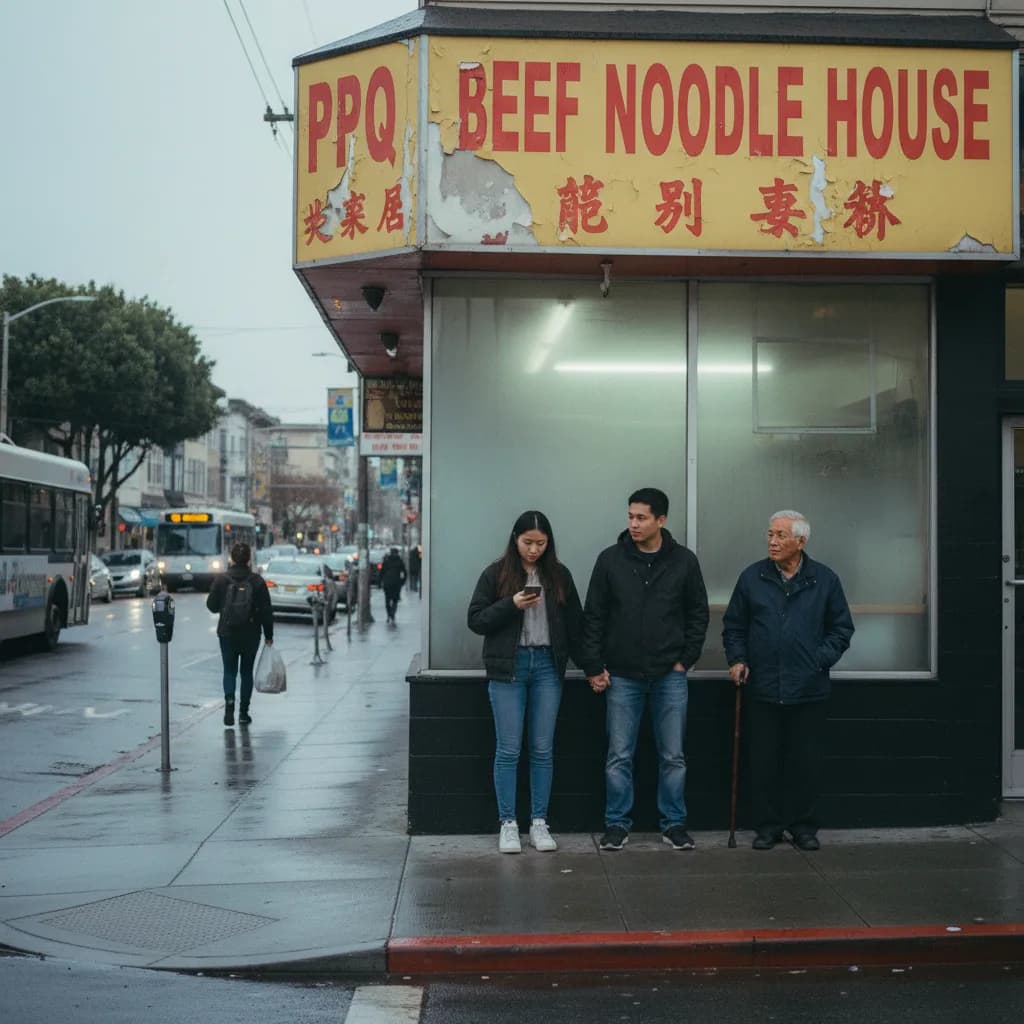
 Outer Richmond Restaurants Open Near Me: PPQ Beef Noodle House
Hidden Gems & Odd Finds
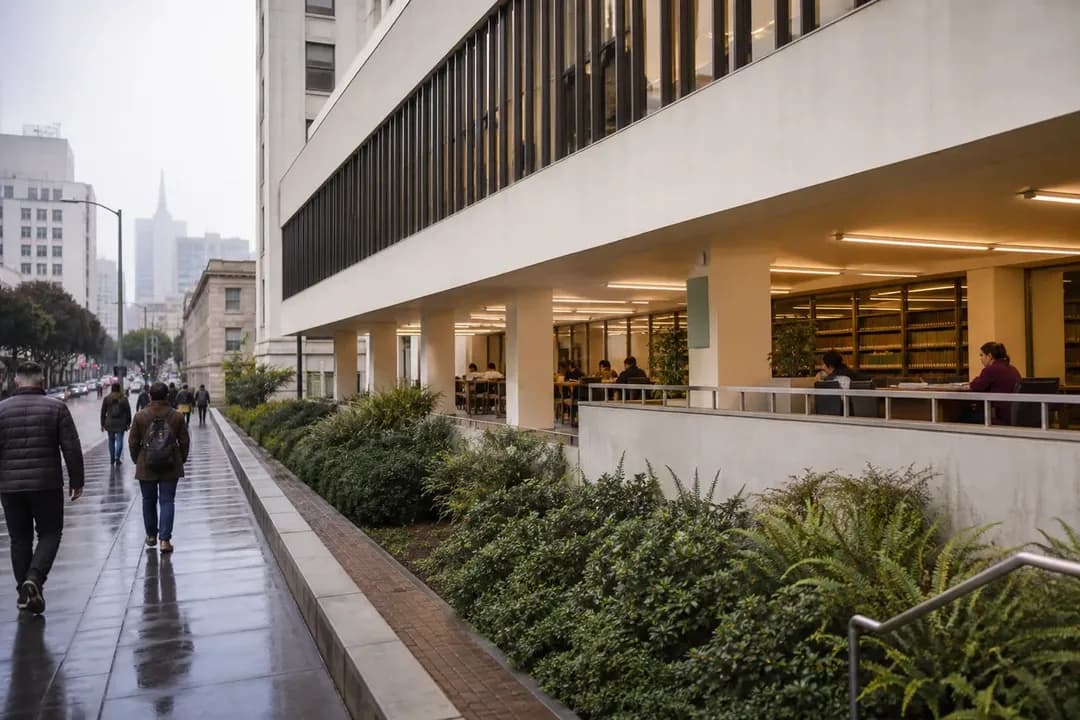
San Francisco library path for judge ana reyes tps research
A focused San Francisco route for checking TPS court records, city immigration help, and public legal research without relying on viral summaries.
For San Franciscans searching judge ana reyes tps after the latest Temporary Protected Status court coverage, the useful move is not to chase fragments online. It is to separate the ruling, the docket, agency guidance, and local help options before drawing conclusions. This daytime plan starts at the San Francisco Law Library, then cross-checks federal materials through the Main Library’s Government Information Center and city-backed immigration referral tools. It fits a solo reader, a family trying to understand headlines, or anyone who needs a calm research path on a cool, foggy Thursday without treating a search trend as legal advice.
Want a cleaner route through San Francisco’s law-library desks, federal records, and immigration help pages? Text Karpo for a tap-ready checklist before you leave home.
San Francisco Law Library at 1145 Market Street
Start at the San Francisco Law Library because it is the city’s public legal-research anchor, not a private campus collection. SFGOV describes the library as serving the judiciary, public, bar, and city, county, and state officials with free access to legal reference materials. For this topic, treat the desk as an orientation point: ask where to find federal case databases, immigration treatises, and citation tools, while keeping personal legal questions for an attorney.
The practical tradeoff is time. Legal database searching is slower than a news search, and public access can depend on local rules, staffing, and workstation availability. Bring the case names, dates, and keywords you already have, plus a notebook for citations rather than screenshots of random posts. If a database, printer, or librarian is unavailable, your backup is to record the exact missing item and move to SFPL’s federal documents desk.
Civic Center BART or Muni to Market Street
Use Civic Center/UN Plaza as the simplest transit choice for a daytime research loop around Market, Larkin, and City Hall. It keeps the Law Library and the Main Library close enough for a low-friction walk, which matters when fog, construction, or a delayed meeting compresses the day. If you are traveling with family, set a single meeting point outside the station before splitting up for restrooms, printing, or calls.
The route is medium difficulty because the research is cognitively demanding, not physically long. Keep the first stop to one focused hour: identify the ruling, the court, the judge, and the current procedural posture. The failure mode is over-reading commentary before verifying primary materials. If transit conditions feel unstable, switch to the SFPL Main Library first, because its posted public hours and multiple service desks make it a better fallback.
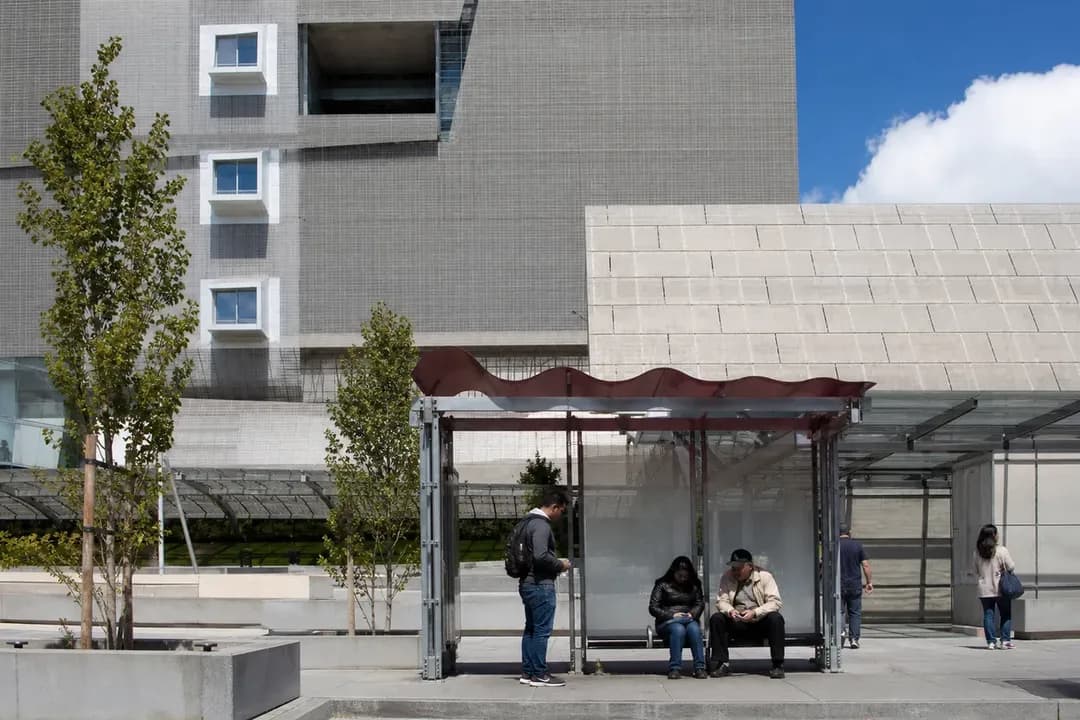
Ana C. Reyes Page on the D.C. District Court
Judge Ana C. Reyes sits on the U.S. District Court for the District of Columbia, and the court’s official biography says she was appointed in February 2023. That matters because San Francisco readers may see a national immigration case and assume it belongs in California. Anchor the search geographically: Reyes is a D.C. federal judge, while San Francisco is your research and legal-help access point.
Use the official court page only for biographical confirmation, not for broad interpretations of a TPS ruling. Then pair it with the Supreme Court or lower-court materials that actually address the case. A good media-literacy habit is to write one line for each source type: court biography, docket or opinion, agency guidance, and local service referral. If any line stays blank, your conclusion is not ready.
Supreme Court Opinion for Mullin v. Doe
For the legal backdrop, read the Supreme Court decision in Mullin v. Doe before reading opinion columns. Reputable legal repositories show the case was decided on June 25, 2026, and involved whether challengers to TPS terminations for Syrian and Haitian nationals could keep postponement orders in place during litigation. The opinion text states that the Court held they were not entitled to those postponements.
This source is dense, so pace it like a public-learning task rather than a law-school exam. Read the syllabus or summary first, then scan the holding and any dissenting or separate opinions. The key caution is that a Supreme Court ruling can change what a lower-court order does without ending every factual or constitutional dispute. If you cannot explain the procedural step in plain English, mark it for attorney review.
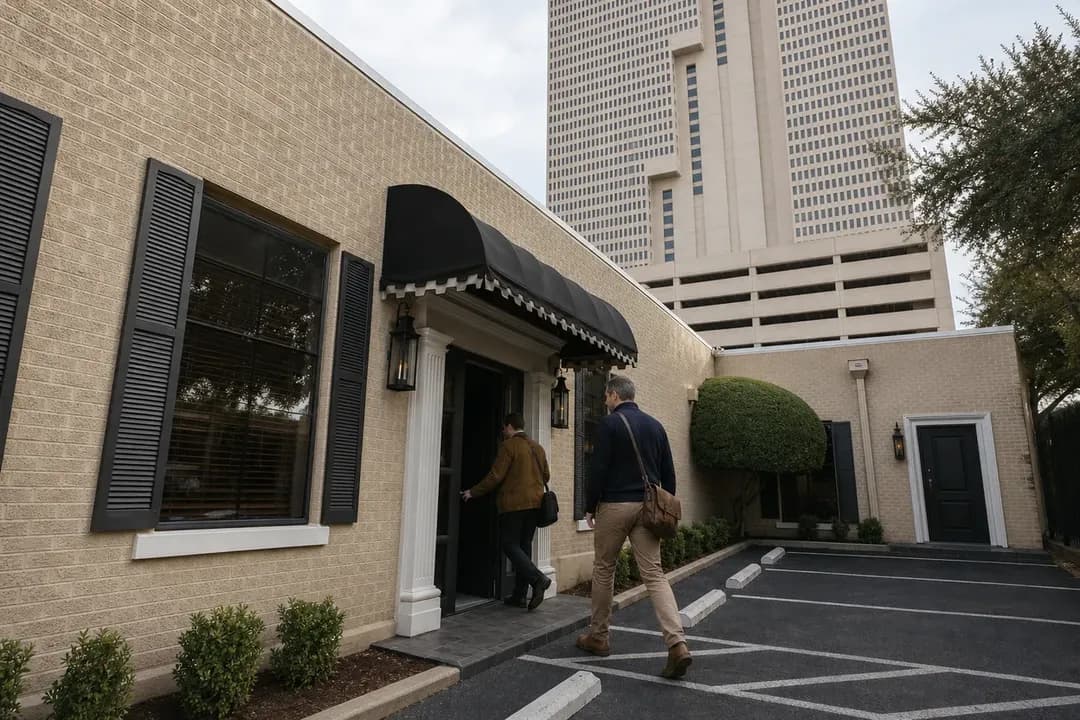
SFPL Government Information Center on the Fifth Floor
The Main Library at 100 Larkin Street is the best civic backup when you need government documents, congressional context, or a public computer after the Law Library stop. SFPL’s Government Information Center says it provides free access to United States, California, San Francisco, and Bay Area agency documents, with materials on public policy, public administration, political science, and law. Its Main Library schedule showed Thursday hours of 9 a.m. to 8 p.m.
Use this stop for context, not case-specific legal strategy. A San Francisco Public Library card may open access to databases such as ProQuest Congressional through SFPL’s own portal, while federal titles may also appear through catalog links or government publication catalogs. Accessibility is stronger here for mixed groups because the building has broad public services. The failure mode is treating legislative history or news coverage as the operative rule for someone’s immigration status.
SF Immigrant Help Portal and SFILDC Referrals
For any person whose status, work authorization, travel, or family safety could be affected, research must stop short of self-help legal conclusions. San Francisco’s Get Immigration Help portal is the city-backed starting point for free or low-cost community legal services. The Office of Civic Engagement and Immigrant Affairs also points residents to immigration legal help, language access resources, and a Rapid Response Hotline for immigration enforcement issues.
The Bar Association of San Francisco’s Justice & Diversity Center describes the San Francisco Immigrant Legal Defense Collaborative as a group of San Francisco organizations providing free, culturally competent legal services to adults, children, and families in removal proceedings. That is more relevant than a general internet directory. If capacity is limited or eligibility is unclear, document the attempt, ask for a referral path, and avoid giving friends or relatives legal instructions.
Final Source Check Before You Act
Before leaving Civic Center, run one final verification action: compare the date on the court opinion, the current USCIS TPS page or case-status tool, the SF city help page, and any legal-aid intake instructions you plan to use. Do not rely on cached snippets for deadlines, work authorization, travel risk, or eligibility. If a changing fact cannot be confirmed that day, the correct decision guide is to verify it with counsel.
This route works best for focused readers who can tolerate ambiguity. It is less useful for anyone needing immediate case advice, translation, or representation, because libraries explain sources while lawyers assess facts. The calm conclusion for San Francisco is simple: use public institutions to understand the record, use official portals to check current agency language, and use qualified immigration legal services before any personal action changes.
Tags: #AskKarpo #BeforeYouGo #SanFrancisco #CivicCenter #SanFranciscoLawLibrary #SFPL #ImmigrationHelp #TPS #LegalResearch #PublicRecords #MediaLiteracy #HiddenGems #CivicLearning #BayArea
All trademarks are the property of their respective owners.
Ask Karpo first
Tell Karpo your date, group size, budget, and starting point. We’ll check current access, timing, transit, and the cleanest San Francisco plan for San Francisco Law Library before you head out.
Ask Karpo for more information.
Keep reading
- Outer Richmond Restaurants Open Near Me: PPQ Beef Noodle House
 Bar Crudo Divisadero: Premier Seafood Near Me, Raw Bar Excellence
 Woodhouse Fish Co. Castro: Best Seafood Near Me, San Francisco