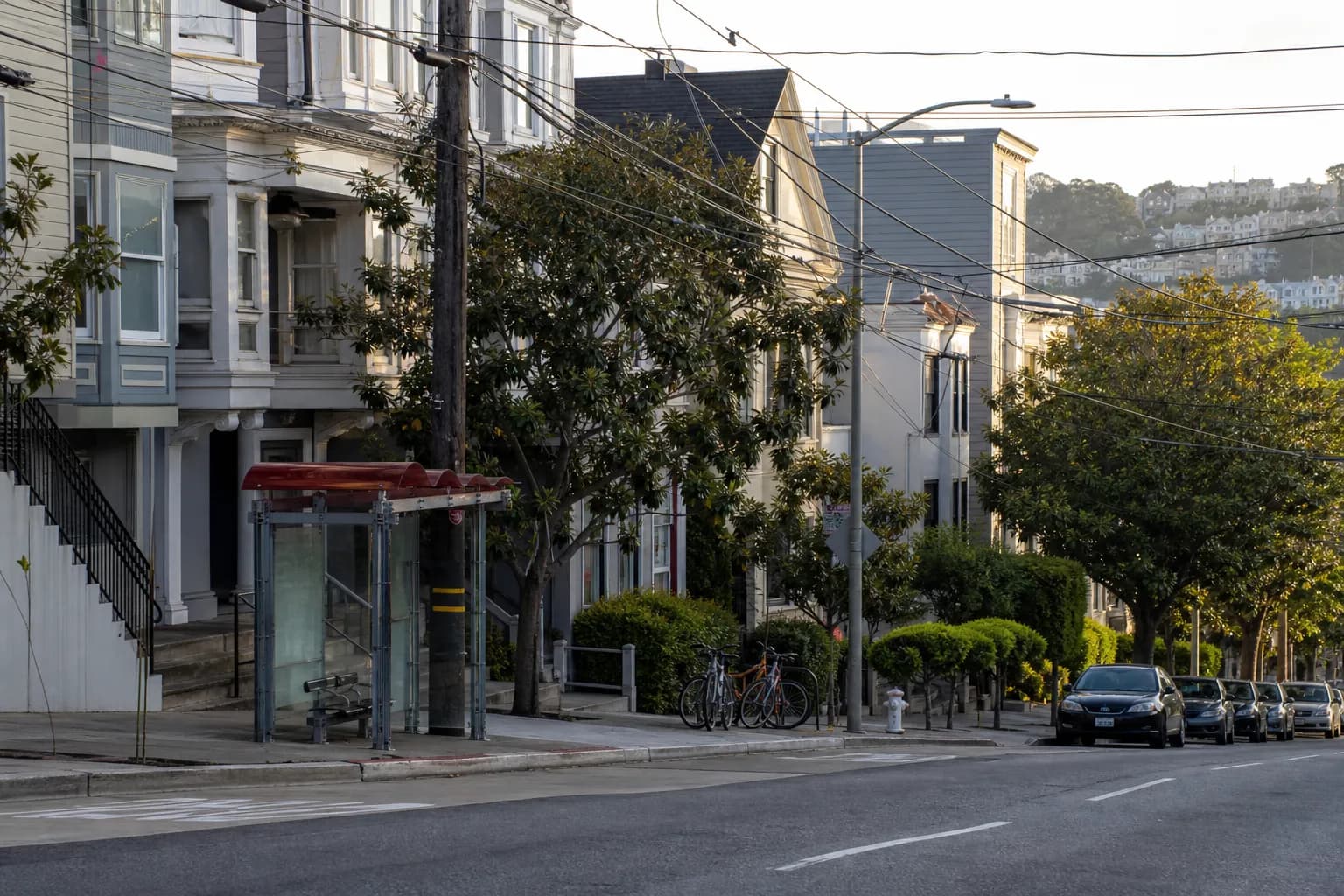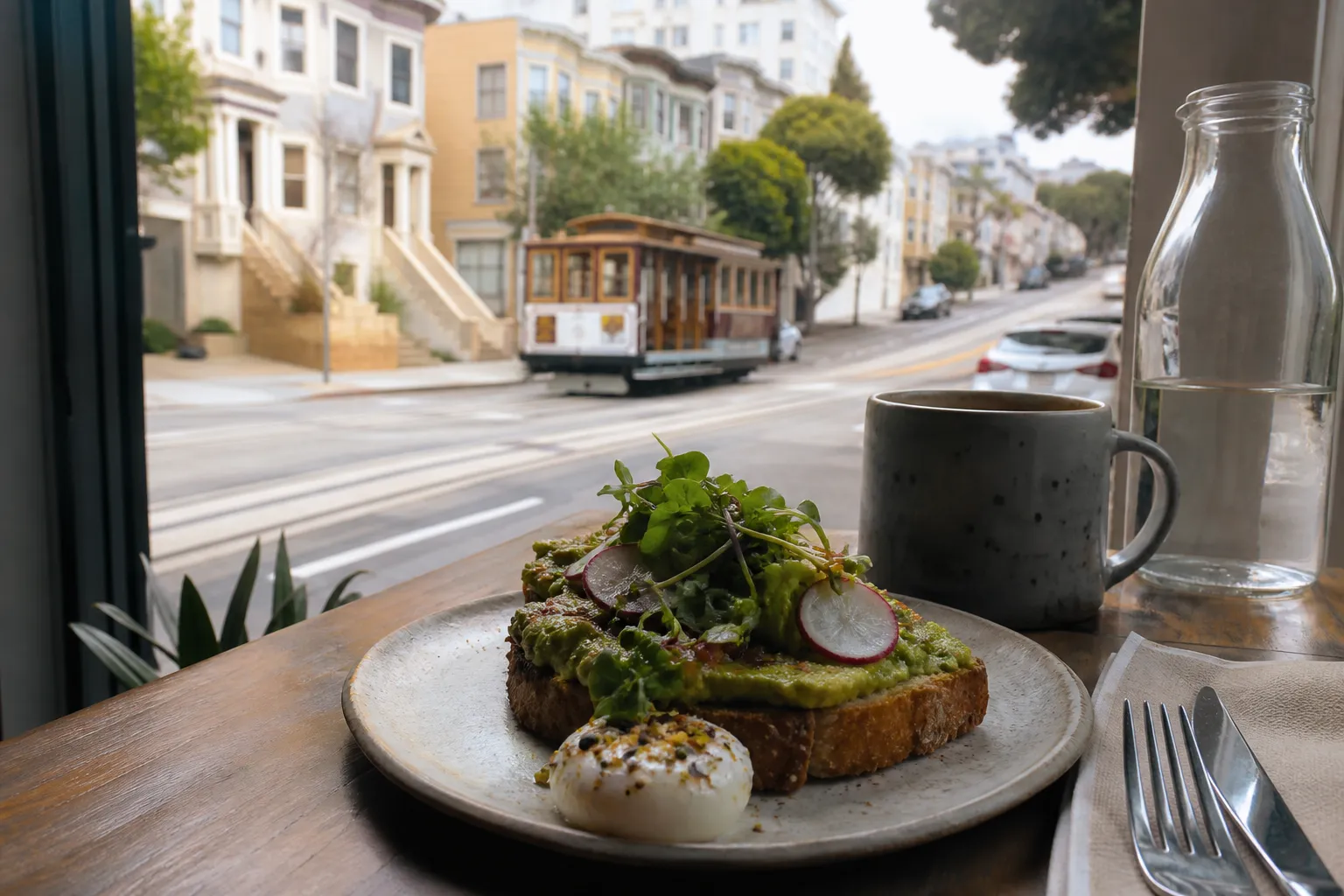
When you type "gluten free breakfast near me" in SF, treat the first result as a lead, not a decision. San Francisco changes fast by block and by hour, so the useful question is not just whether a place serves gluten free food, but whether the current menu, prep setup, and crowd level still make it a good fit this morning. Check the live menu, recent photos, and the newest reviews first. Look for signs that a breakfast item is naturally gluten free, not only modified at request. If the place mentions cross-contact handling, separate prep space, or careful ingredient labeling, that is more useful than a generic allergy claim.
Check your map now and build a two-stop backup before you head out.
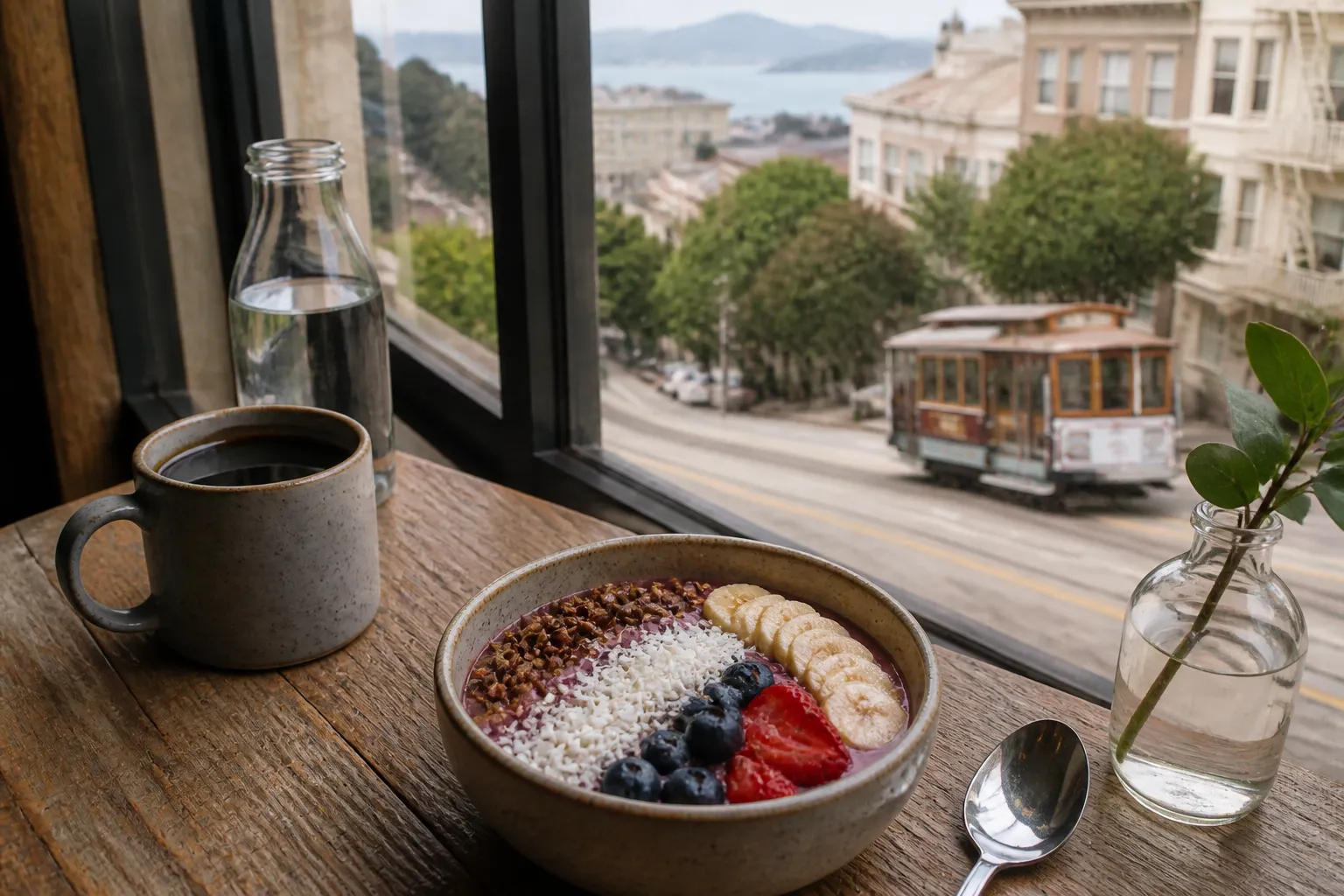
Do one quick live check before you leave: confirm the menu still matches what you want, scan the most recent comments for breakfast timing, and make sure the dish is available at the time you plan to arrive. In SF, a place that works well at 8:00 a.m. can feel completely different at 10:30 a.m. because of brunch traffic or a shift in staffing. If you need a reliable meal, favor places that keep a small number of clearly structured breakfast options rather than a broad menu with uncertain substitutions. That usually makes the morning more predictable and the ordering process much faster.
Use neighborhood logic to narrow the field
San Francisco breakfast patterns are tied to neighborhood function. The east side around the financial core, SoMa, and the Embarcadero tends to support quick weekday breakfasts for commuters, while areas closer to Mission, Hayes Valley, NoPa, and the western neighborhoods often behave more like destination breakfast zones. That means the same search term can lead to very different experiences. If you need speed before work, search near your transit line and stay close to dense blocks where foot traffic is steady. If you have more time, move toward neighborhoods with more daytime dining and fewer all-day office rushes.
Think in clusters instead of isolated spots. If one neighborhood looks crowded or uncertain, your next best choice is often a nearby area with similar transit access rather than a long cross-city detour. For example, someone starting downtown can check the Market corridor first, then move one step west or south if the first option looks slow. Someone already on the west side can stay local instead of backtracking through hills and transfer points. This is especially useful in SF because short distances can still take real time once you account for slopes, signals, and waiting for Muni.
Time your breakfast around SF's morning rhythm
Timing matters more in San Francisco than in flatter, more predictable cities. Early morning is often your best bet if you want a calmer line and a cleaner read on what the kitchen is doing. The first hour after opening is usually the easiest moment to verify ingredients, ask a focused question, and get a meal without a long wait. As the morning moves closer to brunch, service can slow down and gluten free requests may need more time. If your schedule is flexible, shift your breakfast earlier rather than later, especially on weekends or near neighborhoods known for leisurely brunch traffic.
Weather also changes the clock. A cool, foggy morning can keep the west side quieter for longer, while a bright, warmer day can pull more people into outdoor seating and create a rush sooner than expected. On weekdays, commuter flow can make the east side busiest first and then taper. On weekends, the reverse can happen as people drift toward breakfast districts later in the morning. If you need a specific window, plan to arrive before the main crowd wave and have a second choice ready for any delay longer than a few minutes. That small buffer prevents one crowded counter from throwing off the whole morning.
Weather, walking, and transit should shape the plan
SF weather can turn a simple breakfast run into a logistics problem if you are not dressed for it. The city’s microclimates mean the west side can feel colder, windier, and more humid than the east side even on the same morning. Fog, drizzle, and gusts make outdoor waiting less appealing, and hills can slow down a walk that looked short on the map. If you are crossing neighborhoods, build in extra time for slope, wind, and the possibility that you will want to stop for warmth before or after eating. A place with indoor seating becomes much more valuable when the marine layer hangs low.
Transit also changes which breakfast option is realistic. If you are near BART, Muni, or a dependable bus corridor, choose a breakfast spot that sits close to your line rather than chasing the farthest-rated option. That reduces the chance that a transfer or delay will make you late. Accessibility matters too: check curb cuts, doorway width, and whether the entrance requires a steep step or a narrow sidewalk approach. In a city with hills and busy crossings, a place that is close to transit, easy to enter, and comfortable in bad weather can be the better choice even if another option looks slightly more appealing on paper.
Keep a simple backup route so the morning still works
A good SF breakfast plan has a first choice, a nearby backup, and a fallback route that does not require a full reset. Start with one neighborhood cluster and one transit-friendly alternate. For example, if your first search target is downtown, keep a second option in the same general east-side corridor and a third option one short Muni ride away. If the west side is your goal, look for a backup within the same broad area rather than across the city. The point is to keep the trip efficient if the first stop is crowded, low on stock, or slower than expected.
When the first choice fails, do not spend ten minutes debating every other breakfast in the city. Decide fast: either move to the nearest backup neighborhood, or switch to a simpler meal at a place that can serve you quickly and safely. A simple route works well in SF: start near your current transit hub, check one nearby breakfast cluster, then move one neighborhood over only if the live signals look good. That approach respects the city’s hills, weather, and crowd patterns, and it keeps your morning flexible enough to survive a line, a detour, or a changed menu without losing the whole day.
A simple plan before you go
- Check live menus, recent photos, and the newest reviews before you leave.
- Favor clearly labeled breakfast items and ask about cross-contact handling if needed.
- Build a route around transit access, hills, and weather before you pick a neighborhood.
- Keep one backup in the same general corridor so a delay does not become a full reset.

Tags: #back_to_school #sf
Sources consulted: Official city information · Google Maps · Karpo local search
All trademarks are the property of their respective owners.